
 Aahana Swrup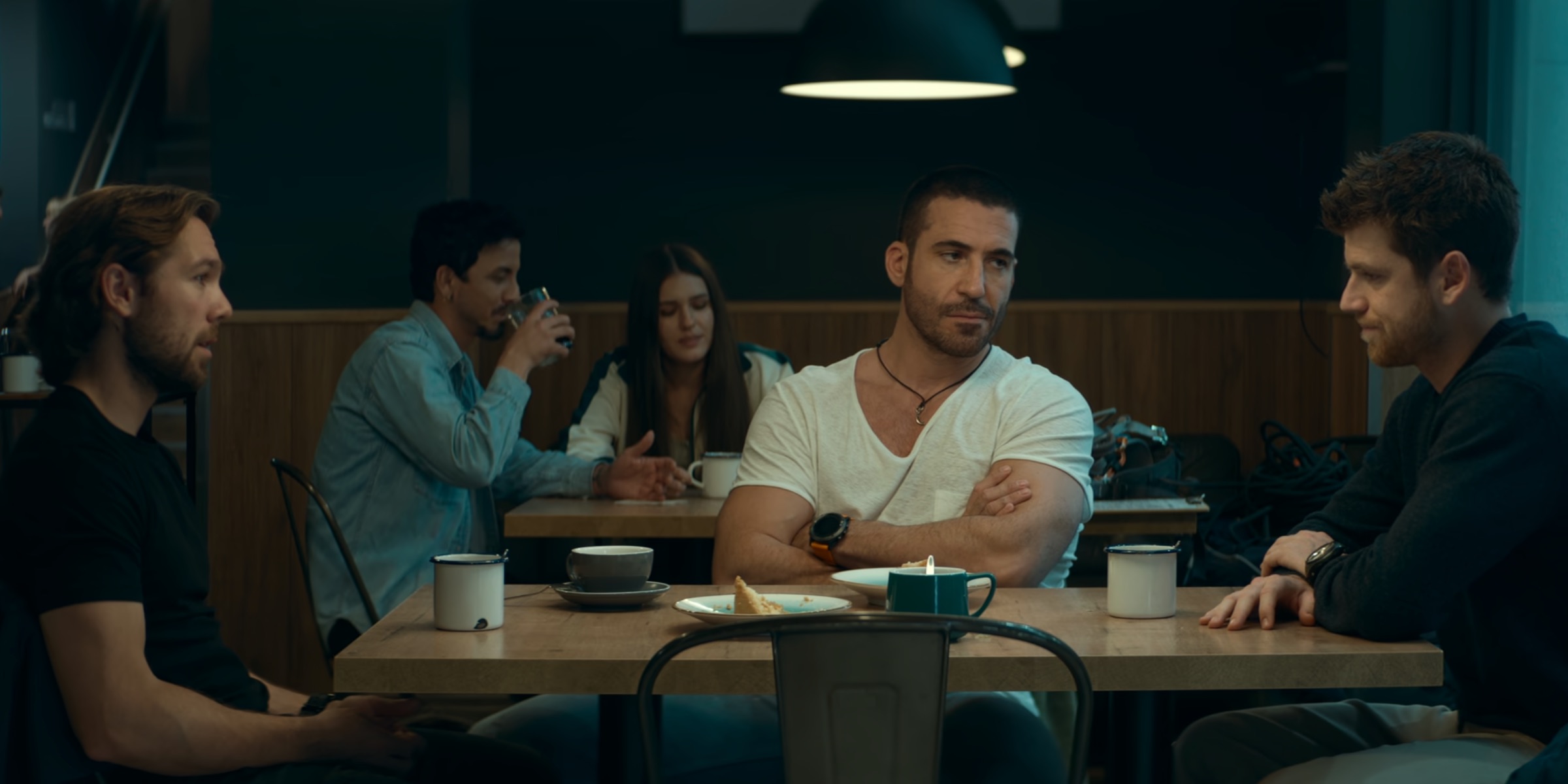
Originally titled ‘̌La Fiera,’ the Netflix Spanish film ‘To the Max’ invites viewers into the dangerous yet thrilling lives of a group of skydivers who participate in the extreme sport of BASE jumping. The activity involves jumping from a fixed point at a high altitude, and in Carlos and his friends’ case, the use of wingsuits to navigate the fall before parachuting to a safe landing. When presented with the opportunity, the group of BASE jumpers, which includes Chana, Dario, Alvaro, and Armando, decides to undertake an exciting venture to the Trango Towers in Pakistan in pursuit of an adventure and a world record. However, their path ahead remains littered with dangers, most of which stem from the athletes’ inclination towards risky jumps. Directed by Salvador Calvo, the film employs a mockumentary format that delves into a series of incidents with a tangible basis in reality.
To the Max is Inspired by Real-life BASE Jumpers and a String of Tragedies
‘To the Max’ is a true-to-life fictionalization of real people and their adventures as BASE jumpers. Even though the narrative doesn’t strive to be a direct biography, it remains rooted in the experiences of the real people who inspired the project’s inception. Darío Barrio, Manolo Chana, and Álvaro Bultó were a part of a real friend group who participated in BASE jumping together, alongside their other friends, Carlos Suárez and Armando del Rey. In the span of a few years, the former trio all faced their demise as a result of their extreme sport endeavors. Bultó was a TV presenter who hosted an extreme sports program. In August 2013, the BASE jumper undertook a wingsuit-assisted jump in Lauterbrunnen, Bernese Oberland, Swiss Alps.
Lamentably, this ended up being Bultó’s final endeavor. The jumper died as a result of a fatal accident, the details of which remain unknown. Yet his fellow extreme-sport athletes who accompanied him on the jump, one of whom was Armando del Rey, have stated that the accident involved a crash into the rocky outcrops. Almost a year after this tragedy, Darío Barrio, Bultó’s friend and a professional chef, participated in an event in Jaen, Spain, commemorating the TV presenter/athlete’s passing. In a cruel twist of fate, Barrio met his own demise in a similar accident. In the aftermath, del Rey and Suárez, who had earlier lost another one of their BASE jumping partners, Chana, were left as the sole survivors in their friend group.
In ‘To the Max,’ director Salvador Calvo and his screenwriter, Alejandro Hernández, explore the tragedies of these consecutive deaths. Simultaneously, the film also strives to shine a light on the remarkable joy and achievements that these BASE jumpers cultivated in their lives. To maintain authenticity and fidelity to the reality of Suárez and his friends’ lives, the film employs the jumper himself, along with del Ray, as consultants. Therefore, the surviving members of these friend groups were directly involved in the making of the film, ensuring that the characterizations and narratives within the story remain based in reality. Still, the film occasionally incorporates a fictional element, such as a mockumentary. Ultimately, though not a biography, the project remains closely attached to real-life BASE jumpers and their stories.
To the Max Explores the World of BASE Jumping Through a Nuanced Lens
As ‘To the Max’ dives into the lives of Carlos Suárez, Armando del Rey, Darío Barrio, Manolo Chana, and Álvaro Bultó, the film’s narrative naturally falls into an exploration of extreme sports. Adrenaline-seeking activities like BASE jumping have often garnered widespread criticism because of their dangerous disposition. Engagement in such sports is often associated with reckless selfishness or a general lack of regard for life. The film challenges these notions, promoting the significance of freedom of choice. It highlights the positive, life-affirming value of chasing thrills and achieving impressive athletic feats. Thus, the real-life stories of Suárez and del Ray, who faced both the good and the bad that the extreme sport had to offer, lay the perfect foundation for such conversations.
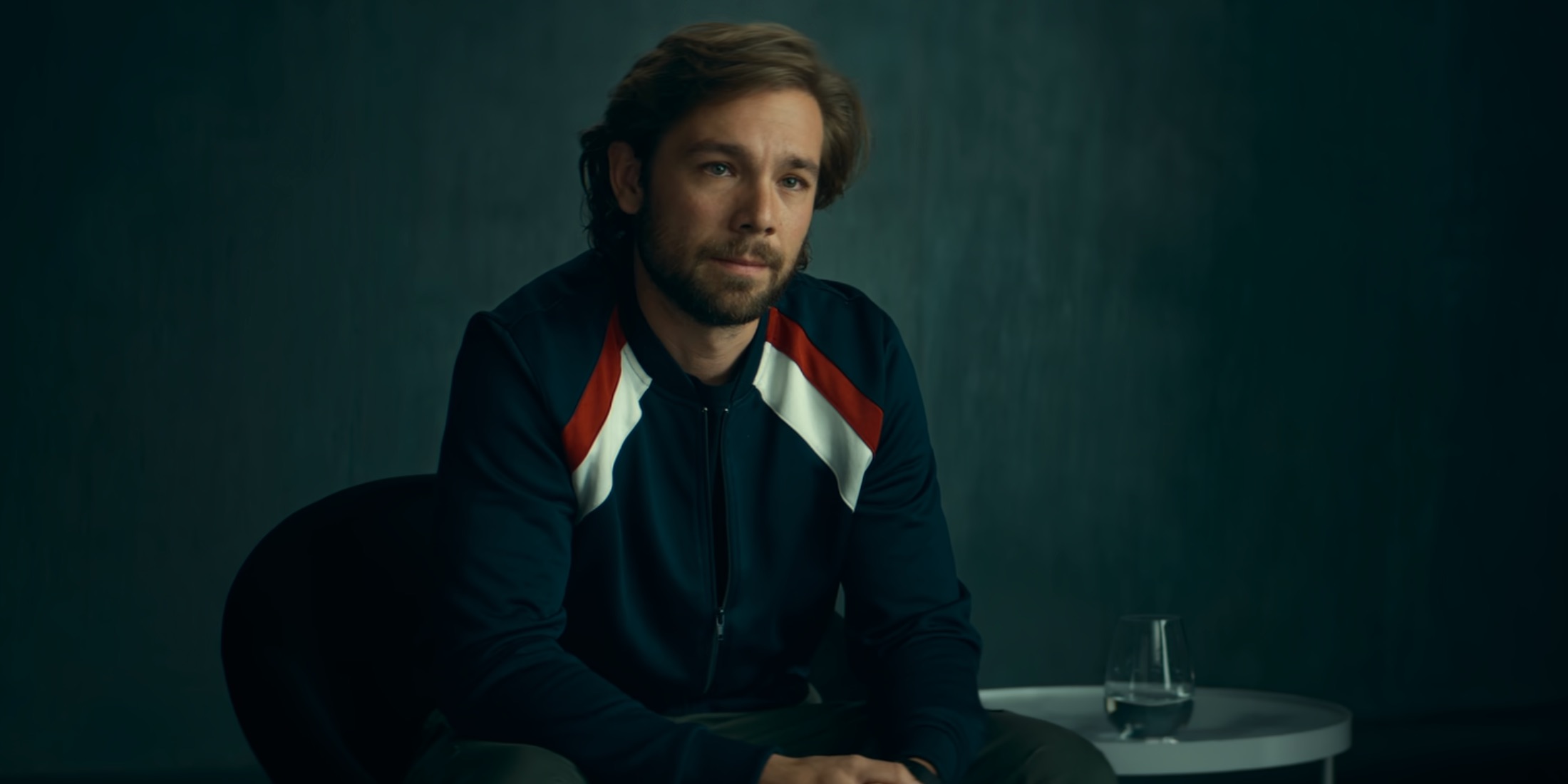
Salvador Calvo used to report on skydiving jumps a long time ago. Even though the filmmaker himself never understood the appeal of such endeavors, he understood the nuances of the activity and the case it makes for living life to the fullest. In a conversation with Cineuropa, originally conducted in Spanish, Calvo spoke about the themes of the film. He said, “The film talks about personal freedom, about choosing how we want to live, dealing with a subject that has been viewed socially as selfishness, assuming these people lack empathy for those around them. But the film also suggests that, when facing death, many realize they’ve lived the life others wanted for them, and not their own. So to what extent are we free to do what we want? That contradiction is raised by the film.”
Read More: To the Max Ending Explained: Does Carlos Make the Nameless Jump?


You must be logged in to post a comment.