
 Abhiroop Das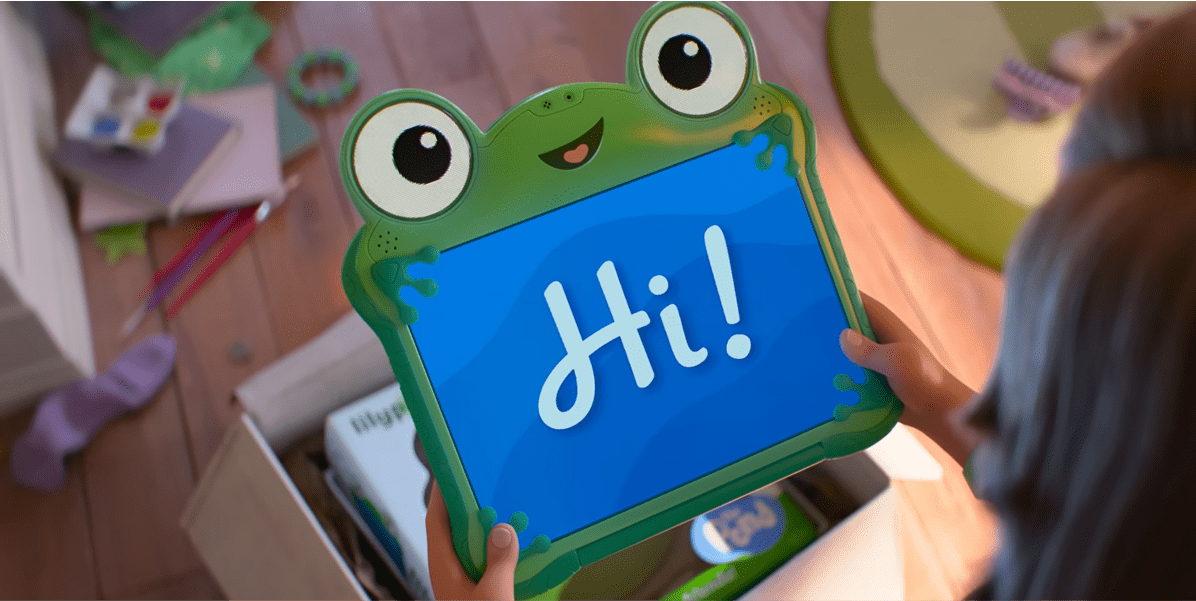
Helmed by Andrew Stanton, ‘Toy Story 5’ brings back the iconic toybox for a brand new adventure, this time with a timely antagonist. In a world that seems to be steadily moving on from good old toys, Sheriff Jessie, the cowboy doll, finds herself struggling to help little Bonnie make new friends. The problem, as it turns out, is not with the toys but with the fact that all the kids in the neighborhood have found something else. Enter Lilypad, a tablet that seems to have the world within its fingertips, be it games, chat sites, educational content, or social media apps. Before long, Bonnie loses the drive to delve into a fantasy world with her toys and instead spends her entire time sitting with the device, chatting with her friends on The Pond interface. As Jessie, Buzz Lightyear, Woody, and the others resolve to challenge Lilypad, we learn much more about the tablet and all the secrets it entails.
The Lilypad is a Fictional Device Likely Based on a Popular Real-Life Tablet
While Lilypad was conceived as a fictional tablet specifically for the world of ‘Toy Story 5,’ it has since been turned into an actual device produced by the company LeapFrog, the film’s merchandising partner. Interestingly, the most likely inspiration for Lilypad can be traced back to LeapFrog as well, particularly to their most iconic product, the LeapPad. Also known as CoCoPads in some corners of the world, LeapPads are educational tablets designed for children that use a touch-based digital interface. First released in 1999, the device is only slightly predated by the first ‘Toy Story’ movie, which makes its similarity to Lilypad in the fifth installment a rather unique case.
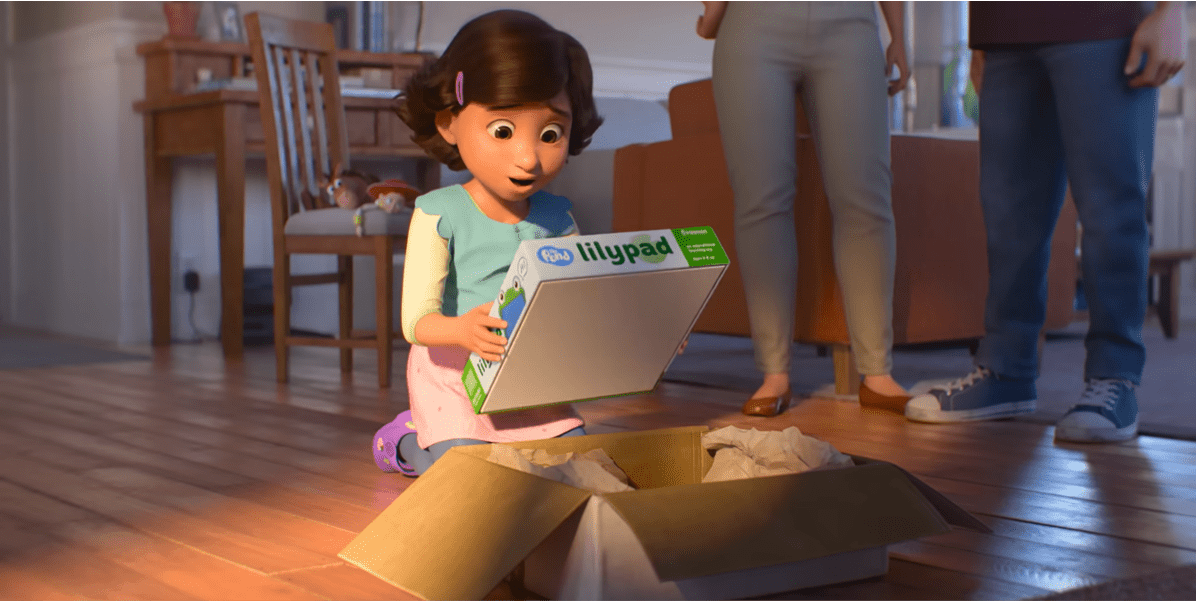
While the color palette and general aesthetics of Lilypad greatly overlap with those of the LeapPad, the major difference lies in their technological capabilities. While the LeapPad has traditionally been designed for educational purposes, Lilypad is closer in function to a smartphone, as it features video games, social media apps, video games, chat platforms, and so on. While newer generations of the LeapPad do feature a few apps and games, it is still distinct from Lilypads in that regard.
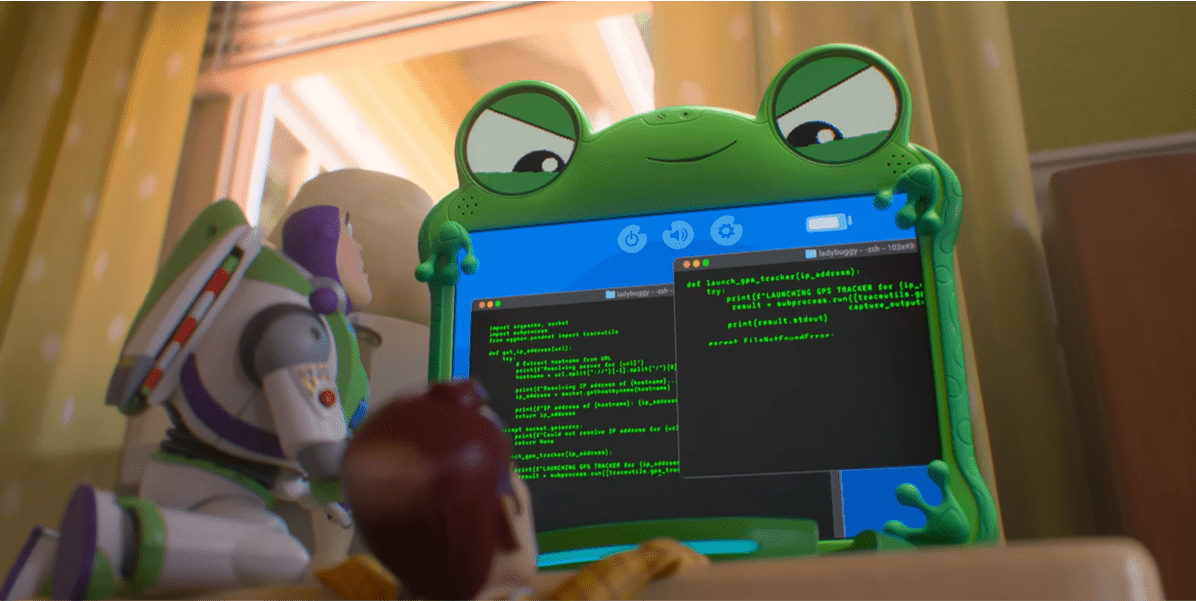
This creative choice ties back to Lilypad’s role as a foil to the classic toys of ‘Toy Story 5,’ with the former’s screen-based entertainment causing several children to get addicted. For director Andrew Stanton, Lilypad serves as a stand-in for a larger social trend that can be observed among children and adults alike. “Technology has usurped play-time in real life,” he noted in a conversation with Syfy, “Lily is representative of what we’re up against … When tech comes in, it wins. It happens to adults and kids.” In many ways, Lilypad as a narrative device brings these anxieties to life.
The Pond Highlights the Potential Negative Effects Social Media Can Have on Children
Lilypads are only one half of the equation, as it is The Pond app and interface that connects various tablets together, which feeds into Bonnie’s addiction. Much like Lilypad, The Pond is a fictional platform created by Andrew Stanton and Kenna Harris. While the tablet itself might be a nod to LeapPads, The Pond is a wholly original construct and isn’t based on LeapPad’s interface or any other real-world app. Instead, given that it is seemingly connected to the internet, The Pond is closer in appearance and function to online games and social media. In light of the thematic purposes of Lilypad being introduced as a character, The Pond seems to highlight the rise of screen addiction and its harmful effects among children and young adults.
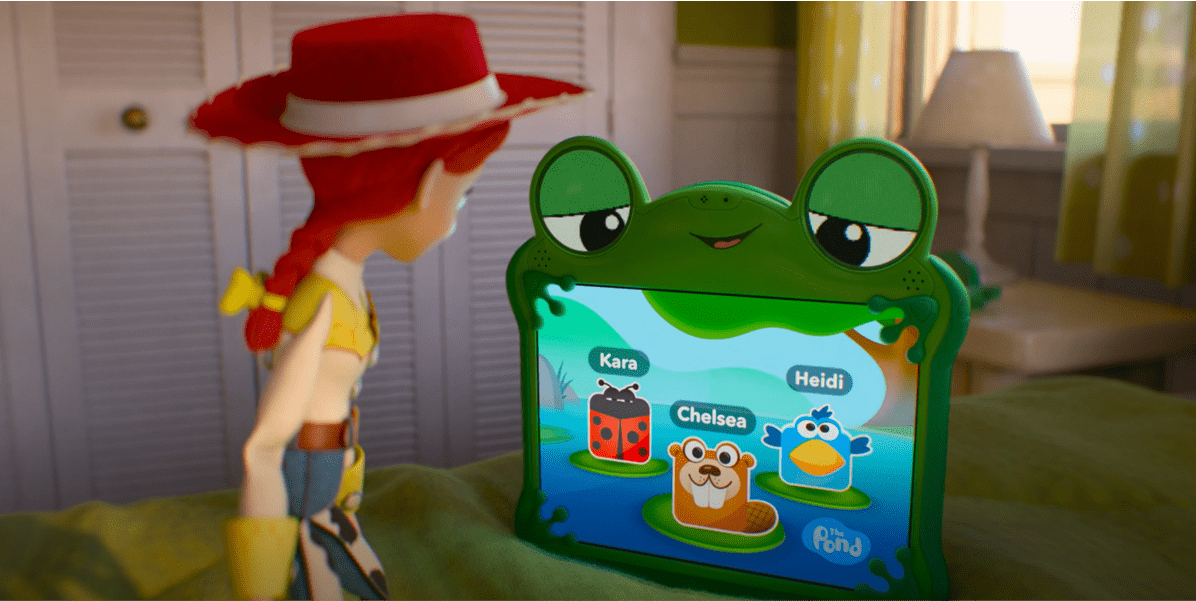
Various studies have been conducted over the years on the potential impact of high or addictive use of social media phones or video games. For instance, a 2024 research published in JAMA Pediatrics involving 100 studies examined children from birth to age 6 and found that such addictive and unregulated usage can be associated with poorer cognitive and psychosocial development. On the contrary, a different model of digital consumption, one emphasizing educational programming and parental co-viewing, was found to have a better effect on a child. This theme also shines throughout ‘Toy Story 5,’ as the creators have already established that the goal of this story is not to blindly antagonize Lilypad or The Pond, but to look for balance, which can also manifest in real life.
Read More: Movies Like Toy Story on Netflix Right Now


You must be logged in to post a comment.