
 Abhiroop Das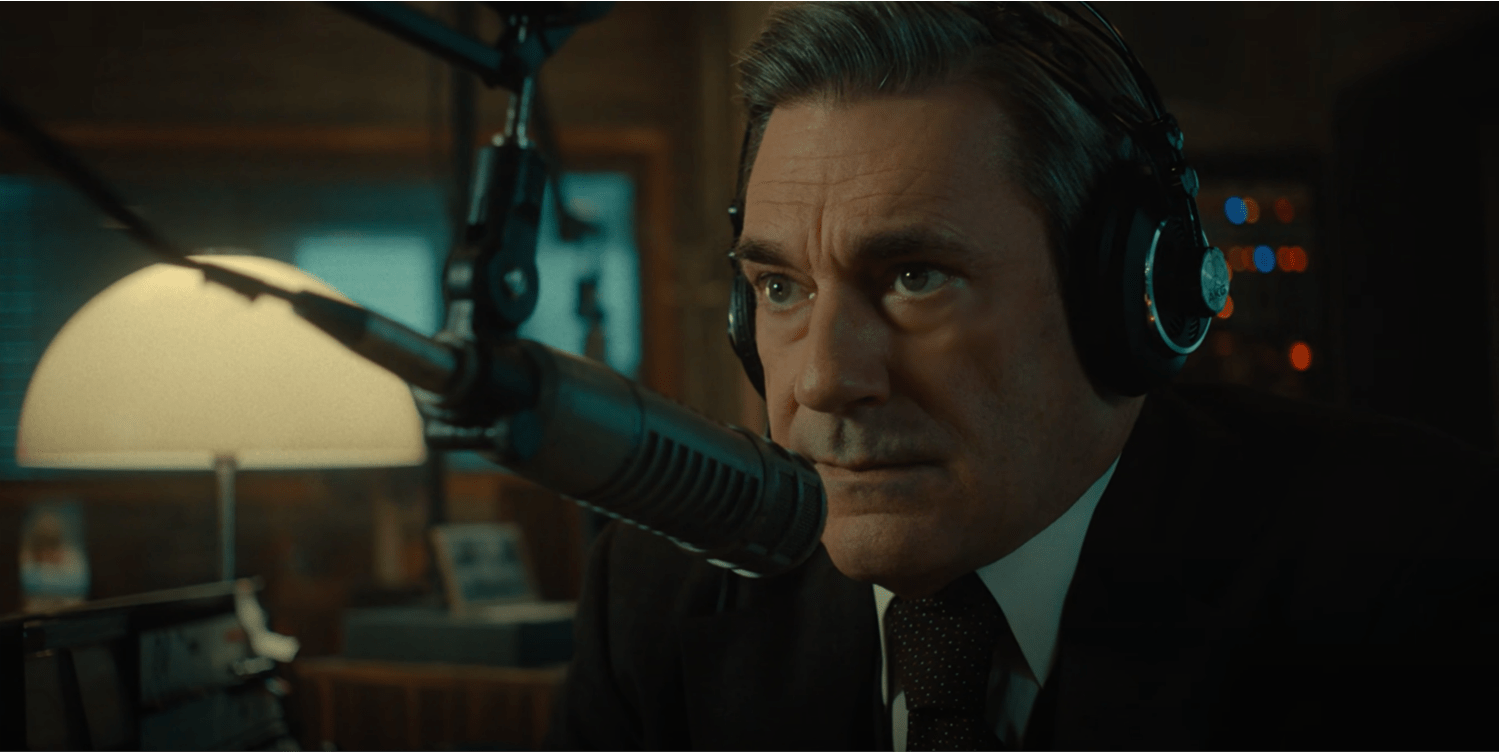
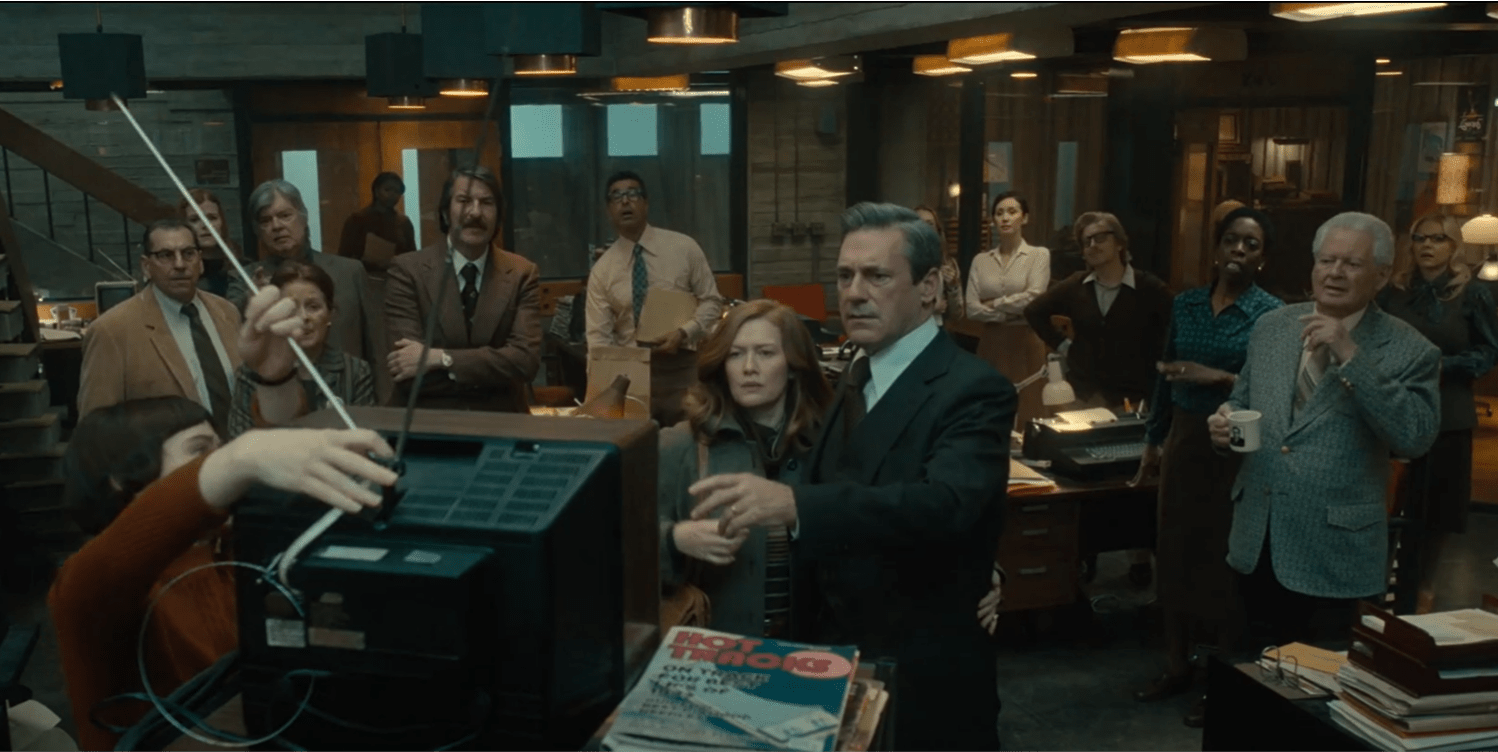
Co-created by Shawn Ryan and Eileen Myers, ‘American Hostage’ reimagines the 1977 Tony Kiritsis hostage standoff from a perspective that hasn’t been explored before. On February 8, 1977, Tony took mortgage executive Richard O. Hall hostage and tied a dead man’s wire around his neck, capturing the entire nation’s attention. In this crime thriller series, we see this saga unfold from inside the WIBC newsroom, where Fred Heckman, a famous broadcaster and the news director, finds himself as the only person that Tony is willing to interact with. As Fred’s familiar, time-tested ‘My Town Indy’ segments give way to news far more chilling, a story unlike any other begins unfolding, live, on-air.
Fred Heckman Was a Veteran Radio Newsman From Indianapolis
Fred Heckman was a real Indianapolis broadcaster and journalist whose career at WIBC-AM spanned more than three decades, during which he became closely associated with the 1977 hostage crisis involving Tony Kiritsis. The version of Fred we see in the show, however, has been fictionalized to an extent and draws from the podcast ‘American Hostage’ by Shawn Christensen, which dramatizes the hostage stand-off from Fred’s perspective. Actor Jon Hamm, who essays Fred in the show, is also the voice of the character in the original podcast, which further strengthens the connection. That said, the rendition we see on screen is not meant to be a direct recreation of Fred in real life, and instead uses him as a narrative axis.
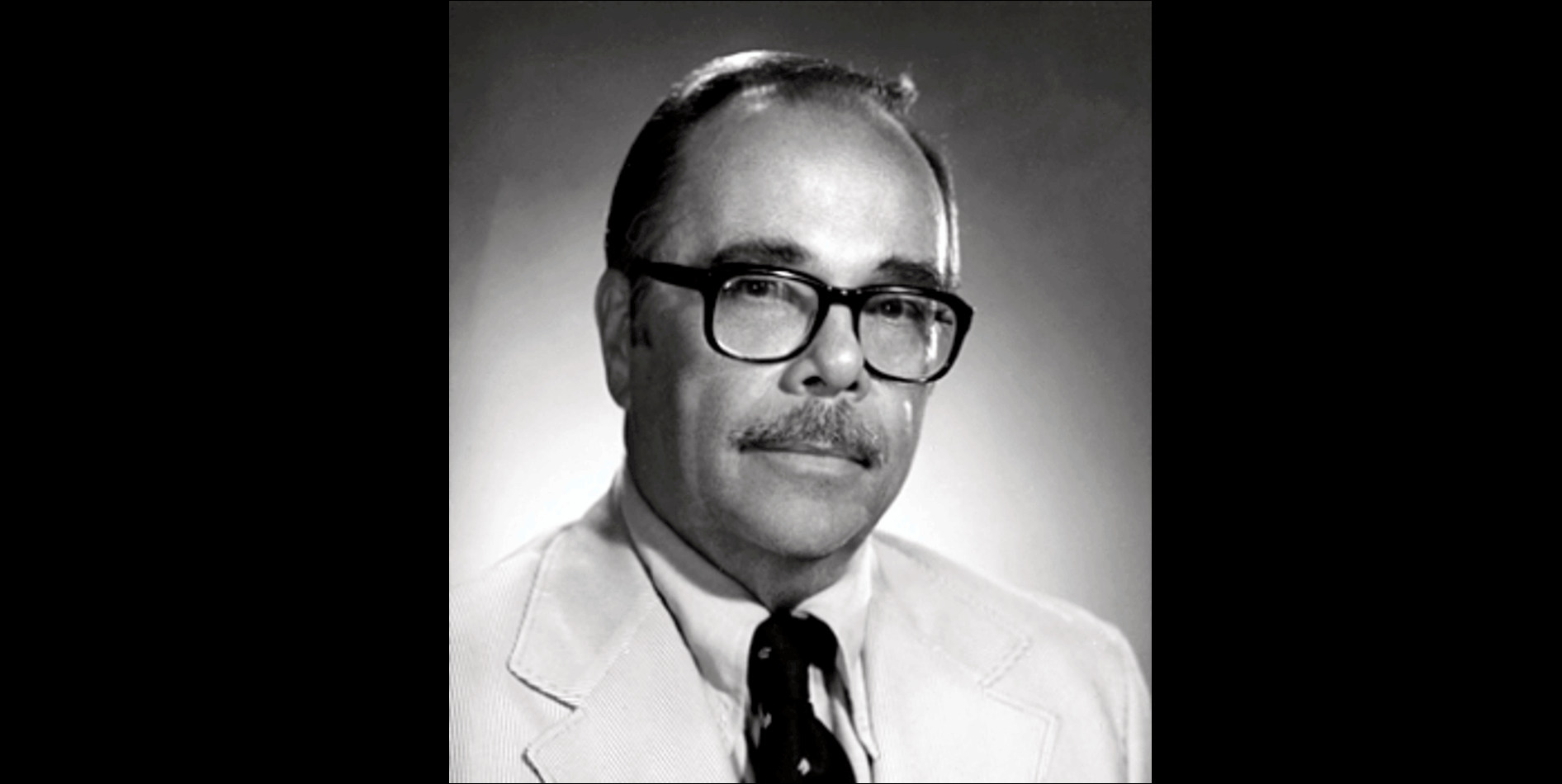
Fred was born on November 11, 1923, in Iron Mountain, Michigan, and had an unstable childhood, primarily due to the Great Depression. His father, a construction company purchasing agent, was acutely affected by the economic crisis, and as a result, the family had to move as many as 29 times by the time Fred was 16. His family eventually settled in Washington, D.C., and Fred attended the University of Arizona and George Washington University. While in college, he met and married his wife, Barbara, but his education was interrupted when he enlisted in the military. In the following years, Fred served as a radioman during World War II and later served in the U.S. Naval Reserve during the Korean War, before returning to work at radio stations in Delaware, South Carolina, Georgia, and Washington, D.C.
Fred Heckman Became the Main Intermediary For Tony Kiritsis and the Officials
In 1957, Fred Heckman and his family moved to Indianapolis, and it is here that his journey with WIBC began. By 1961, he had become the station’s news director and was famous for shifting away from the conventional approach of reading wire reports or newspaper articles on air. Instead, he pushed for original stories, and later told The Indianapolis Star, “We (WIBC) often put on the air stories that I didn’t like and disagreed with, personally. It’s a better way to truly reflect the community.” By 1977, Fred had emerged as a well-known figure in the radio industry and was dubbed “the Walter Cronkite of Indianapolis,” a reference to the legendary broadcast journalist and longtime anchor of the CBS Evening News.
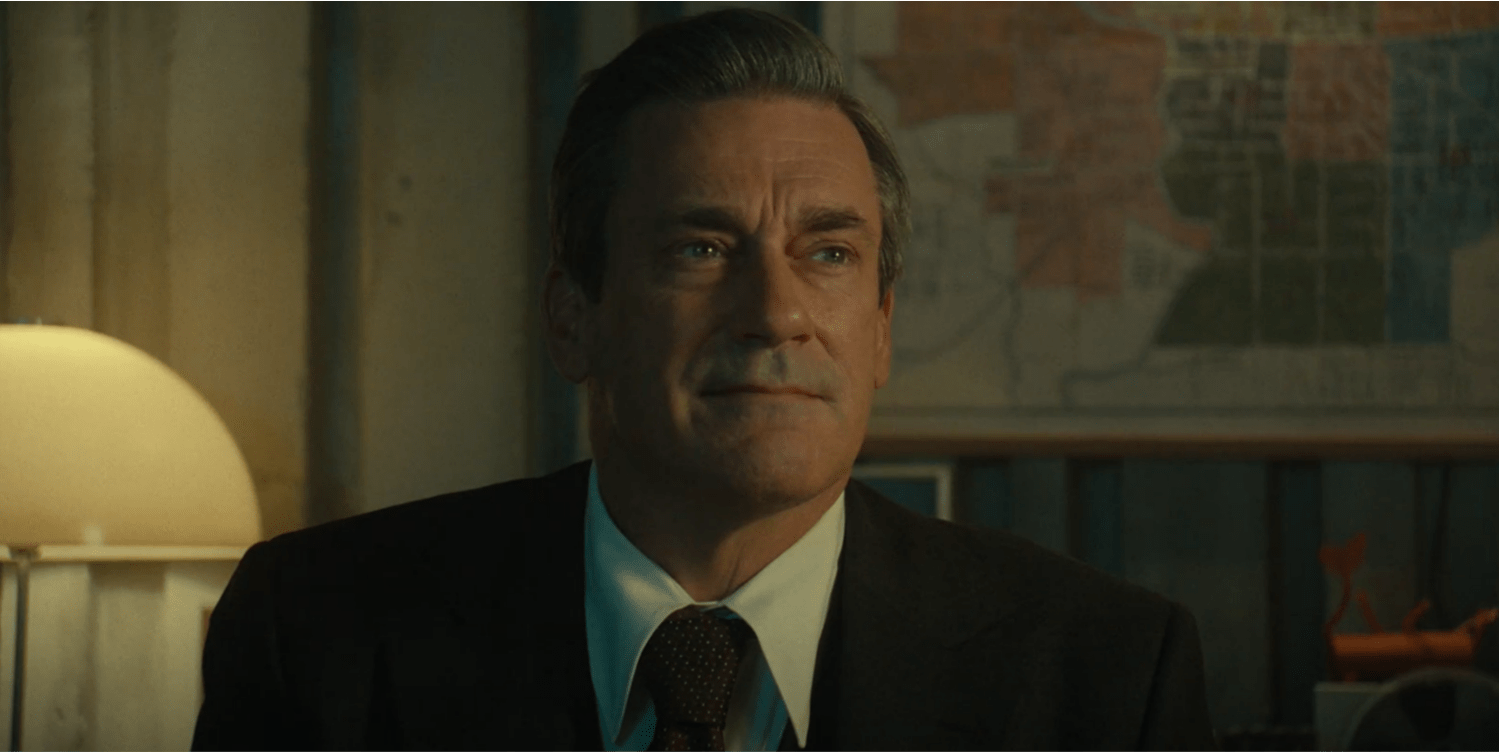
Fred entered the national spotlight on February 8, 1977, when 44-year-old Tony Kiritsis took Meridian Mortgage’s Executive Richard O. Hall hostage, restraining him with a shotgun rigged to a wire around his neck. As police surrounded the building, Kiritsis began demanding airtime for his grievances and specifically asked to speak with Fred. This created a split in opinion among reporters, given the ethical ambiguities that could arise if Kiritsis’ demands to be on-air were met. By the following day, however, a decision had been made, and at around 6:30 a.m., Fred got on a call with Kiritsis and began listening to his story.
While Tony Kiritsis’s conversation with Fred Heckman was mostly centered around his grievances with Meridian Mortgage, particularly Richard and his father, M. L. Hall, it was also noted that Tony’s rants were extremely profane and explicit. The station, along with Fred, thus had to make a difficult decision as to whether to air the taped conversation uncensored or keep it under wraps. Ultimately, WIBC decided to release the entire conversation as is, and from that point onwards, Fred emerged as the main point of contact for Tony. Reportedly, Tony frequently called Fred instead of talking to the authorities outside his home and used the platform to both keep up with the negotiations and learn about the police’s plans.
Fred Heckman Played a Major Role in De-Escalating the Standoff
Tom Cochrun, a former WIBC reporter who was part of Fred’s team during the 1977 hostage stand-off, said during his conversation with A&E, “I don’t know why Tony (Kiritsis) singled out Fred Heckman.” Cochrun added, “When Tony was belligerent, the police would have Fred try to smooth him out.” With every exchange, however, it became apparent to Cochrun that “Fred was now a participant in the story, and therefore could not direct our coverage from then on.” Though Fred initially resisted the idea, he eventually came to an understanding and stepped down as the lead reporter on the incident. However, he remained the primary person Tony communicated with over the next few hours.
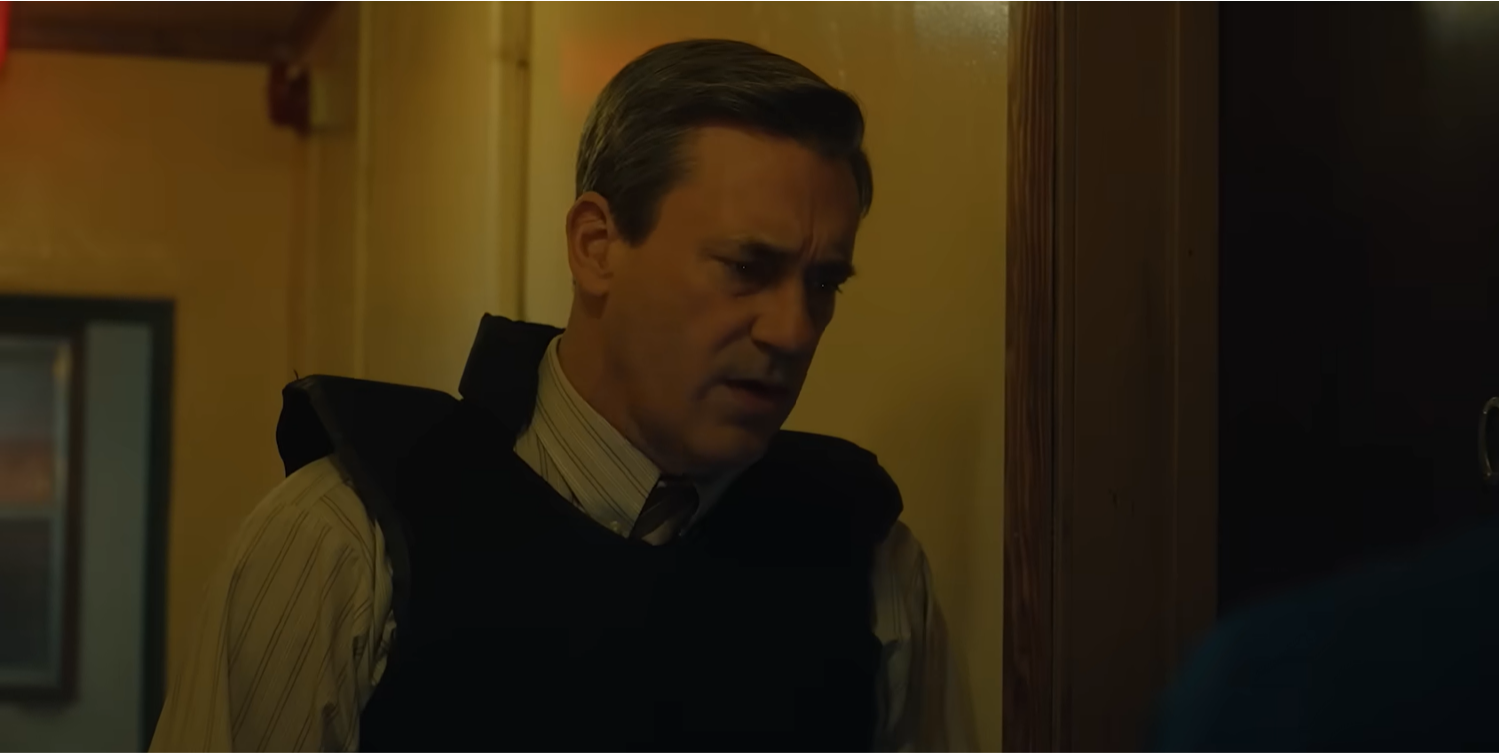
For his final conversation with Tony, Fred was reportedly coached by specialized hostage negotiators sent in by the FBI and local authorities. The goal was to make an incredibly volatile Kiritsis believe that his demands for legal immunity and a $5 million promissory note were being honored, and it seemingly worked. Right after this last phone call, Tony emerged from his apartment with Richard Hall, the sawed-off shotgun still wired around his neck, to deliver a live press conference. As Tony delivered a 23-minute speech, Fred notably stood right behind him and Hall with a tape recorder in hand.
Immediately after the speech, Tony released Richard and was promptly arrested by law enforcement officers, with his forced immunity deal being declared legally void. The ensuing high-profile trial ended on October 21, 1977, and Tony was found not guilty by reason of insanity. He was subsequently committed to state psychiatric hospitals for 11 years before being released in January 1988. From there, Tony spent the remainder of his life in Indianapolis, eventually dying from natural causes on January 28, 2005, at the age of 72. There are no publicly known instances of Tony and Fred ever interacting again beyond their final conversation on the call.
My Town Indy Was a Real Segment That Ran For 30 Years, Until Fred Heckman’s Retirement
‘My Town Indy’ was the name of a real radio feature created by Fred Heckman in 1970, and ‘American Hostage’ incorporates it into its fictionalized portrayal of his life. The feature emerged as daily radio essay segments delivered by Fred at the conclusion of WIBC-AM’s noon newscasts, and over the next three decades, it became one of his most iconic routines. Typically, these segments differed from the breaking-news coverage Fred was otherwise known for and instead offered a different outlook on Indianapolis and the people, places, and stories that made up the city. The show plays on this detail by naming the very first episode after the show and contrasting it with the hostage crisis as it unfolds over the course of the show, which suggests that some creative liberties have been taken in the making of this on-screen rendition.
Fred’s ‘My Town Indy’ segments remained a core part of WIBC until his retirement on September 29, 2000. Just one year later, he passed away from natural causes on Memorial Day, May 28, 2001, at the age of 77. Fred left behind a towering legacy as a pioneer in radio journalism, having helped shape broadcasting into a unique means of uniting the world. In 2022, the Heckman family, with the help of the Indiana Broadcast Pioneers, donated approximately 7,000 original scripts of “My Town Indy” to the Indiana Historical Society as part of its historical archive, cementing the show’s impact on the city and beyond.
Read More: Dead Man’s Wire’s True Story of Tony Kiritsis, Explained


You must be logged in to post a comment.