
 Saagar Kote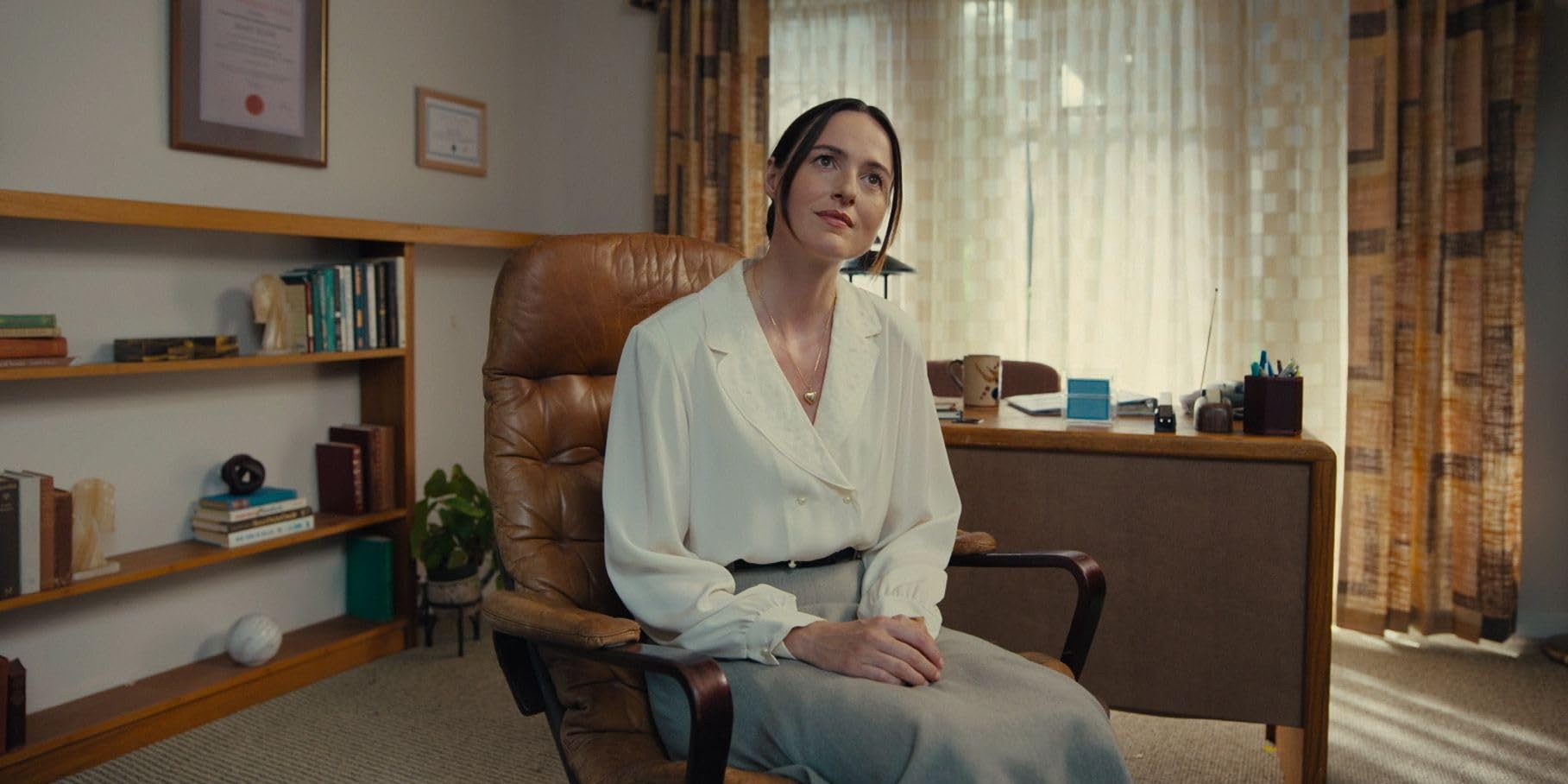
‘Backrooms’ is a sci-fi horror film that centers on Clark, a failed architect who now owns a furniture store and unexpectedly discovers a mysterious doorway hidden within the building. Beyond the entrance lies a sprawling maze of interconnected back rooms, filled with towering piles of furniture, distorted spaces, and bizarre environments that seem to stretch on endlessly, without logic or explanation. As Clark becomes increasingly obsessed with exploring the strange dimension hidden behind the doorway, he begins describing its impossible architecture and unsettling phenomena to his therapist, Mary Kline.
Eventually, Clark disappears into the labyrinth altogether, forcing Mary to venture into the expanding maze herself to locate her missing patient. However, the deeper she travels into the endlessly shifting back rooms, the more dangerous and disorienting the environment becomes. The movie marks the feature-length directorial debut of Kane Parsons and is a harrowing exploration of psychological dread and uncertainty in claustrophobic and unsettling spaces.
The Complex Story of Backrooms Originates From a Unique Internet Urban Legend
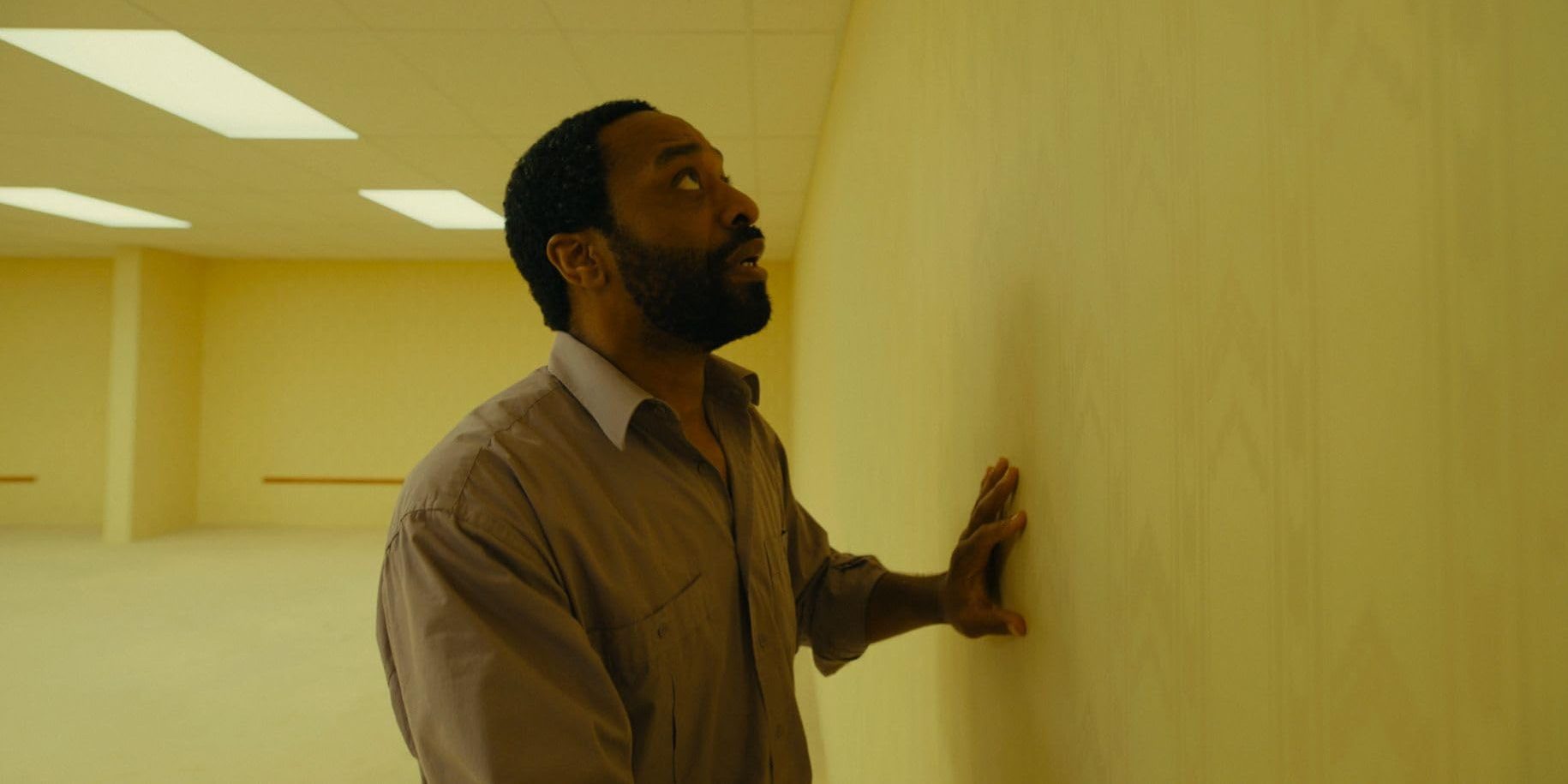
Written by Will Soodik, ‘Backrooms’ is based on the eponymous YouTube series from director Kane Parsons, as well as the internet phenomenon and creepypasta stories of the same name. The film, like the YouTube series and the internet stories, traces its origins to a strange corner of the online world. The liminal concept first gained attention after a photograph of an empty, yellowish room circulated online for years, starting in 2011 and eventually evolved into an urban legend. The image, depicting a confusing maze of fluorescent-lit spaces with stained carpets and endless hallways, sparked speculation and allowed internet users to come up with their own explanations due to its deeply unnatural feel. In 2019, an anonymous user on “4chan” enhanced the image’s eerie atmosphere with a short paragraph describing a place known as the “Backrooms.”
This is a place where individuals could accidentally be knocked out of reality and become trapped in an endless maze of empty rooms. The eerie description quickly gained traction with online horror communities and led to numerous stories about what all this could mean and how it might scare people. The anonymous post described the Backrooms as a place filled with the endless background noise of fluorescent lights, which amplified the terror of isolation. Rather than relying on jump scares, the horror concept stemmed from the environment’s emptiness. Over time, internet users expanded the mythology through creepypastas, forum discussions, and artwork, adding new interpretations to the strange labyrinth. What made the Backrooms phenomenon particularly fascinating was its room for invention and creativity.
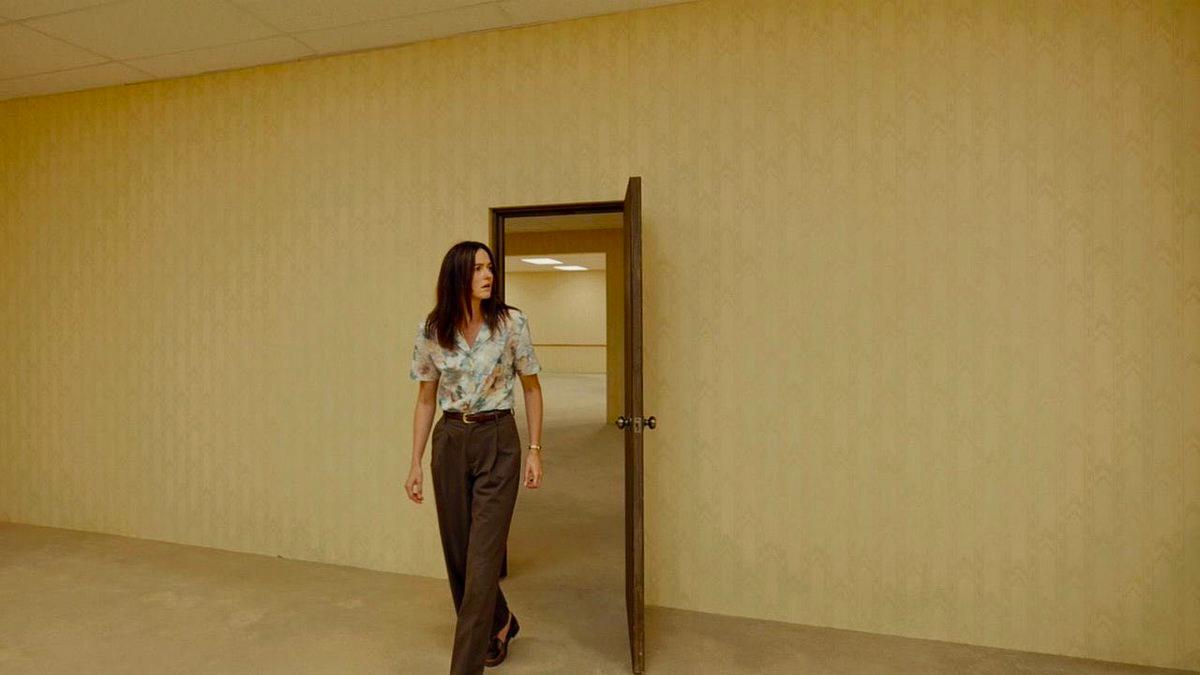
For years, internet users unsuccessfully attempted to trace the source of the unsettling photograph, which only intensified the myth. Eventually, in 2024, online investigators discovered that the image originated from a HobbyTown store in Oshkosh, Wisconsin, photographed during renovations in the early 2000s. The revelation grounds the Backrooms in reality because a completely ordinary location serves as the foundation for a viral myth. The growing popularity of the Backrooms also reflects modern anxieties about artificial environments and the sense of isolation people feel in strange spaces. The narrative explores the concepts of labyrinths and inescapable worlds while also capturing human dread in equal measure.
Kane Parsons Turned a Viral Internet Myth Into a Feature Film Phenomenon
The leap from internet conversations to a major film project is largely due to filmmaker Kane Parsons and his relentless efforts. In January 2022, the then-16-year-old creator uploaded a found-footage horror short titled “The Backrooms” to YouTube under the name Kane Pixels. Using visual effects software such as Blender, Parsons crafted an immersive depiction of the Backrooms that captured the unsettling atmosphere of the original internet legend. The short film followed a cameraman wandering through an endless maze while attempting to evade unseen creatures. The video quickly gained millions of views and maintained the Backrooms mythology’s relevance. Parsons later expanded the concept into a larger web series involving strange and unsettling elements.
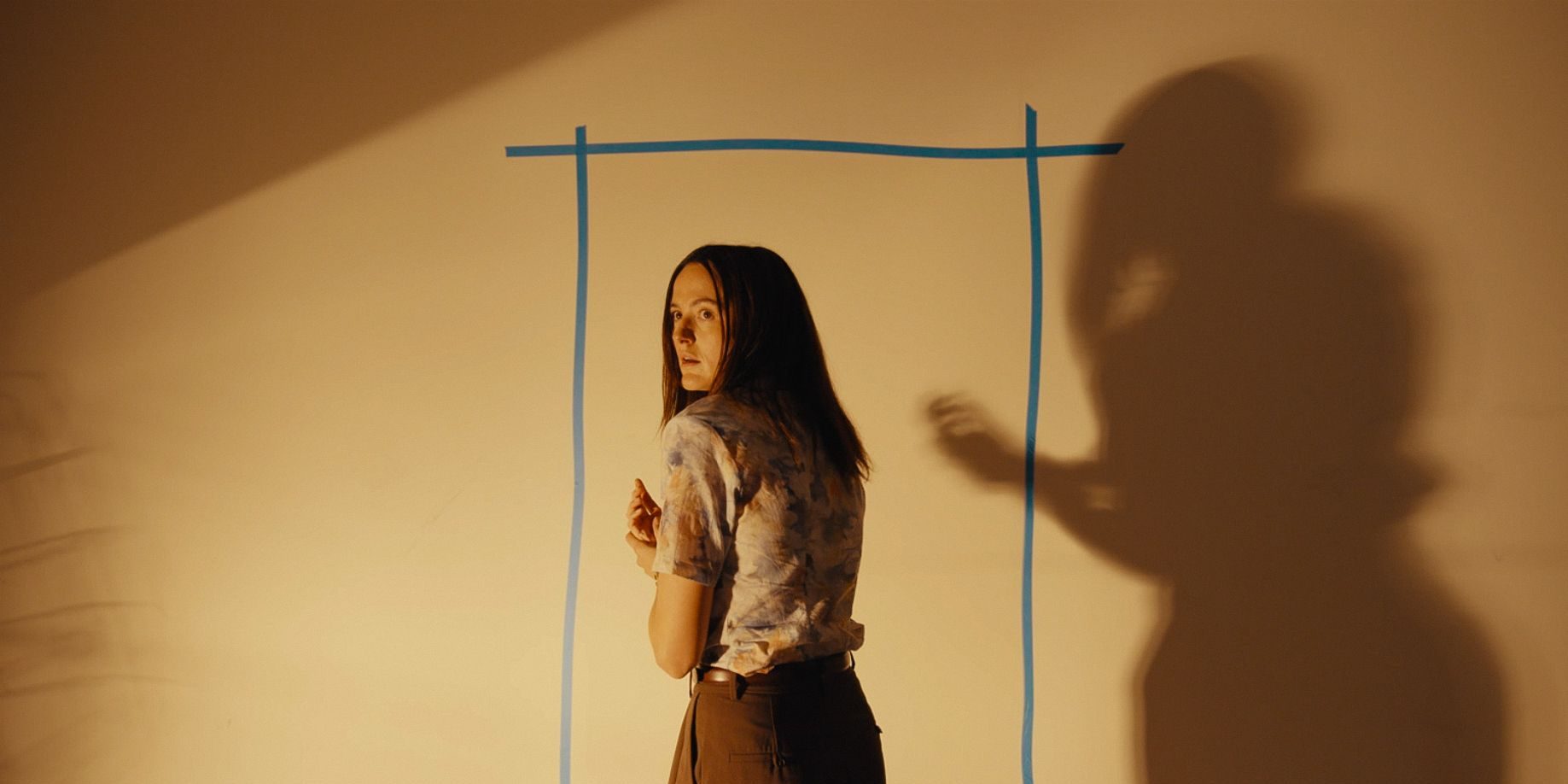
His interpretation of the Backrooms concept caught the attention of A24, which eventually greenlit the feature adaptation. In an interview with Collider, Parsons spoke about how the works of legendary filmmaker David Lynch inspired him. He said, “Oz (Perkins) dragged me to the theater, and we watched Eraserhead, which was a great time, when I first got there, as a sort of palate cleanser for getting into Backrooms. So, I can say that much.” The director added, “It was the zigzag carpet. It was the Twin Peaks sort of… I don’t know what it’s referred to directly as, but the dreamscape sort of environment.” Speaking to Fangoria, Renate Reinsve, who essays Mary in the film, expressed her views on the Backrooms phenomenon and said, “I was very curious about why it became so big, what drew people in. Seeing that footage and those films, I felt very alone because that was the feeling that I got in itself.”
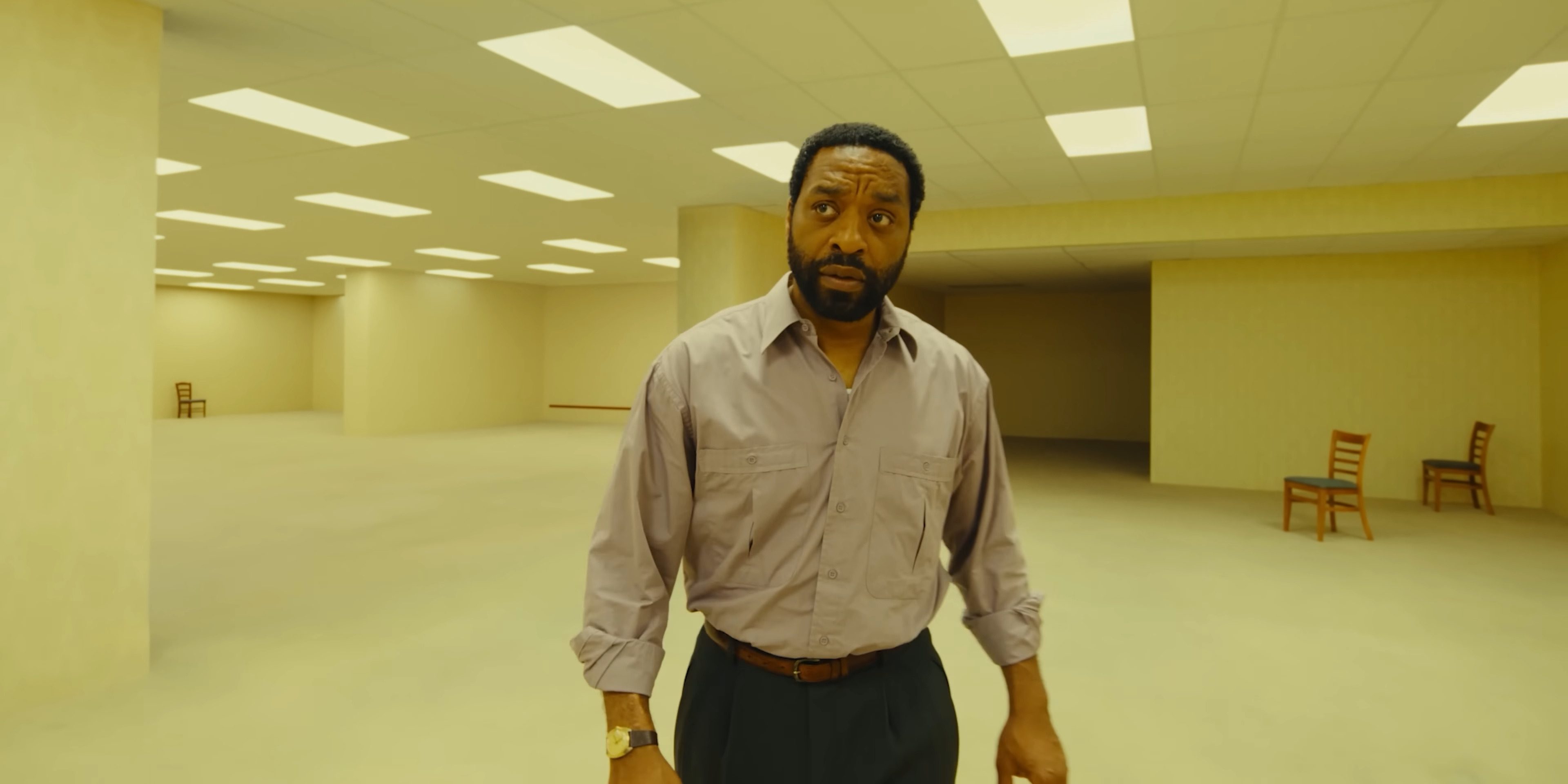
In a conversation with James Wan on an A24 Podcast, Kane Parsons delved into the film’s origins. He said, “But basically, there was an image posted of an off-yellow sort of dingy … It was unclear if it was an office space or the back of a furniture store or what.” The filmmaker added that if one falls out of reality in the wrong places, you enter the Backrooms, a seemingly infinite, procedurally generated maze of unsettling environments where you remain perpetually trapped. The director’s creative vision adds to the movie’s authenticity while also making it scarier, more unsettling, and immersive.
Backrooms Intricately Explores Isolation, Anxiety, and Uncertainty
At its core, ‘Backrooms’ is more than a simple horror film filled with mysterious corridors and hidden entities. The narrative delves into deeply human fears connected to loneliness, uncertainty, and disconnection from reality. The endless maze becomes symbolic of emotional confusion and psychological instability, particularly as Clark grows increasingly obsessed with understanding the impossible architecture surrounding him. His obsession with the Backrooms gradually isolates him from ordinary life and pushes him toward emotional collapse, while Mary’s journey into the strange dimension becomes a symbol of anxiety and helplessness. One of the most fascinating aspects of the narrative is how it engages viewers.
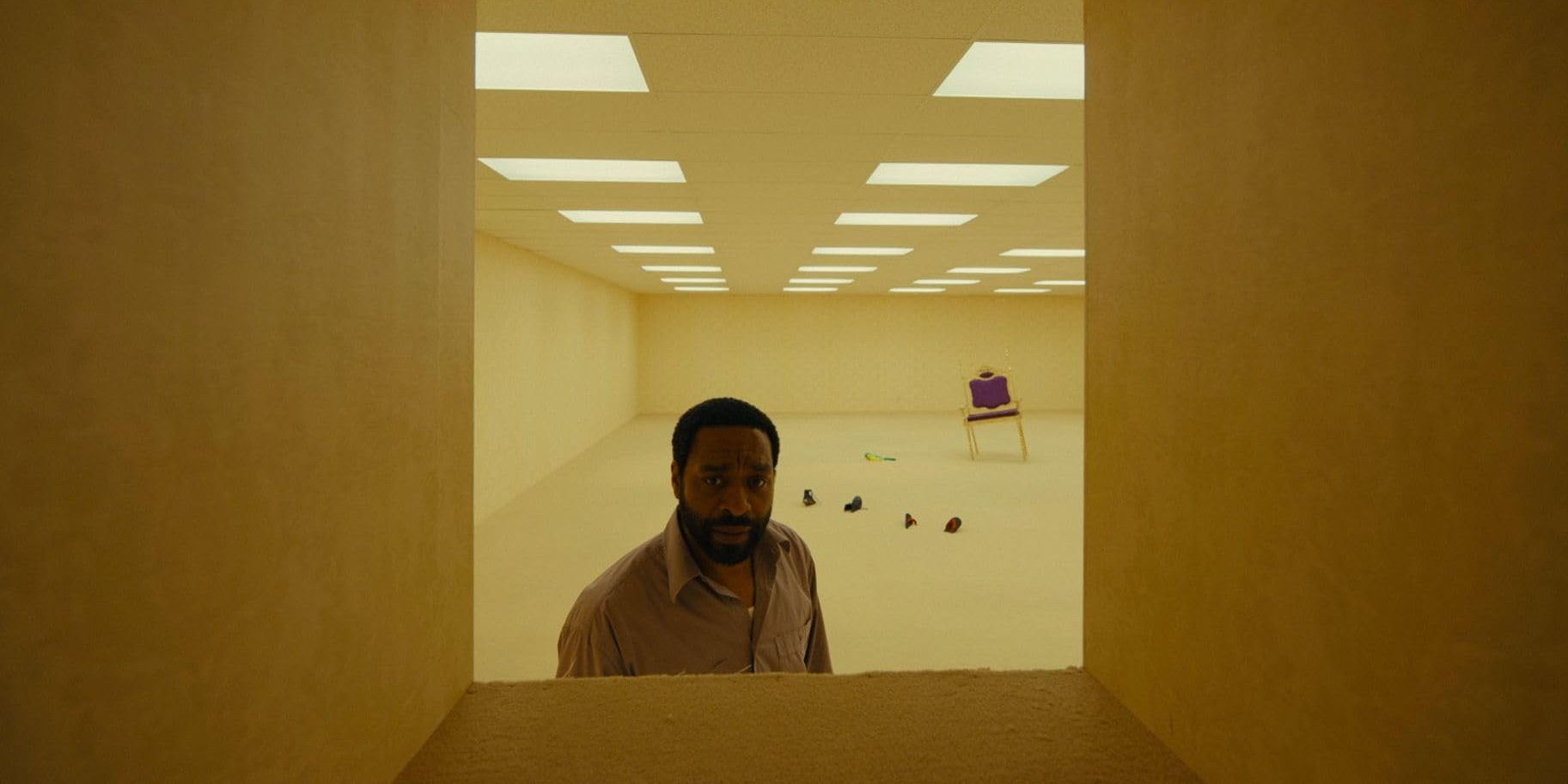
It lets the audience experience the mystery of the world, while also asking questions about loneliness and the fear of the unknown in life. Parsons told Letterboxd that the cult game Portal is his strongest influence, noting that its inherent absurdity and humor often inform his bleakest creative choices. The film is not a caricature of anxiety or dread, and it dives deep into the minds of the individuals who populate the screen. Since one of the main characters in the movie is a mental health professional, the theme of mental well-being is closely tied to the story.
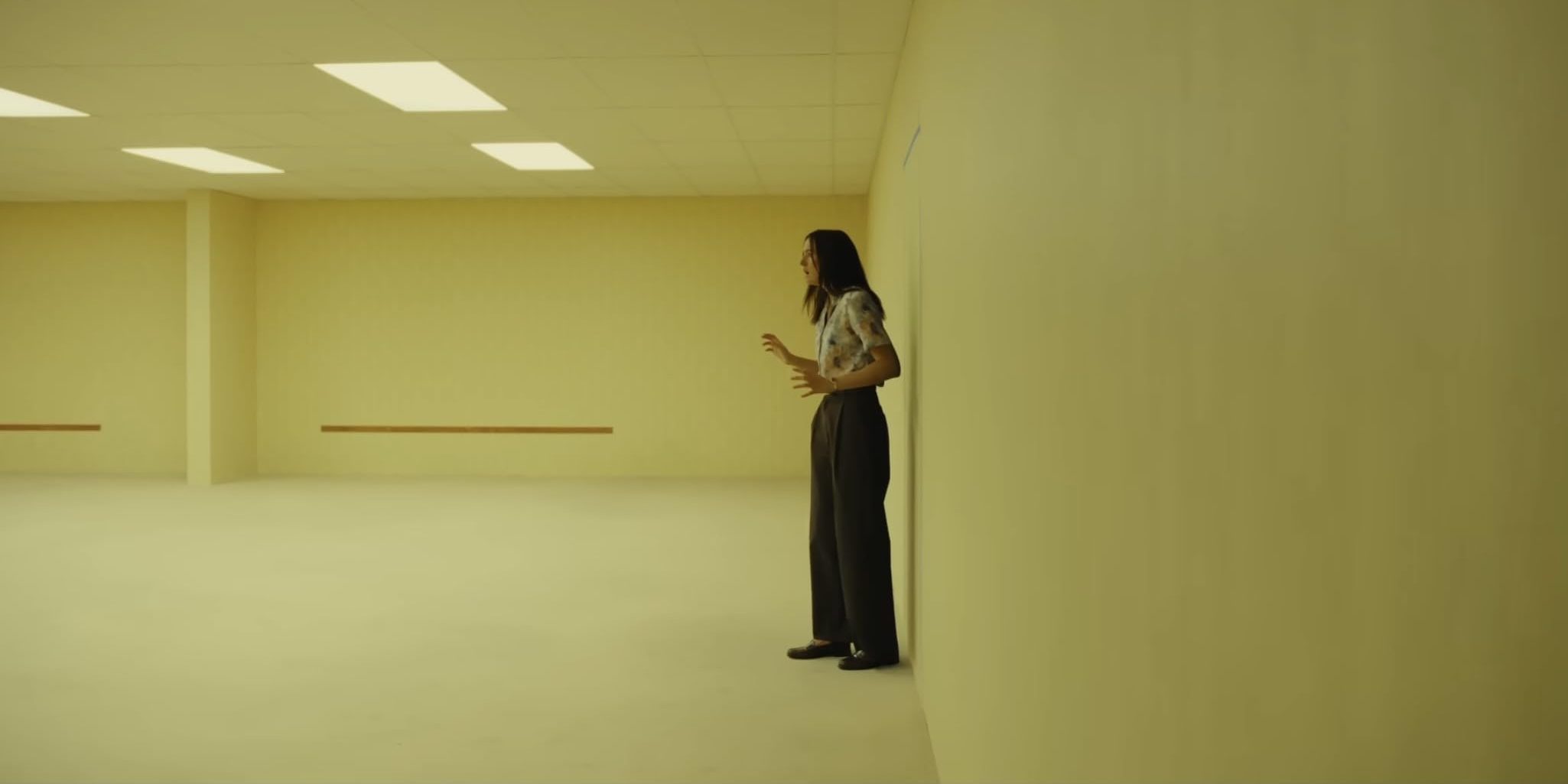
Through Mary’s character arc, the narrative not only highlights the importance of psychological elements but also positions her to “save” her patient, Clark, before he gets into deeper trouble. Ultimately, ‘Backrooms’ is a symbol of fear, trauma, and uncertainty inspired by stories originating on the internet. While the movie is fictional, the world it constructs and the characters it portrays represent a complex web of human emotions born of a unique social phenomenon.
Read More: Is Lord of the Flies Based on a True Story?


You must be logged in to post a comment.