
 Diksha Sundriyal
In Netflix’s survival drama series, ‘Lord of the Flies,’ a group of young boys is stranded on an unnamed island following a plane crash. With no adults in sight, the boys not only have to find food and shelter but also ensure that a serious effort is made towards rescue. A boy named Ralph is made chief, and for a while, things go well under his leadership. But eventually, conflict creeps in, divides the boys, and leads them on vicious paths that change them forever. Developed and written by Jack Thorne, the four-part series paints a haunting picture of the loss of innocence and the cruel nature of mankind. It raises questions about what it truly means to live in a society not governed by rules, and if things would actually go down the way they did with Ralph and the boys. SPOILERS AHEAD.
The Fictional Premise of Lord of the Flies Was Inspired by a Popular Children’s Book
‘Lord of the Flies’ is an adaptation of William Golding’s 1954 novel of the same name. The author, who started out as a philosophy teacher, had endured the horrors of the First and Second World Wars. He had witnessed the cruel things men can do to one another firsthand, and even after the end of the wars, there seemed to be no end to the conflicts that kept getting worse. With the Cold War simmering between two nuclear-armed powers, Golding pondered on man’s leanings towards power and violence. In that context, books like ‘The Coral Island’ by R. M. Ballantyne didn’t seem very realistic to him. The 1857 novel follows three young boys stranded on an island and their many adventures there.
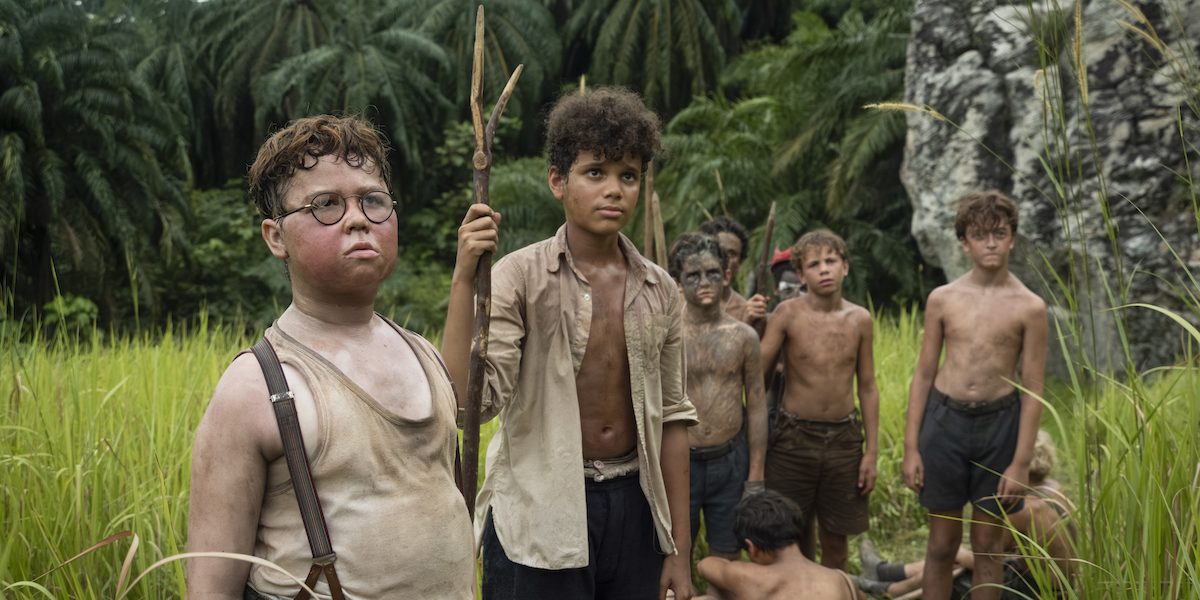
Ballantyne’s novel tended to focus on the goodness of children and their religion, through which they improved the island. Golding found it highly unrealistic and wondered what it would be like to focus on a story that explores the true nature of children in an unfiltered way. Being a teacher also gave him keen insight into his students’ psyches. He stretched this knowledge to its limits as he explored human nature through the story of the boys who have no one to answer to. He explained that the core idea was to explore the changes the boys go through, from losing their innocence to the tragic realization of what has been lost. Childhood innocence initially offers hope, but the ignorance of how far they could fall is what eventually hits them.
The boys are unaware of “what beasts there are in the human psyche which have to be curbed.” Because they are too young to understand that, they are not able to put in place restraints that prevent them from going down that road. This eventually leads to the chaos and violence they inflict on each other. This is also why the author ended the story with a rescue. He needed the survivors, particularly Ralph, to have time to reflect on what had happened and what they had lost in the process. He added that the novel was also a reflection of how one individual’s flaws impact society as a whole. By the end, he wanted the audience to know that this wasn’t just a story about boys, but about “the distresses and wickedness of humanity.”
The Show’s Creators Focused on Presenting the Complexity of Childhood
By the time Jack Thorne began adapting William Golding’s novel for the screen, he had undergone a significant change in perspective. The writer revealed that when he’d read the book as a young reader, he’d seen Jack as a villain, and there seemed to be a clear line between good and evil. However, over the years, he earned perspective that allowed him to see the complexity of each character, particularly the villains, and this is what he wanted to present to the audience as well. For him, Golding’s novel is a “remarkably tender portrait” of the boys who find themselves in a seemingly impossible situation. The ‘Adolescence‘ co-creator also wanted to explore the fragility of boyhood and to understand how cruelty can stem from things that spiral out of one’s control.
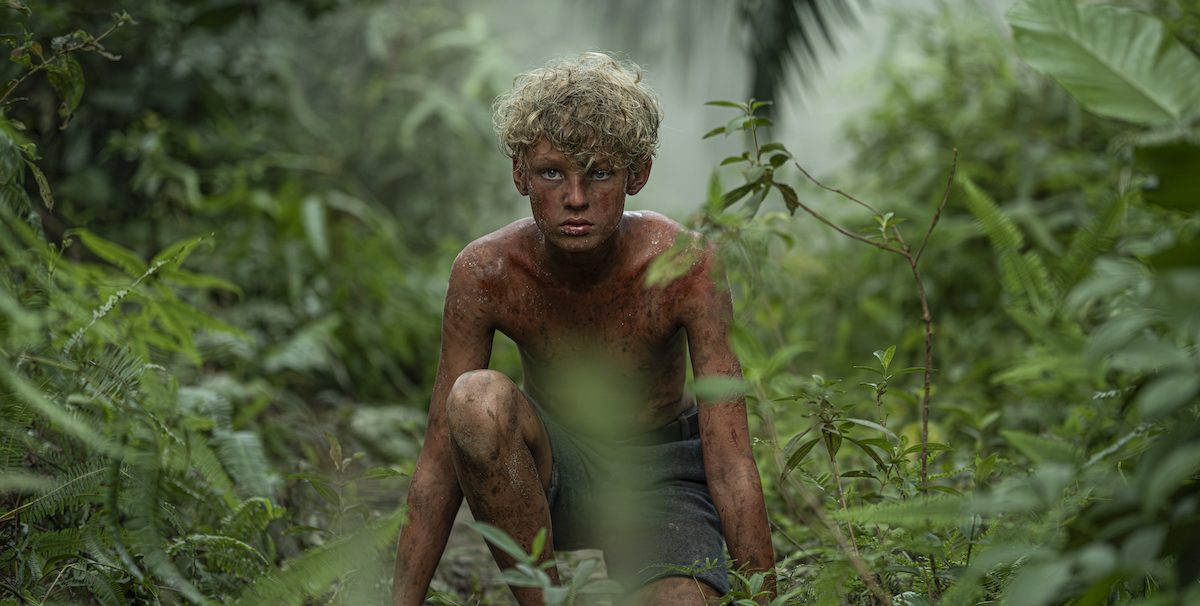
Director Marc Munden echoed his sentiments, saying: “The world’s still full of those confused little boys creating chaos in the world in the guise of men, and hopefully this is a little microcosm of that which helps us understand that.” At the end of the day, the show’s creators wish to spark a conversation through the show. They hope it allows kids to come forward and talk to their parents about what they are going through, especially if they see themselves or someone else reflected in the story’s characters. Thorne added that the show should also be an opportunity for adults to revisit the story and “stop our own cruelty from emerging” in this constantly changing, uncertain world.
Read More: Best Survival Shows on Netflix


You must be logged in to post a comment.