
 Abhiroop Das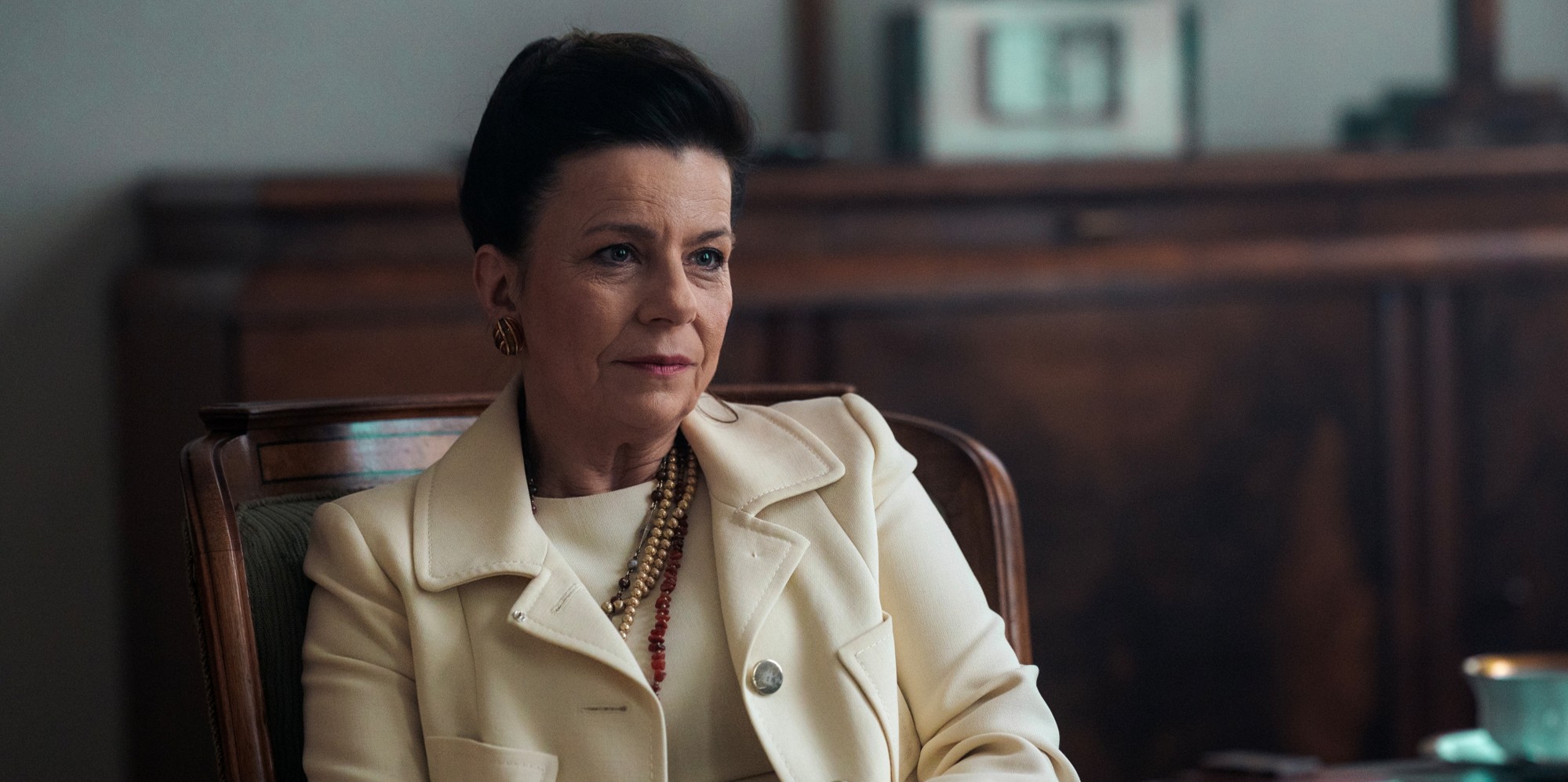
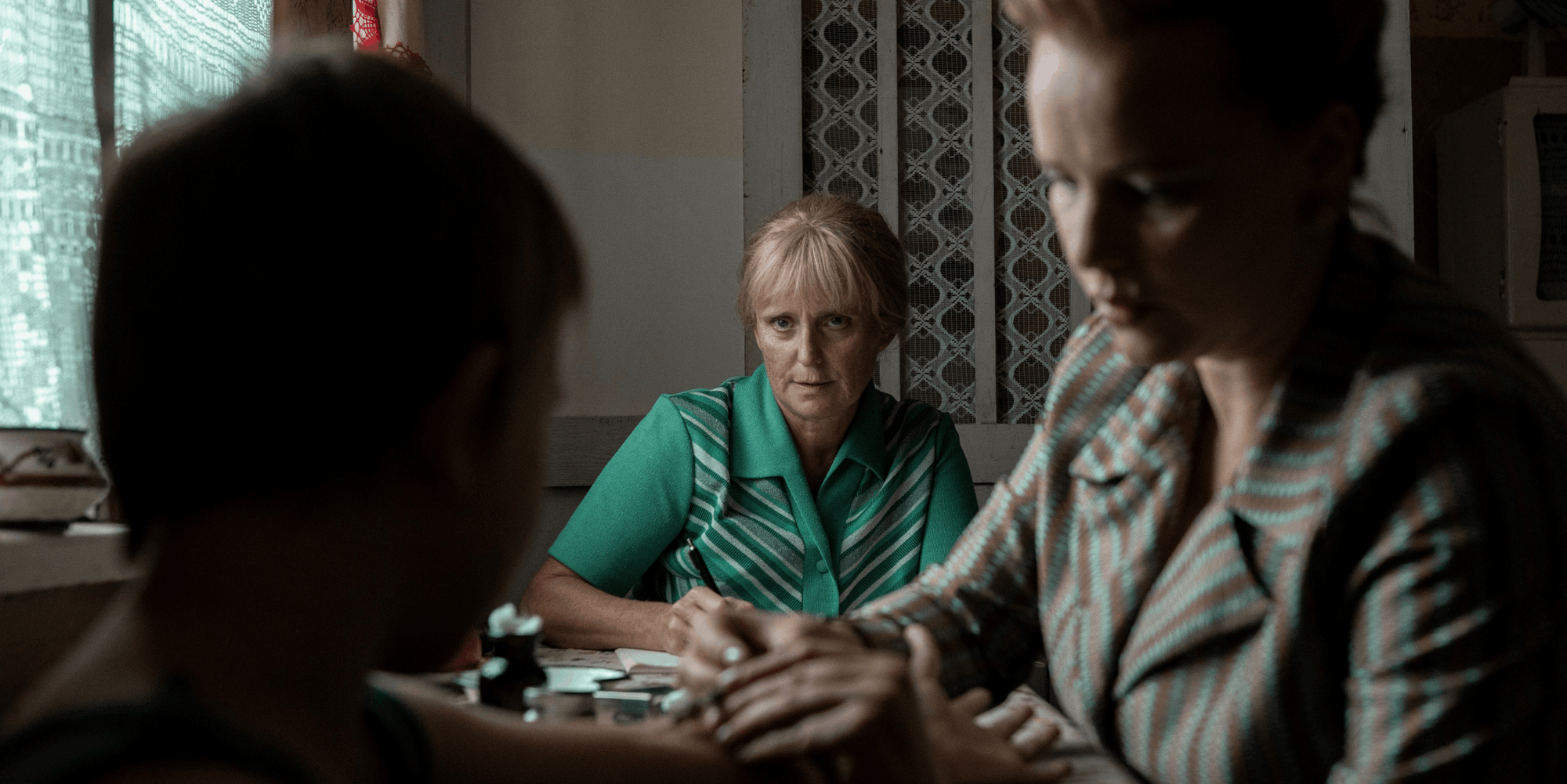
Directed by Maciej Pieprzyca and based on true events, Netflix’s ‘Lead Children’ or ‘Olowiane Dzieci’ follows the slow unfolding of a mass lead poisoning incident, with only a handful of people understanding the true extent of what has transpired. While the Polish drama series is largely conveyed through the perspective of Dr. Jolanta Wadowska-Król, a pediatrician working in the industrial town of Szopienice, a chunk of the story is also told through the lens of Jolanta’s mentor, Bożena Maria Hager-Małecka. As the two slowly unravel the layers of conspiracy and authoritarian cover-ups, they realize that the only way to save lives before it’s too late is by taking a stand, even when everyone else is in opposition. Thus, the show is as much a recounting of Jolanta’s heroism as it is Bożena’s. SPOILERS AHEAD.
Bożena Maria Hager-Małecka Was a Real Doctor and Politician in Poland
The character of Professor Hager-Małecka is a reimagined version of Bożena Maria Hager-Małecka, who was Jolanta’s mentor in real life. Born on August 23, 1921, to Bronisław Hager and Stanisława Ludmiła, Bożena followed in the footsteps of her father, a doctor, by studying medicine at Jagiellonian University. At that time, she was also working as a clerk in the city of Kraków, and often had to take lessons in secret. After receiving her degree on March 10, 1949, she interned at the Social Insurance Hospital in Krakow before starting as an assistant at the Children’s Hospital in Zabrze. By 1951, she was a specialist in pediatric therapy and had been awarded the degree of Doctor of Medical Sciences. Working at the Silesian Academy of Medicine in Zabrze, she quickly climbed the ranks, becoming an associate professor by 1969.
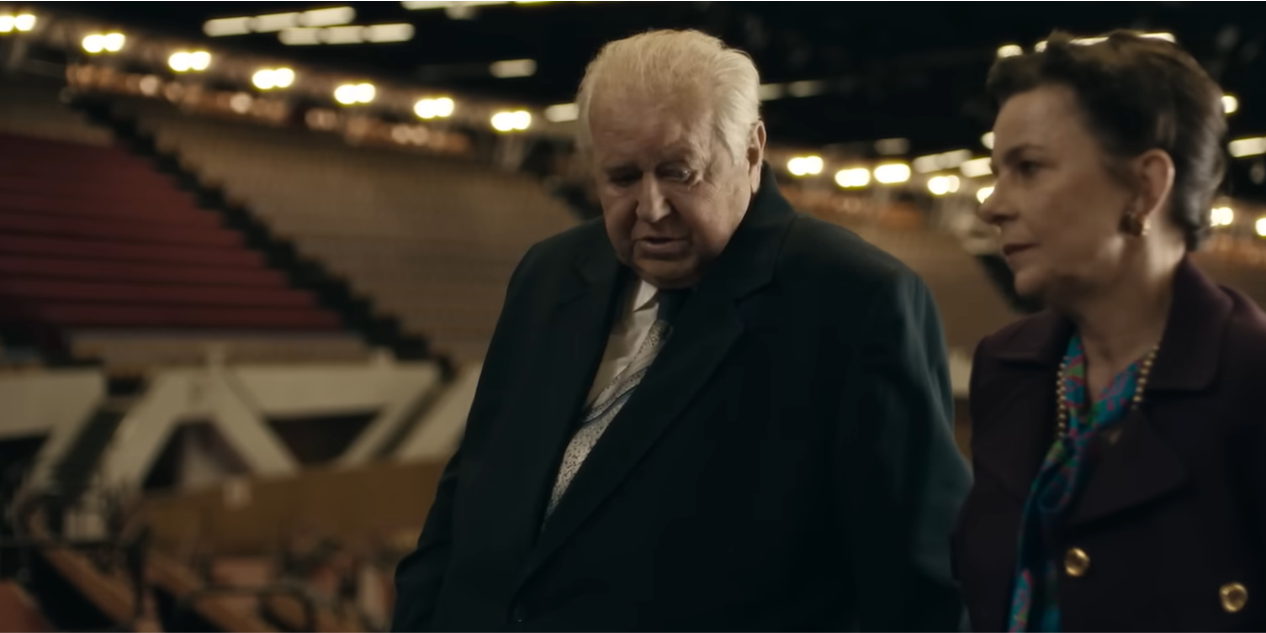
It was a year or two into Bożena’s time as an associate professor that her paths crossed with Jolanta Wadowska-Król. In 1974, Jolanta, who was by then working as a pediatrician in Szopienice, notified Bożena about a child patient with possible mucopolysaccharidosis, which is a metabolic disorder. Reportedly, Bożena’s subsequent tests revealed that the child was suffering from severe lead poisoning, also known as saturnism. This single case then gave way to many, prompting both Jolanta and Bożena to consider the possibility of lead contamination in the neighborhoods near the smelter industries of Katowice. While a deeper examination of Szopienice’s mass-lead poisoning crisis was led by Jolanta, Bożena was also integral to the examination and documentation of the incident.
Bożena Helped Jolanta Raise Awareness About Szopienice’s Plight
In ‘Lead Children,’ one of the shocking developments is centered around Bożena’s rejection of Jolanta’s doctoral thesis, the very text she proofread and approved in earlier episodes. Although the show presents an in-narrative reason for Bożena’s actions, this entire incident is completely fictional in nature. In reality, Bożena was not a part of the research committee supervising Jolanta’s work. In fact, reports indicate that Jolanta was not even allowed to defend her thesis in the first place, making the entire exchange with Bożena a show-only feature, meant to add some dramatic effect. The real-life Jolanta and Bożena worked closely and tirelessly to make the struggles of lead poisoning-affected families known.
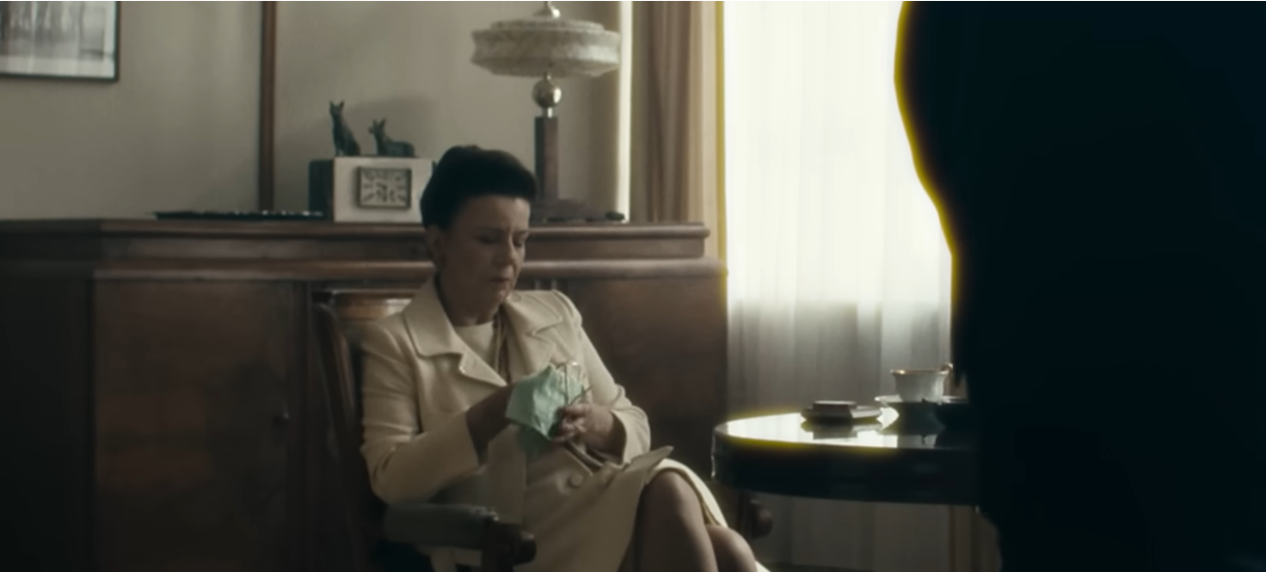
Faced with mounting public pressure, authorities ultimately decided to demolish several highly contaminated zones around smelter factories in 1975. Following this, Bożena continued working as an associate professor at the university and rose to the rank of full professor a year later, in October 1976. That same year, Bożena also made her grand entry into politics, joining the governing body, or Sejm, of the Polish People’s Republic. She continued to be a presence at the Sejm till 1989, serving as a deputy across three terms.
Related

Bożena Passed Away in 2016 And is Remembered as a Pioneer
As a doctor, Bożena was among the most influential figures in Polish history, pioneering many methods that were considered radical at that time. She was reportedly the first doctor to use immunoelectrophoresis as a form of treatment in Poland. Notably, she was also the first Polish researcher to dive into the impact of atmospheric air pollution on health. Her work in the field of medicine and ecology was famous both in her medical and political careers, and helped usher in several positive changes to the system over the years, until her retirement in 2011.
Five years after her retirement and at the age of 94, Bożena died on February 9, 2016. Her funeral was held at the Church of St. John the Baptist on February 12 in Zabrze. Following this, she was buried in the cemetery at the Church of St. Anne in Zabrze. Throughout her life, Bożena dedicated herself to medicine and doing good, especially when it meant raising her voice for those who need it the most. Today, she is celebrated as one of Silesia’s most important doctors, who revolutionized health and environmental consciousness at the national level.


You must be logged in to post a comment.