
 Abhiroop Das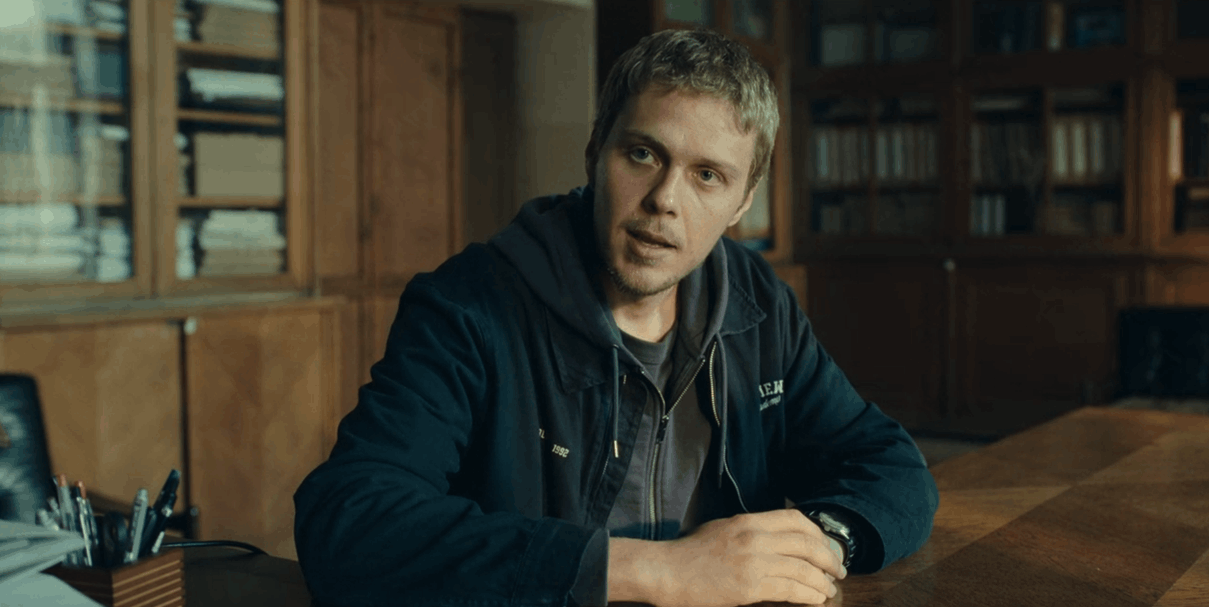
Helmed by Adrian Panek, Netflix’s ‘Colors of Evil: Black,’ originally titled ‘Kolory zla: Czern,’ expands on the world introduced in ‘Colors of Evil: Red.’ This time, the story is set in Trulocz, a remote town with a well-knit network of people who seem to be hiding a secret. Enter Prosecutor Leopold Bilski, who has newly arrived in the town and is immediately confronted with the disappearance of Adam Poznanski two years ago.
Another boy named Piotrus soon goes missing, and fearing that a similarly grim fate awaits him, Bilski races against time to get to the root of the truth. Meanwhile, Piotrus’ mother, Julia, must confront her own past as she searches for her son. Based on Małgorzata Oliwia Sobczak’s eponymous novel, this Polish-language crime thriller movie shifts from an investigation into a missing-person case to a broader exploration of the darkest corners of the human mind lurking beneath the facade of piousness. SPOILERS AHEAD.
Colors of Evil Black Plot Synopsis
‘Colors of Evil: Black’ begins with a child being guided into an ominous-looking black vehicle by an unknown man; afterward, we see them in the woods, with the child lying motionless as the man severs his head. Years later, we are reunited with Leopold Bilski, who has been transferred to the remote town of Trulocz since the events of the first movie. Bored to death in a town where seemingly nothing happens, Bilski tries to look through old cases and finds one that catches his attention. While there are mentions of a child named Adam Poznanski who went missing two years ago, the actual case file is nowhere to be found. When Bilski asks his superiors for details, he learns that the mother apparently retracted her complaint after a few days, claiming her son was at his cousin’s.
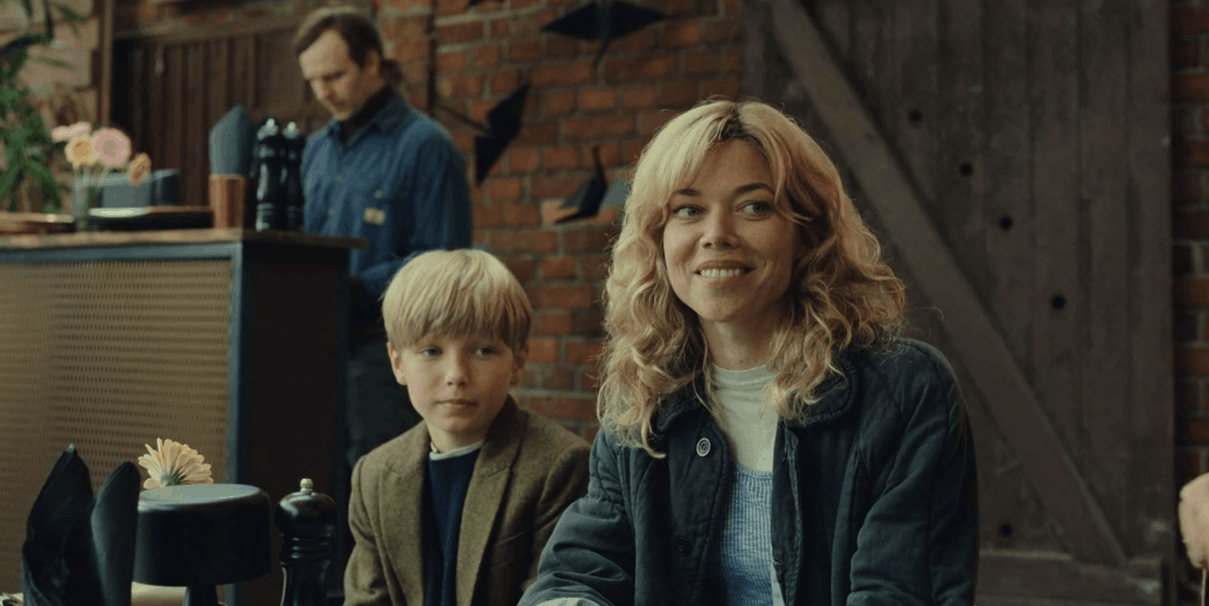
Though no one seems interested in pursuing the case further, Bilski grows curious about why the mother has seemingly never contacted her son since. At the same time, he befriends a writer named Julia Sarman, who’s recently moved in with her son, Piotrus, and seems to have a past hidden in this village. Before things can get any further, however, Piotrus is kidnapped in broad daylight, and Bilski immediately gets into action. While other officers, most notably Prosecutor Adamczyk, chase dead ends, Bilski grows suspicious of the town’s church, especially when Julia recalls witnessing child abuse there several decades ago. Trulocz happens to be the only town in the region with absolutely no history of child sexual abuse, which makes it clear that there has been a giant cover-up.
Before long, Bilski identifies the town’s wealthiest family, the Chojnackis, as closely working with the church in the sexual abuse of the choir children, many of whom have become adults. Eventually, Julia remembers that she, too, was abused by Chojnacki as a child, but had suppressed the memories of it. However, with Chojnacki Sr. having been dead for two years, the disappearance of Piotrus cannot be connected to him. Though Bilski tries to chase every link that he can find, the killer’s identity remains elusive as ever. That is, until he stumbles upon the folk legend of Łopi, which is the local name for vampires who seemingly target children. Upon learning about the finer details of this legend, Bilski realizes that he has already seen the kidnapper before, and now it’s about catching him before he commits the murder.
Colors of Evil Black Ending: Who is the Killer? Who Kidnapped Piotrus?
At the end of ‘Colors of Evil: Black,’ the child kidnapper and killer, revealed to be Basia’s son, Nicki, is stopped right before he can murder Piotrus. Though the movie leads us to invest in many red herrings, such as characters like Michal and Patryk, the real culprit turns out to be someone hidden in plain sight. The key to solving the mystery lies in Bilski’s first scene with Julia as she discusses Piotrus’ birth with the restaurant owner. Looking back, Nicki was sitting at the same restaurant, listening intently to the conversation, and it was he who dropped his plate after hearing that Piotrus was born with his amniotic sac still intact, in a phenomenon also known as an en caul birth.
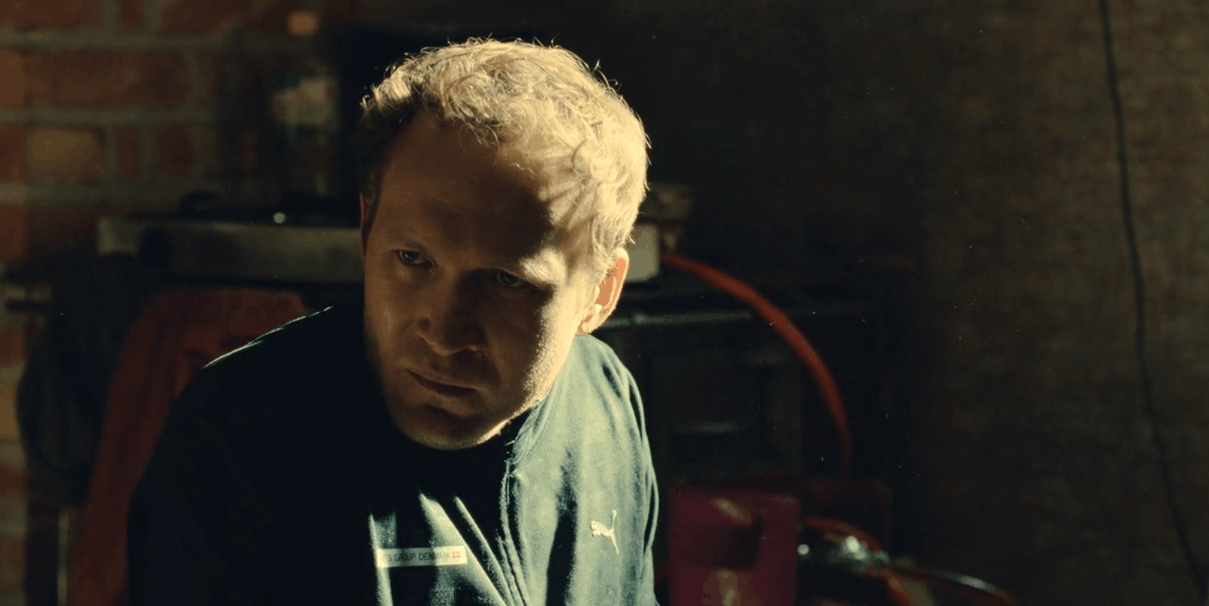
Nicki’s aggressive reaction to the information almost gets lost in the greater details, but a later revelation recontextualizes it all. Digging deeper into the vampiric myth of the Łopi, Bilski learns that en caul births are considered inauspicious in local myths, as they are interpreted as signs of a vampire being born. According to a medieval measure, the child’s head was often severed and placed between their feet, seemingly to ward off the curse and return peace. While this horrific practice has no basis in reality, it still nestles itself in Nicki’s mind in the most twisted form imaginable, giving him an external conviction to murder Piotrus, someone he deems vampiric in nature. Though Bilski is able to get to this conclusion all by himself, tracking down the mystery man still sounds like an impossible challenge.
In the end, Bilski’s breakthrough comes on two levels: the first is remembering that the man came to the carnival with his dog. After accessing the carnival’s guest list off-screen, Bilski is likely able to single out the man by cross-referencing his offender’s profile. Luckily, the police unit arrives at Nicki’s isolated house mere minutes before he goes through with his sacrificial ritual, and Bilski saves the day by shooting the man in the arm before he can get to Piotrus. In the end, the little child is reunited with Julia, and a big chapter of criminal activity in this town is at last brought to justice. It is further revealed that Nicki’s father is none other than Chojnacki Sr., who sexually abused Basia when she was a child and trapped her in a cabin with her son. As it stands, the cycle of abuse and darkness that started in the past also explains the other big murder of the story, that of Adam Poznanski.
Why Does Nicki Kill Adam Poznanski?
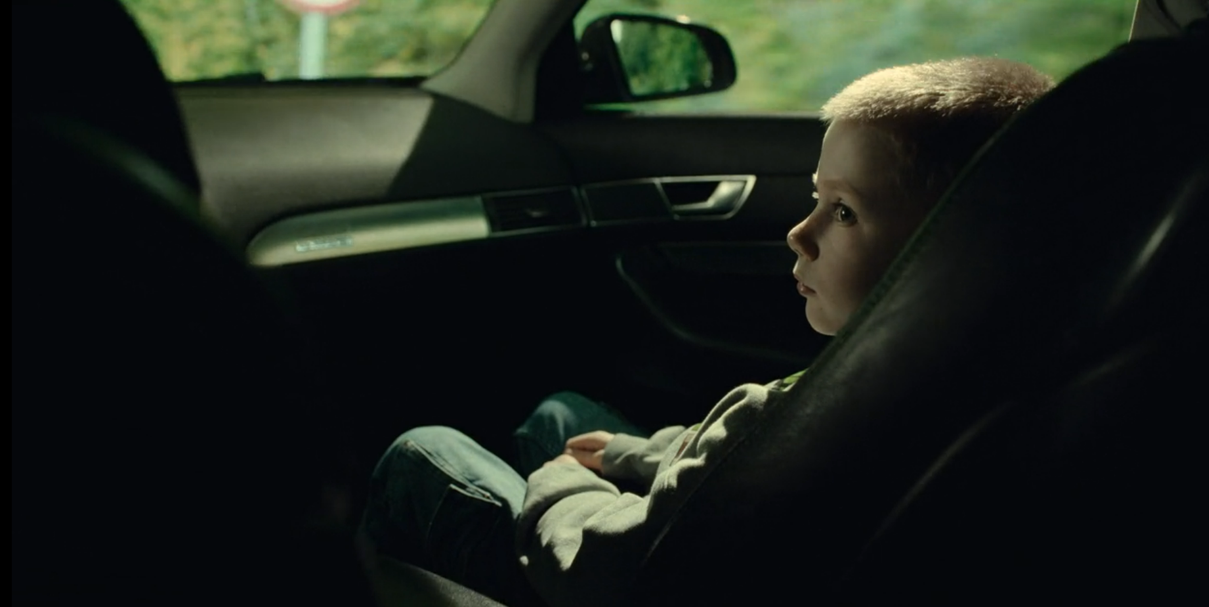
In ‘Colors of Evil: Black,’ Nicki kills Adam Poznanski not out of a ritualistic or murderous desire, but under the orders of the Chojnacki family. The scene we see at the start of the film, where Adam is led inside a car, is only one half of the full picture, as we see Nicki and one more man, presumably his half-brother, kidnapping the child with the intention of bringing him to Chojnacki Sr. However, Adam, sensing that something is amiss, opens the car door in the middle of the drive and leaps out to escape, but is ultimately caught again. Though we don’t know if Adam dies the moment he jumps out of the car, or if he is killed later, we know that it is ultimately Nicki who severs his head and dumps his body. Although we do not see his face in the film’s first sequence, his trembling hands during the act foreshadow his internal conflict.
Nicki’s traumatic past largely informs his urge to kill and adhere to the rituals regarding Łopi, as we learn that when he was a child, Chojnacki Sr. made him read books about the myths again and again. Together with his mother, Basia, Nicki was trapped in the isolated wooden cabin for quite some time, and things got to a point where Basia took her own life in front of her son, by slitting her throat. It is possible that Nicki, who is implied to have had an en caul birth, interpreted his mother’s suicide as something that was his fault. This marks the beginning of his psychological corruption, which only accelerates after he buries Adam’s body. Upon learning about Piotrus, the killer likely comes to identify with the child and intends to punish him before he can similarly harm his own mother, according to Nicki’s worldview.
Do Bilski and Julia End Up Together?
With Nicki behind bars and Piotrus safely rescued, peace seemingly returns to the town, ending the movie with Bilski showing up at Julia’s door. While the scene cuts off right before he enters, it’s implied that Bilski and Julia are now romantically involved. Though both of the characters seem to be in town only temporarily, this new turn of events is likely to bring them to reconsider what they want from the future, especially as a pair. While Julia and Piotrus are still recovering from the horrors that have unfolded in the past few days, being in Bilski’s company might be the fresh start that they need in life.
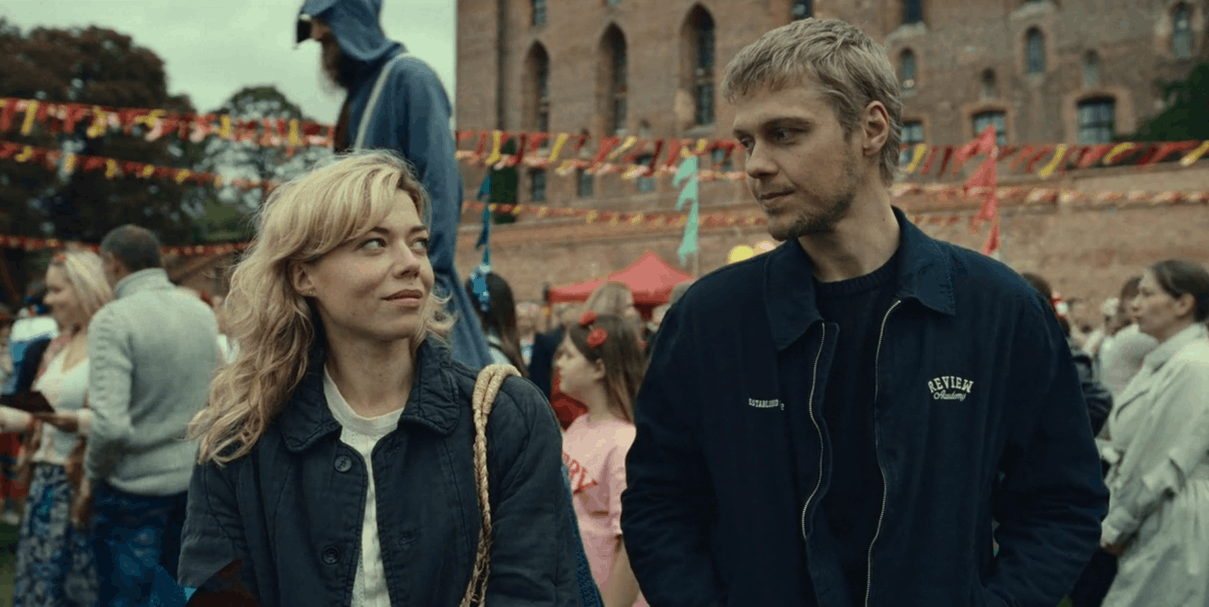
For Julia, staying in town means reconnecting with her roots and, perhaps most importantly, making peace with her past. Bilski’s arc, on the other hand, remains one of balancing his personal and professional life without sacrificing either. While his dynamic with Julia eventually becomes inextricable from the case itself, it should be remembered that they started on a much more positive note, with Julia inviting Bilski over for a swim in the lake by her house. The ending, as such, shows a sign of things slowly returning to normal, with both Bilski and Julia ready to start their relationship from scratch, hopefully away from the traumatic burdens of the past.
Was Andrzej Involved in the Cover-up? Will Chojnacki go to Prison?
While Nicki is apprehended by the police just in time, he represents only the tip of the iceberg of the larger criminal conspiracy that has ensnared this town. Towards the end of the movie, Bilski makes a rather damning observation, suggesting that Andrzej, the Chief Prosecutor himself, was involved in the cover-up, which is why the crime ran unchecked for years and even decades. However, the movie retains ambiguity as to whether Andrzej knew that his son, Michal, was one of the victims. Though Andrzej vehemently denies having any involvement in the child abuse cover-up, it’s hard to lie in front of a massive paper trail that says otherwise. Still, it is up to the courts to determine what happens to the chief, and given how corrupt the system is, there is a good chance that things go his way.
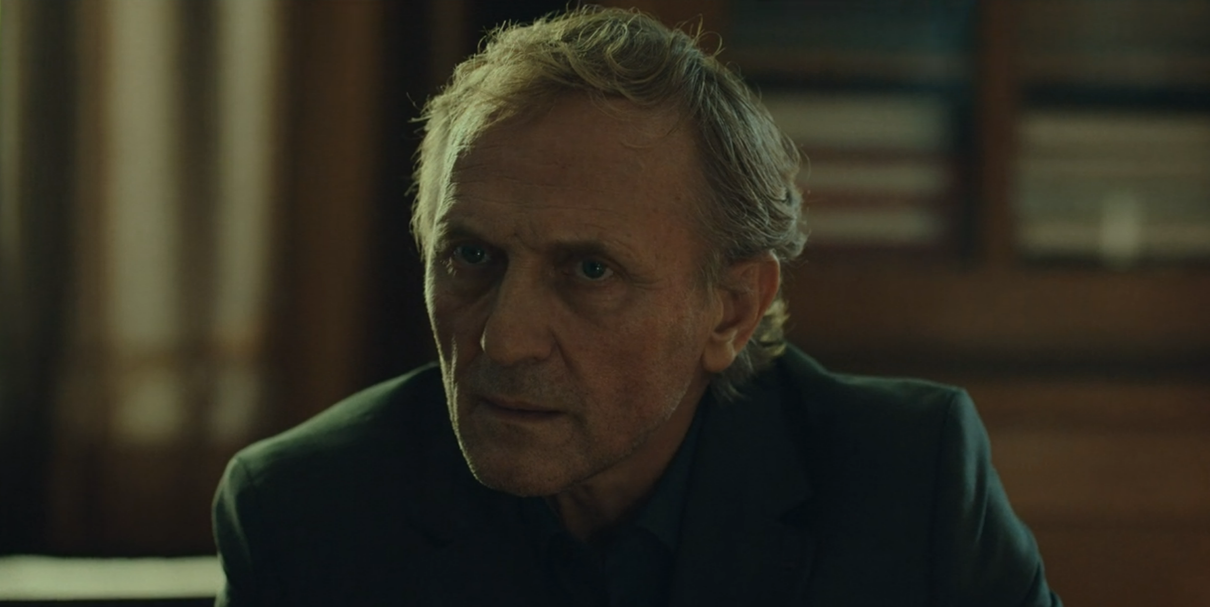
Perhaps the cruelest reveal in the ending is that the Chojnackis are most likely to walk out of this investigation scot-free, both because of their connections and because of the system they put in place to take the blame away. To begin with, the true antagonist of this story, Chojnacki Sr., is dead before the story even begins, which means that we have merely been uncovering his crimes posthumously. This also means that there is no actual evidence tying Chojnacki’s son to the crime scene, and all blame is likely to fall exclusively on Nicki’s shoulders.
While Officer Adamczyk is also likely to be held guilty for covering up the crime, Bilski cannot help but notice that the real criminals get to walk free because the entire system seems to be designed to protect them. Instead, Nicki, a victim of abuse who is pushed to the extreme, becomes the center of police attention, whereas the true progenitors of evil remain in the shadows. While Bilski may have all the answers, it does little to alleviate his sense of powerlessness.
Read More: Colors of Evil Red: Is the Netflix Show Based on an Actual Murder?


You must be logged in to post a comment.