
 Abhiroop Das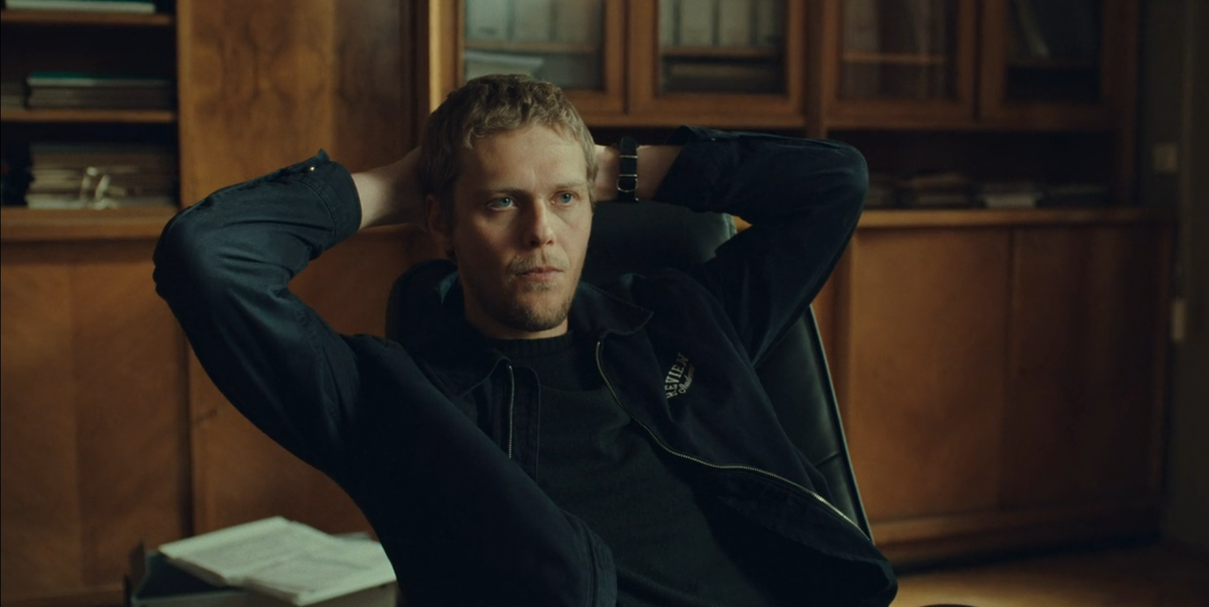
Helmed by Adrian Panek, Netflix’s Polish crime-thriller movie ‘Colors of Evil: Black‘ or ‘Kolory zla: Czern’ returns to the world first seen in ‘Colors of Evil: Red,’ this time focusing on a different shade of crime and punishment. After his startling escapades in the first movie, Prosecutor Leopold Bilski is reassigned to Trulocz, a town that seems too small and too slow to capture his attention. However, what begins as a series of discrepancies in a cold case soon takes a turn for the worse when a young boy is kidnapped during a town fair. Digging through Trulocz’s peculiar history, Bilski realizes that the town has a penchant for keeping secrets, and with a mystery spanning several generations, saving even one life can prove too difficult a challenge.
Trulocz is an Invented Towblisn Drawing From the Life of Writer Małgorzata Oliwia Sobczak
Trulocz, the main setting of ‘Colors of Evil: Black,’ is a fictional location created by writer-director Adrian Panek and based on the town described in Małgorzata Oliwia Sobczak’s eponymous novel. Unlike its on-screen counterpart, the novel features a town called Kartuzy, which is likely intended to be a dramatization of a real Polish town of the same name. While the novel’s dark events are entirely fictional, the town of Kartuzy is a quaint town in the Pomeranian Voivodeship with cultural significance in the local Kashubian region, and that becomes a foundational element in Małgorzata’s writing. In the film, however, the town of Trulocz creates an additional layer of fiction, allowing the creative team to chart the full length of the tale with as much flexibility as they want.
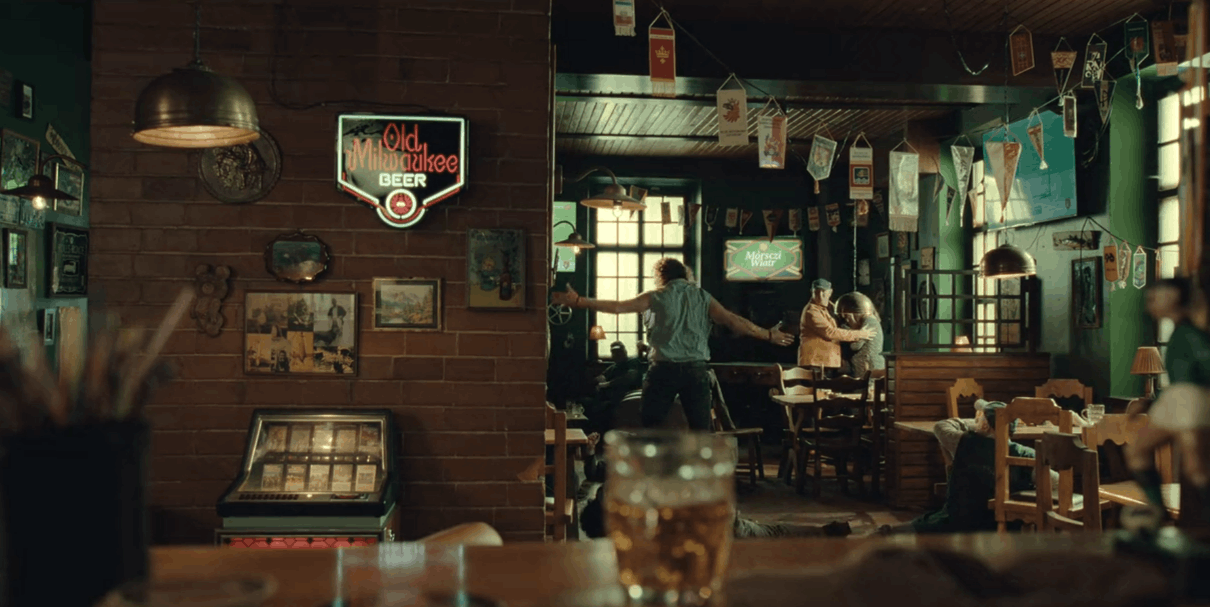
Małgorzata’s version of Kartuzy as a town in the Kashubian countryside comes in large part from her own lived experience, as has always been the case with her ‘Colors of Evil’ novel trilogy. The writer was born in Gdańsk, the capital of the Pomeranian Voivodeship, which also forms the famous Tri-City region alongside the cities of Gdynia and Sopot. In an interview with Portal Kryminalny, she described the place as one full of contradictions, which was a large reason why she chose Sopot as a base for her first entry in the trilogy, ‘Colors of Evil: Red.’ The change in scene in the second novel, by extension, reflects a transition in her own life, specifically when she moved to the suburban ends of the Tri-City, and felt rejuvenated in her imagination.
In her conversations with Portal Kryminalny, Małgorzata described the Kashubian countryside as a uniquely interconnected place that allowed her to make close connections with locals. She compared this to her time in Sopot, when she seemingly didn’t even know the people who lived next door, whereas in Kashubia, people were far more likely to recognize each other. In ‘Colors of Evil: Black,’ however, we are presented with a fictionalized environment in which the strong sense of community is flipped on its head. Małgorzata highlighted how crime can become a systemic phenomenon, where, in her own words, people “think that they are doing good, for example, by blindly believing in religious dogmas or interpreting them in their own way.”
Trulocz’s Mythology is Largely Inspired by Kashubian Legends and Anecdotes
In both the novel and its film adaptation, one thing that stands out about the Kashubian setting is how local myths, legends, and folklore are integrated into the plot. For writer Małgorzata Oliwia Sobczak, research began with communication on a local level, where she soon discovered some of the enigmatic beliefs that were once held and still are carved deep into the public consciousness. One such myth pertains to vampiric creatures known as Łopi or Wieszcz, with some beliefs claiming that the spirit of the deceased can reawaken if not for ritualistic preventive measures. One of the practices Małgorzata noted in accounts of local folklore involves the severing of the deceased person’s head, which is then placed next to the feet, seemingly to render resurrection impossible.
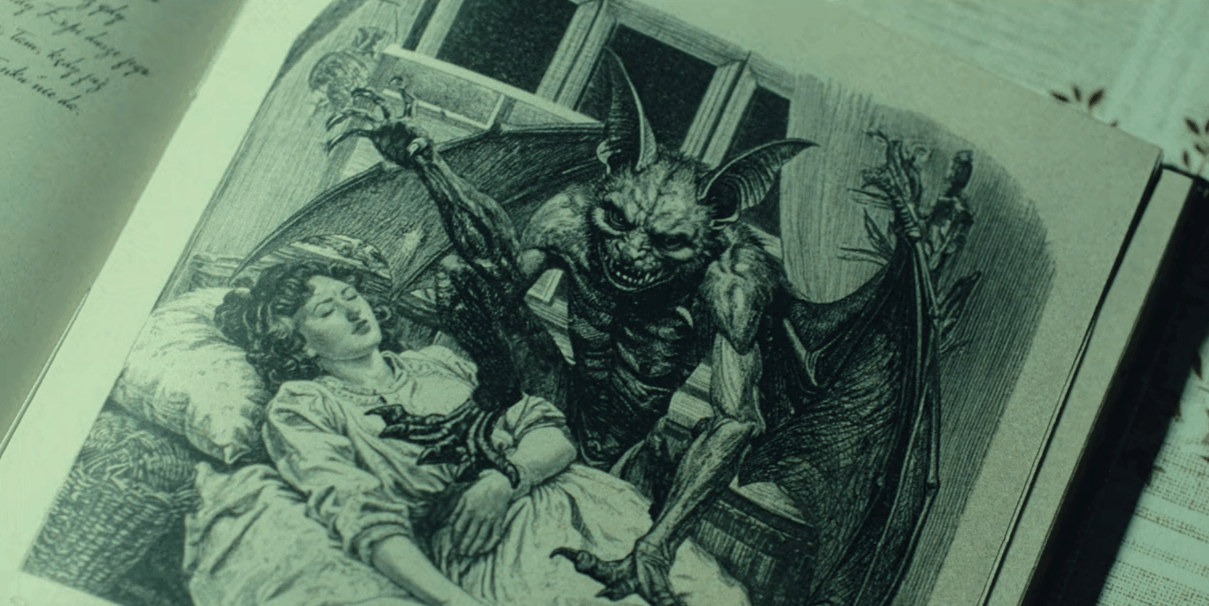
Małgorzata’s work, both in terms of the narrative and the development of her fictional setting, was heavily inspired by the anecdotes and myths that she studied during the research process. During her interview, she briefly mentioned a study that found that beliefs in Kashubian superstitions, rituals, and mythological entities were still reported in some regions in the 90s. For ‘Colors of Evil: Black,’ this information likely became the base layer for a lot of thematic developments, especially with the story supporting a large cast of characters, each bringing their own take on their hometown. While Trulocz may be a fictional construct, it finds its roots in the writing team’s lived experiences, as well as the cultural history of Kashubia.
Read More: Colors of Evil Black Ending Explained: Who is the Killer? Is Piotrus Found?


You must be logged in to post a comment.