
 Abhiroop Das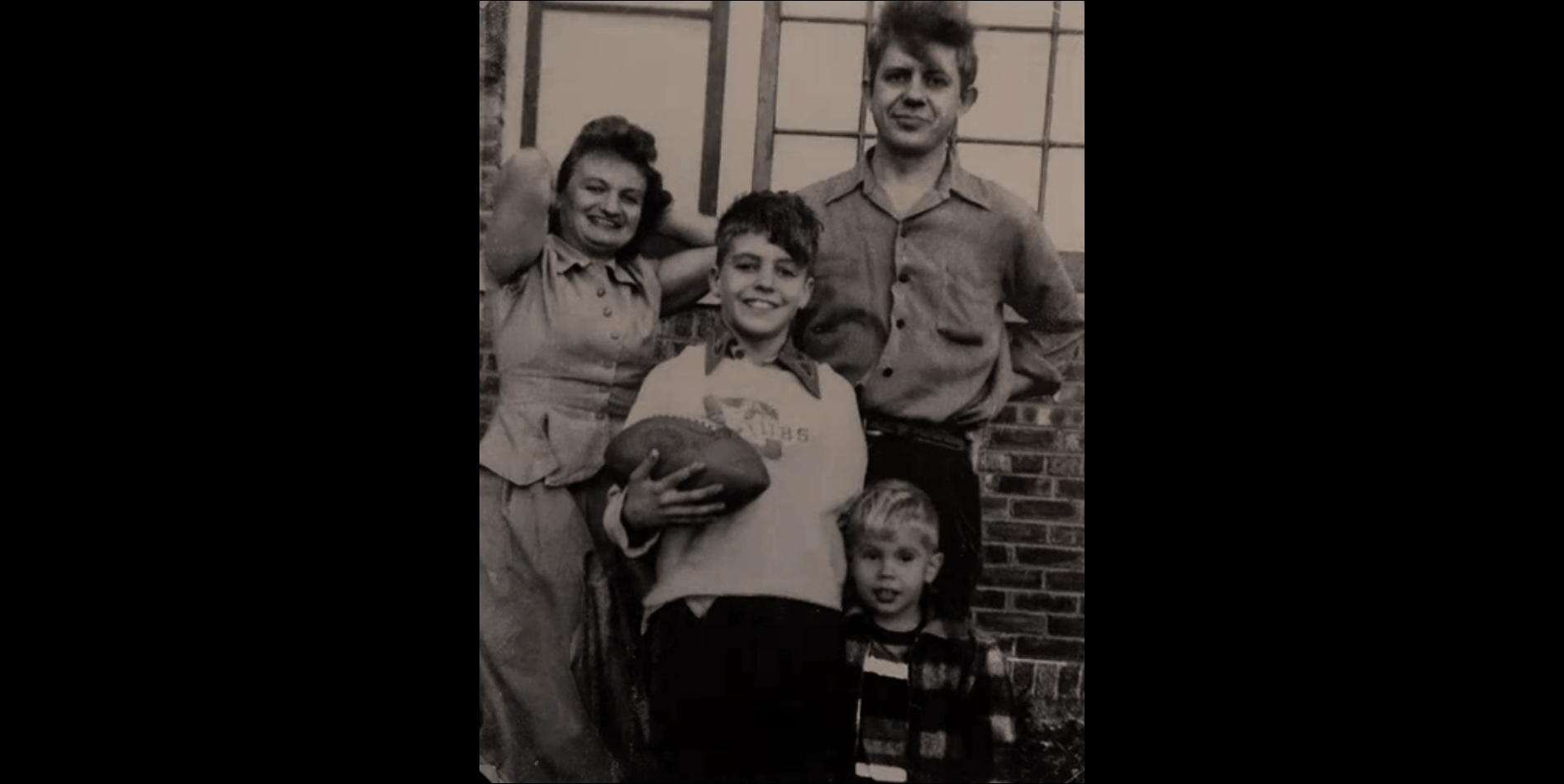
Directed by Janus Metz, Netflix’s ‘Unabomber’ presents a fictionalized version of the Unabomber, AKA Ted Kaczynski’s early life and the investigation that eventually led to his arrest. Joining the two is the Unabomber’s Manifesto, titled ‘Industrial Society and Its Future,’ which not only upturns the FBI’s profile of the killer, but also brings their biggest breakthrough when David Kaczynski and his wife Linda Patrik contact the authorities with an inkling that they might have a clue to the identity of the killer. In real life as well, David and Linda’s information played a significant role in the FBI investigation, which brought an end to the 17-year-long violence by the Unabomber.
David Kaczynski Briefly Lived in a Complete Wilderness in Texas
David Kaczynski was born on October 3, 1949, and grew up with his brother, Ted Kaczynski, who was seven years older. Going back to his earliest memories of his brother, when they lived in the Chicago area, David recalled Ted as an intelligent but somewhat isolated child whom he admired. In an interview with CNN, David talked about one fond incident from his childhood, when he was too small to reach the back-door handle. This prompted Ted to create a makeshift door handle so his brother could get inside on his own. “He was definitely big brother. I was a little brother. He was the leader. I was the follower. But in many ways, we had a pretty close bond growing up,” David later said in a conversation with Finn Conaty.
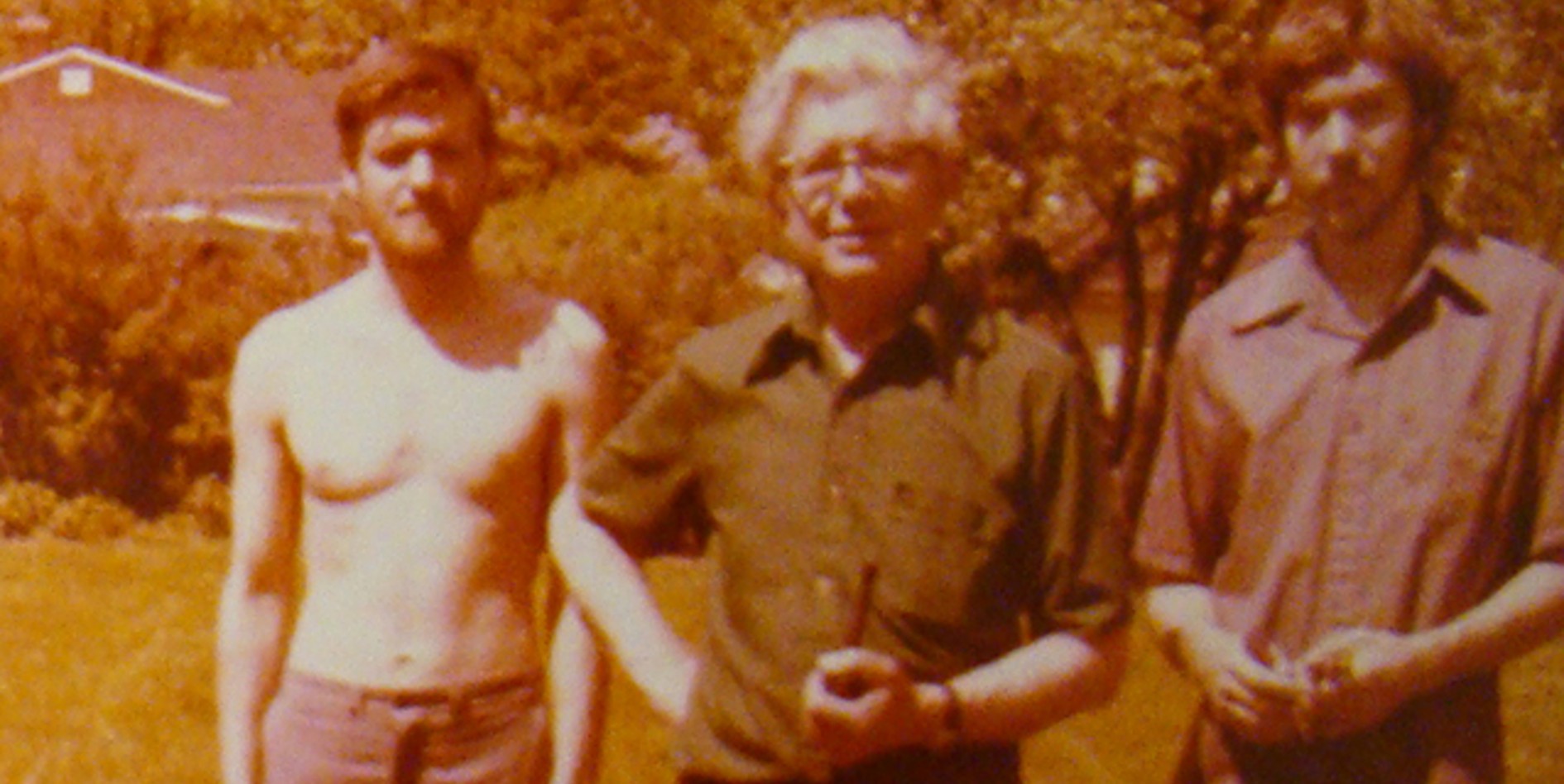
The brothers’ paths ultimately diverged when Ted enrolled at Harvard at the age of 16 and went on to earn a doctorate in mathematics, while David graduated from Columbia University in 1970 with a bachelor’s degree in English. During his time at Columbia, David emerged as a prominent writer for the Columbia Daily Spectator and went on to work as a zinc smelter in Great Falls and later as a schoolteacher in Lisbon, Iowa. The brothers also bought an isolated 1.4-acre parcel of land outside Lincoln, Montana, which eventually became Ted’s home for roughly the next two decades.
A shift came in the early 1980s, however, when David, much like his older brother, sought solitude in remote parts of the country. In 1984, he brought some land in Brewster County, Texas, and scouted a desolate stretch in the Chihuahuan Desert, near the Christmas Mountains. Finding it hard to live in a tent amidst strong desert winds, David then dug a 10-foot-long, four-foot-deep trench in the ground and covered it with metal sheets. This served as his new abode for an extended period of time, while he built his own cabin nearby. In later recollections, David reportedly described this as a profound and spiritual experience, during which he maintained minimal contact with civilization at large.
David Kaczynski and His Wife Contacted the FBI After Reading the Unabomber’s Manifesto
David Kaczynski’s time in the wilderness came to a close in October 1990, around his father’s death by suicide while battling cancer. Upon returning home, David married his high school girlfriend, Linda Patrik, and moved to Schenectady, New York, with her. Ted Kaczynski reportedly did not attend his brother’s wedding, which was in the form of a Tibetan Buddhist ceremony, and after 1990, the two had no physical interactions. They did exchange letters, and by 1993, both David and Linda began to notice an increasingly negative shift in Ted’s writing, to the point that they sought the opinion of a psychiatrist. It wasn’t until the summer of 1995, however, that Linda and, later, David, began to suspect that Ted might be the Unabomber.
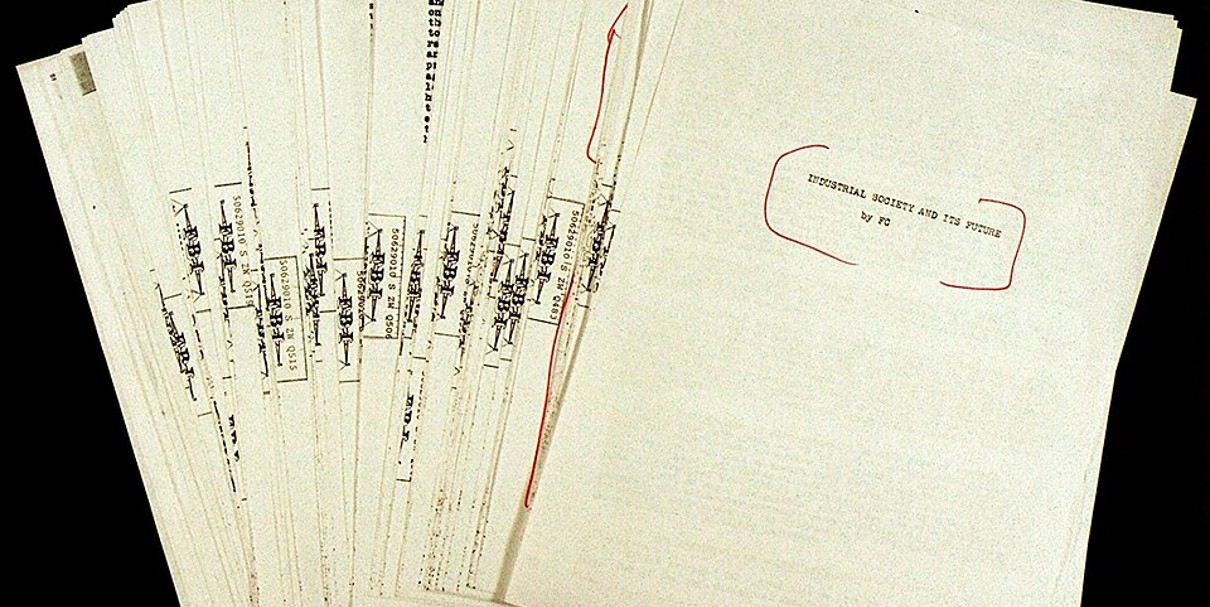
A definitive turn came in the fall of 1995, when the Unabomber manifesto, titled ‘Industrial Society and Its Future’, was published by several major news outlets. Upon reading it, both David and Linda found similarities to Ted’s writing style and perspective on society. Concerned, David shared the material with his attorney, Anthony Bisceglie, who then contacted the FBI. It was this connection that ultimately led to Ted’s arrest on April 3, 1996. Although David had reportedly received assurances from federal authorities that his identity as the informant would be protected, his name eventually got leaked to the press.
David Kaczynski Became Involved in the Death Penalty Abolition Movement
Following Ted Kaczynski’s arrest, David Kaczynski publicly opposed the death penalty for his brother. Additionally, he spoke openly about Ted’s mental health history, calling for an appropriate psychiatric evaluation while taking care not to excuse the harm caused to victims. David had received a reward of $1 million from the Justice Department for his information, and in 1998, he told the Associated Press that he wished to distribute this money to the bombing survivors and the families of the victims. This led him to establish the Unabom Survivors Fund the following year, which donated $680,000, according to the National Archives Foundation.
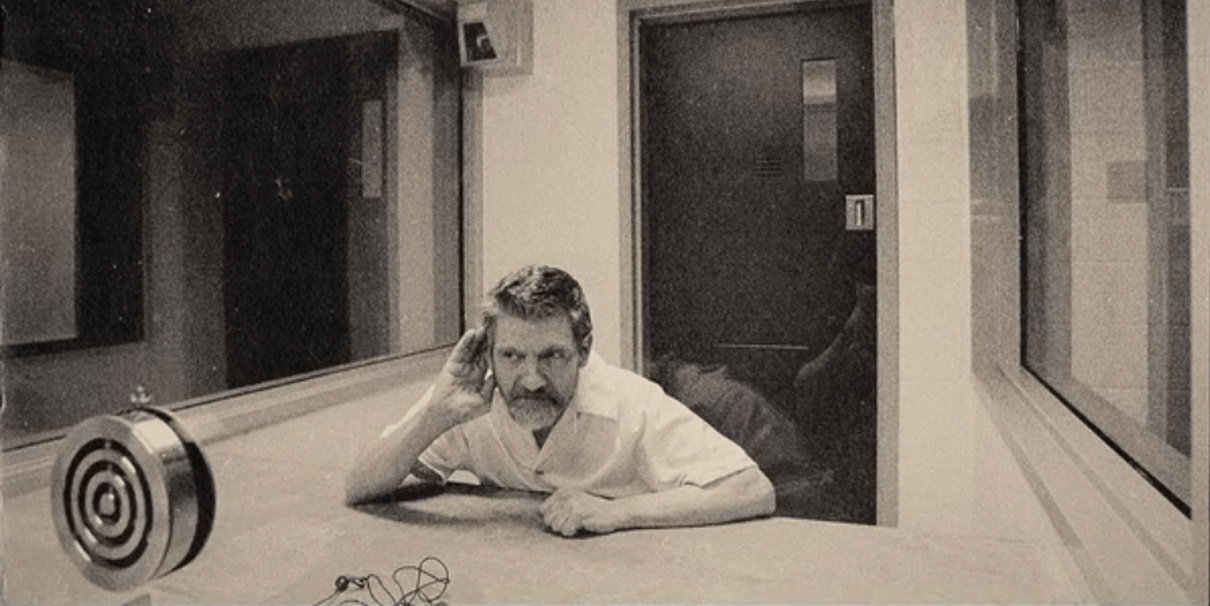
Around the same time, David became involved in the broader death penalty abolition movement, serving as executive director of New Yorkers Against the Death Penalty for more than a decade. From there, he went on to serve as executive director of Karma Triyana Dharmachakra, a Tibetan Buddhist monastery in New York, while continuing his work in restorative justice and violence prevention. All this time, he continued sending letters and books to his brother, though Ted reportedly never responded, and eventually died by suicide on June 10, 2023, at the age of 81.
Shortly after Ted’s death, David spoke at Yom Kippur Afternoon Speakers, stating, “he (Ted) never spoke to me again, kept that door closed. It’s not the same maybe, but there’s… I believe in spiritual brotherhood, too.” After leaving his position at the monastery, David continued this work through public speaking and restorative justice initiatives. In May 2025, he took part in a Restorative Justice International discussion examining his experiences after the Unabomber case and his subsequent work in restorative justice. As of writing, David lives in Texas with his wife, Linda Patrik, and continues to speak on issues surrounding capital punishment, violence prevention, and victims’ rights.
Read More: Unabomber: Is Henry Murray Based on a Real Professor? How Did He Die?


You must be logged in to post a comment.