
 Abhiroop Das
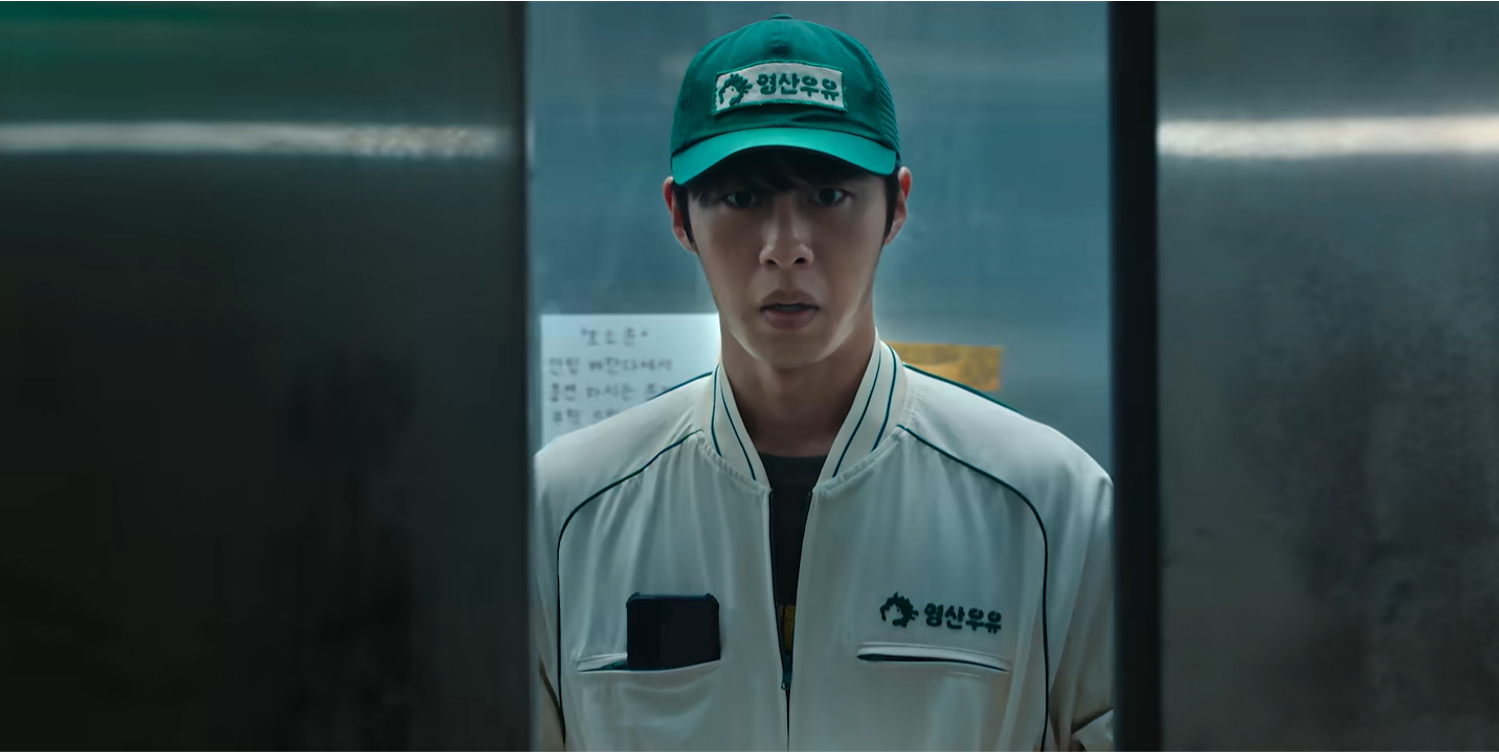
Created by Kim Da-min, Han Jun-hee, Kyung Min-sun, and Lee Shin-ji, ‘Dead-End Job’ is a South Korean horror series that begins with the protagonist, Byeon Hyeok-jun, hitting his lowest point in life. Right when he seems to be on the precipice of losing all hope, however, an opportunity arises in the form of the Spider Staffing Company. Despite having a small, dimly lit office, this agency offers something none of its peers can: 50 times the regular wage for something as simple as a night shift at a convenience store. Though Hyeok-jun feels as though he is being baited into doing something unsafe, desperation ultimately gets the better of him, and just like that, he ends up having a daily relationship with Spider Staffing, with every temp job proving to be stranger than the last.
Spider Staffing is a Fictional Company Bringing an Internet Horror Trend to Life
The Spider Staffing Company is a fictional employment agency that lies at the center of ‘Dead-End Job,’ seemingly designed to satirize the precarious part-time employment market of South Korea. Created by Kyung Min-sun and Lee Shin-ji, the agency, by its very name, is a cheeky reference to how spiders trap their prey in elaborate webs, which in this case stands in for the job market. The concept behind Spider Staffing, though, is entirely and understandably invented, considering that it serves as the characters’ gateway into the realm of the supernatural. Its real-life parallels, then, can be found in conventional employment scams, which often promise a similar wage increase while tricking applicants into doing unpaid work.
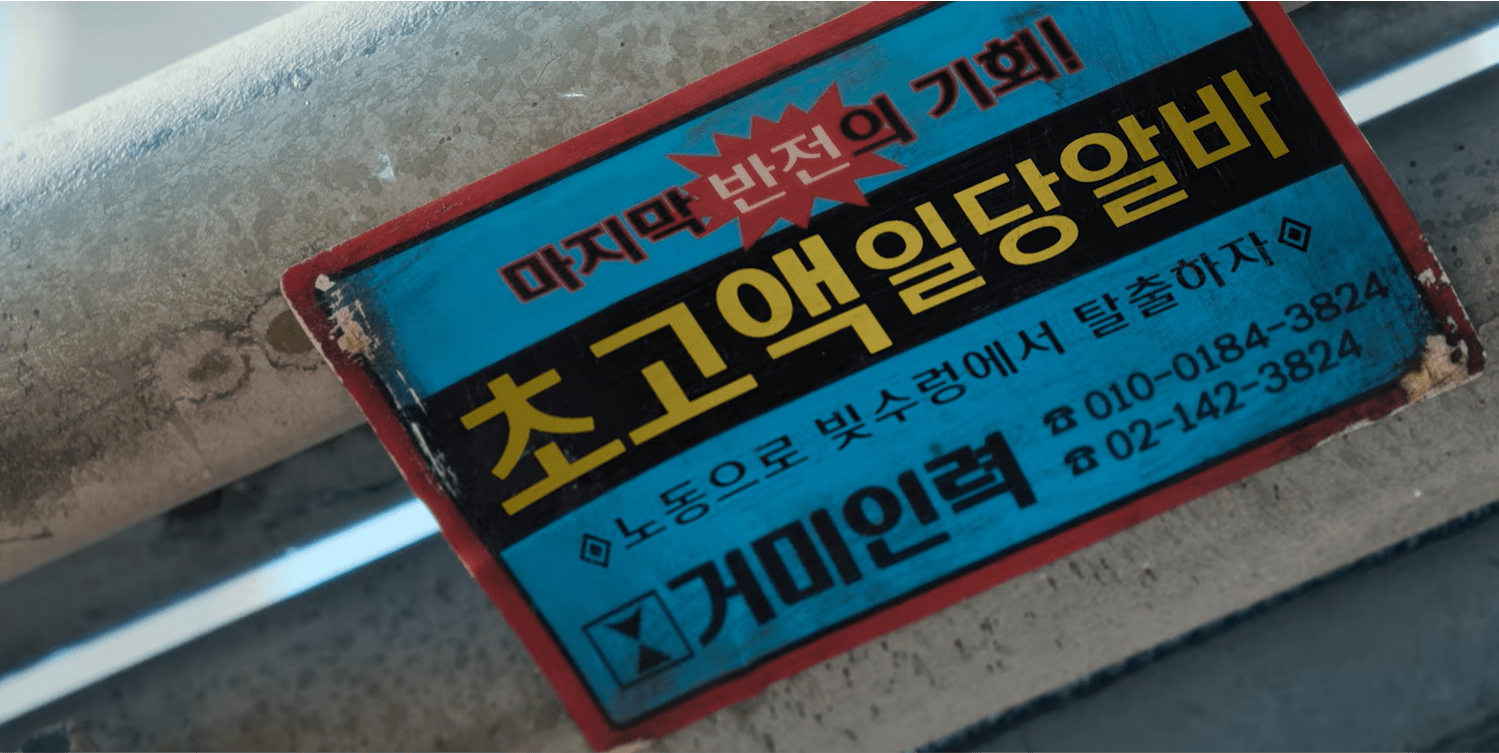
The similarity between Spider Staffing and exaggerated employment scams is also noted by the characters, but the supernatural genre shift quickly puts things into perspective. While the company may not have a direct precedent, its origins can be traced back to a Korean internet trend known as “napolitan horror.” Drawing inspiration from Japanese creepypastas and the popularity of rule-based horror stories, the napolitan genre typically places the protagonist in a haunted workplace setting, where the only way to navigate their shift is to adhere closely to a set of strange rules. To that end, ‘Dead-End Job’ crafts an episodic narrative where each episode focuses on a different haunted job, and it makes sense for the writers to envision a central anchor bringing them all together, in the form of a temp agency.
Dead-End Job Employs Spider Staffing Company as a Critique of a Toxic Work Culture
The show’s humorous take on temp job agencies lands, in large part, because of how it builds off South Korea’s lived realities. According to an August 2026 report by the Ministry of Data and Statistics, non-regular workers account for 38.5% of South Korea’s wage earners. The same data also show a discrepancy in earnings, with the average monthly pay of non-regular workers at about 2.11 million won, compared with 4.05 million won for regular workers. As per the records, only 36.5% of non-regular workers are enrolled in the national pension system, underscoring a broader disparity in social protection.
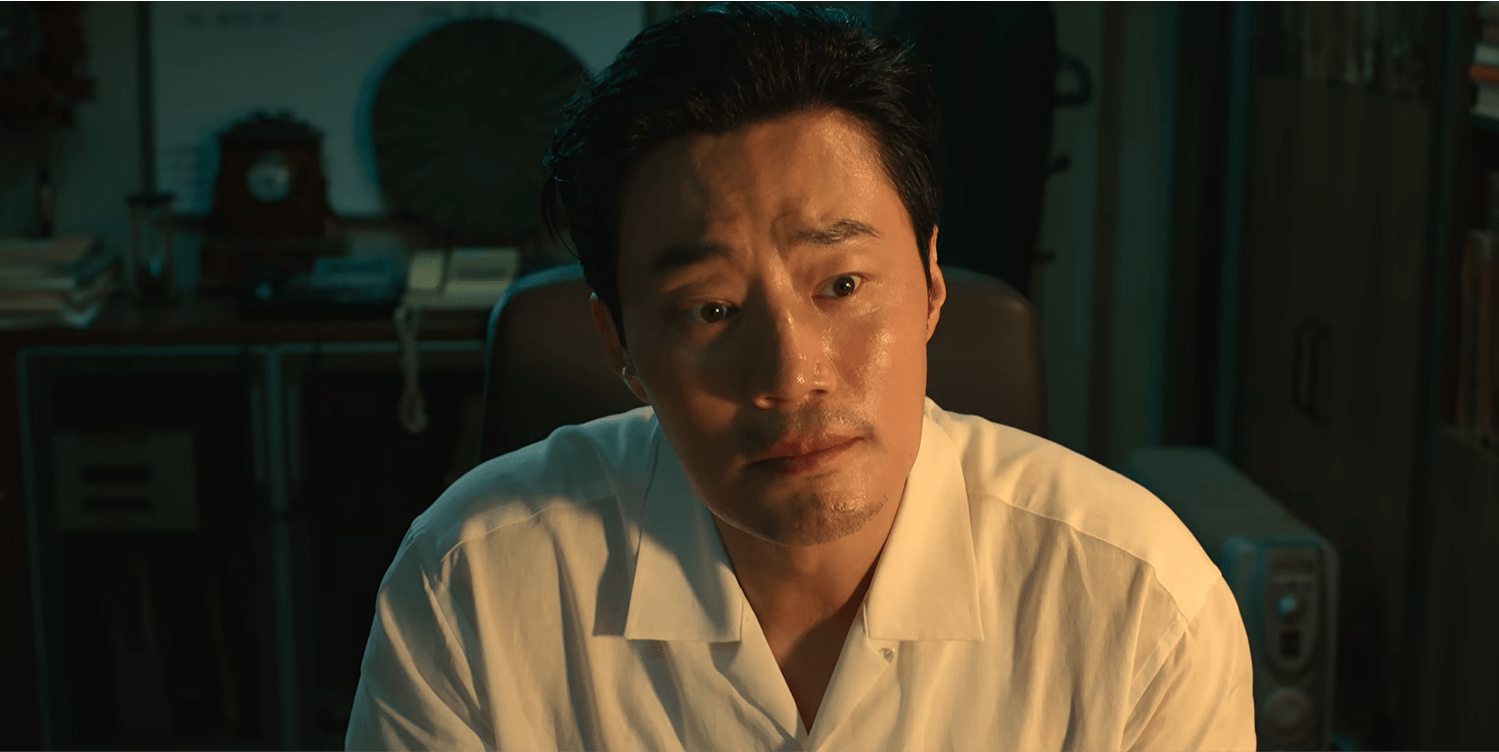
‘Dead-End Job’ also introduces the idea that Spider Staffing Company only approaches people who are contemplating suicide, which speaks to how dire things can be. As Lee Hee-jun, who plays the agency’s owner Mr. S, said during a press conference, he was drawn to the idea of imagining that “part-time jobs are hard enough to kill you.” Korean cinema and television are certainly no stranger to fictionalized depictions of class anxieties, with titles like ‘Parasite‘ and ‘Squid Game’ taking these concepts mainstream. By relying on Spider Staffing Company as its core narrative device, ‘Dead-End Job’ adds to this wave of social commentary, that too with a touch of the supernatural.
Read More: Dead-End Job Ending Explained: Does Byeon Hyeok-jun Accept the Last Job?


You must be logged in to post a comment.