
 Abhiroop Das
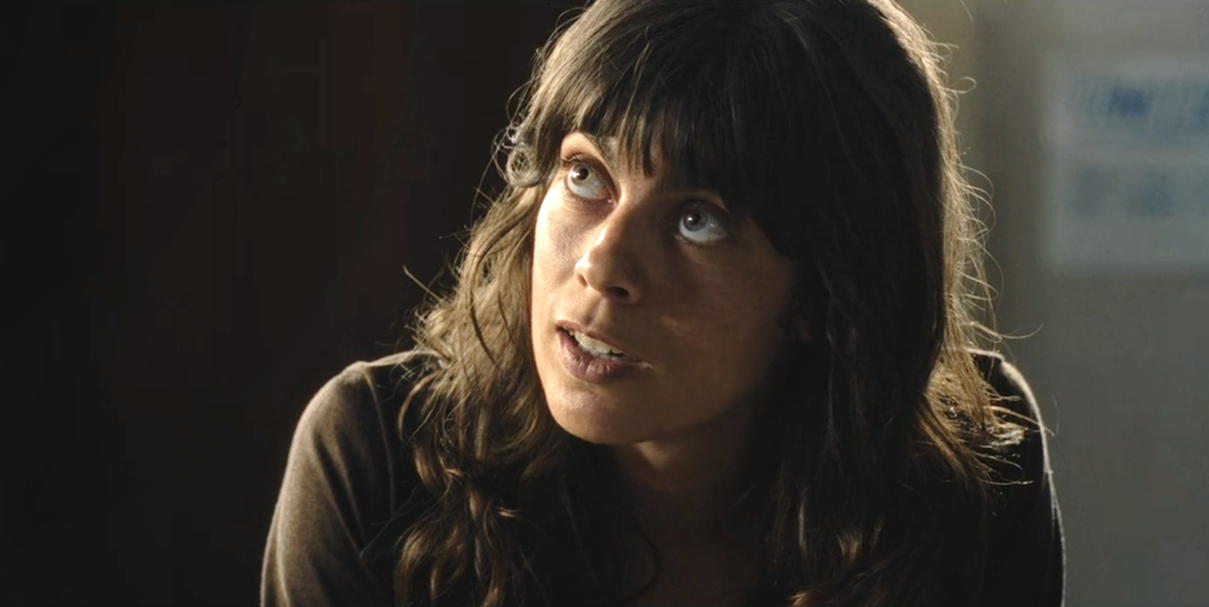
Helmed by Pablo Trapero and Pablo Fendrik, Netflix’s ‘Gordon’ is an Argentine crime drama series that dramatizes the life of Aníbal Gordon, a real-life criminal who gradually became involved in the country’s far-right paramilitary networks. In this fictionalized retelling of events, we follow Aníbal’s engagement not just with these armed organizations but also with Argentina’s intelligence services, creating a dense, sprawling narrative that encompasses far more than any one person’s experience. To that end, one of the prominent figures who steals the spotlight as the show goes on is Graciela Mancini, a member of a guerrilla force who has her own political motivations. However, as her story intersects with Aníbal’s, a grim series of events unfolds.
Graciela Mancini is a Fictional Rebel Representing the Many Armed Organizations of Argentina in the 70s
Graciela Mancini is a fictional character in ‘Gordon,’ most likely conceived as a composite of various real-life revolutionaries who became the targets of Aníbal Gordon. While the show is based on the novels ‘Gordon’ and ‘Gordon, the Annihilator’ by Marcelo Larraquy, themselves fictionalized accounts of Aníbal’s life, Graciela appears to be a show-only construct. Her character is perhaps best understood by first examining the sociopolitical structure of Argentina in the 1970s, marked by prolonged turmoil and unrest, followed by the rise of militant groups. To that end, co-writers Marcos Osorio Vidal and Pablo Trapero likely poured their all into research, condensing various historical accounts into a smaller core of characters, including Graciela.
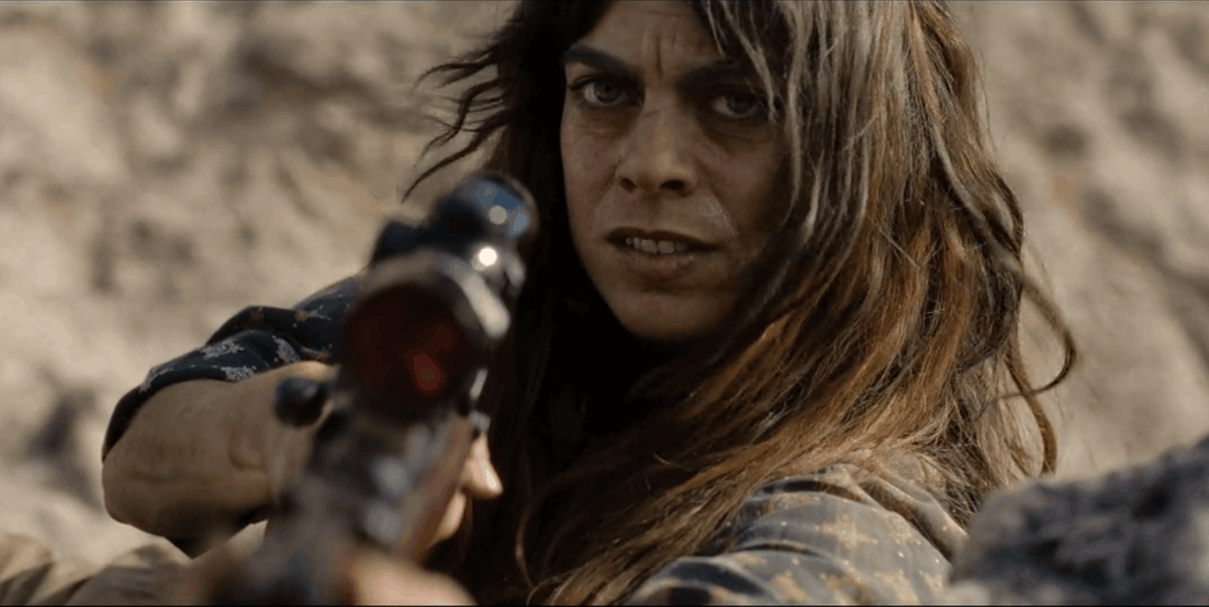
Argentina’s left-wing revolutionary movement grew out of the instability that followed the 1955 military coup, which overthrew President Juan Domingo Perón and forced him into exile abroad. Although Argentina experienced periods of civilian rule afterward, a military coup in 1966 established a new dictatorship under Juan Carlos Onganía. Soon, workers, students, and mass-mobilization organizations began to gather together, culminating in the civil uprising of May 1969, known as Cordobazo. Subsequently, armed organizations emerged and expanded, including well-known groups such as the Peronist Montoneros, the Fuerzas Armadas Revolucionarias (FAR), and the Ejército Revolucionario del Pueblo (ERP). With the show dramatizing many such guerrilla organizations, Graciela emerges as a composite character, particularly when it comes to her conflict with Aníbal himself.
Graciela Mancini’s Dynamic With Aníbal Gordon Mirrors His Real-Life Role in Argentina’s Political Repression
One detail from the series that serves as a closer historical reference for Graciela Mancini’s character is the assassination of José Ignacio Rucci, which the show attributes to Graciela and her armed group. In real life, Rucci was the secretary-general of the Confederación General del Trabajo (CGT), or the General Confederation of Labor of the Argentine Republic, and one of Juan Domingo Perón’s closest allies. He was shot dead outside his Buenos Aires home on September 25, 1973, just two days after Perón won the presidential election. While the exact circumstances surrounding Rucci’s assassination remain unclear to this day, many accounts note that an emerging conflict between the Peronist trade-union establishment and the far-left forces might have contributed to it.
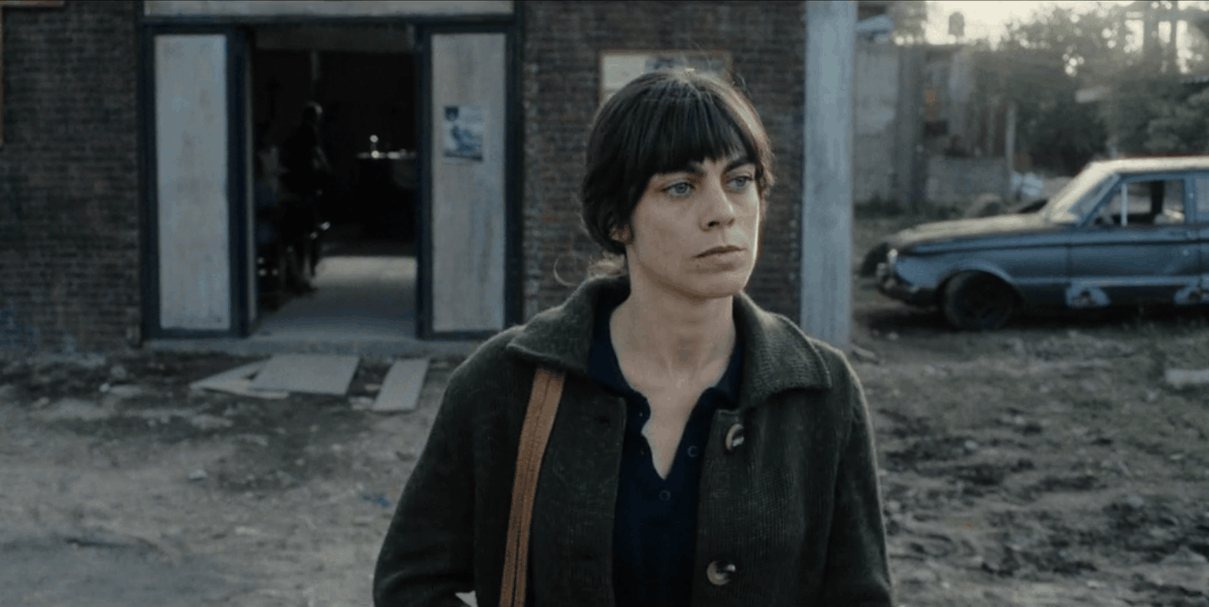
That said, the identities of the actual gunmen were never conclusively established in court, and the show likely uses that detail as its starting point, constructing an invented narrative in which Graciela is the one who carries out the attack. Aníbal Gordon’s subsequent involvement in Argentina’s political violence, on the other hand, is extensively documented. From 1973 onwards, he became a significant figure in the far-right Alianza Anticomunista Argentina (Triple A), a paramilitary organization infamous for targeting left-wing Peronists and revolutionary militants. Reportedly, he simultaneously worked for the SIDE, Argentina’s intelligence service, and went on to become a leading figure in operating a clandestine detention and torture center in Buenos Aires, where political dissidents were abducted, interrogated, tortured, and, in some cases, murdered.
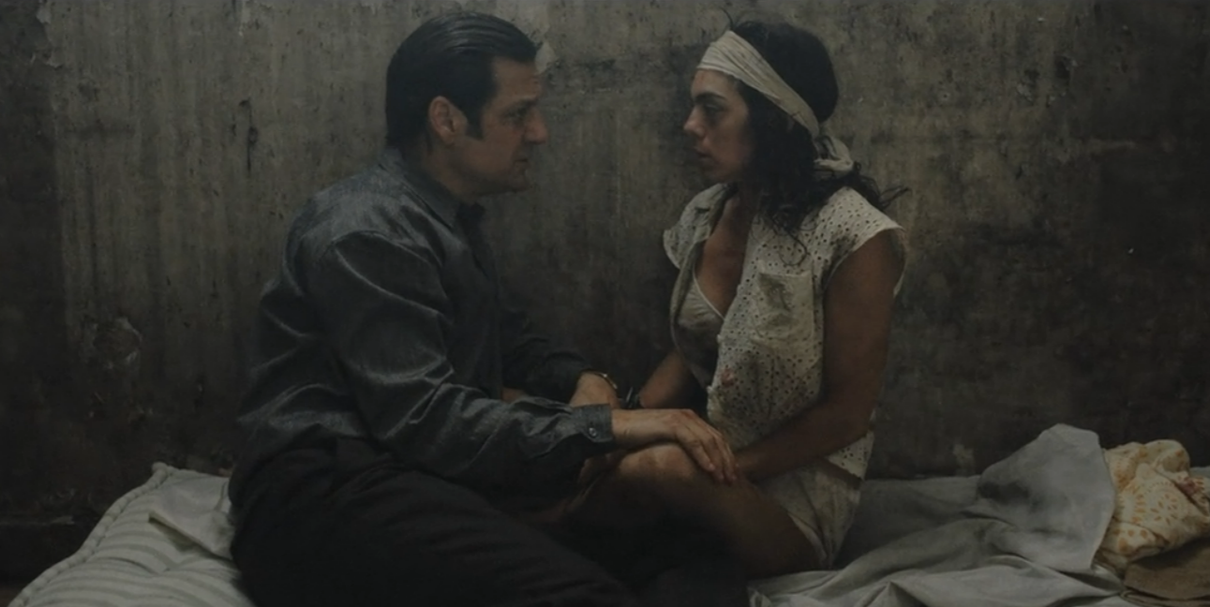
All of these details are important to Graciela’s arc in ‘Gordon,’ as she ultimately becomes Aníbal’s arch-nemesis before being subjected to brutal suppression and human rights abuses. While she may be a fictional character, her role in the latter half of the story seems to be deeply inspired by real-life accounts of Aníbal’s actions. Thus, it is no surprise that embodying Graciela was quite the emotionally demanding experience for Fiorella Bottaioli. In a conversation with HaceInstantes, she revealed that it took her approximately six months to detach herself from Graciela after filming. This speaks to the amount of realism infused not just into the character, but also into the larger story, thus having a profound effect on viewers.
Read More: Is Gentle Monster a True Story? Is Lucy Weiss Based on a Real Pianist?


You must be logged in to post a comment.