
 Aahana Swrup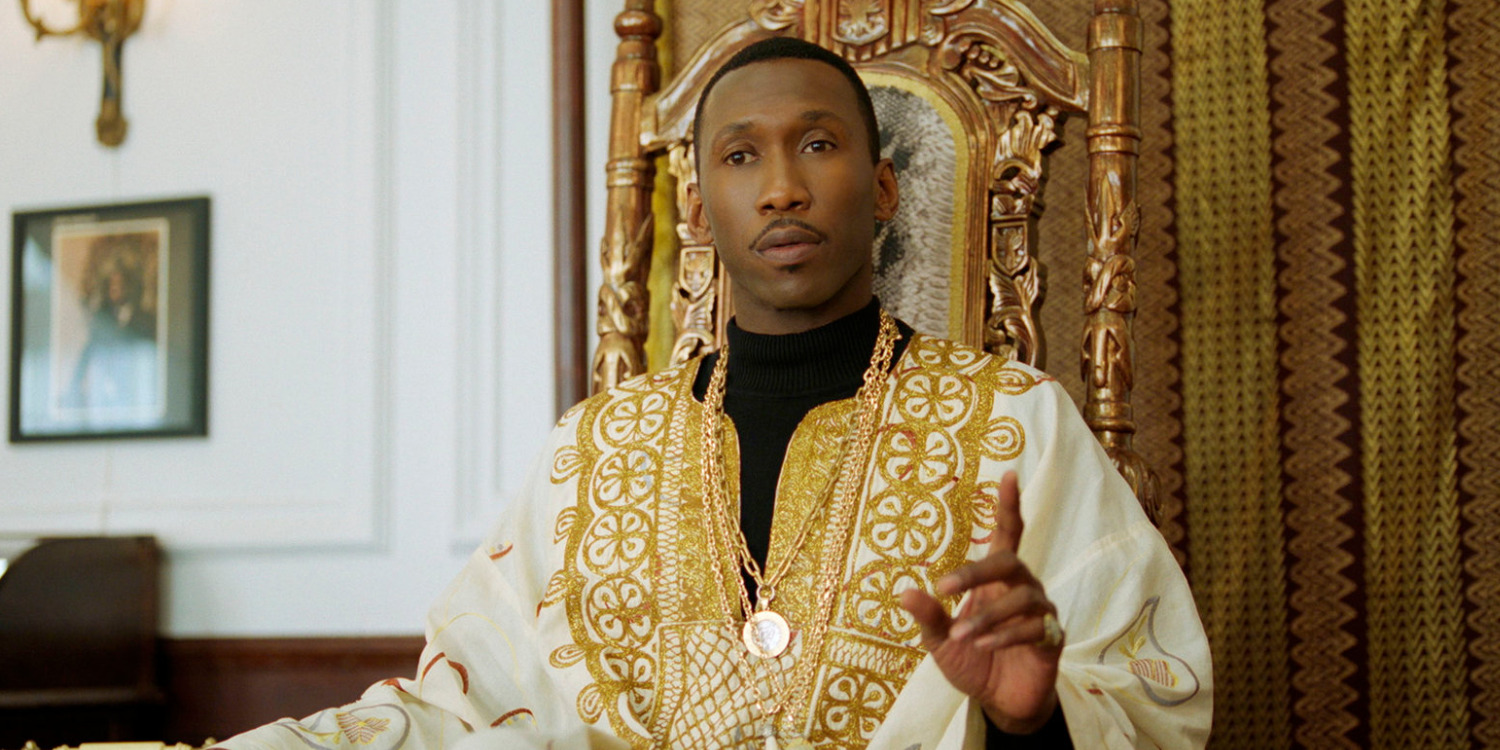
The 2018 film ‘Green Book’ presents a compelling road trip film about an unlikely duo. The story is set in the 1960s, when Jim Crow laws still prevailed throughout the country. As a result, despite his musical genius, Dr. Donald Shirley, an African-American pianist, faced a daunting reality when he undertook the venture to tour across the Deep South. Thus, in anticipation of the rampant segregation and racial bigotry, Tony’s employment surpasses the needs of a simple chauffeur and instead veers more into the bodyguard and travel companion territory.
At the start of the trip, the two polar opposite men, coming from different walks of life, remain on odd footing. Yet, as they spend more and more time on the road in each other’s sole company, their friendship and understanding of each other’s lives grow. In the film, Dr. Donald Shirley plays a vital role as a renowned musician. His on-screen depiction remains deeply rooted in reality.
Donald “Don” Shirley, the Real Inspiration Behind Mahershala Ali’s On-Screen Pianist
‘Green Book’ is partially a biographical story that is rooted in the stories of real-life individuals. The dual protagonists at the center of the tale, Donald Shirley and Frank Anthony “Tony Lip” Vallelonga, are both based on eponymous off-screen individuals. The real Donald “Don” Walbridge Shirley was a renowned pianist and composer who blended classical and jazz sounds. Born in the 1920s in Pensacola, Florida, to Jamaican immigrant parents, the musician found his love and talent for music at a young age. As the story goes, he was playing the piano and the organ early on in his toddling days. Afterward, he went on to have his first professional performance at the age of 18 in 1945. By the mid-1950s, he had received a bachelor’s degree in music and released his first album, ‘Tonal Expressions.’
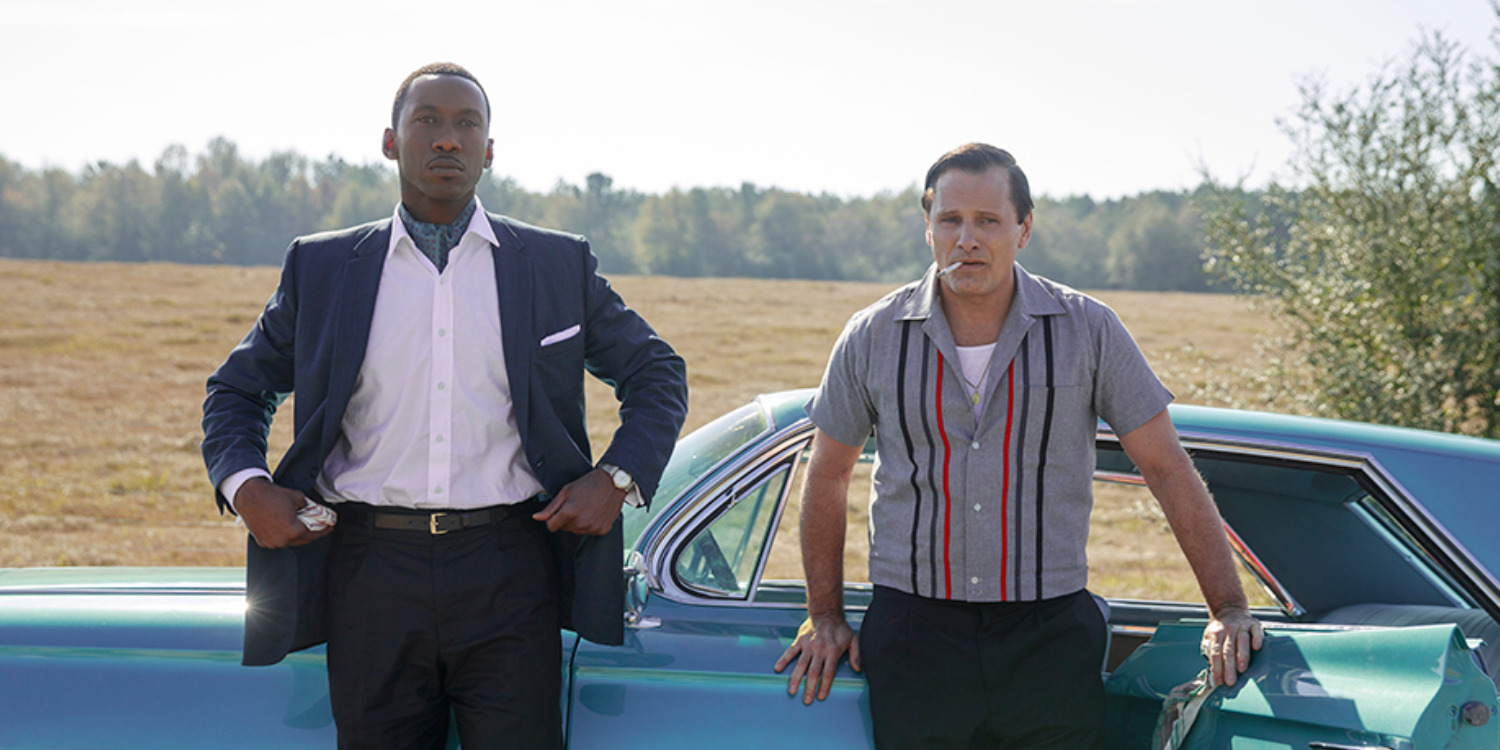
As Shirley’s art gained further notoriety, praise, and attention, he eventually went on a tour in the 1960s that included many Southern States. During this time, he hired Frank Anthony Vallelonga, a bouncer at the Copacabana nightclub, as his driver and bodyguard for this venture. In real life, the trip was actually around 18 months long, as opposed to the abridged 2-month version depicted in the film. On the other side of this venture, Shirley and Vallelonga emerged as close friends. As a result, Vallelonga’s son, Nick Vallelonga, learned all about this trip from both his father and the pianist. In the 1980s, the screenwriter first floated the idea of bringing this story to the big screen and received both real-life individuals’ blessings. However, reportedly, Shirley also asked writer Vallelonga to hold off on creating the movie until after he passed away.
The Controversy About Don Shirley’s Characterization in Green Book
‘Green Book’ is penned by Peter Farrelly, Brian Hayes Currie, and Nick Vallelonga, the real-life son of Frank Vallelonga, of the central subjects of the film. The junior Vallelonga has claimed that he and his co-writers employed a number of historical accounts as the basis for their script. This includes director Josef Astor’s audio tapes of Don Shirley recorded for the 2010 documentary ‘Lost Bohemia,’ as well as more personal cachets, like the letters Frank Vallelonga wrote to his wife, Dolores, from the trip. Additionally, Vallelonga’s son also used conversations he had with his father and Shirley, recorded and remembered, as a foundational basis for the film. Yet, several beats of the biographical story have been a subject of controversy.
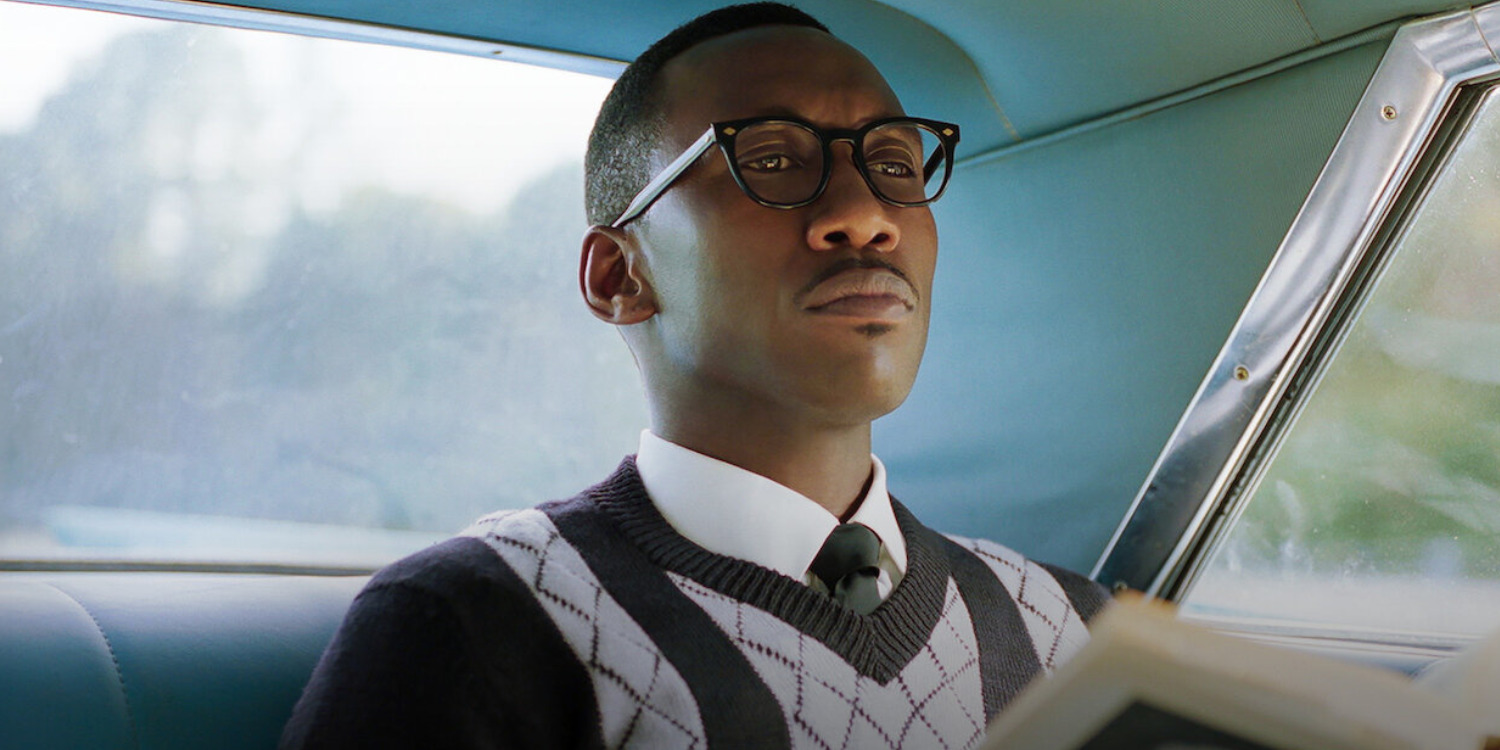
Around the time of the film’s release, Shirley’s family in particular expressed much discontent with the story, with his brother Maurice Shirley, even calling it a “symphony of lies.” One of the claims made by the family asserted that the film’s instrumental premise of the pianist’s friendship with Frank Vallelonga was false. They insisted that the two had a strictly professional employer-employee relationship. However, these allegations were eventually proven false through an audio clip from ‘Lost Bohemia.’ On the other hand, claims that the film showcases a false narrative around Shirley’s alleged estrangement from his family still stand. In the film, Dr. Shirley is depicted as a solitary individual who has no tangible connections with his family. Real-life members of Shirley’s family have contested this depiction, claiming the pianist was in contact with his three brothers during the time period of the film.
Furthermore, his nephew, Edwin Shirley III, has shared that he spent several days on tour with the musician in 1964. Over the years, the creators, including Farrelly, have clarified that they made attempts to reach out to certain family members during the project’s development to no avail. In a conversation with Newsweek, the director shared, “I feel bad about that. I wish we could have done more. To be honest, the people looking into it just didn’t find them—they screwed up.” Alternatively, Nick Vallelonga has claimed that Shirley himself didn’t want his family to be consulted for the film at all. Another perspective, that of Shirley’s real-life friends, provides a much more tolerant and appreciative perception of the pianist’s on-screen depiction. Ultimately, the on-screen depiction of Shirley’s character remains based on certain historical accounts and largely Nick Vallelonga’s account of the real-life pianist’s friendship with his father.
Read More: Is The Negro Motorist Green Book Real?


You must be logged in to post a comment.