
 Abhiroop Das
Helmed by Ethan Coen, ‘Honey Don’t!’ dives into the strange sides of Bakersfield, a town seemingly peppered with shady drug networks and kooky criminals, but ultimately defined by its star private investigator: Honey O’Donahue. Things come to a halt one day when her would-be client dies in a mysterious accident hours before their scheduled meeting. While this is no longer Honey’s case, she can’t help but notice a larger pattern connecting crimes both small and large, all seemingly tied to the town’s most enigmatic cult-like church, the Four-Way Temple. As Honey digs deeper into the mystery, she initiates a steamy relationship with the local police officer, MG Falcone, who unexpectedly gets swept into the fray in more ways than Honey can possibly predict. As such, the comedy–mystery movie is as much about a series of violent crimes as it is about the people affected by their aftermath.
Honey Don’t! Can be Seen as a Pastiche of the Noir Detective Genre
‘Honey Don’t!’ is Ethan Coen and Tricia Cooke’s fictional take on the quintessential detective genre, marking the second of their self-described “lesbian B-movie trilogy.” True to this description, the story immerses itself in the intentional recreation of a retro, tacky aesthetic while also approaching the same conventions with a fresh, queer lens. For both writers, penning this project was a somewhat personal experience, as they drew from a shared pot of their favorite noir fiction. At the top of the list were writers like Dashiell Hammett and Raymond Chandler, each famous for their hard-boiled detective characters, Sam Spade and Philip Marlowe, respectively.
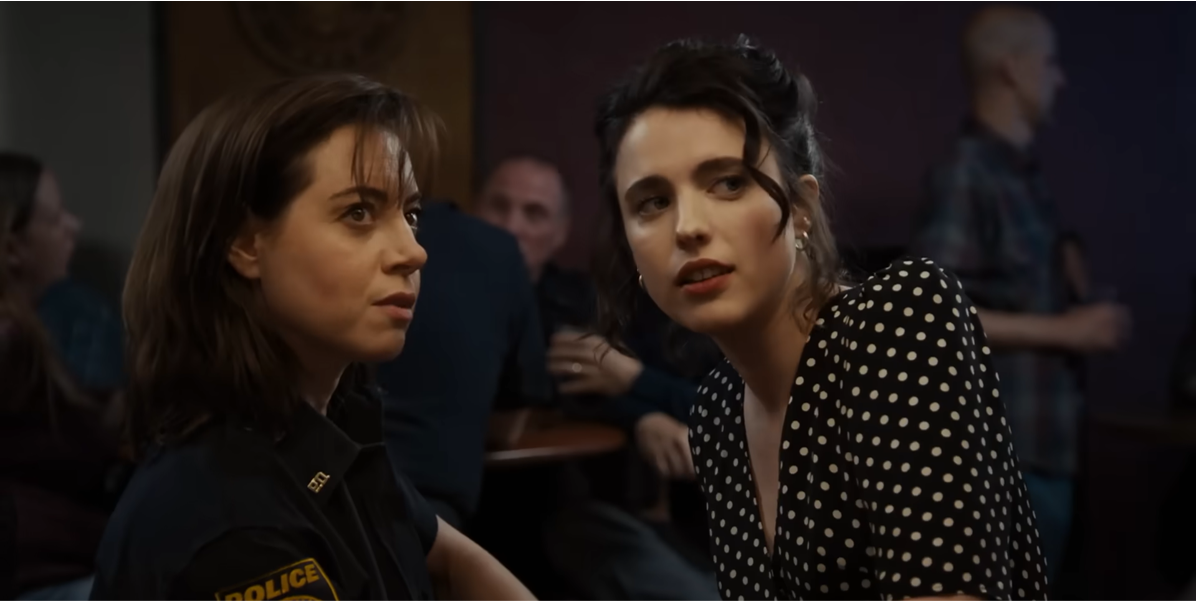
“It was like mother’s milk to us,” Coen told The Queer Review about the noir writers, before adding, “So all of that is internalized, and it’s easy for us to think about stories in those terms.” This continues the tradition kick-started by Coen and Cooke’s other movie in the trilogy, ‘Drive Away Dolls,’ which is inspired by crime-caper movies from legendary directors such as John Waters and Russ Meyer. This transition from a filmmaker to a novelist as a reference base is likely intentional, as the latter medium is more suited to and developed in the realm of detective fiction. In applying a queer perspective to generally well-exhausted tropes, Coen and Cooke breathe new life into the genre.
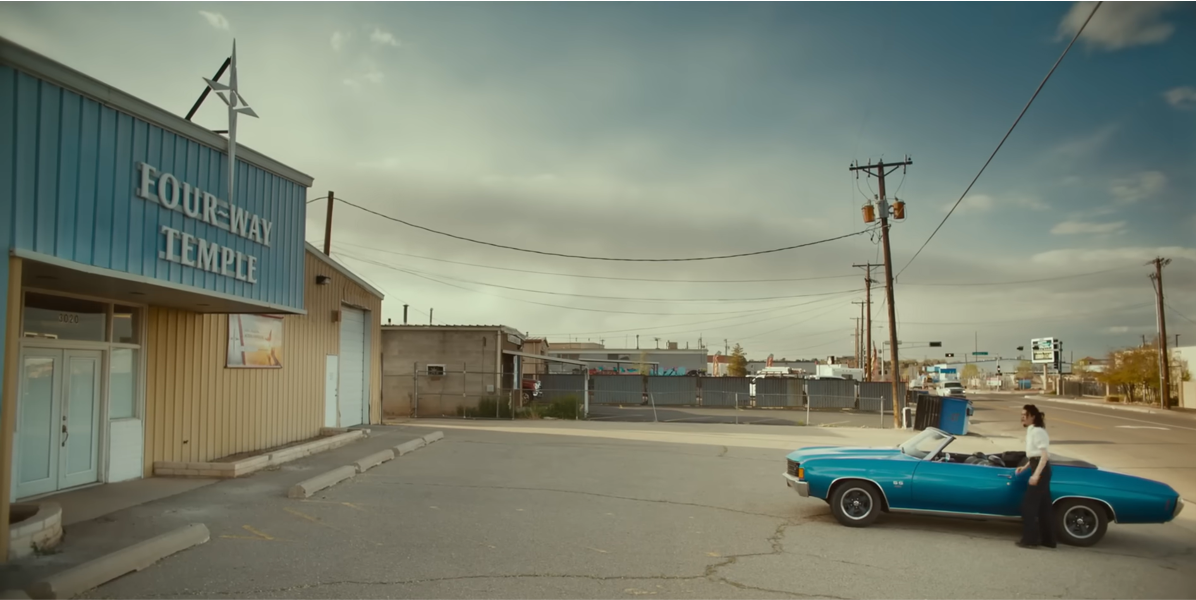
When specifically asked about their inspirations for ‘Honey Don’t!’ by OutSFL, Coen and Cooke pulled back the creative curtains a bit more, revealing two specific movies that vaguely influenced elements in their queer noir narrative. One of them is ‘Fat City’ by John Houston, which likely inspired the environmental storytelling of ‘Honey Don’t!’. The movie, Coen described, is about a “kind of hardscrabble California. Not glamorous California,” and that helped him reimagine the city of Bakersfield as the movie’s setting. Another inspirational film is ‘The Long Goodbye,’ by Robert Altman, which informed the creative duo on how to approach the film’s score. Incidentally, ‘The Long Goodbye’ happens to be an adaptation of a detective novel by Raymond Chandler, which shows just how layered Coen and Cooke’s inspirations are.
Honey O’Donahue is a Fictional PI With a Personality Modeled After Matty Healy
As ‘Honey Don’t!’ is in many ways a homage to old-school noir detective stories, it makes sense that the titular character, Honey O’Donahue, is a fictional private investigator created by Coen and Cooke specifically for the movie. It is important to note that Honey has no connection to Margaret Qualley’s character in ‘Drive Away Dolls,’ Jamie, despite them constituting the same chain of movies. Instead, Honey is possibly a composite of classic detective characters in older noir fictions, such as the aforementioned Sam Spade and Philip Marlowe, except this time with a queer twist. This is consistent with how the writing team has described their intent with her character, as well as the many stylistic and personality quirks she inhabits over the course of the movie.
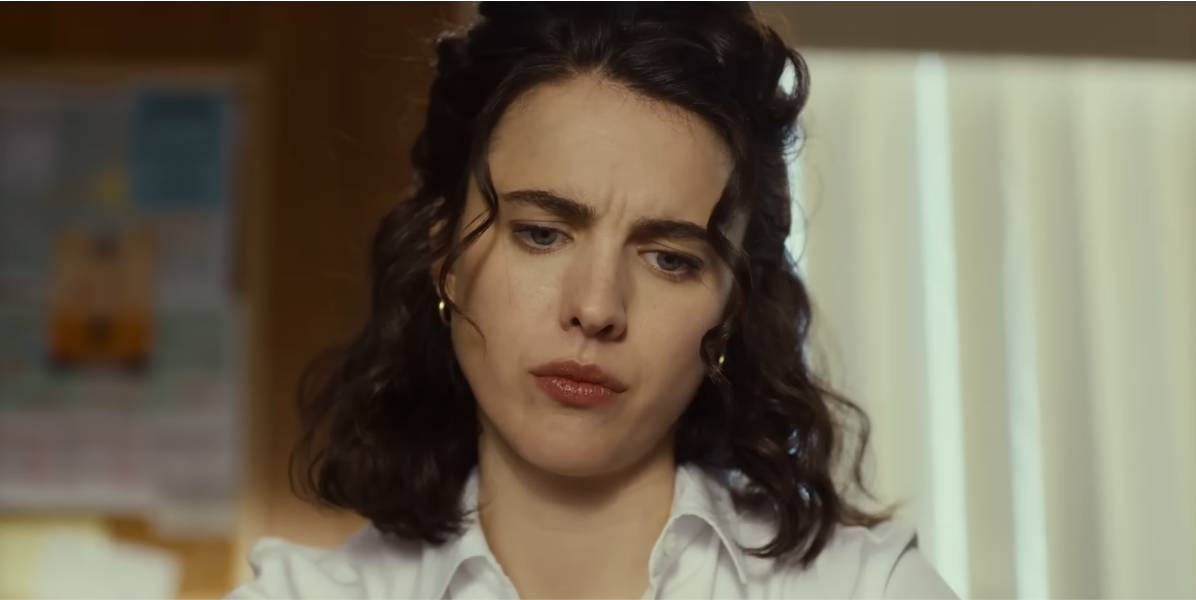
Qualley’s take on Honey as a character is surprisingly influenced by Matty Healy, the English music artist who leads the pop-rock band known as The 1975. “I tried to do it like Matty Healy would do it,” she explained in a conversation with Cosmopolitan, adding, “I got to feel what it would be like to be a guy hitting on a girl.” While she may have channeled the singer-songwriter’s charm and charisma on screen, the similarities are only superficial in nature and speak to only a few among many characteristics that make Honey a unique presence in the genre.
In their interview with The Queer Review, Coen and Cooke also added that Qualley’s performance as Honey vaguely evokes the voice, feel, and acting style of legendary actor Lauren Bacall, even if unintentionally. While Bacall may not have served as a direct inspiration, Honey’s character nonetheless coalesces many of the 20th century’s prevalent storytelling elements under one fictional umbrella.
Read More: Is The Beauty a True Story? Is the Beauty Based on a Real Drug or Virus?


You must be logged in to post a comment.