
 Abhiroop Das
Created by Alejandro Lozano, Netflix’s ‘Inside the Circle,’ which translates to ‘El círculo,’ is a Mexican thriller that tells the tale of four friends with vastly different professional lives, whose bond nonetheless stays intact through thick and thin. This, however, is put to the test when Tomas, a journalist, posts a video that goes viral, earning him more flak than praise. Before long, Tomas finds himself enveloped in the mystery of a dead actress, and he unwittingly drags his friends into this pit as well. Amelia, a political head, alongside Mario, a teacher, and Jaime, the lead of a private intelligence company, all put their efforts together to get to the truth before it’s too late, and in doing so, they bring to life a story about the darker side of society, and the powers that not only sustain it, but create it in the first place.
Inside the Circle Adapts a Fictional Novel Premised on Mexico’s Sociopolitical Climate
‘Inside the Circle’ is a fictional story based on the novel ‘Los Corruptores’ by Jorge Zepeda Patterson, who in turn drew inspiration from his own experiences as a political journalist. In a conversation with Culturamas, Patterson revealed that over two decades in journalism and media management had left him with large volumes of information that could not be published because of the challenges of documenting them up to journalistic standards. He also alleged that he was familiar with how political elites operated, be it their unwritten codes, interests, or malpractices, or their ties to the media. As such, he decided to turn to fiction, using real-life knowledge as a thematic springboard for a deeper exploration of social and political issues. Doing so also allowed him to depict events without presenting unprovable allegations as factual reporting.
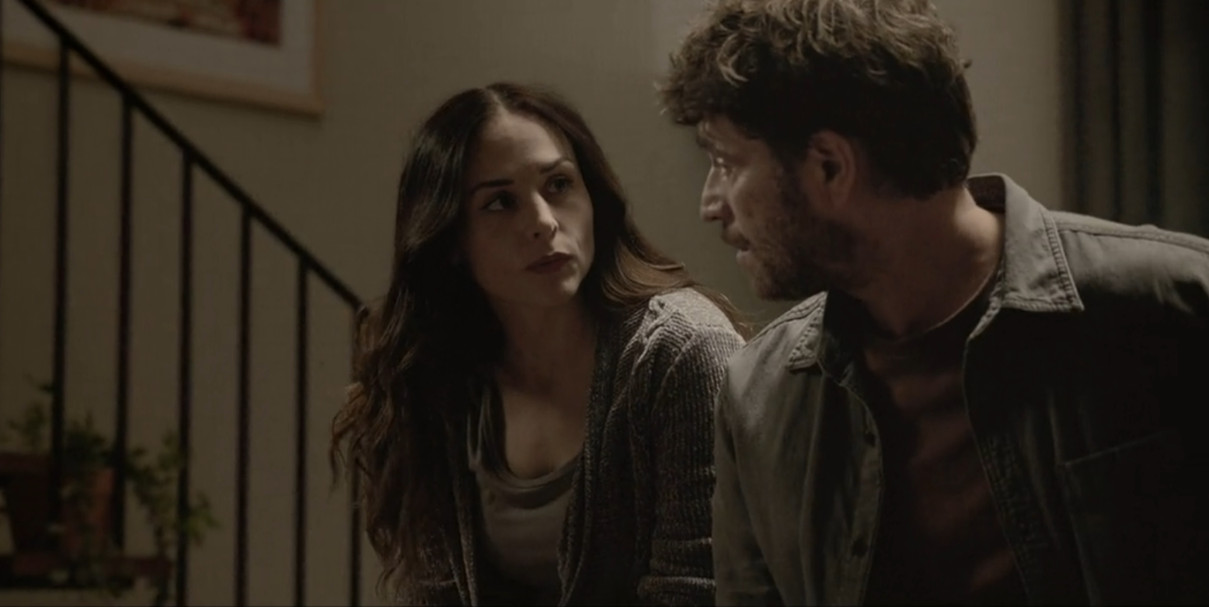
Though Patterson’s experiences as a journalist may have shaped his fiction, the story of ‘Inside the Circle’ is purposefully designed not to point towards any specific real-life parallels. The author made a conscious note not to create a disguised account of particular people, but he has hinted across numerous interviews that some of the broader plot beats of the story are loosely informed by his contemporary realities. Notably, a few real politicians appear as themselves in the novel, but they are often background characters designed to ground the story in realism. Given Patterson’s comments about having encountered political information that could not be published or fully documented, it might be the case that the book’s premise has a particular real-life origin, but as of writing, that possibility remains shrouded in ambiguity.
Some Characters in the Novel Are Composites of Real-Life Figures
While the character of Tomas in the show may not be a precise self-insert for author Jorge Zepeda Patterson, the sociopolitical context of the story reflects his own take on the return of the Institutional Revolutionary Party, or PRI, to power in Mexico after 12 years of being in the opposition. Patterson’s book is set in the year 2013 and depicts a vaguely reminiscent landscape, with some characters serving as amalgamations of real-life figures. In a conversation with ZETA, he described the main antagonist, Augusto Salazar, as a dramatized synthesis of Miguel Ángel Osorio Chong and Luis Videgaray, respectively the Secretary of the Interior and the Secretary of Finance and Public Credit at that time. Apart from some superficial similarities, however, Salazar isn’t based on either of the two real-life figures and maintains a fictionalized role in the story.
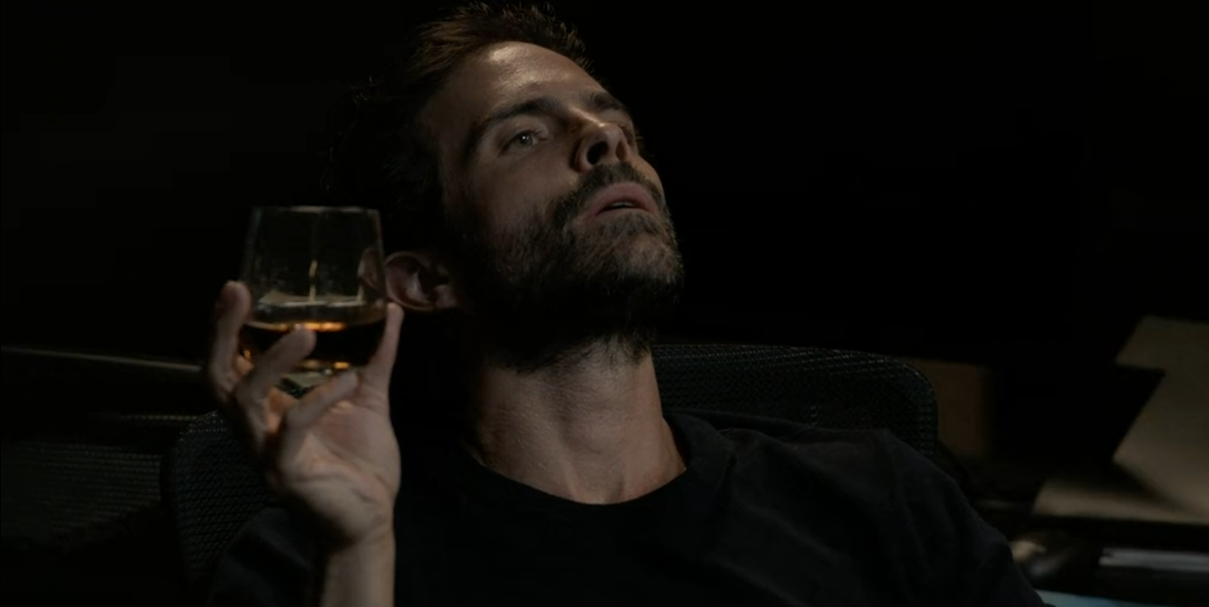
In another example, Patterson noted that a plot beat in his novel concerning the fictional governor of Veracruz is actually a reimagining of a true story involving another real governor. In adapting the book’s content to the screen, however, the show’s writing team, led by Fanie Soto, made quite a lot of changes. Patterson served as a consulting producer for all eight episodes of the season and noted that one of the biggest changes was shifting the timeline from 2013 to roughly the present, expanding the scope of the show’s political commentary.
The shift in timeline was accompanied by an increased focus on technology, with Patterson noting that while the premise is still built around a single viral video, social media and digital platforms now play a much greater role than when he first started work on the novel. Another such change is the introduction of a female president, with some fans pointing out that her look might be a nod to Claudia Sheinbaum, who became the President of Mexico in 2024. While these contemporaneous changes do make the show feel much more immersive in its attention to detail, the broader narrative’s focus on corruption, the elite, and the many complexities of human interpersonal connections is what ultimately makes it a timeless tale.
Read More: Inside the Circle Ending Explained: Who Killed Pamela Dosantos? Why?


You must be logged in to post a comment.