
 Abhiroop Das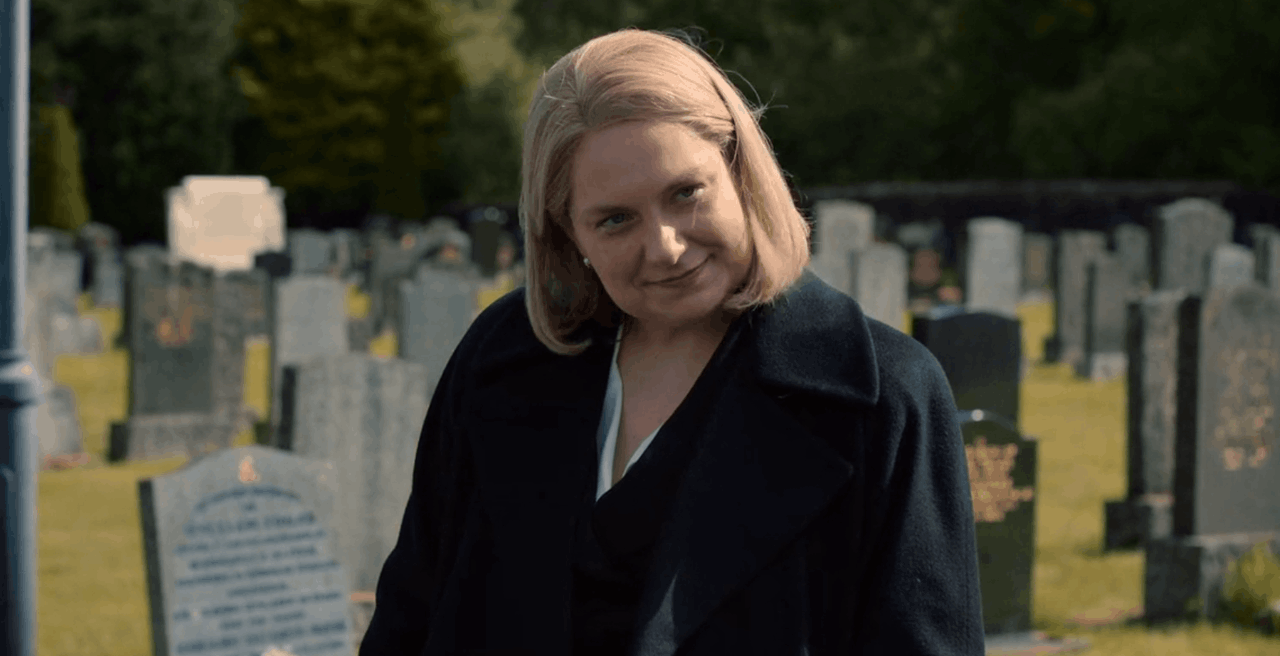
Created by Jonathan Lee, ‘The Bombing of Pan Am 103‘ reimagines the fateful night of December 21, 1988, when the titular aircraft was destroyed by a bomb while flying over Lockerbie, Scotland. A total of 270 people lost their lives, prompting one of the lengthiest and most complicated investigations of its kind. The drama series shines a light on the investigators from all over the world who came together to put this mystery to rest. The role of Kathryn Turman in all of this, however, is slightly different.
Where characters like Ed McCusker and Dick Marquise obsess over apprehending the people responsible for the bombing, Turman directs her focus towards the victims, and especially their families, who still know very little about what happened to their loved ones, much less who did it. Turman’s journey, as such, puts a humanizing layer over the story, reminding us of what was lost in that tragedy, and what is at stake.
Kathryn Turman Supported the Families Affected by the Pan Am 103 Tragedy
Kathryn Turman’s involvement with the Pan Am Flight 103 case began in the 1990s, when she was the Director of the Office for Victims of Crime at the Department of Justice. She was primarily tasked with creating a plan to assist the victims’ families during the trial, but that was easier said than done. At the time, the Justice Department reportedly didn’t have an established assistance program of this nature, and without the necessary infrastructure, Turman and her team had to do a lot of things from scratch. What made things even more complicated was the fact that there were victims from several countries, including Germany, Italy, and the Philippines, to name a few. This meant that Turman had to make the trial accessible to people from all over the world, while also being sensitive to their grievances.
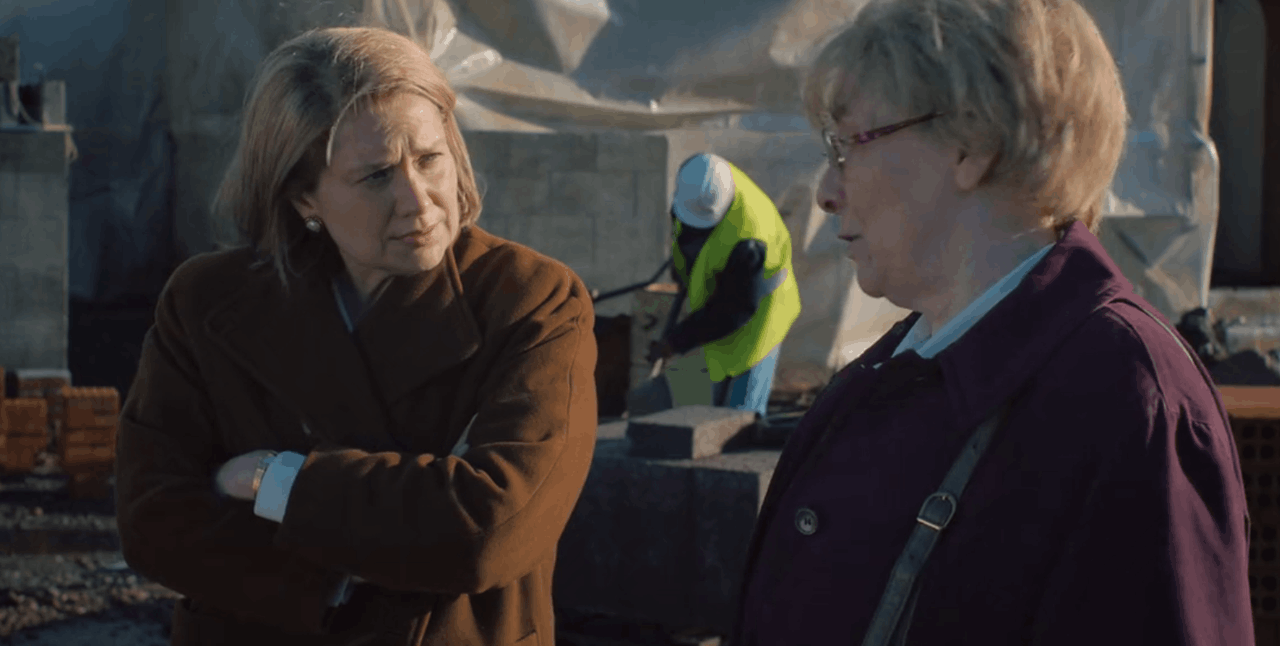
“The first thing was to really try to understand what the families wanted and expected,” Turman recalled in a conversation with the FBI, explaining the process that went into making an assistance program. With more than a decade having passed since the bombing, Turman realized that the best way to assist the families of the victims is to bridge the information gap. To do that, her team proposed a novel idea: creating a website and providing video coverage of the trial that could be accessed from two continents, Europe and North America. The coverage also had to be in the form of a closed-circuit, meaning that its viewing had to be restricted to official channels only. All of this amounted to an unprecedented effort within the Justice Department, for which Turman received the Edmund J. Randolph Award in 2000.
Kathryn Turman Founded the FBI’s First Victim Services Division
After the completion of the Camp Zeist trial, Kathryn Turman joined the FBI and poured all of her knowledge and experience into assisting the people affected by the September 11 attacks. “So much of what we ended up doing for 9/11 families and others has come from lessons learned from the Pan Am 103 families,” Turman explained. The following year, she was tasked with building the bureau’s first dedicated victim assistance program, which later evolved into the Victim Services Division. Beginning with just six employees in 2002, the division went on to include around 300 victim specialists, including psychologists, forensic interviewers, and service coordinators, many of whom were trained under Turman.
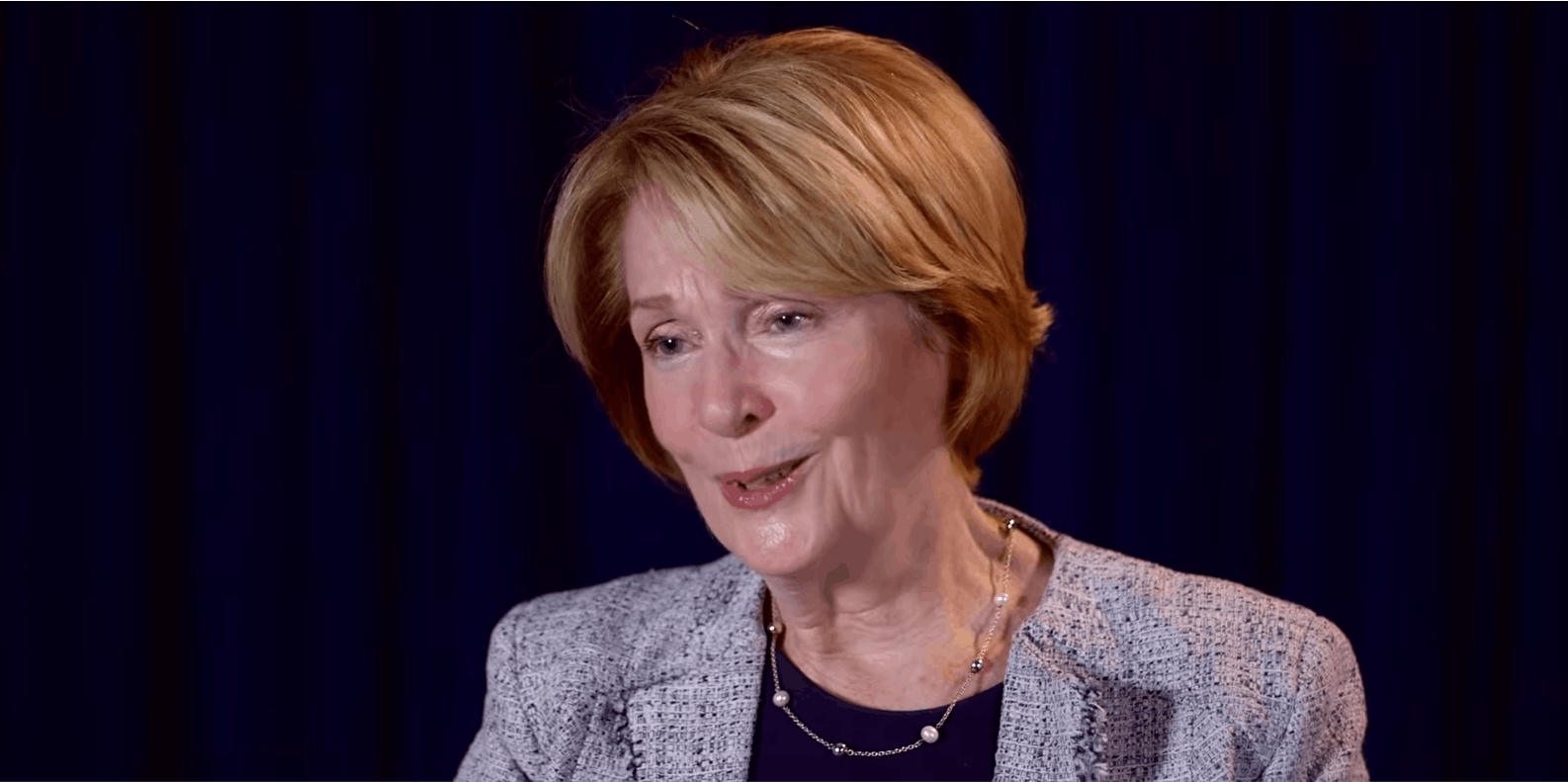
With Turman and her team working directly with victims and families during federal investigations, their presence was felt across the FBI and was sometimes met with resistance. As she recalled, one senior agent told her, “We’re law enforcement. We lock people up. We don’t hug people,” but that didn’t deter her from working to make victim assistance programs more accessible. In 2005, the FBI established its Victim Services Response Team, which played a key role in responding to the Boston Marathon bombing in 2013 and the mass shooting in Las Vegas in 2017, among numerous other cases.
Thus, the Victim Services Response Team cemented itself as an integral part of the agency. Over the course of a long and illustrious career, Turman has acted as the Director for the Missing and Exploited Children’s Program and worked in several task forces, including the Federal Task Force on Child Abuse and Neglect. Her work’s impact can be felt in the fields of DNA Evidence, Hostage Policy, and Medical-Legal Death Investigation. Additionally, she also served on the Federal Interagency Working Group on Pandemic Influenza and At-Risk Individuals.
Related

Kathryn Turman Retired From the FBI in 2020, But Continues Advocating For Victims Today
For Kathryn Turman, creating a better environment for victims and their families is as important as educating and training the next generation about victim services. In that regard, she is happy with how the younger generations of families affected by the Pan Am 103 attack have taken on leadership positions themselves. Remembering the tragedy is important for Turman, as, in her own words, “there’s a saying that the dead are still with us as long as someone speaks their name. So I think that’s one of the things that we do in the FBI, and we do well, is we speak their names. We continue to do that.” Assisting victims and making the trial system more accessible also serves as her way of coping with the negativity often associated with the process.
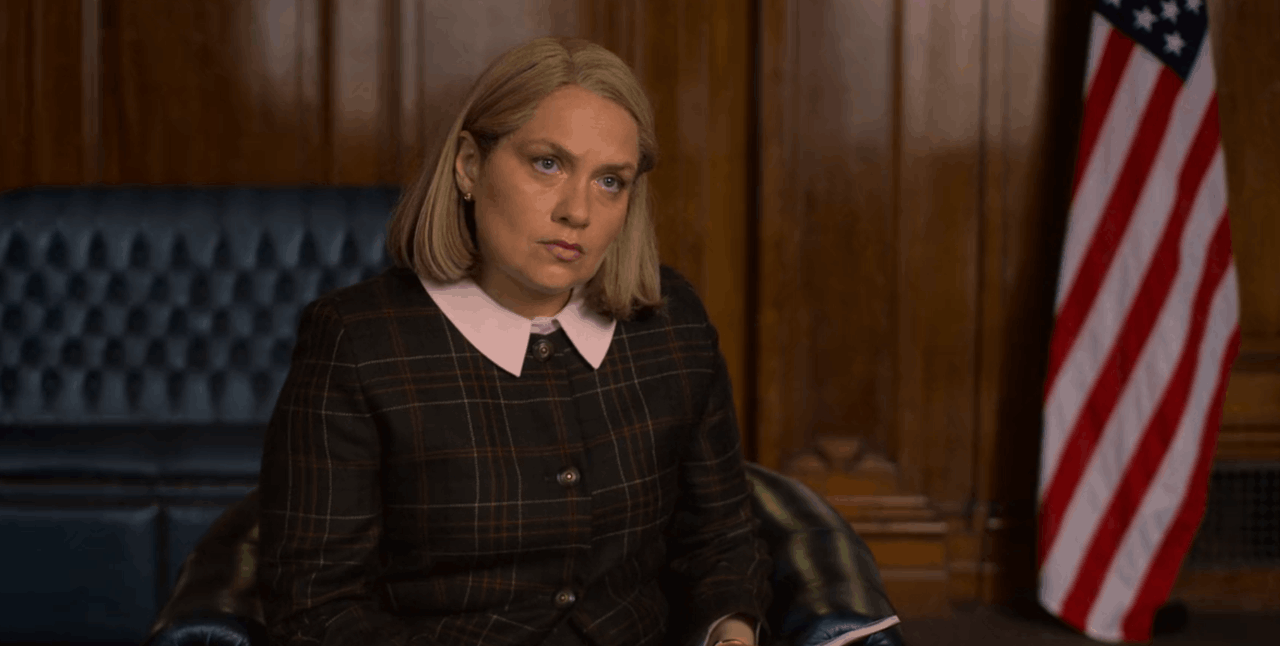
Turman retired from the FBI at the end of June 2020 after 18 years leading its victim-services program. At the time of her retirement, she said her proudest achievement was building the team and establishing victim services in a professional capacity within the bureau. In 2021, Turman joined the Board of the Justice Management Institute as a Treasurer, and remains committed to bringing systemic improvements in victim assistance programs through her volunteer work as a Court Appointed Special Advocate for abused and neglected children. She continues to serve as a consultant on terrorism and mass violence issues, ensuring that the skills she has honed over the years are still making a positive impact, especially for victims and their families all over the world.


You must be logged in to post a comment.