
 Abhiroop Das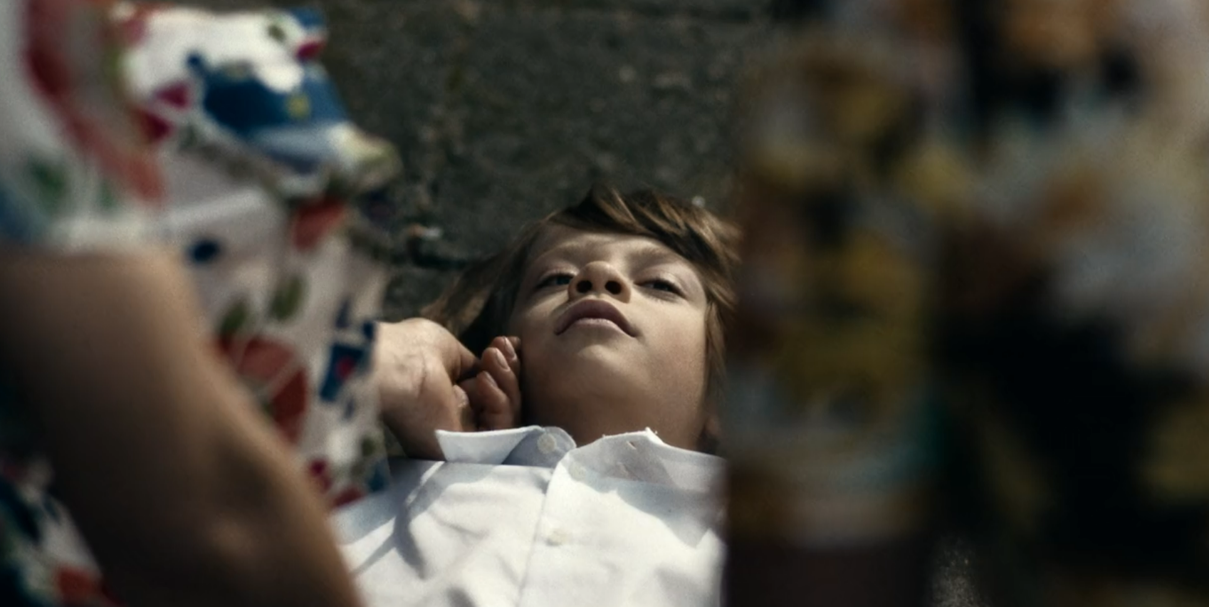
Directed by Maciej Pieprzyca, Netflix’s ‘Lead Children‘ or ‘Olowiane Dzieci’ is based on a real incident that unfolded in Poland in the 1970s. Set in the industrial district of Szopienice, the drama series follows Dr. Jolanta Wadowska-Król, a local pediatrician who notices an increase in cases of lead poisoning among children. While such cases are regrettable amongst factory workers, seeing hundreds of potentially poisoned children prompts Jolanta to dig deeper. Soon, she identifies the local smelting plant as the root cause of it all, but with each attempt at awakening the public’s consciousness, she finds herself battling alone. The case of Karol Tafis holds significant meaning in Jolanta’s heroic journey, as it is not only the first case she takes on, but also the one that probes her moral fiber the most. SPOILERS AHEAD.
Karol Tafis is Partially Based on Jolanta’s First Patient With Lead Poisoning
Karol Tafis in ‘Lead Children’ is likely a semi-fictional character created by writer Michal Jedryka. While some reports do mention a child with the first name Karol as the first case that alerted Dr. Jolanta Wadowska-Król to the mass lead poisoning crisis, not a lot is known about the specifics of this incident. Jedryka has confirmed on numerous occasions that the show blends reality and fiction for a heightened dramatic effect, but also that its end-goal is to simulate reality. As such, while portions of Karol’s role in the story may be augmented to fit the narrative, his primary purpose remains the same: to be our introduction to the tragedy of Szopienice. Based on existing records, it appears that the scene of his falling sick has been fictionalized to a great extent.
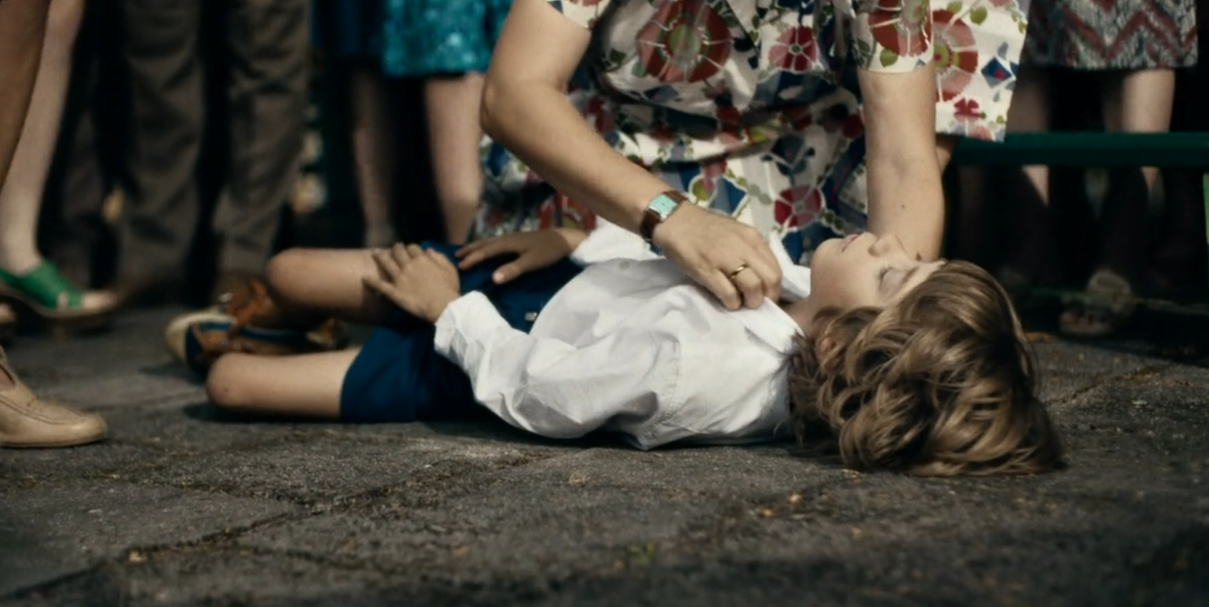
As per reports, Jolanta first interacted with the real-life Karol in 1974, when he arrived at the Szopienice District Clinic with symptoms such as blackened teeth and an altered way of walking. Based on Jolanta’s recollection of the events, it is known that Karol, who was six at that time, lived with his family in Westerplatte Street and had a history of anemia. Initially, Jolanta believed this to be a case of mucopolysaccharidosis, which is a metabolic condition that often manifests with symptoms such as stiff joints.
To learn more about Karol’s case, Jolanta sent him to the Silesian Academy of Medicine in Zabrze, where he was examined by Dr. Bożena Maria Hager-Małecka. Here, it quickly became apparent that Karol wasn’t suffering from a metabolic disorder, but from lead poisoning. For both Jolanta and Bożena, this marked the first recorded case of saturnism due to the contamination introduced by the region’s smelter plants. However, records of where and how he was treated after this diagnosis remain hard to find.
The Real-Life Karol’s Fate Remains Unknown as of Writing
While it is known that Karol was the first among many children who were diagnosed by Jolanta, existing records do not confirm his eventual fate in real life. In the show, Karol initially recovers from his fainting, but his story doesn’t end there. After realizing that he has lead poisoning, Jolanta asks for an emergency blood transfusion, and while Karol survives for some time after that, his symptoms soon resurface, resulting in his death in episode 4. Given the lack of clear information on this subject, it cannot be ascertained whether this scene is purely a fictional construct or is based on real accounts of what happened to the real Karol after his diagnosis.
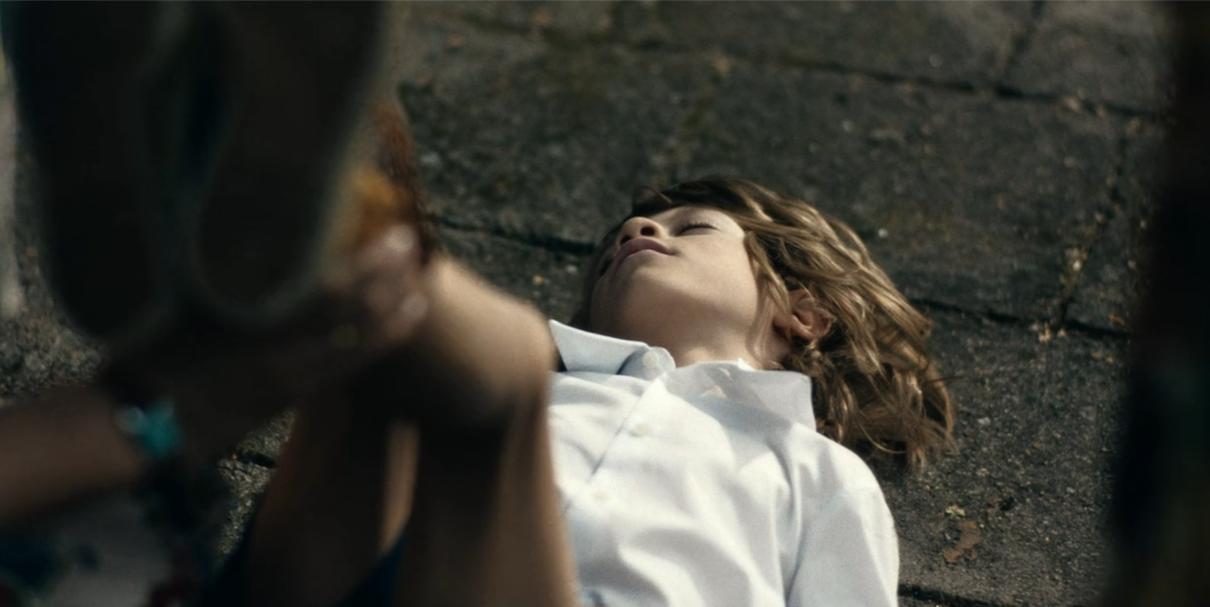
Karol’s tragic death marks a turning point in the series’ narrative, as Jolanta essentially comes to learn of the true horrors that the mass lead poisoning incident can lead to. To that end, she begins fighting more insistently for children’s relocation, not resting until change is realized. In real life, Jolanta was at the forefront of demanding the safety of Szopienice’s residents, even when it meant going toe to toe with authorities. Notably, around this time, Jolanta also completed her doctoral thesis, where she had documented the entire crisis, including, potentially, details about Karol’s case.
However, Jolanta was reportedly not allowed to defend her thesis, and it is believed that all copies of her research got lost over the years. This serves as one possible explanation for the lack of information surrounding Karol. In 1975, officials relented to her demands and ordered the demolition of houses and marketplaces in the most contaminated regions. This was followed by a relocation initiative, which helped residents get back on their feet. However, what happened to Karol and his family in real life remains unknown to some extent.
Read More: Where is Jolanta Wadowska-Król Now? Update on the Lead Poisoning Activist


You must be logged in to post a comment.