
 Abhiroop Das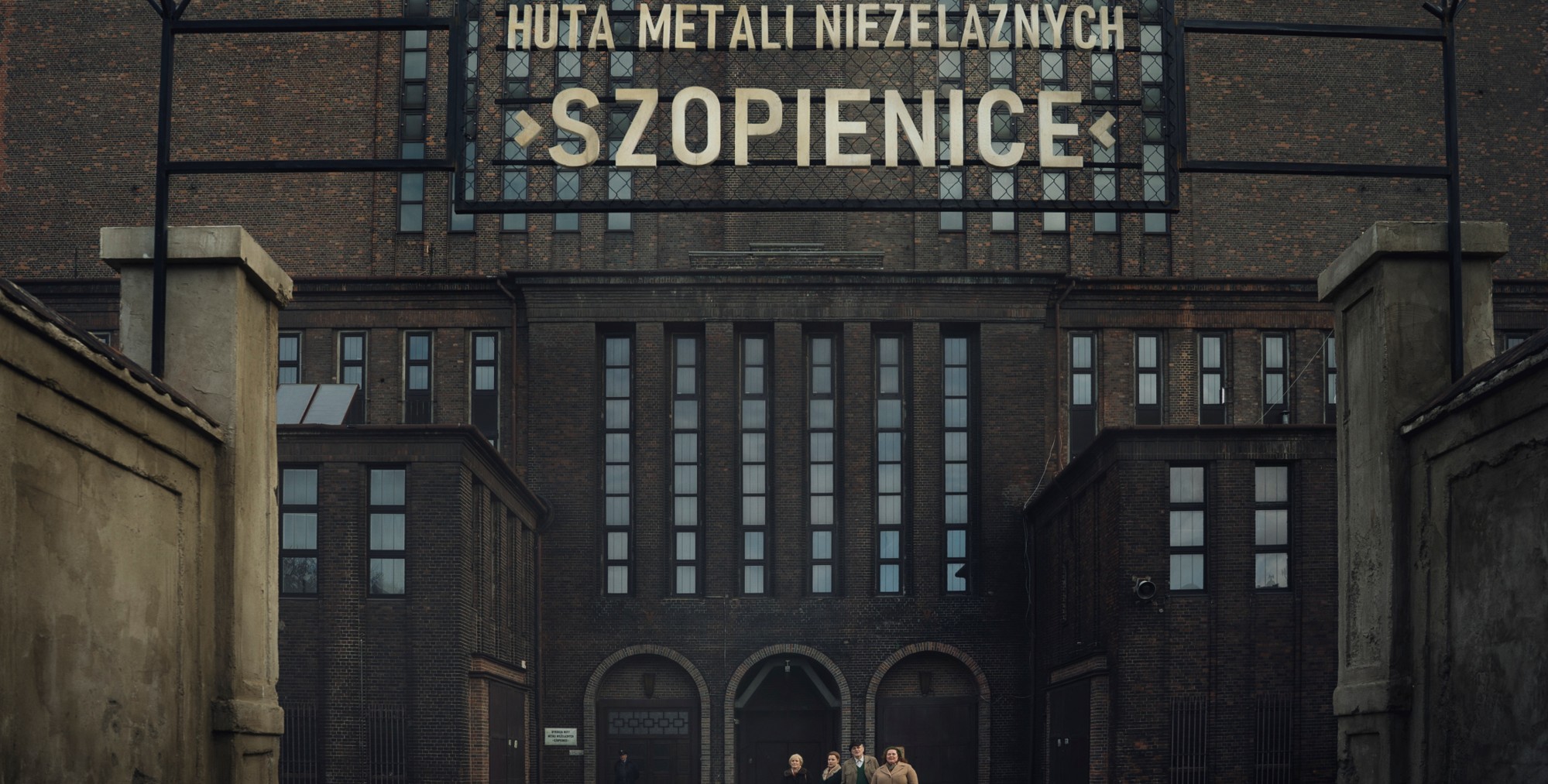
Directed by Maciej Pieprzyca, Netflix’s ‘Lead Children,’ or ‘Olowiane Dzieci,’ is in part an adaptation of the eponymous book by Michal Jedryka, and a dramatization of a real incident of mass lead poisoning in Poland. Upon coming across a number of saturnism cases amongst children, Dr. Jolanta Wadowska-Król realizes that the city is on the cusp of utter chaos. At the source of it all, she identifies Szopienice Nonferrous Metal Steelworks, the smelting plant that is foundational to the entire region’s identity.
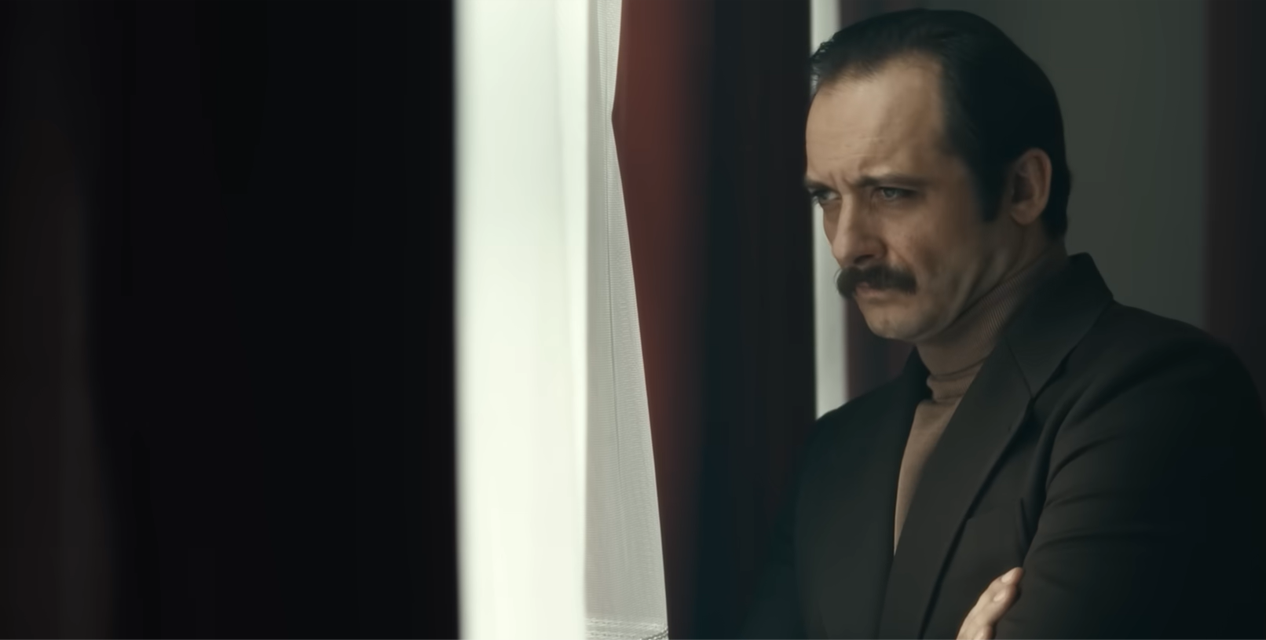
Jolanta’s efforts to save lives, as such, are quickly interpreted as a rebellion against the state’s industries, and she soon finds herself in more trouble than she bargained for. With every episode of this Polish drama series, we juggle between her perspective and that of the factory’s employees on every level, be it the workers who are affected the most, or the owners who control things from the shadows. Uniting both ends of the spectrum is the smelter itself, which ultimately comes alive as a setting.
Szopienice Steelworks Reimagines the Real Epicenter of Lead Contamination in the District
Szopienice Nonferrous Metal Steelworks, the smelting plant featured in ‘Lead Children,’ is a dramatized recreation of the real-life Szopienice Non-Ferrous Metals Smelter, also known in Polish as Huta Metali Nieżelaznych Szopienice Spółka Akcyjna. Just like its on-screen rendition, the real smelting and steelworks plant was located at the heart of the Szopienice district, shaping the lives and livelihoods of hundreds of families. However, the smelter was also chiefly responsible for the lead contamination in the surrounding region, and a reimagination of that detail marks the central premise of the Netflix mini-series. To that end, apart from the plant’s name, most of its characteristics are based on real-life details.
Szopienice Non-Ferrous Metals Smelter was founded in 1834 and originally known as the “Wilhelmina” zinc smelter. Over the next century, it rose to become one of the largest producers of non-ferrous metals in the Silesia region of Poland, and was briefly the largest producer of cadmium in the world. Following the nationalization and reorganization process of the industry, the plant became Szopienice Non-Ferrous Metals Smelter in 1972. During this time, it also became a notable producer of rolled copper and brass, and before long, the Szopienice district’s identity became synonymous with the smelter’s production capabilities.
The Real-Life Szopienice Smelter Still Exists as a Monument
Around the early 1970s, emissions of untreated exhaust fumes, as well as dustfall from the factory’s output, resulted in a severe crisis of environmental pollution, specifically due to lead contamination. Reports indicate that the filters installed at the factory to prevent this contamination turned out to be dummies, further enabling the pollution. The families that lived closest to the smelter were among the most severely affected, with reports of abnormal and life-threatening concentrations of lead and other minerals in the region’s soil and children’s bloodstreams. Dr. Jolanta Wadowska-Król, who was at that time a pediatrician at the District clinic, was among the first to highlight this crisis to a larger audience, leading the preventive relocation and treatment of several children.
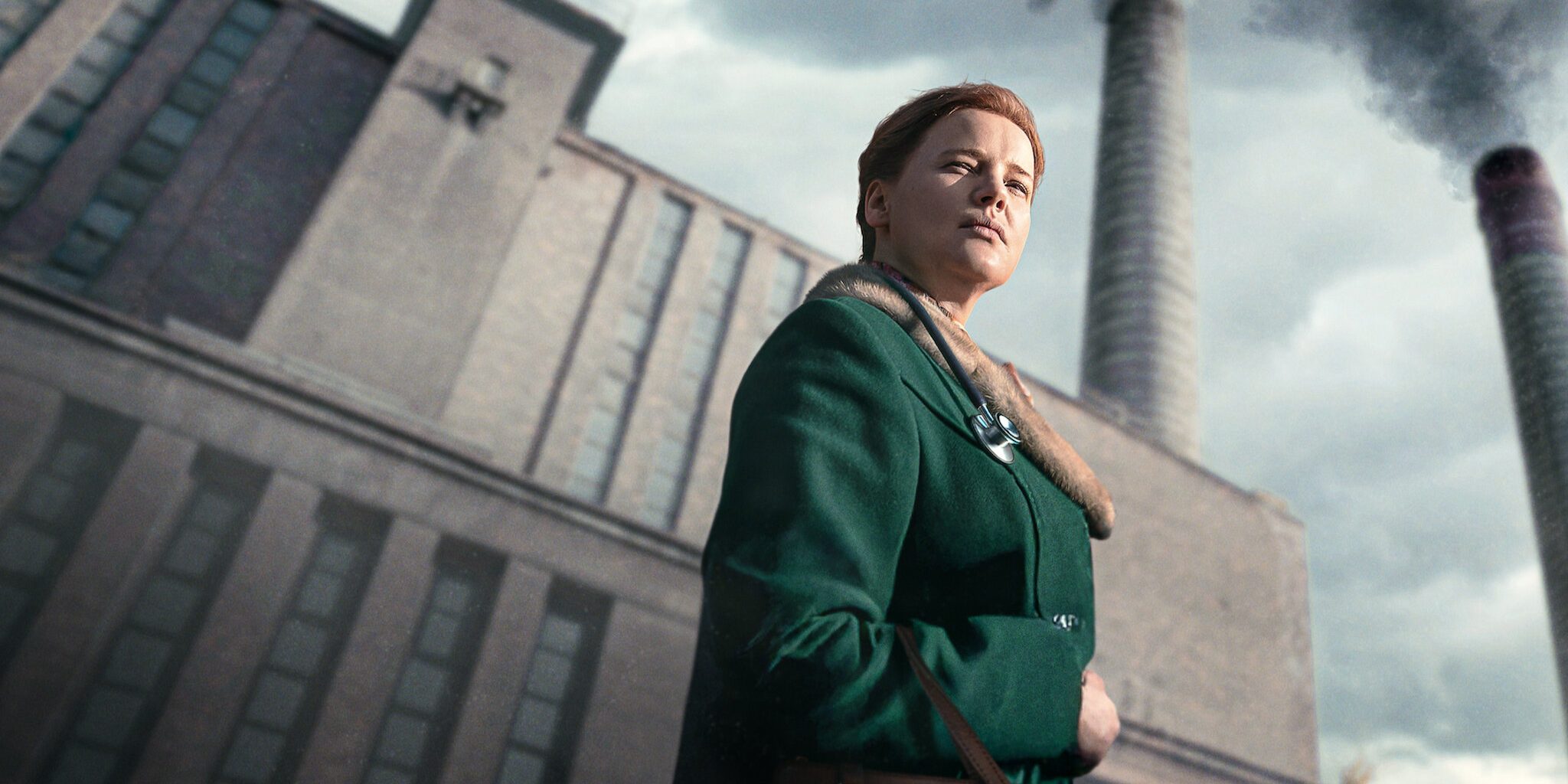
As per reports, the Polish People’s Republic government tried numerous measures to suppress the concerns raised by Dr. Jolanta and her peers, going as far as to prevent her from defending and publishing her doctoral thesis on the subject. In the show, this element is partially fictionalized for an added dramatic effect. However, at its heart, the show’s depiction is rooted in the real-life clash between Jolanta and the authorities in charge of the smelter. In 1975, after much deliberation and public pressure, authorities ordered the demolition of several polluted neighborhoods around the smelter, as well as the relocation of many of the affected residents of the district.
While the area surrounding the smelter was taken down and rebuilt, the industry itself continued to function well beyond the scope of ‘Lead Children.’ In 2000, roughly 11 years after the dissolution of the Polish People’s Republic, the plant was privatized and renamed the Szopienice Non-Ferrous Metals Smelter Joint Stock Company. Eight years later, on September 26, 2008, a resolution to liquidate the smelter was passed. However, this decision was stalled by the court in November of the same year. In the present, a portion of the plant has been converted into and preserved as a monument. While the structure continues to exist in Szopienice to this day, its memory is characterized by the lead crisis of the 1970s and the impact it had on the community as a whole.
Read More: Where is Jolanta Wadowska-Król Now? Update on the Lead Poisoning Activist


You must be logged in to post a comment.