
 Abhiroop Das
Helmed by Dave Thomas, Lifetime’s ‘Picture Perfect Sister-in-Law’ is a psychological thriller that journeys alongside Parker Beaumont, a former investigative journalist who famously survived the kidnapper known as the “Carousel Killer.” In the three years since the incident, Parker seems to have found a new footing in life as a university lecturer, but that changes when a terrifying symbol of her past reappears. Before long, she is surrounded by the carousel music boxes that once traumatized her to the point of no return.
It can only mean one thing: the serial killer is back to finish what he started. Even more out of the ordinary is Parker’s curious dynamic with her sister-in-law, who, on first glance, seems to have no flaws or darker aspects. However, with every passing day, it becomes apparent that things in this family are not what they seem. Thus, Parker is forced to return to the profession she once left behind, with the sole purpose of bringing anyone scheming against her to justice.
Picture Perfect Sister-in-Law Explores a Serial Killer’s Crimes and Their Lasting Impact Through a Fictional Lens
‘Picture Perfect Sister-in-Law’ is a work of fiction by Shannon Latimer, with no apparent connection to real-life criminal cases. While that may be the case, the premise of a child abductor and abuser known as the “Carousel Killer’ is loosely reminiscent of real serial killers of a similar nature. In particular, the closest parallel seems to be Werner Ferrari, a Swiss serial killer who abducted and murdered at least 5 children in the 1980s. Reportedly, he targeted children who were attending popular festivals and then kidnapped and sexually abused them before strangling them to death.
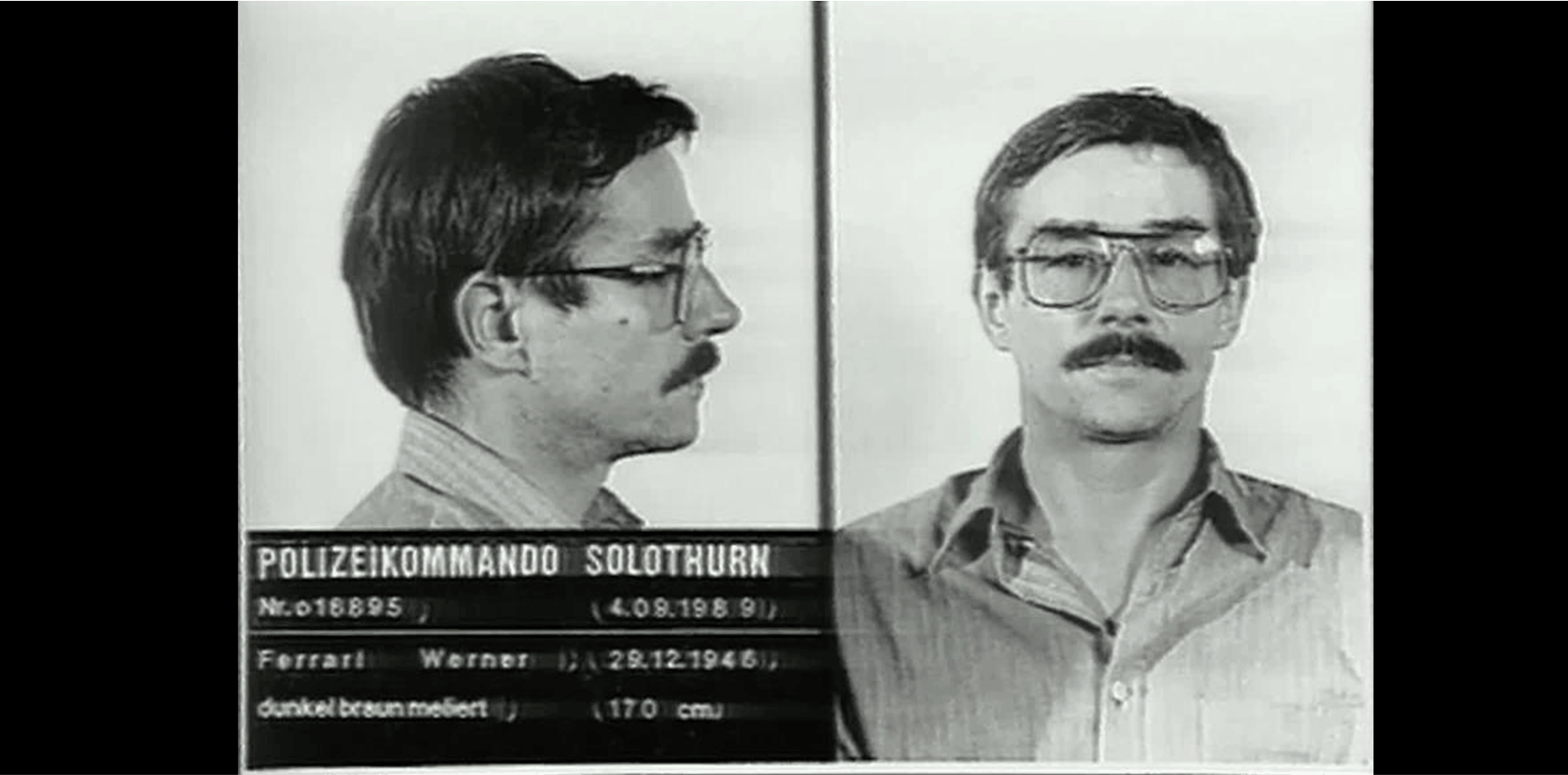
Between the years of 1980 and 1989, Ferrari reportedly kidnapped at least 11 children across several cantons in Switzerland, out of which 8 were killed, and 3 are still missing as of writing. Ferrari was arrested on August 30, 1989, four days after he killed 9-year-old Fabienne Imhof. While Ferrari confessed to four murders, he reportedly denied any involvement in the murder of 12-year-old Ruth Steinmann, whose remains were found on May 16, 1980.
After Ferrari was convicted on 5 counts of murder in 1995, a 2002 reevaluation revealed that the DNA evidence found on Steinmann’s body didn’t match Ferrari. He was acquitted specifically of Ruth Steinmann’s murder in 2007, but remained incarcerated for the other four counts, and died in prison in 2025. In ‘Picture Perfect Sister-in-Law,’ the carousel plays an important role on both literal and symbolic levels, and a case can be made that Werner Ferrari’s modus operandi serves as a partial reference point. However, as the creators have not confirmed any such overlap as of writing, it is likely that these connections are superficial.
The Lifetime Movie May Have Drawn Inspiration From the Cast of John Wayne Gacy
Another real-life serial killer who might have influenced the creation of the “Carousel Killer’ is John Wayne Gacy, also known as the “Killer Clown.” In 1975, Gacy created his clown personas named “Pogo the Clown” and “Patches the Clown,” and began performing at local events and children’s hospitals. During this time, he reportedly sexually abused and killed several young men and boys, with at least one report of him trying to sexually assault one of his employees after donning the clown costume. While Gacy was first convicted in 1968 for sexually abusing a boy and sentenced to 10 years in prison, he only served 18 months after being granted parole in 1970. He was arrested for the second time on December 21, 1978, and convicted of 33 murders.
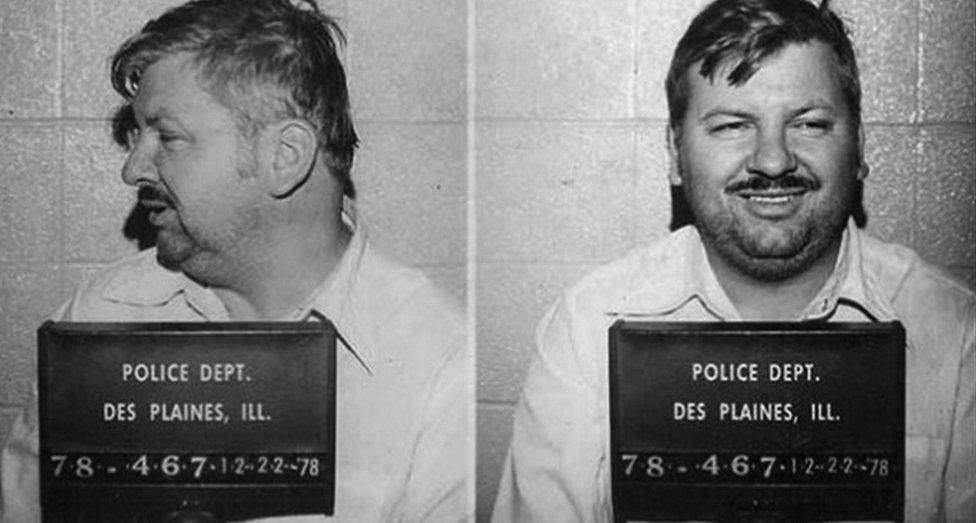
Gacy was eventually sentenced to death in March 1980 and executed 14 years later on May 10, 1994. Given that several details from Gacy’s case bear some resemblance to how the story in ‘Picture Perfect Sister-in-Law’ pans out, it is possible that the creators of the Lifetime production drew some references from reality and then developed a fictional narrative around it. Lifetime is no stranger to stories told in a similar fashion, as stories like ‘Vanished in an Instant,’ ‘The Couple Across the Street,’ and ‘Mary J. Blige Presents Be Happy‘ all achieve this narrative goal.
Read More: Is Jo Nesbø’s Detective Hole a True Story? Is Harry Hole Based on a Real Detective?


You must be logged in to post a comment.