
 Abhiroop Das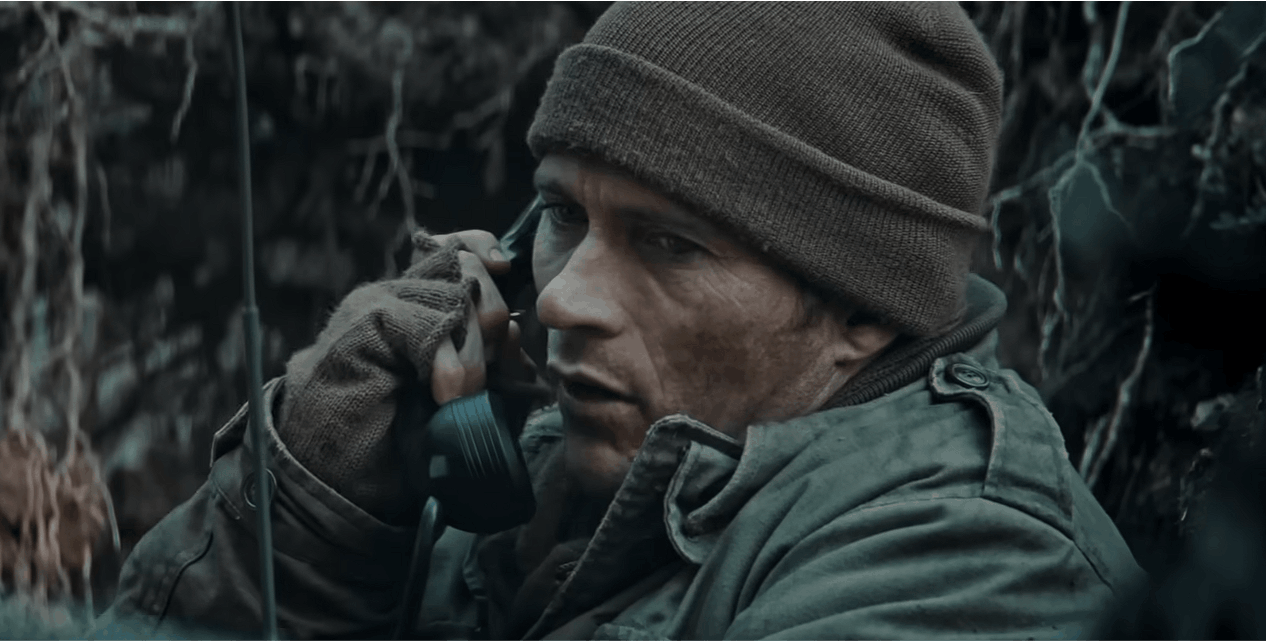
Helmed by Rod Lurie, ‘Lucky Strike’ journeys alongside Captain John Castle, an engineer turned soldier who is dedicated to serving his nation come what may. His expertise particularly comes in handy with the Battle of the Bulge, where a major goal is to impede the German troops while the Allied Forces strengthen their ranks. However, during one such mission, Castle finds himself alone, wounded, and perhaps the worst of them all, in hostile territory. As his entire unit is killed right in front of him, Castle realizes that he must make it back to his base all by himself, on foot, even when there are several miles and hundreds of enemy soldiers standing in the way. As we follow him throughout this war drama film, the true horror of war is brought to life, all from the perspective of people who find themselves right at the center of it.
Lucky Strike is Loosely Inspired by Real-Life Events From the Battle of the Bulge
‘Lucky Strike’ is a semi-fictional story penned by Marc Frydman and Rod Lurie, which uses the real-life Battle of the Bulge as the starting point for its narrative. Accordingly, Captain John Castle, the engineer officer with a remarkable survival story, is also an invented character in this world. The Battle of the Bulge, fought from December 16, 1944, to January 25, 1945, is widely remembered as Germany’s final large-scale offensive in World War II, before it was ultimately defeated by the Allied forces. While several true stories from that war have made it into the public consciousness over the years, ‘Lucky Strike’ utilizes a different approach. It serves as a composite story capturing the broader experience of soldiers who fought in that war.
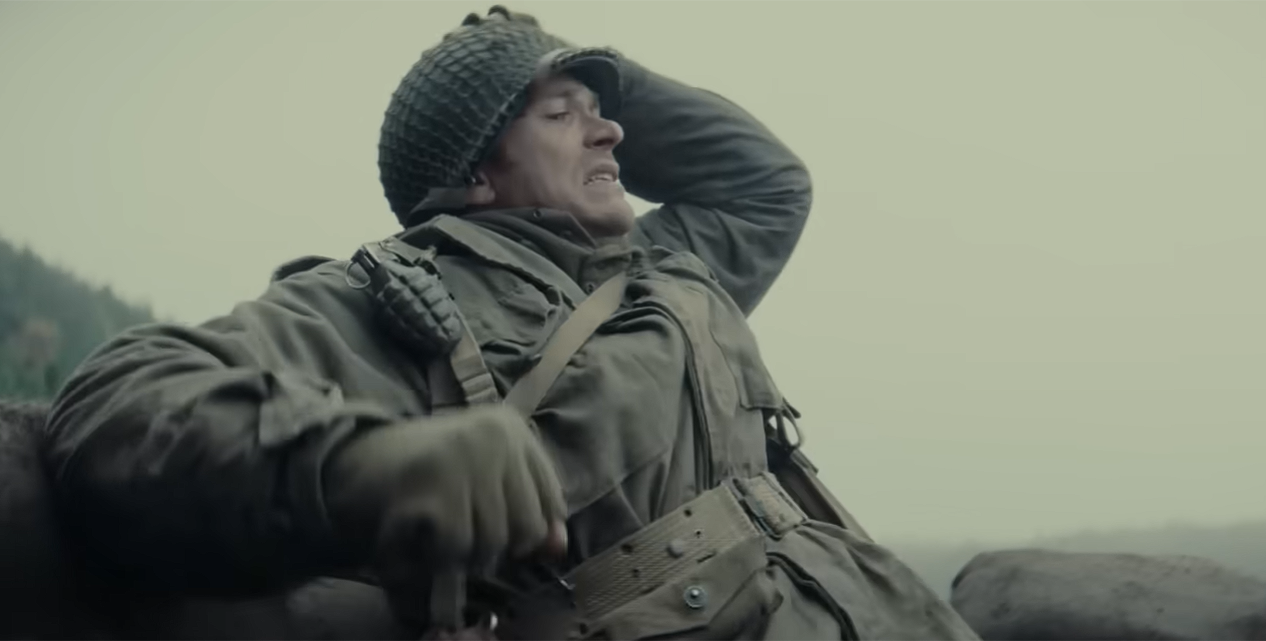
While John Castle might not be directly based on any real-life WWII soldier, some aspects of his arc can be traced back to reality. It all started with Frydman, who is also the producer of the film, interviewing several French war veterans for his high school project almost fifty years ago. It was then that he heard their accounts of several miraculous survivals and daring escapes, and the basis for ‘Lucky Strike’ stuck in his mind. After several screenplay drafts and rewrites over the years, he collaborated with Rod Lurie to bring to life the film we see today. Although Castle isn’t based on any singular person, his story still echoes the reality of what soldiers went through and how they survived during the most intense sections of the war.
The Battle of the Bulge Drew Hundreds of Thousands of U.S. Soldiers Into Combat
By the 1940s, the Ardennes region of Belgium and Luxembourg had emerged as one of the most intense battlefronts of World War II. The sector was primarily defended by American forces, and its natural forest cover provided an additional layer of protection. However, on December 16, 1944, the German Army launched a surprise assault on the Ardennes, hoping to split the British and American forces and seize the strategically significant port of Antwerp. The Allied aerial defense had been marred by poor weather, including snowstorms, which was one of the reasons why the German army was able to retain the element of surprise.
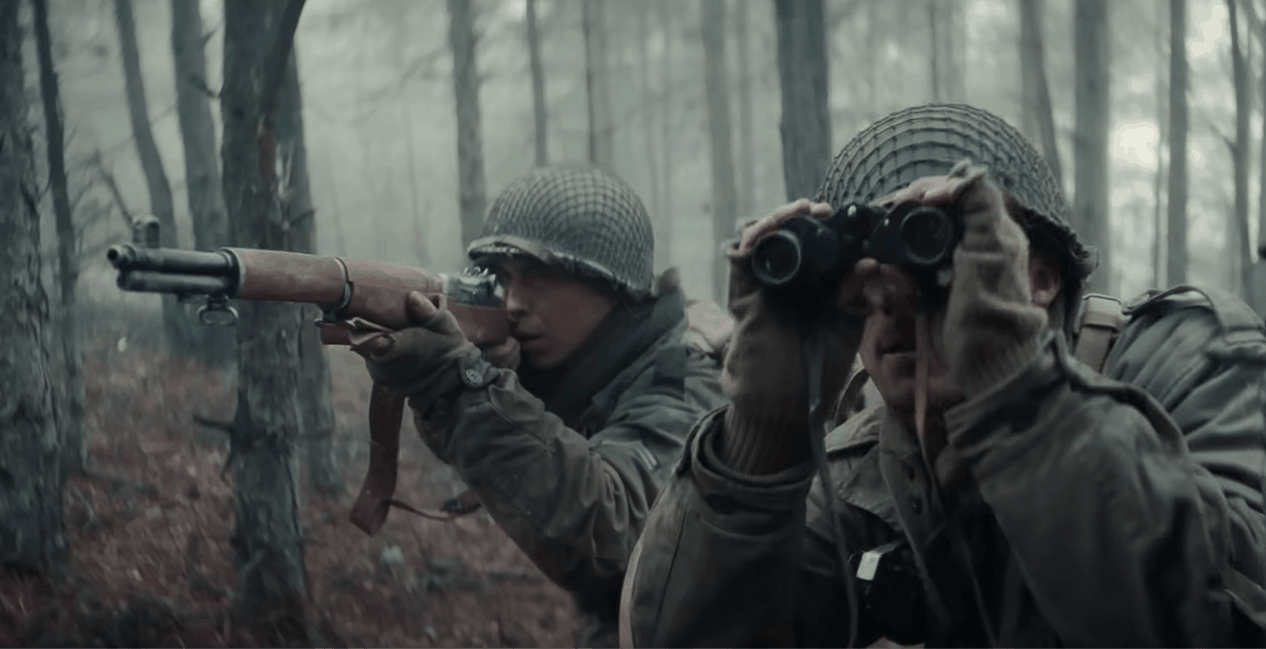
Over the following days, the Battle of the Bulge shaped up to be one of the largest and most gruesome battles ever fought by the U.S. Army. Reportedly, more than 800,000 troops participated in the campaign, with many of these soldiers being exhausted from earlier fighting. Adding to that, the sub-zero temperatures and unpredictable weather, the U.S. soldiers found themselves in a defensive position. Captain John Castle’s story, while invented, fits right into this setting, especially given that his main role was to blow up communication channels to stall the German forces from advancing deeper into the region.
John Castle’s Story Echoes the Experiences of Soldiers During World War II
It has been reported that, during the real Battle of the Bulge, two regiments, the 422nd and 423rd, both belonging to the 106th Infantry Division of the U.S. Army, found themselves trapped after being cut off from the rest of the Allied forces. The regiments occupied forward positions along the Schnee Eifel ridge, and the positions were spread across a broad defensive line. As such, when the German forces broke through weaker sectors to the north and south, the U.S. soldiers were left with nowhere to go. Following three days of fighting and failed breakout attempts, approximately 7000 soldiers from two regiments surrendered on December 19, 1944, and had to endure brutal conditions as prisoners of war.
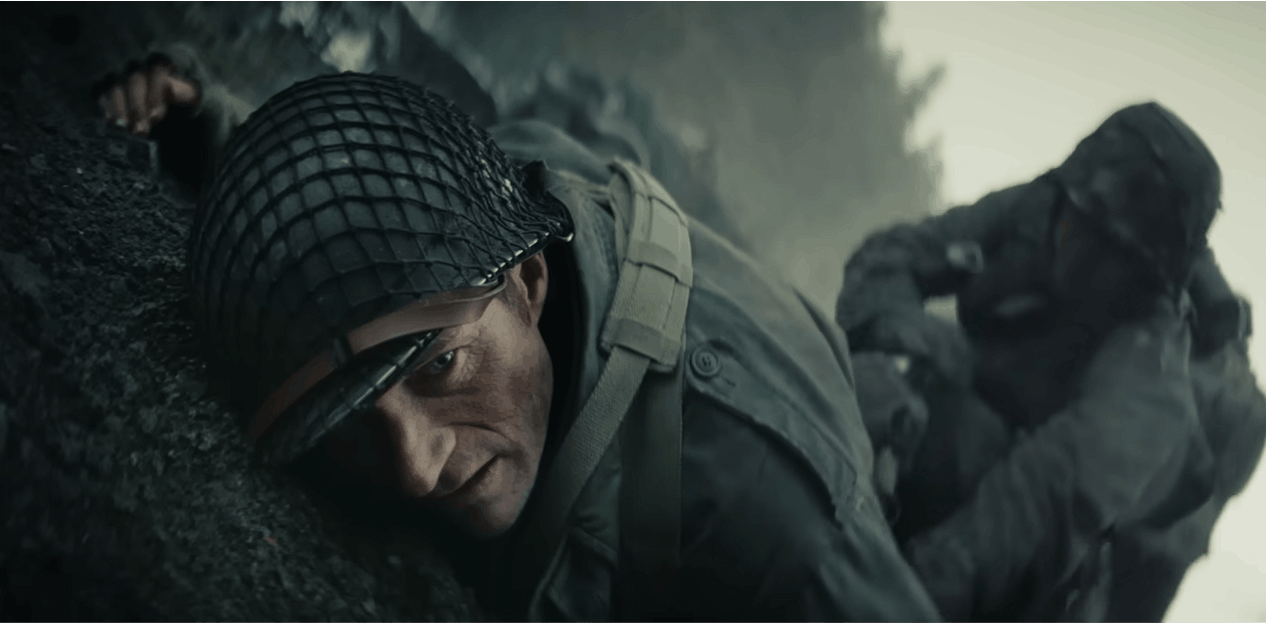
While John Castle’s journey most likely isn’t based on what happened to the 422nd and 423rd regiments, the character nonetheless embodies a lot of what soldiers had to go through during that period. As such, his inspirational journey back home speaks to the courage and determination displayed by these troops during the mission, and beyond. In real life, the Allied forces began to turn the tide by late December, with the return of the air force. By late January 1945, the German military campaign into the Ardennes had collapsed, leaving them with irreplaceable losses in experienced troops and armored vehicles.
Only a few months after the Battle of the Bulge, the war in Europe ended on May 8, 1945, with Germany’s unconditional surrender to the Allied powers, and none of it would have been possible without the efforts and sacrifices of the soldiers who fought in the Battle of the Bulge. While the finer details of ‘Lucky Strike’ may be fictional in nature, the story it tells is ultimately rooted in reality, and conveys the sheer scope of one of the most important and yet underdiscussed events in World War II history.


You must be logged in to post a comment.