
 Saagar Kote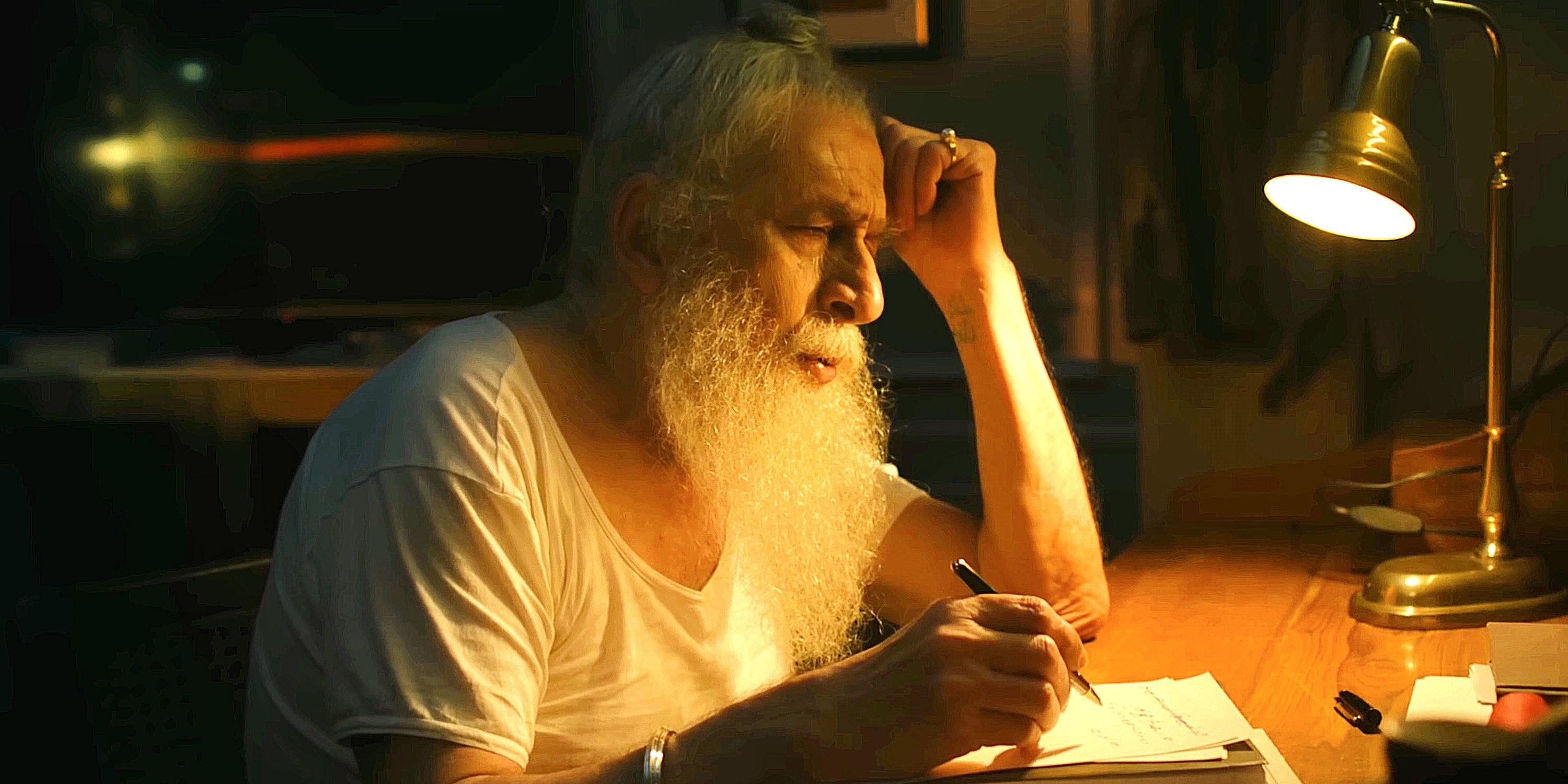
Helmed by Imtiaz Ali, ‘Main Vaapas Aaunga’ is a Hindi romantic drama film that unfolds across two timelines connected by memory and loss. The movie centers on 95-year-old Ishar Singh Grewal, AKA Keenu, who remains confined to a hospital bed in India after suffering a stroke. Despite his declining health and fading memories, he desires to return to Sargodha, the ancestral home he left behind decades earlier during the Partition of India in 1947. His grandson, Nirvair Grewal, gradually becomes determined to understand the meaning behind his grandfather’s fragmented recollections and emotional outbursts.
As he pieces together a story buried for nearly eight decades, Nirvair discovers a romance in the past that was interrupted by the chaos of the Partition. He delves deeper and begins to realize that the past may hold disturbing truths that affect not only his grandfather but also many other survivors of the Partition like him. The Indian movie deals with several complex themes that are intricately connected to the realities of a region’s geopolitical history.
Main Vaapas Aaunga Draws Inspiration From the Experiences of People Displaced by Partition
Penned by Imtiaz Ali and Nayanika Mahtani, ‘Main Vaapas Aaunga’ revolves around fictional characters. However, its emotional foundation stems from the lived experiences of individuals who witnessed the Partition of India. When British India was divided into India and Pakistan in August 1947, millions of people were forced to leave their homes and cross newly created borders. Families were separated, communities were torn apart, and entire lives were changed within a matter of weeks. The consequences of that migration still continue long after the formation of the two countries, leaving a lasting impression on generations across the subcontinent. The film draws from these realities while examining how individuals carry memories of those experiences at a later stage.
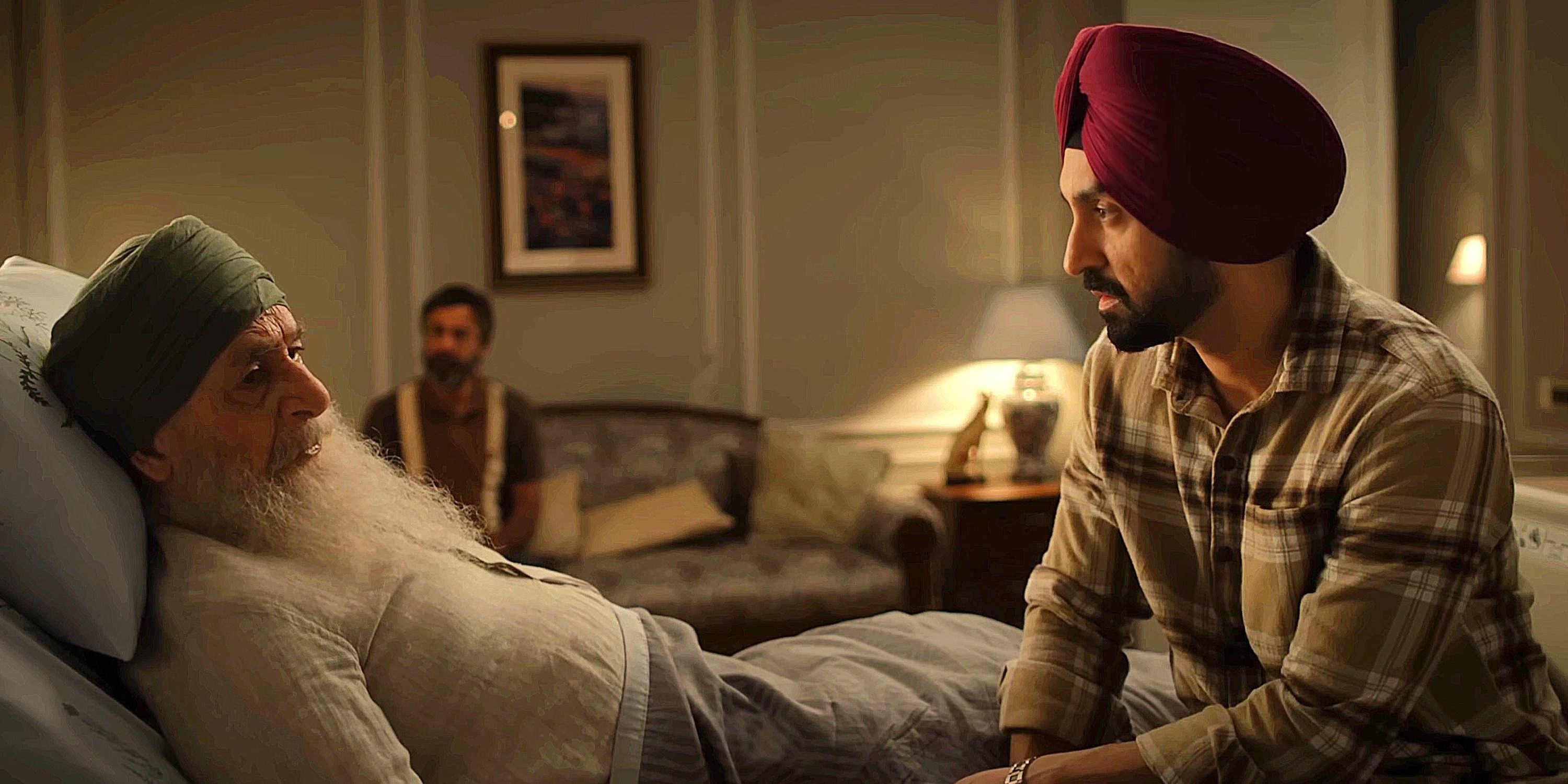
The story is shaped by filmmaker Imtiaz Ali’s conversations with survivors who lived through the horrors of 1947 and carried those memories with them throughout their lives. Talking to PTI, Ali said that rather than focusing solely on the violence and political turmoil often associated with Partition, the film focuses on personal tales and chooses a more realistic approach to storytelling. It reflects the individual experiences of countless people who were compelled to cross the border, moving from one side to the other against their will. Ali explained that many of the survivors he met did not mainly speak about politics or conflict when recalling their past. Instead, they remembered rivers, experiences, objects, and people they once admired or loved.
According to the filmmaker, there were romances between people from different faiths, which is also a part of the film’s narrative. The film’s premise emerges from these observations. Keenu’s longing for Sargodha is not simply a desire to revisit a location. It represents a connection to a world that exists primarily through memory. In that sense, ‘Main Vaapas Aaunga’ reflects the experiences of many people whose lives were permanently altered by displacement and who continue searching for emotional closure long after the historical event has ended.
Main Vaapas Aaunga Explores Love, Longing, and the Emotional Meaning of Home
At the heart of the story lies a question about returning to one’s home. Through Keenu’s memories, the film revisits a youthful romance between him and Jia, AKA Afsana, before the events of Partition forced them onto different paths. Their romantic relationship becomes one of the narrative’s most significant emotional points, representing opportunities, relationships, and futures interrupted by circumstances beyond their control. As Keenu struggles to come to terms with the tragedies of his past, his grandson, Nirvair, gradually uncovers details of a story that has been hiding within the family for decades. The investigation allows the younger character to engage with experiences that belong to an entirely different generation while also confronting questions about his own identity and place in the world.
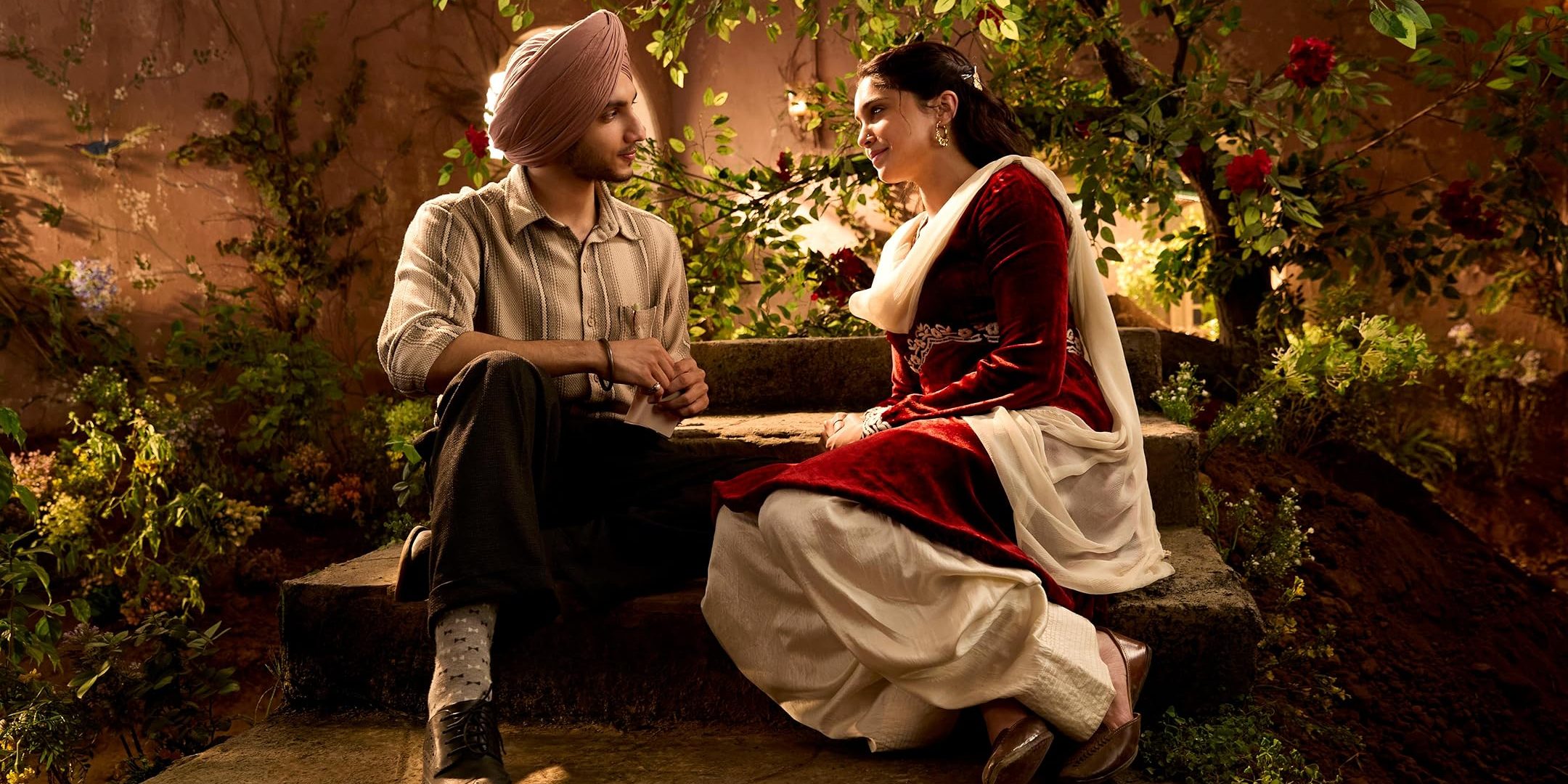
The connection between the two timelines creates a bridge between past and present, illustrating how unresolved emotions can continue influencing lives long after the original events have faded from public memory. In an interview with Bollywood Hungama, Imtiaz Ali opined, “This tale of fiction derives almost entirely from stories of people during the Partition. The past is always present. And decades later, when all incidents of woe have been spoken of, what remains is the early feeling of love that was too personal to share. The nostalgia of who we love and where we belong lives with us forever. This personal treasure sustains us and defines the quality of our lives.” The act of migration is a major part of world history, defining countless stories.
Within the narrative, the concept of home is presented as more than a physical location, but an emotional reality linked to poignant and devastating memories. Nirvair’s journey is also an important part of the story as he is separated from his grandfather by age and experience. But Nirvair becomes increasingly invested in understanding a past that initially seems distant from his own life and reality. Through this process, the film examines how personal histories continue to shape later generations and how the search for belonging remains relevant across time.
Main Vaapas Aaunga Comments on Memory, Identity, and the Consequences of the Truth
One of the core ideas of the film is the relationship between memory and identity. For Ishar, the contrast between present-day India and the remembered world of Sargodha reflects the divide between a life rebuilt and a life left behind. These are two phases of one man’s life that also spiritually reflect the story of two countries that cannot be separated emotionally. The past continues to exist through memory. Even the homes featured in the film function as extensions of the characters themselves and the memories they carry. The narrative also hopes to preserve the voices of a generation that is gradually disappearing.
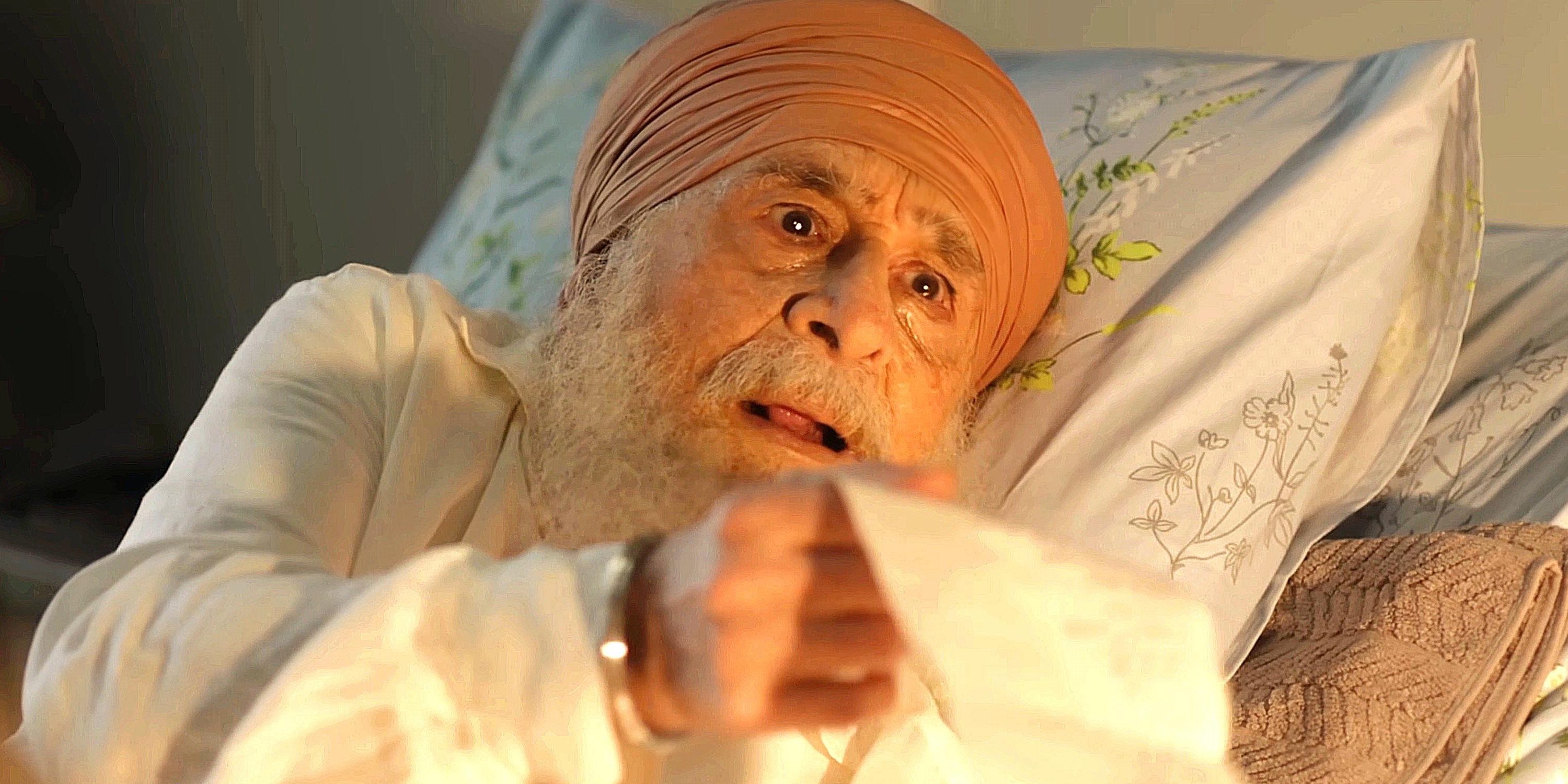
The film transitions between Ishar’s modern home and his ancestral house in Sargodha, Pakistan. The production design team crafted both settings to reflect the character at different life stages. The filmmaking team used a residence in Chandigarh and a 130-year-old Chural Haveli (a mansion) in Sangrur to stage these phases in Ishar’s life, presenting contrasting memories that many in real life have lived. These authentic spaces ground the film’s emotional narrative.
Ultimately, ‘Main Vaapas Aaunga’ is not merely a story about a man hoping to return to a place across a national border. It is a meditation on the memories people carry, the relationships that continue to shape them, and the search for a place where they feel they belong. Through its exploration of love, migration, and remembrance, the film offers a grounded, deeply human perspective on a historical event whose emotional consequences continue to affect generations in different ways.
Read More: Is Mexico 86 Based on a True Story?


You must be logged in to post a comment.