
 Diksha Sundriyal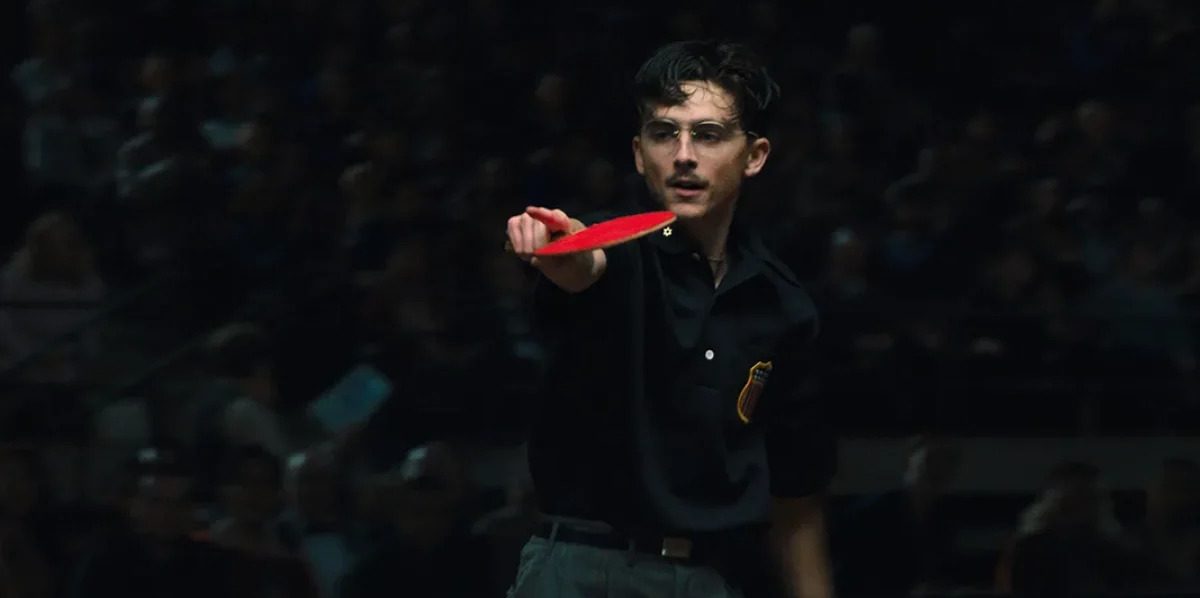
Starring Timothée Chalamet in the lead role, ‘Marty Supreme’ follows the story of the trials and tribulations of a man named Marty Mauser. Set in 1950s New York, the sports comedy-drama film traces the protagonist’s journey as he attempts to build a career in ping pong, while dealing with personal struggles that test him more than the professional challenges of the game. Directed by Josh Safdie, the story navigates the thin line that separates ambition and self-destruction. As Marty pushes himself to the edge in the pursuit of greatness, the film delivers a compelling narrative that draws the audience into the character’s raw and turbulent journey.
Marty Supreme is Inspired by the Life of a Real Ping Pong Player
‘Marty Supreme’ is loosely based on the life of the former two-time US men’s singles table tennis champion, Marty Reisman. It takes inspiration from his autobiography, ‘The Money Player: The Confessions of America’s Greatest Table Tennis Champion and Hustler,’ and was adapted into a screenplay by Josh Safdie and Ronald Bronstein. While the character of Marty Mauser borrows elements from the real-life ping pong player, Safdie clarified that the film is not a biographical account. Rather, it is an “homage” to Reisman’s life and legacy. Born in 1930 to Russian Jewish immigrants, Sarah Nemorosky and Morris Reisman, Marty fell in love with table tennis at the age of 9. According to Reisman’s own accounts, he went through a period of emotional distress early in his life, after which he found solace in ping pong.
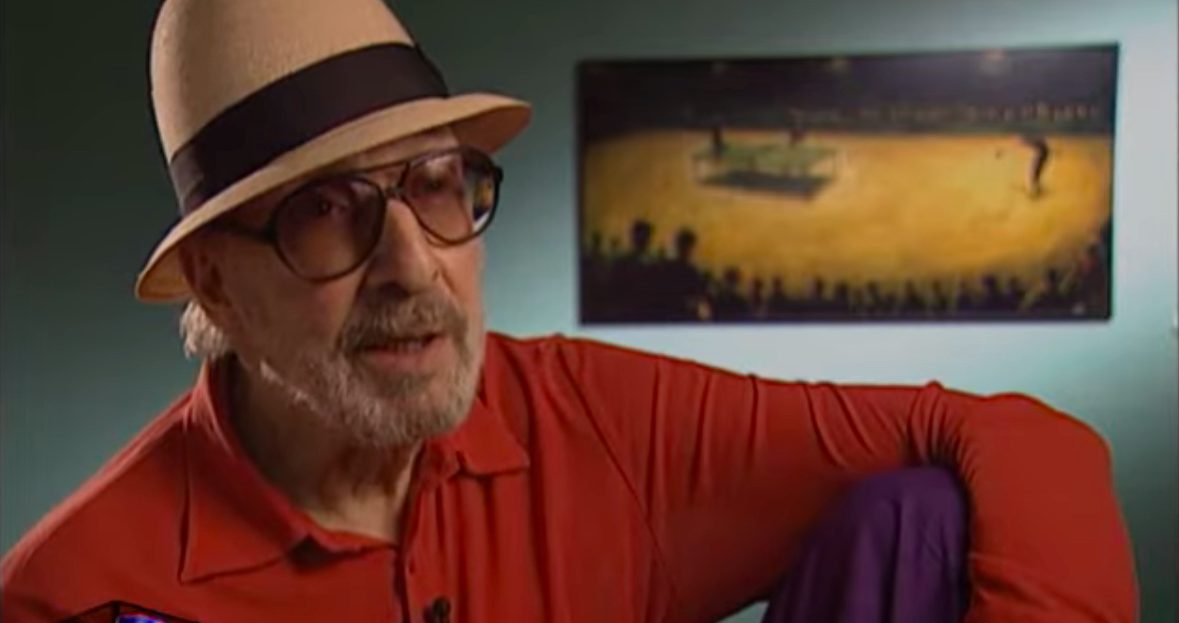
Reisman decided to dive headfirst into the sport, and by the time he was 13, he had become the junior champion in New York City. At 19, he had the men’s singles title at the 1949 US Open as the first major notch on his belt. He won the title one more time as well as the British Open, receiving a total of five world championships. By 2002, he’d won a total of 22 major titles in the sport. He also teamed up with Doug Cartland from 1949 to 1951 to perform as the opening comedic act for the Harlem Globetrotters’ tour around the world. The duo used things like frying pans and shoe soles to play table tennis. Reisman also cultivated a reputation, one he often acknowledged in his own writings, for cultivating a hustling culture and wagering on matches.
Reportedly, when he was 15, Reisman handed $500 to an official of the US Table Tennis Association, mistaking him for his bookie. As part of the larger-than-life persona he later described in his own writings, he claimed to have engaged in risky exploits during international tours — stories that became part of the mythology surrounding him. For example, in 1957, after losing a match during his Asia tour, he allegedly brought back Rolexes hidden under his shirt sleeve. In another alleged instance, Reisman reportedly claimed to have smuggled gold in his vest and earned approximately $1,000 to $2,000 each time.
Reisman was also known for the tricks he performed on the table, like measuring table tennis nets with a $100 bill and splitting a cigarette in half by hitting the ball from the other end of the table. Marty’s love for table tennis also led him to create Table Tennis Nation, through which he hoped to spark interest and increase the sport’s popularity. He was so invested in his life as a ping pong player that, as he later wrote in his book, he couldn’t adapt to normal life. He briefly worked at B. Altman’s shoe department in New York City, but his love for table tennis brought him back to the game in 1997. He won the 1997 US National Hardbat Championship at the age of 67, becoming the oldest person at the time to win the competition.
Marty Supreme Aims to Present an Authentic Portrayal of the Game and the Player
Writer-director Josh Safdie had developed a love for playing table tennis at a young age and later learned about Marty Reisman and his prowess in the game. It wasn’t until 2018 that he came across Reisman’s autobiography when his wife, Sara Rossein, who also serves as an executive producer on the film, presented him with a copy of the book, believing he would like it. Safdie recalled looking at Reisman’s photo on the cover and showing it to Timothée Chalamet, who exclaimed that the man looked like him. The duo had previously crossed paths at a party in New York in 2017, before Chalamet broke into fame with the success of ‘Call Me By Your Name,’ and had stayed in touch over the years.
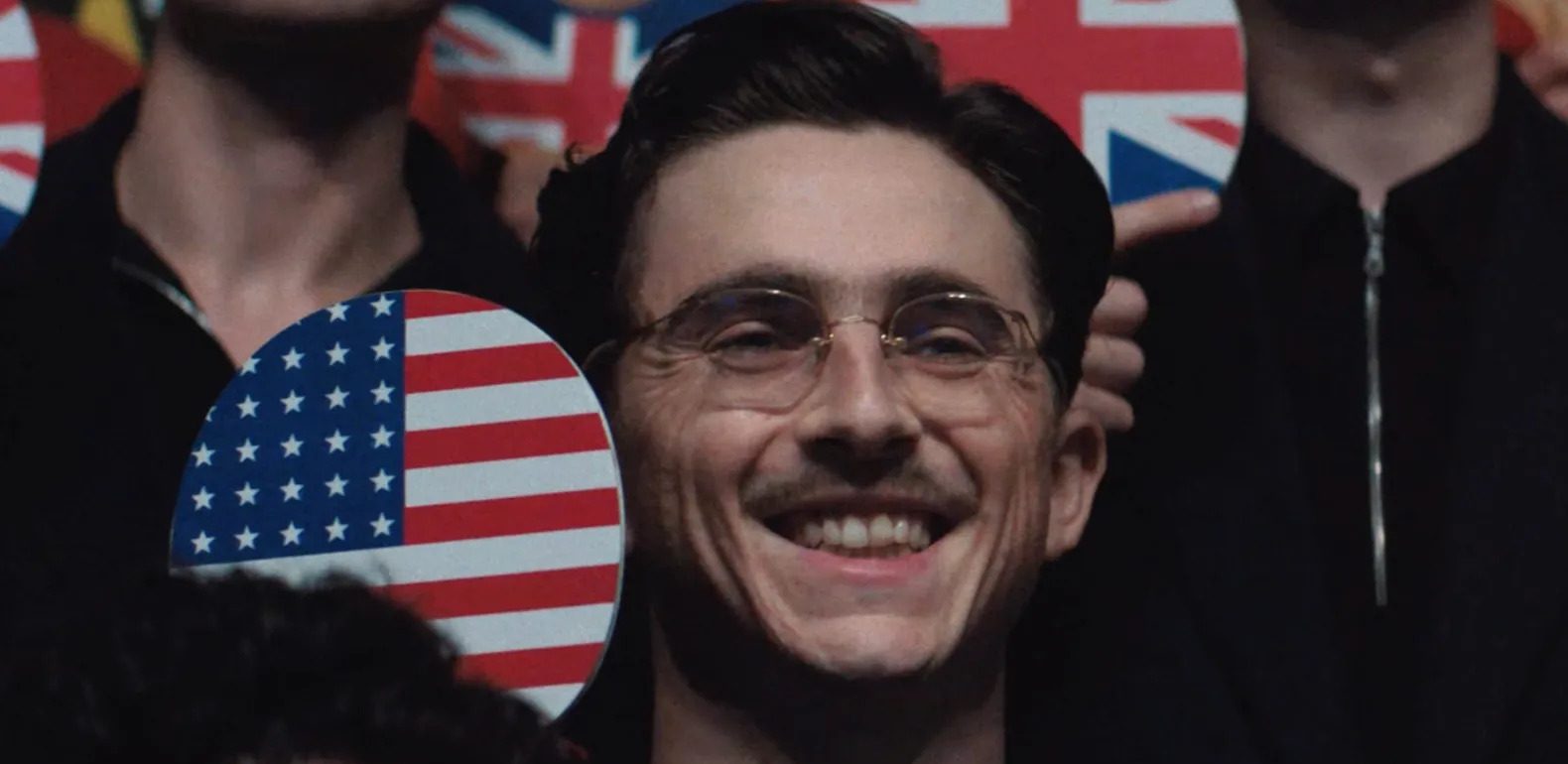
When Safdie shared the idea of making a movie on Reisman, Chalamet decided to learn to play table tennis. Although it took a few years for the production to gain momentum, the actor dedicated himself to learning the sport by receiving coaching from professionals such as Diego Schaaf and Wei Wang. He later stated that the six years of prep allowed him the proficiency, adding another level of authenticity to his performance. At the same time, Safdie also used Schaaf’s expertise to coordinate the scenes featuring the game in motion. The director also encouraged the actor to perform his stunts himself.
Apart from table tennis, Chalamet also dived into the ambitious nature of the character. He felt a sense of camaraderie with Marty because he could relate to the character’s motivation to achieve his dreams so much so that he doesn’t even consider having a Plan B or C. He wishes that the film relays this passion to the audience, especially the young viewers, showing them that no dream is too big. Safdie reiterated the sentiment, stating that his primary goal was “to honor Marty Mauser’s dream to make it the greatest sport in the world,” as he saw the story from the sportsman’s point of view. At the end of the day, ‘Marty Supreme’ is about a young man with dreams that he is ready to give up everything for.
Read More: Where Was Marty Supreme Filmed? All Shooting Locations


You must be logged in to post a comment.