
 Aahana Swrup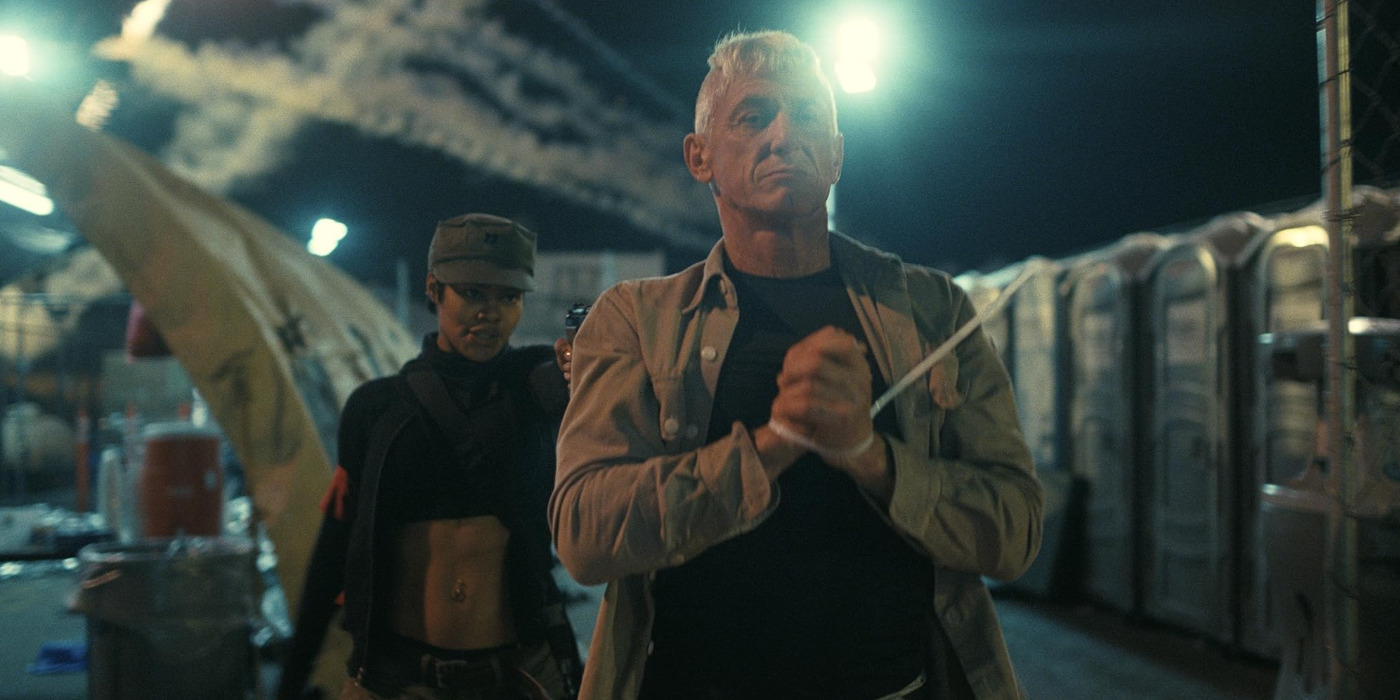
‘One Battle After Another’ tells a politically charged story, where a has-been revolutionary, living the secret life of a civilian, finds himself reckoning with the cost of his dangerous past. Pat, the Rocketman, has to leave the French 75 and go on the run with his newborn daughter after the arrest of the latter’s mother, Perfidia, puts her family and the entire organization at risk. Although he and his daughter, under the new aliases of Bob and Willa, manage to make it sixteen years into the future without any major issues, their world turns upside down with the re-emergence of Steven Lockjaw, the military Colonel, who had led the charge against Perfidia and the French 75. However, this time around, his attack on Bob’s family, namely his daughter, is a lot more personal. In the film, Lockjaw’s character stands on the other end of the morality and political scale as an ambitious white supremacist agent. Therefore, his character ends up playing a significant role in shaping the political themes in the story.
Thomas Pynchon’s Fictional Character Brock Vond Serves as a Partial Inspiration For Steven Lockjaw
Much like many of the other storytelling elements in ‘One Battle After Another,’ the character of Colonel Steven Lockjaw is also a work of fiction with no direct counterparts in real life. Instead, he sports an origin in a literary character from the film’s source material, Thomas Pynchon’s 1990 novel ‘Vineland.’ Since Paul Thomas Anderson’s film is only inspired by the book, rather than being a full-fledged adaptation, the on-screen narrative takes many creative liberties from Pynchon’s work. Even so, as the premise of the story remains the same, Lockjaw’s character inevitably ends up possessing an evident counterpart: Brock Vond. In the book, Vond is introduced as a federal prosecutor who targets the protagonist and his revolutionary group. Furthermore, he pursues a romance with the protagonist’s ex-wife, Perfidia’s counterpart, Prairie, which has an overarching effect on the storyline.
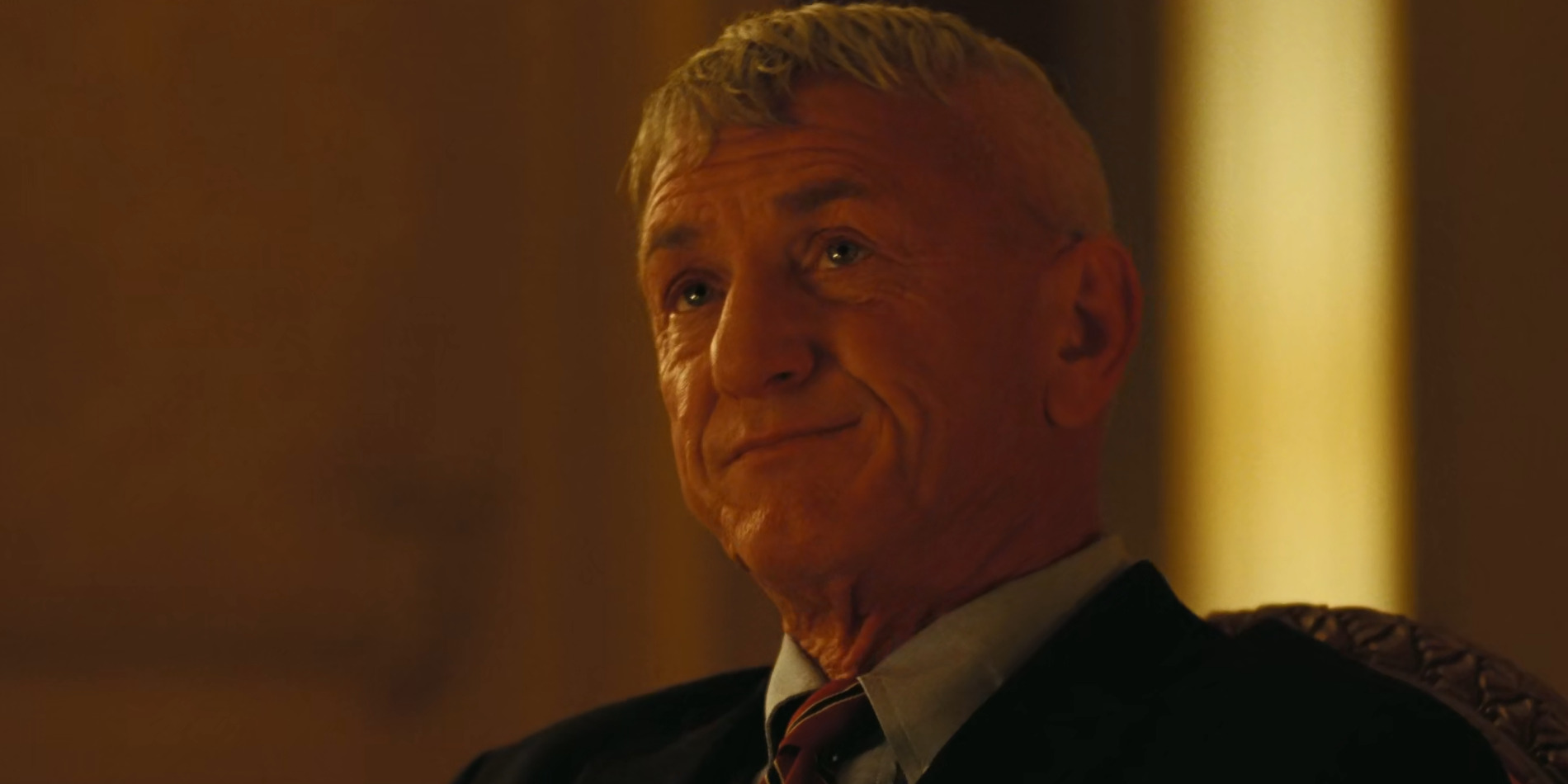
In ‘One Battle After Another,’ Lockjaw occupies much the same narrative space, fulfilling the role of an abhorrent antagonist to root against. The nature of his dynamics with power and infatuation also remains similar to that of Vond. Yet, despite the similarities, there are also notable distinctions between the two characters. Even their relationships with Prairie/Perfidia offer different perspectives into power dynamics. In Lockjaw’s case, the storyline remains much more saturated with racial dynamics, which eventually become a significant part of his characterization. In the movie, the antagonist is an anti-immigration officer. In fact, his path entangles with Perfidia specifically because she and her French 75 group target a detention center for liberation that happens to be under his supervision.
Additionally, as the plot progresses, Lockjaw’s character becomes further defined, and his white supremacist beliefs become more evident. In the aftermath of Perfidia’s escape, he shifts his focus to a different achievement: becoming a member of the elite white supremacist secret society, Christmas Adventurers Club. All of these elements provide contemporary socio-political relevance to his character, tying him into some of the most intense far-right ideologies. This helps in grounding the narrative as well as the character in a sense of realism and familiarity. Alternatively, his characterization, particularly his obsession with Perfidia, also sports a prominent psychosexual storyline, revolving around his relationship with power, race, and control. Ultimately, these complex elements add a distinguishing aspect to Lockjaw’s character, leading to compelling storytelling. However, this storytelling, similar to the film, remains a work of fiction.
Read More: Movies Like One Battle After Another You Must See


You must be logged in to post a comment.