
 Diksha Sundriyal
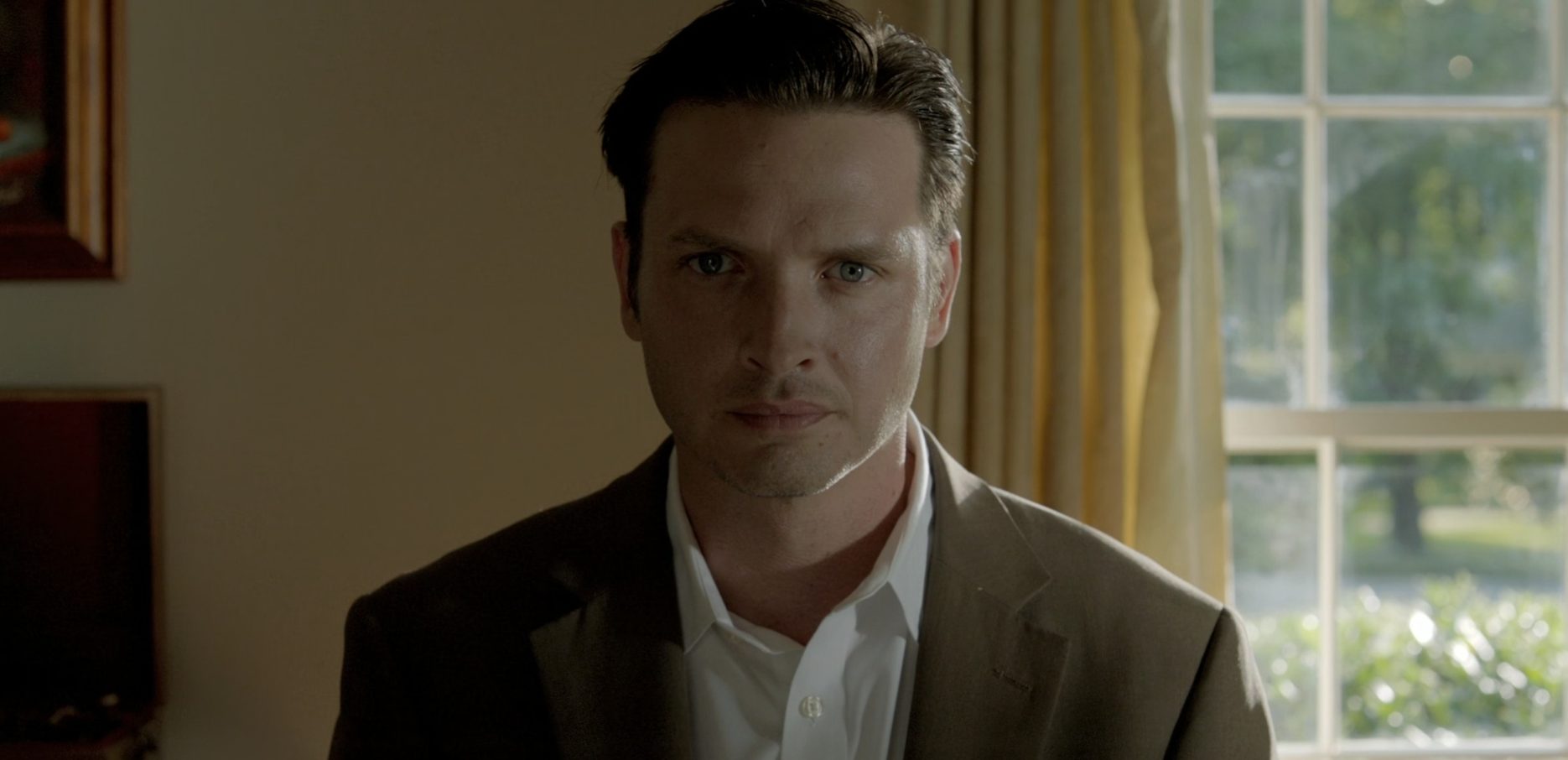
Created by Ray McKinnon, ‘Rectify’ follows the story of Daniel Holden, who has served 19 years in prison for the murder of Hanna Dean. He was sentenced to death for his crime, but the repeated appeals kept him from walking to the gallows. Now, new DNA evidence has surfaced, and though it has not exonerated him of the crime, it has led to his sentence being vacated. While the freedom is welcomed, returning home opens a whole other can of worms for Daniel. The Sundance TV series delves into his reentry into society as doubts linger about his true involvement in the crime. As the events unfold, the Southern Gothic drama poses pertinent questions about the nature of truth, with a heavily grounded approach that gives the story a realistic touch. SPOILERS AHEAD.
Rectify was Inspired by the Real Cases of Exonerations and Prison Releases
‘Rectify’ is a fictional series that originated from the mind of Ray McKinnon. The idea for the story came to him after pondering the cases where new DNA evidence had exonerated several people who were either serving life without parole or were on death row. He noted that during the press conferences, these people, who had spent decades behind bars, were asked what they would do. They would answer with normal, random stuff like having a home-cooked meal and spending time with their family. McKinnon wondered what life would really be like for these people.
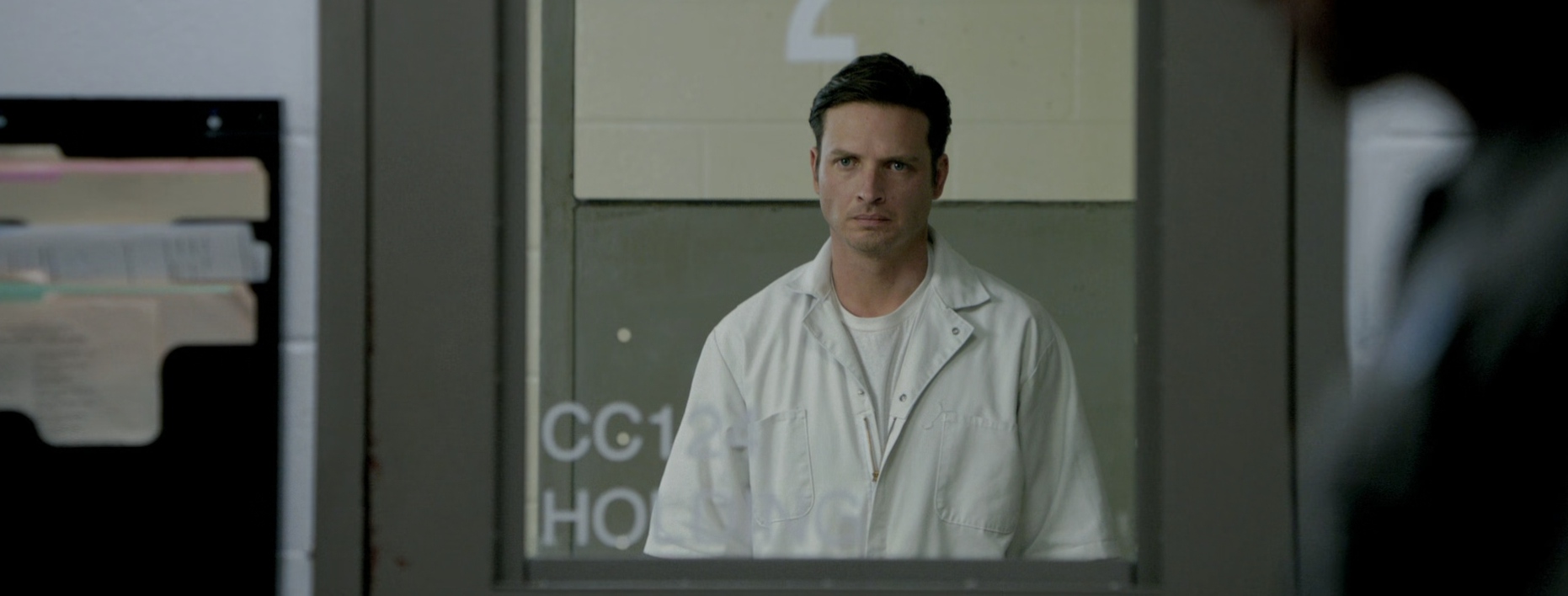
How would they adjust to the world that they are not familiar with anymore? What would the next few days look like for them? “I was intrigued by someone having been in a box for almost 20 years, being let out back into a place that seemingly has no physical boxes or constraints,” he added. It led to the picture of a character “standing on a street corner in his hometown” forming in his mind, which later solidified into the story of Daniel Holden. While McKinnon has not specified any particular case as the inspiration for Daniel’s story, there is a notable connection between his late wife, Lisa Blount, and a man who was on death row and was later released.
Echols, along with Jason Baldwin and Jessie Misskelley Jr., was arrested for the murders of Stevie Branch, Christopher Byers, and Michael Moore. The three eight-year-olds had gone missing on May 5, 1993, and were found dead the next day. Echols received a death sentence, while Baldwin and Misskelley Jr. received life sentences, with the latter having additional years added to his sentence. In 2007, new DNA testing created doubts about their convictions. The trio, termed the West Memphis Three, was released in 2011 after entering Alford pleas.
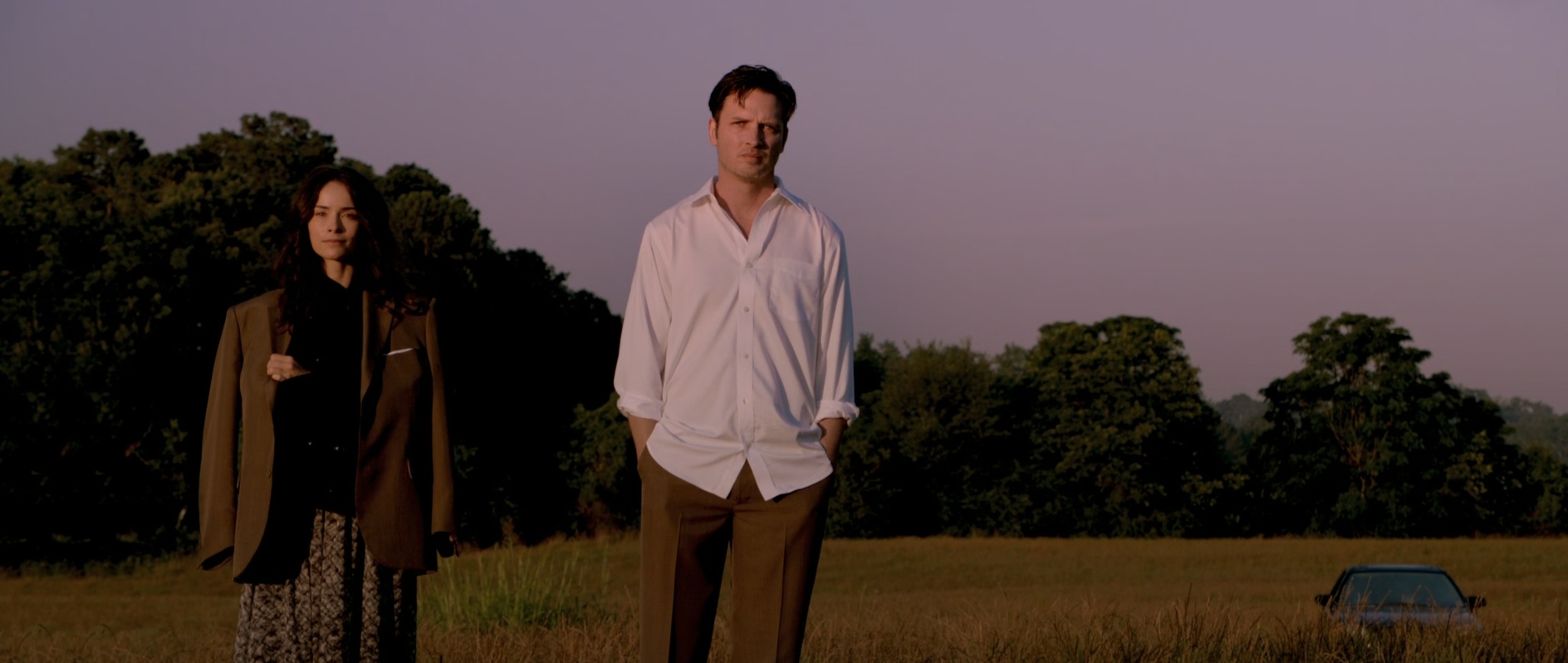
While on death row, Echols and Blount corresponded with each other, with the actress publicly advocating for him and the other two convicts. It is likely that McKinnon may have borrowed elements from the real-life case. The actor-writer also researched other people who were exonerated or released after spending a good part of their lives in prison to understand their psyche. Later, he also reached out to non-profit organizations like Project Return that help ex-convicts find jobs and other resources. He used these details to enrich the fictional tale.
The Show’s Creator Leaned Into the Character-Driven Approach
While the idea for Daniel Holden’s story had taken root in Ray McKinnon’s mind, it wasn’t until he watched ‘Mad Men’ that he realized television would be the best medium to tell it. He credits shows like ‘The Sopranos‘ and ‘Six Feet Under‘ for inspiring him to serialize Daniel’s journey rather than adapt it into a film screenplay. He also cites his work as an actor on shows like ‘Sons of Anarchy‘ and ‘Deadwood’ as major inspirations, with Terrence Malick’s works evoking the cinematic approach the show’s creator adopted. A common thread in all these examples is the character-driven nature of the stories, and that is what McKinnon wanted for his show as well. This is why, instead of taking a time jump, he decided to focus the six-episode first season on the first few days of Daniel’s freedom.
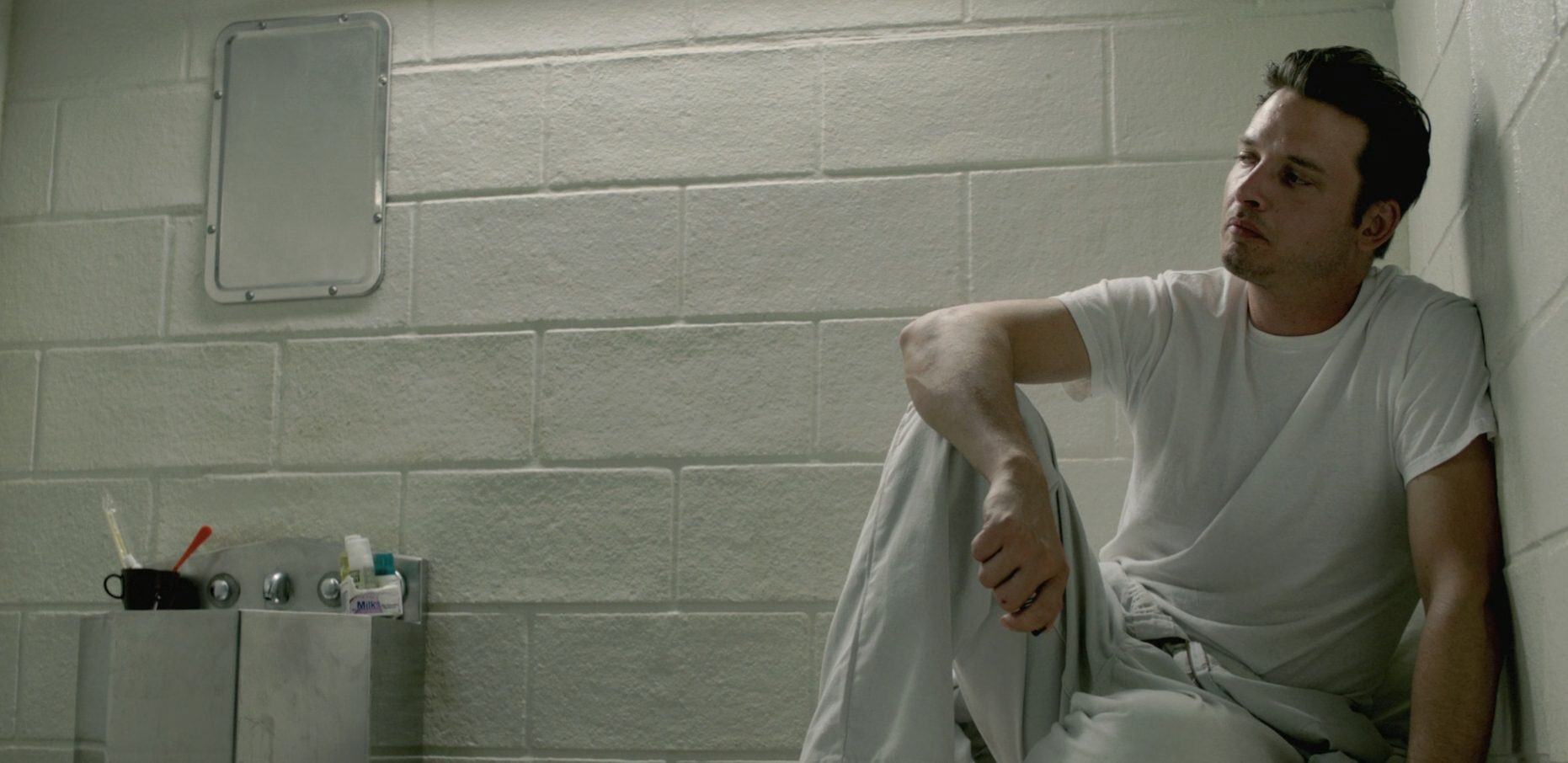
He was also interested in exploring the idea of time for a person who has adapted to a different system inside prison. “We’re always aware of time, and to survive those conditions he had to become unaware of time, so it didn’t make sense for him to come out and be totally oriented,” he explained. Another thing he was interested in exploring was reflecting the flaws of the legal system and people’s general desire for a proper resolution to everything. “I kept thinking about society’s need for order, sometimes in lieu of justice… If something heinous happens, we want to feel like we can find and root out the evil that caused it. But the pressure to do that can cloud our judgment,” he noted.
While people’s pre-existing opinions and prejudices about Daniel’s guilt drive part of the plot, significant time is also spent maintaining the uncertainty about his own thoughts on his conviction. The series doesn’t concern itself with answering every question neatly, which is what makes it feel more authentic. It keeps the audience on the fence about the protagonist’s innocence, but it doesn’t diminish the intensity of his experience. In the show, McKinnon paints Daniel as “unactualized and with a life interrupted.” The writer reflected his own existential thoughts about life and its meaning in the character’s story, lending Daniel and his story a greater sense of realism despite their fictional nature.
Read More: Best Movies Based on True Crime on Lifetime


You must be logged in to post a comment.