
 Aahana Swrup
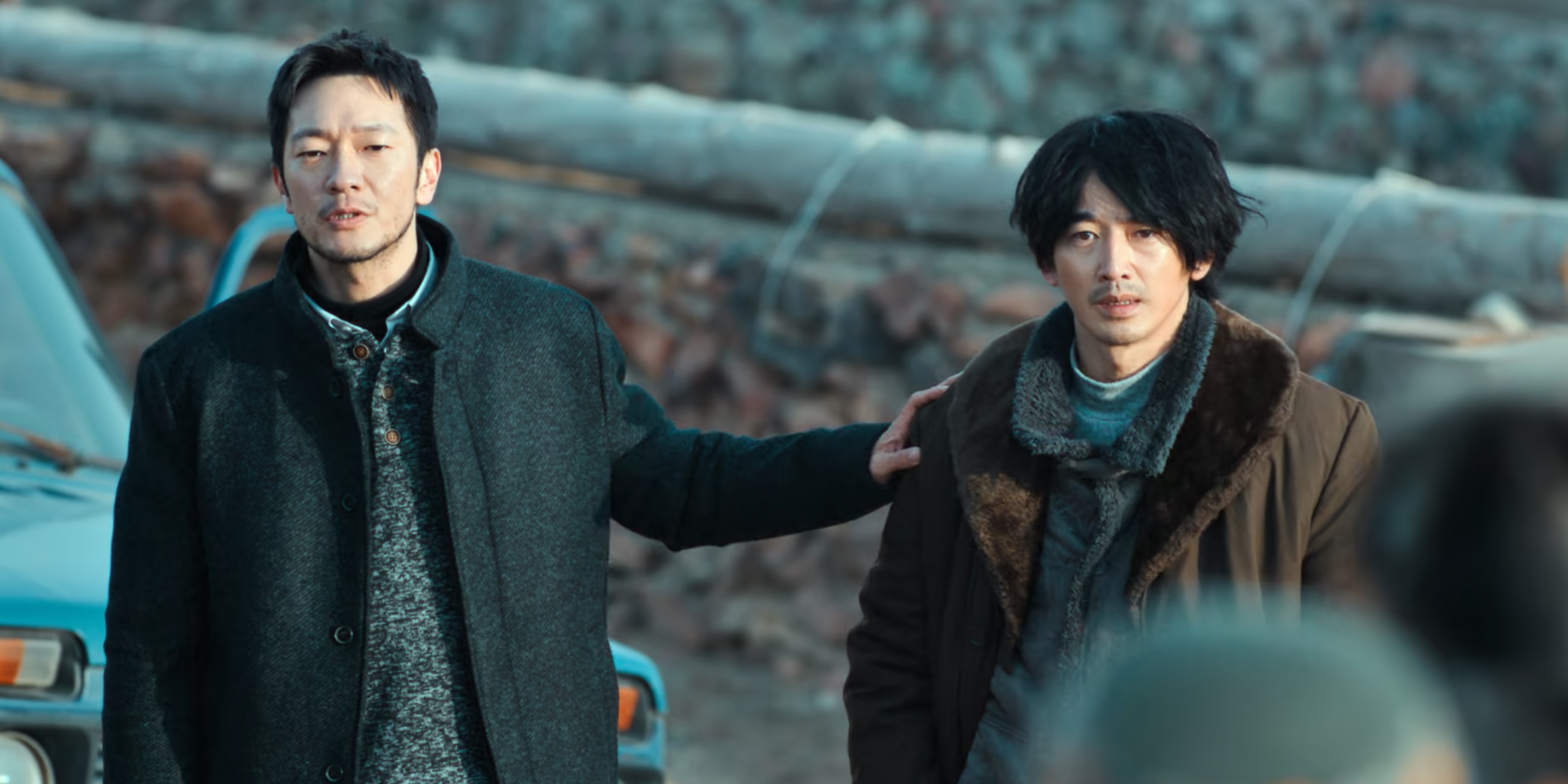
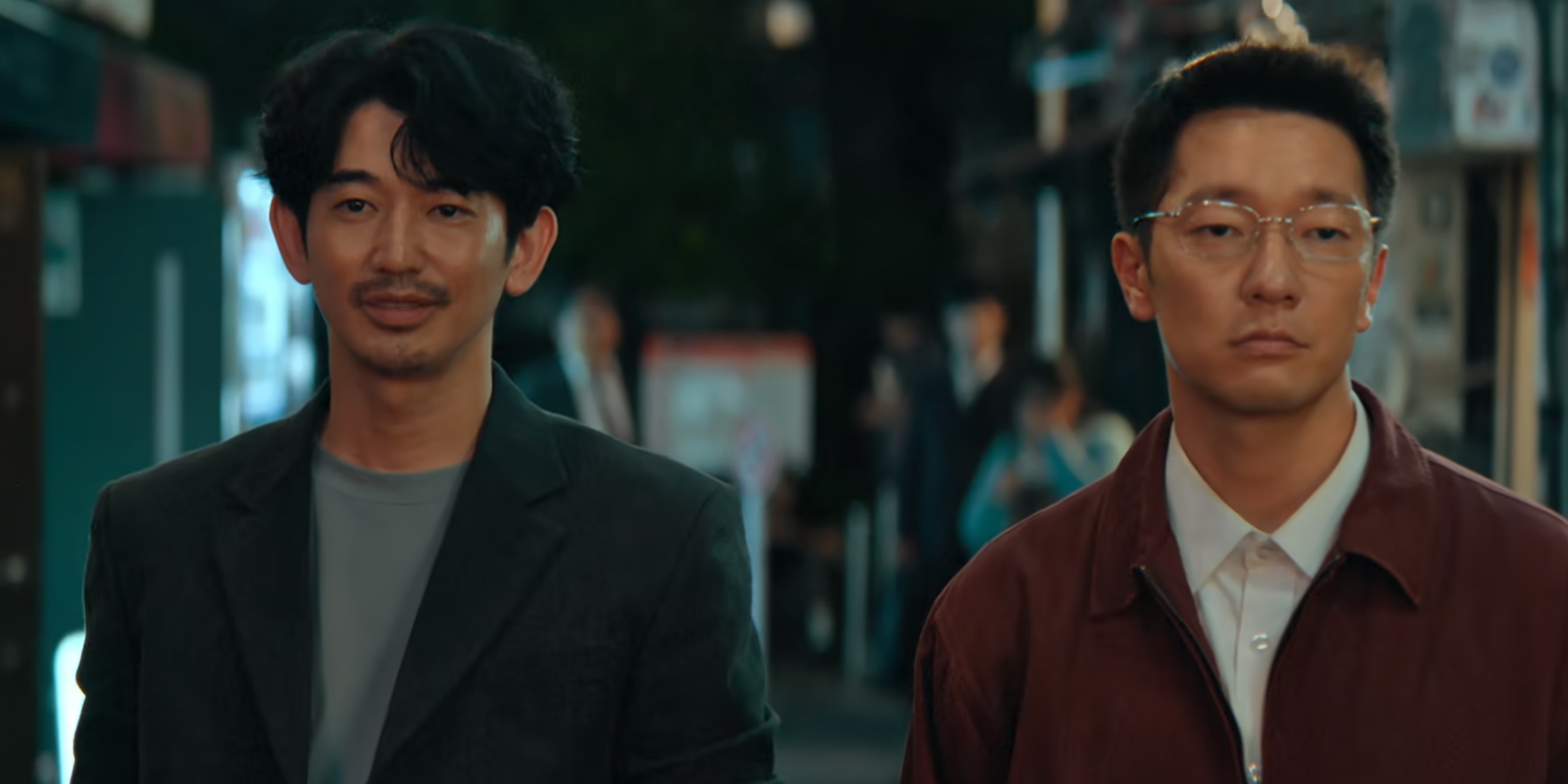
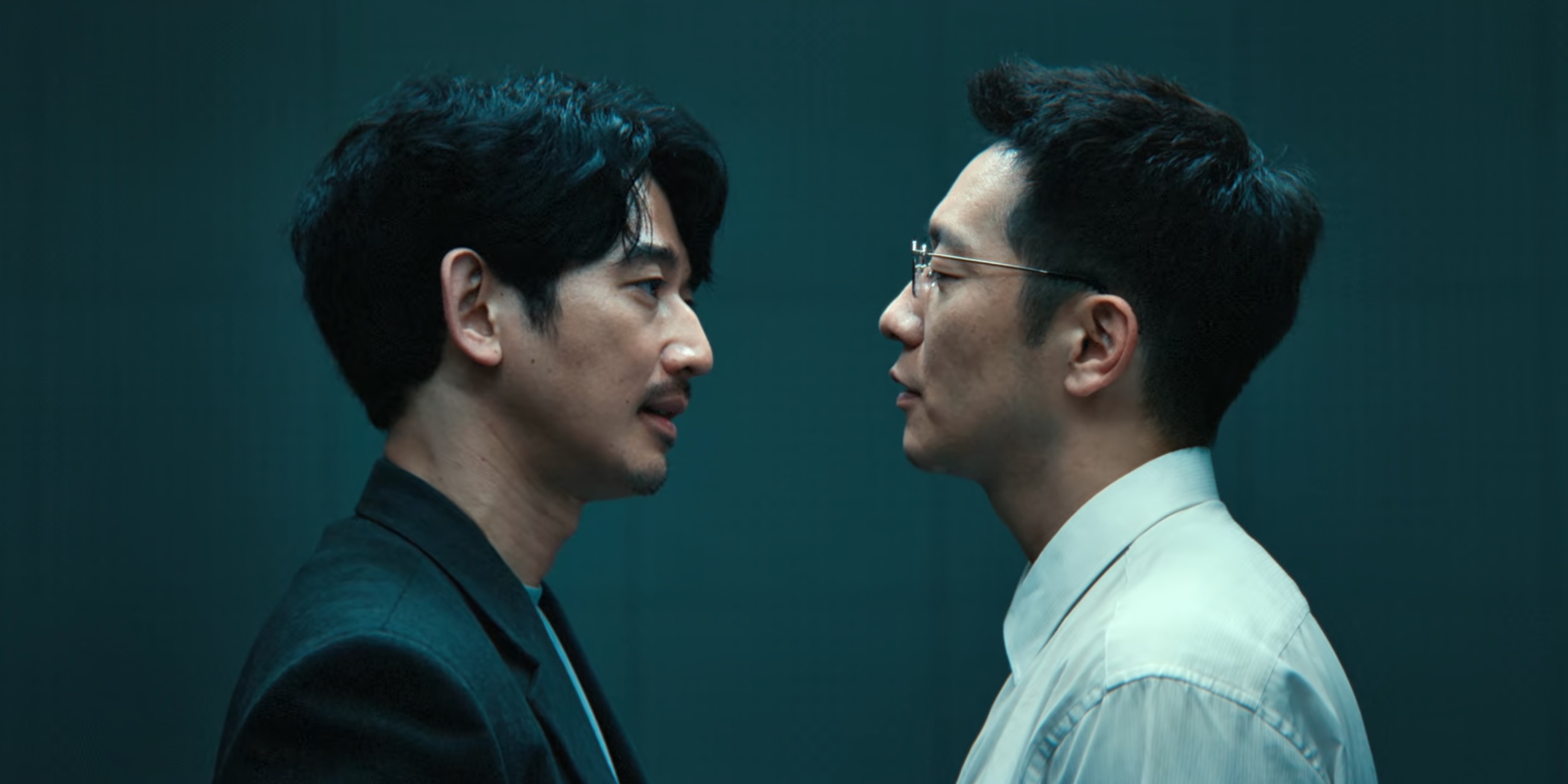
‘The Blue Road’ (Originally titled ‘Puleungil’) is a crime mystery series in which two detectives from Korea and Japan team up to catch a dangerous serial killer. The K-Drama follows detectives Kim Seok and Hiroshi Inose, who are assigned to the same case after identical crime scenes, involving mutilated dead bodies, are discovered in both Seoul and Tokyo. The ensuing investigation takes this unlikely pair into an unexpected labyrinth of conspiracies connecting a gangster, a pharmaceutical company, and a long history of body mutilation shared between the two countries. Set in 2002, during the joint 2002 FIFA World Cup, the Netflix show retains a sense of nostalgic realism through its period setting. Furthermore, the dynamic duo at the center of the story and the crime’s complex cross-border nature allow the narrative to delve into the historical ties between the two countries.
The Blue Road is Based on a 2002 Manhwa
Instead of a tangible true-story connection, ‘The Blue Road’ actually retains a direct basis in a comic book, or manhwa, series with a strong cultural impact in both Korea and Japan. The series is an adaptation of ‘Blue Road’ (better known as ‘Purungil -Ao no Michi-’), written by Keishi Edogawa, a Japanese author, and Kwon Kaya, a Korean artist. One of the most distinctive aspects of the series was that it aired in two countries at precisely the same time. Between 2002 and 2004, the comic ran in Korea’s Haksan’s biweekly Booking and Japan’s Shinchosha’s Weekly Comic Bunch at the same time, with a total of 5 volumes. The story was written for both Japanese and Korean audiences, opening a gateway for the general public in both countries to engage with each other’s cultures.
At the time, the nations were also sharing the sites for the FIFA World Cup, which further influenced their international relations. The comic book series, contemporary to the 2000s at the time of publishing, presented a narrative about two detectives from different backgrounds who come together to apprehend a shared enemy. Han Jun-hee, who directed the TV show, came across the literary series almost two decades ago. In a press conference, he spoke about the work and said, “While it has a grotesque charm, I felt it also carries a deep emotional undertone and the distinct appeal of a hard-boiled genre while allowing for a rich and diverse narrative.”
In adapting the series for the screen, ‘The Blue Road’ remains faithful to the basic premise. Yet, it ends up diverging from the source material in the details of its central investigation and mystery. Notably, while Inose retains the same name as Edogawa and Kaya’s original character, Kim Seok’s name is changed from his comic book counterpart, Kang Cheong-do. Consequently, the TV show doesn’t aim to perfectly replicate the storyline present in ‘Purungil -Ao no Michi-.’ Instead, it allows the story to remain fluid, embracing enough creative freedom to blaze its own path. Ultimately, its connection to the existing media shapes the show’s identity without restricting its individual potential.
The Blue Road Presents a Fictional Crime With Realistic Socio-Politics
The crime at the center of ‘The Blue Road’ shares its genesis with the inciting premise of ‘Purungil -Ao no Michi-.’ Neither the series nor the comic books are based on any real-life criminal cases. In real life, there are no serial killers with a similar history of modus operandi to the one depicted in the story. The idea of a killer using their crime scenes and the victims’ dead bodies as a grotesque vessel for artistic expression itself is familiar territory in pop culture. However, there are no comparable real-life counterparts to it. Additionally, the history that the show creates for Seok and Inose’s investigation is also a work of fiction.
In the show, the detectives learn about a general from the Imjin War named Emiri, who deployed methods of bone bending on enemy soldiers to deliver a message. Since then, he is said to have become a god-like figure for many Japanese soldiers. This historical legend is also an invention of the show in service of its storyline. Yet, the themes explored through this fictitious narrative and the central storyline remain rooted in real life. The show focuses on the cultural differences between Japan and Korea while also shedding light on their hostile and violent history. One of the central motifs explored in the story is the idea that trauma shapes one’s present reality, regardless of its unspoken and unresolved nature. On the other hand, the series’ multicultural protagonists, as well as the international nature of their adventures, open the door for a sincere depiction of different nations and their diverse realities.
Read More: The Blue Road Ending Explained: Who is the Original Killer?


You must be logged in to post a comment.