
 Aahana Swrup
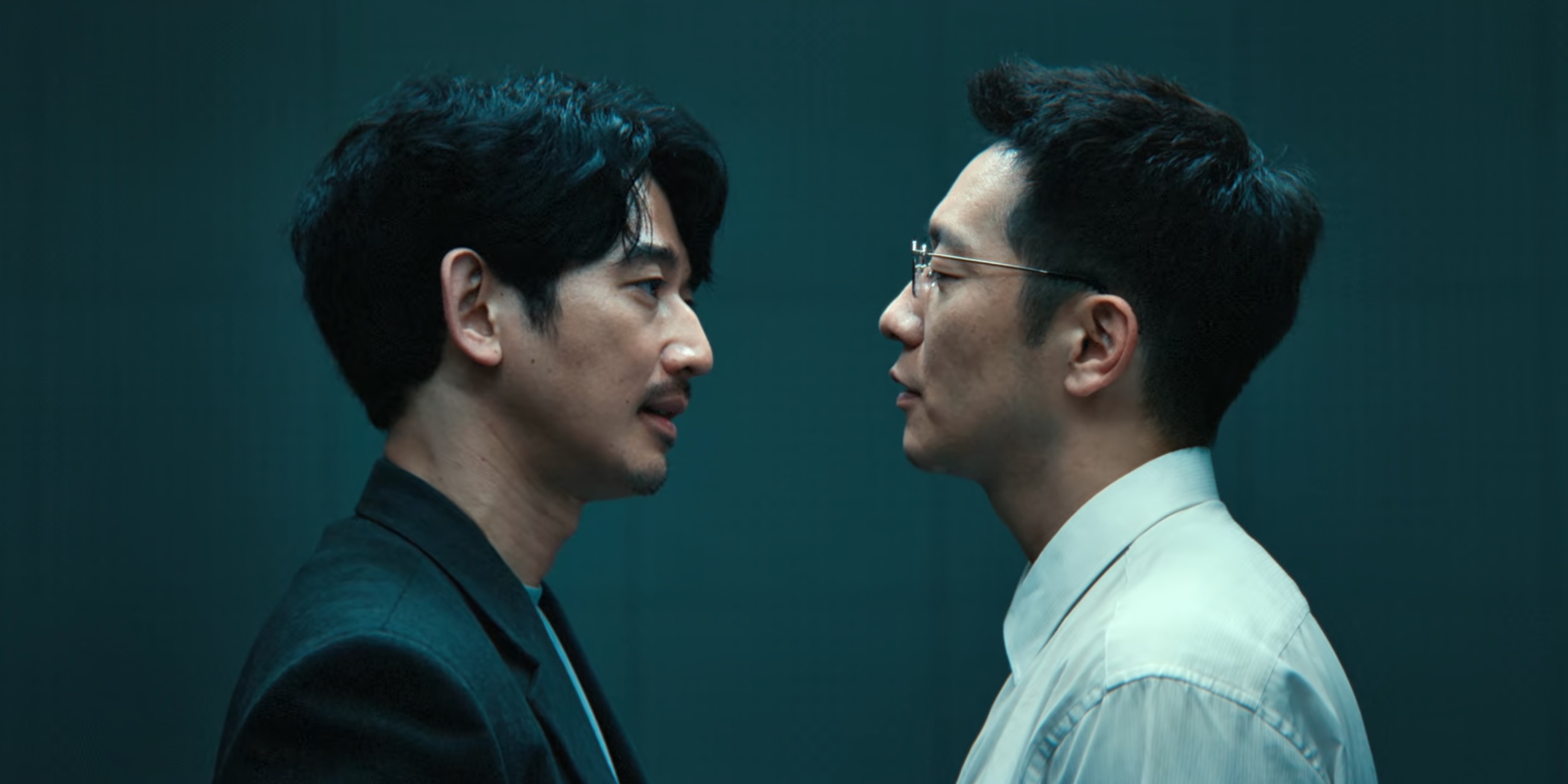
The K-drama ‘The Blue Road’ unravels the mystery of a strange killer whose grotesque killing spree reveals a deeper hidden truth about the history of two nations. Two bodies, staged to look like similar twisted spectacles, are discovered in South Korea and Japan. As a result, Korean detective Kim Seok arrives in the foreign country where he’s teamed up with Tokyo’s very own resident loner detective, Hiroshi Inose. As this unlikely duo embarks on an international manhunt, they expect to only cross paths with a monstrous, albeit remarkable, serial killer. However, within crime scenes sporting mutilated bodies with twisted bones and a cryptic message, the two end up discovering an enigmatic thread connecting the killings to long-buried secrets. Before they know it, Seok and Inose have fallen into a dangerous world of drug trafficking and government conspiracies, all with a historic and vicious method at its center. SPOILERS AHEAD.
The Blue Road Recap
In 2002, detective Hiroshi Inose finds himself in Shinjuku City, late one night, after the dead body of a young girl is discovered in an old abandoned building. The bones of the dead body are unnaturally contorted, and a message is left behind in blood: “One fear gives birth to endless fears, but its methods shall remain unhidden.” When the detective notices a strange man with a camera at the crime scene, he chases after him and ultimately arrests him. During the interrogation, the Korean man refuses to comply, and the language barrier plays in his favor. To Inose’s surprise, his boss, Shimizu, cuts the interrogation short with an unexpected revelation. The stranger, Kim Seok, is actually a special investigator from the Korean police department who has arrived in Japan to investigate a case. Not too long ago, there had been a murder in the neighboring country in which the bones of the victim’s body were grotesquely twisted. The same message was left behind at the first crime scene, only in Japanese instead of Korean.
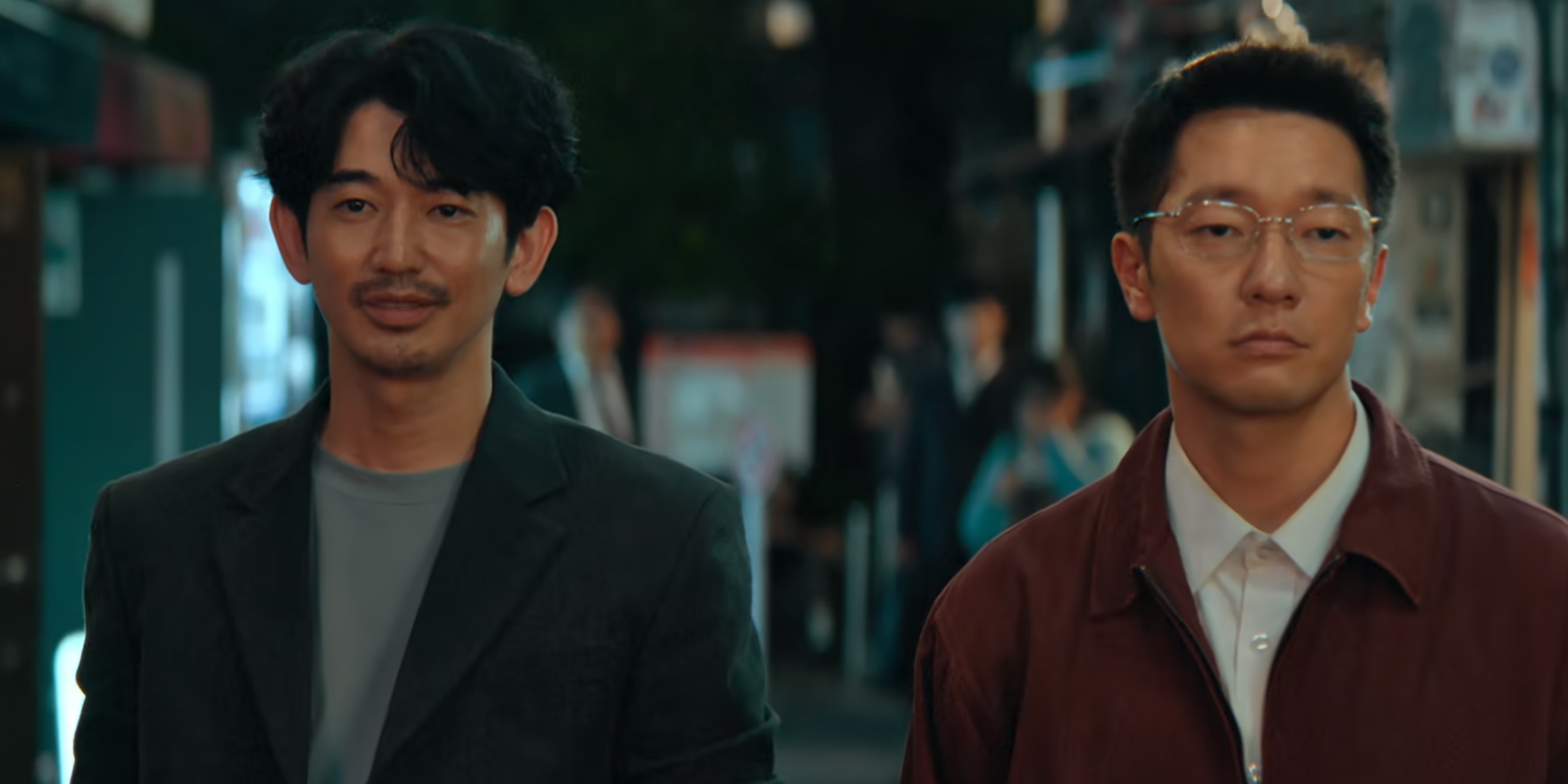
For the same reason, Seok had arrived in the country to investigate and had happened upon the second crime scene. While he continues his investigation in the country, Shimizu assigns Inose as the foreign detective’s partner on the case. Despite getting off on the wrong foot, the duo end up working well together and find a lead on the supplier of the drug, Speed K, that was found in both victims’ systems. The supplier casts his suspicions on the Photographer, a name that was feared in gang circles a while ago. Although there are some key distinctions between his kills and the new murders, he employs the same method of bone twisting. After some digging, Seok and Inose track the killer down to a prison, where he seems to be hiding from the Yakuza. Although the Photograph isn’t of much help, the confrontation compels Seok to talk about “Original Killer.” As it turns out, Korea had seen a similar string of killings in the 80s when dead bodies would turn up with their limbs twisted.
Yet, even this wasn’t the first instance of such a horror occurring. The next day, a peculiar run-in with a Yakuza gang gives Seok an eyewitness statement from someone who claims to have seen a tiger at the crime scene. Yet, before the investigation can proceed further, Shimizu discovers that Seok has been lying about being sent to Japan on assignment. As such, the detective is sent back home with some reprimand. Nonetheless, Inose refuses to let things end on that note. He procures legitimate permission to continue the investigation in Korea, reviving his partnership with Seok in Seoul. Soon enough, the duo has a promising suspect, Emi Shunsuke, an artist, who seems to be luring the detectives into a series of traps he has set for them. His real goal is to put on a live performance where he will kill another victim through his limb-twisting machine, this time on a public stage. The detectives are unable to save the victim, and Emi jumps off the roof of a building before he can be apprehended.
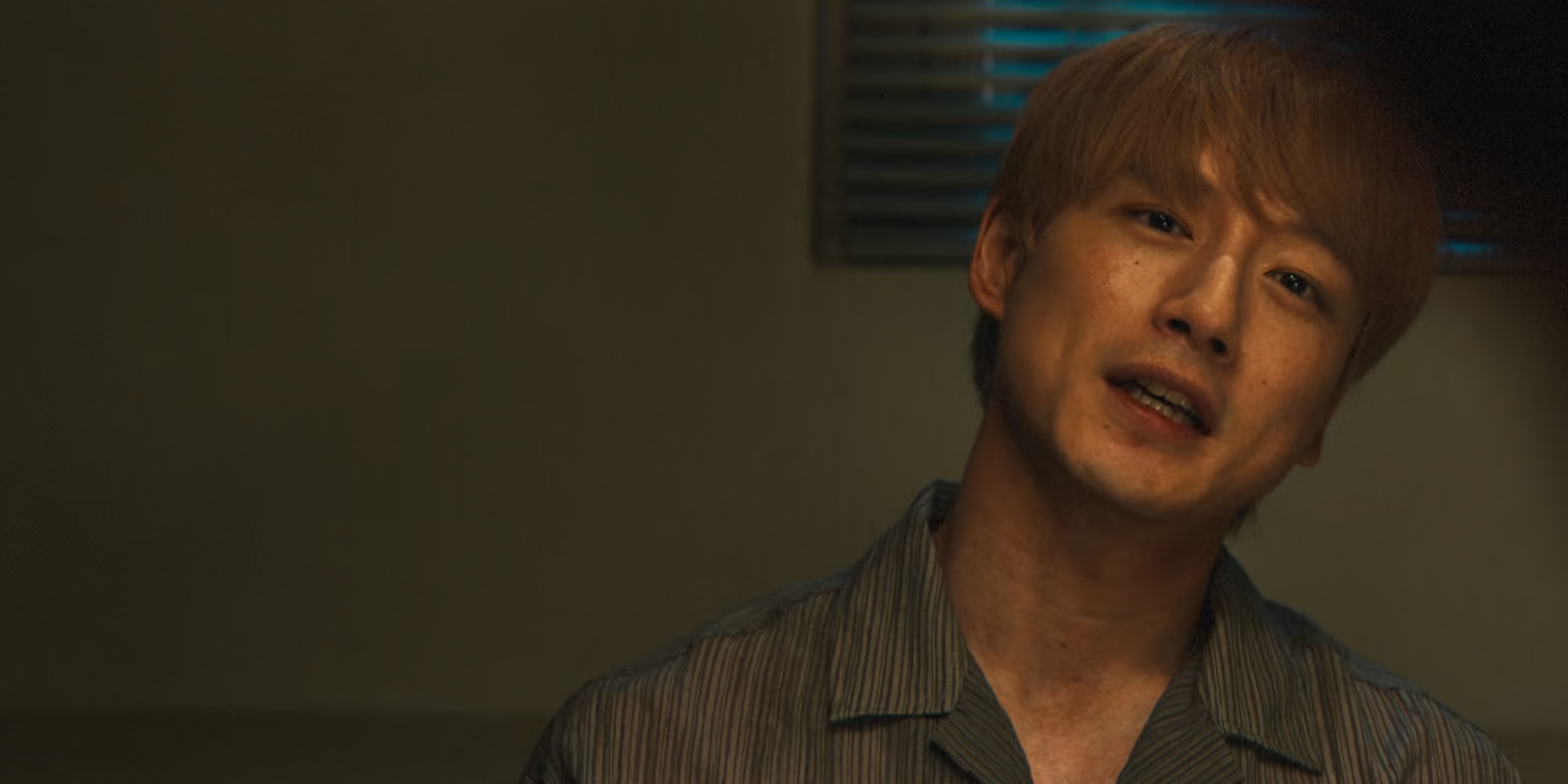
However, before dying, Emi had mentioned the Original Killer to Seok. Afterward, the detective tells Inose that one of the victims discovered in the 80s was actually his uncle/father figure, Hong Du-yeong. As such, when this case came up, he started chasing after the same original killer who was never caught. Once the two detectives diverge their paths once again, the Yakuza try to get in touch with Seok again. However, he insists that he will only speak to their boss, So Hyun-tae, in person. Eventually, this lands him in the gang’s lair, where the leader meets him, only to order his execution. He also suggests that he might have some knowledge about the original killer who is responsible for Du-yeong’s death. At the same time, the Korean Intelligence Agency, ANSP, tries to intimidate Inseon into dropping his interest in the old case. Seok manages to survive and finds an anonymous helper who leads him to Hong Kong. Simultaneously, Inose arrives in the city following a hunch.
The Blue Road Ending: Who is the Original Killer? Who Created the Method?
Even after Emi is unmasked as the culprit behind the recent killings, an overarching question remains. Much like the Photographer, the serial killer is also not the original who created the unique method of twisting the bones of his victims. Instead, the younger man had taken inspiration from someone else and then built upon the method to fulfill his bloodthirsty artistic hunger. The real origin of the method actually goes far back in history. During the Imjin War, a Japanese general named Emiri joined the Joseon army and led a ruthless campaign against his enemies. Among his various brutal war tactics was the decision to drug enemy soldiers with poppy seeds before killing them by twisting their limbs and displaying the mangled corpses on tracks as a hostile message to the Japanese army. He would also paint the same message in blood that Emi later adopts.
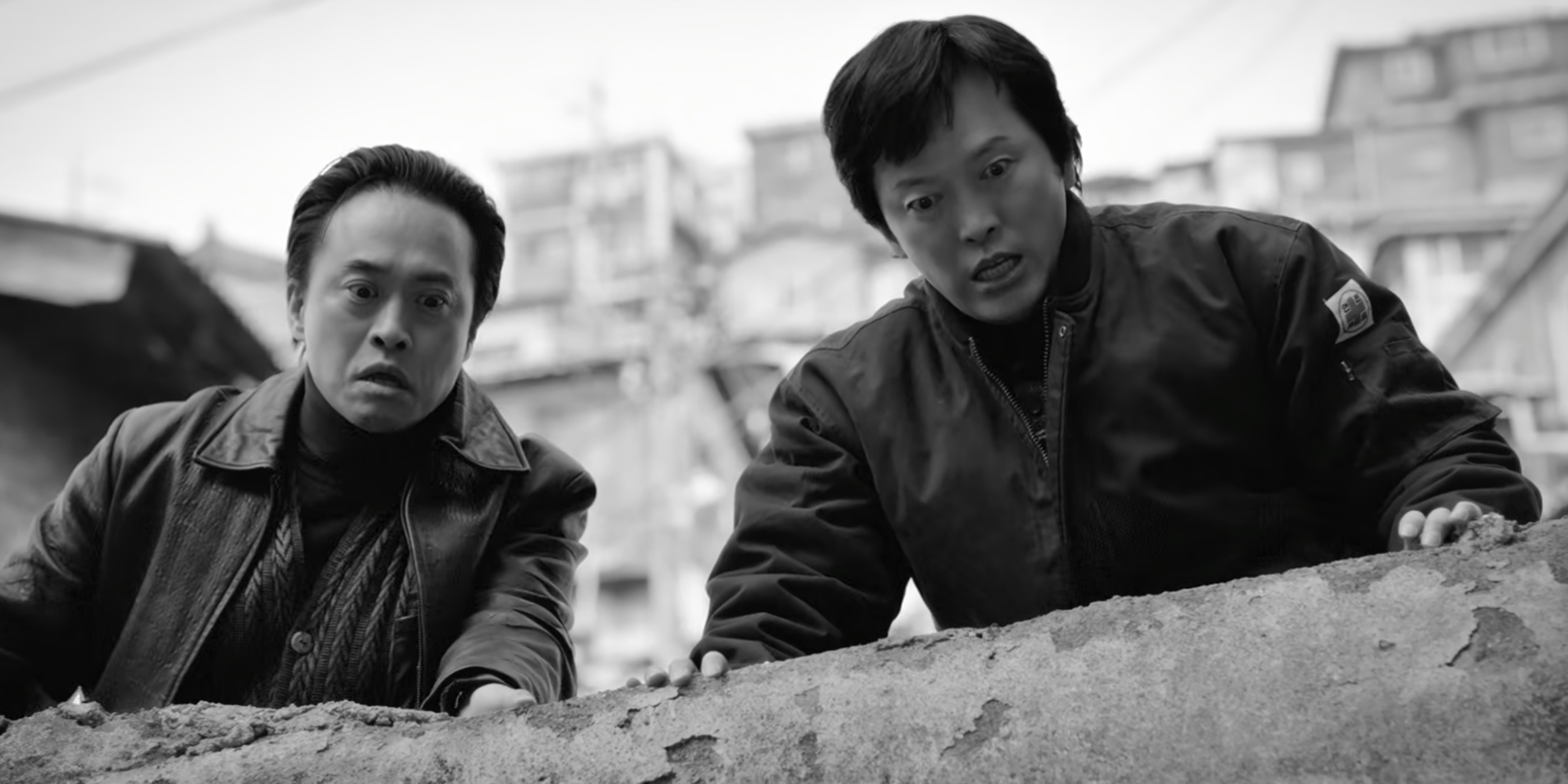
Emiri taught this method to his troops, including his right-hand man, who turned out to be a Japanese spy. The latter killed the general, but decided to naturalize in Korea after the war. The spy’s name was Minamoto Heihachi. Years later, one of his descendants, Shoichi Minamoto, began working for the ANSP as part of their Print Shop Unit. The secretive group was responsible for anti-communist investigations, targeting people of Japanese, Korean-Chinese, or otherwise undocumented identities. Their job was to abduct and torture their target in the hopes of gaining useful information from them. Minamoto was an expert at his craft and employed some of his ancestral methods to conduct the torture sessions. He would drug the targets with a unique drug before bending and twisting their bones to compel them to talk.
Eventually, one of the people apprehended by the Print Shop tried to escape and ended up dead after attempting to jump off a balcony. In the aftermath, the agents had to find a way to dispose of the body without attracting attention to themselves. Thus, they ended up contorting the dead body further before dumping the remains in a sewer. As time went on, this became their favored method of disposing of the dead bodies that continued to pile up in their line of work. Hyun-tae was a member of the Print Shop, was around for the creation of the method, and certainly mastered it. Still, he wasn’t the one who came up with it. Instead, it was Hong Du-yeong, Seok’s uncle, who worked for the shady ANSP branch before coming into his family’s life. Hyun-tae tells the Korean detective about the same during a confrontation in Hong Kong, from which the gangster ultimately manages to escape.
Does Seok Die? What Happens to Hyun-tae?
After it becomes evident that Seok won’t give up on his hunt for the original killer, he becomes a natural target for Hyun-tae. In the wake of the Print Shop’s dissolution, both Minamoto and Hyun-tae had undertaken new endeavors. The former opened a pharmaceutical company that quickly climbed to the top of its industry over the years. Meanwhile, the other man became a gangster involved in drug trafficking. Lately, new government crackdowns have made it nearly impossible for the drug lord to keep his empire going. Around the same time, Minamoto’s son, Emi, started causing trouble with his killing sprees. Therefore, the two struck a deal.
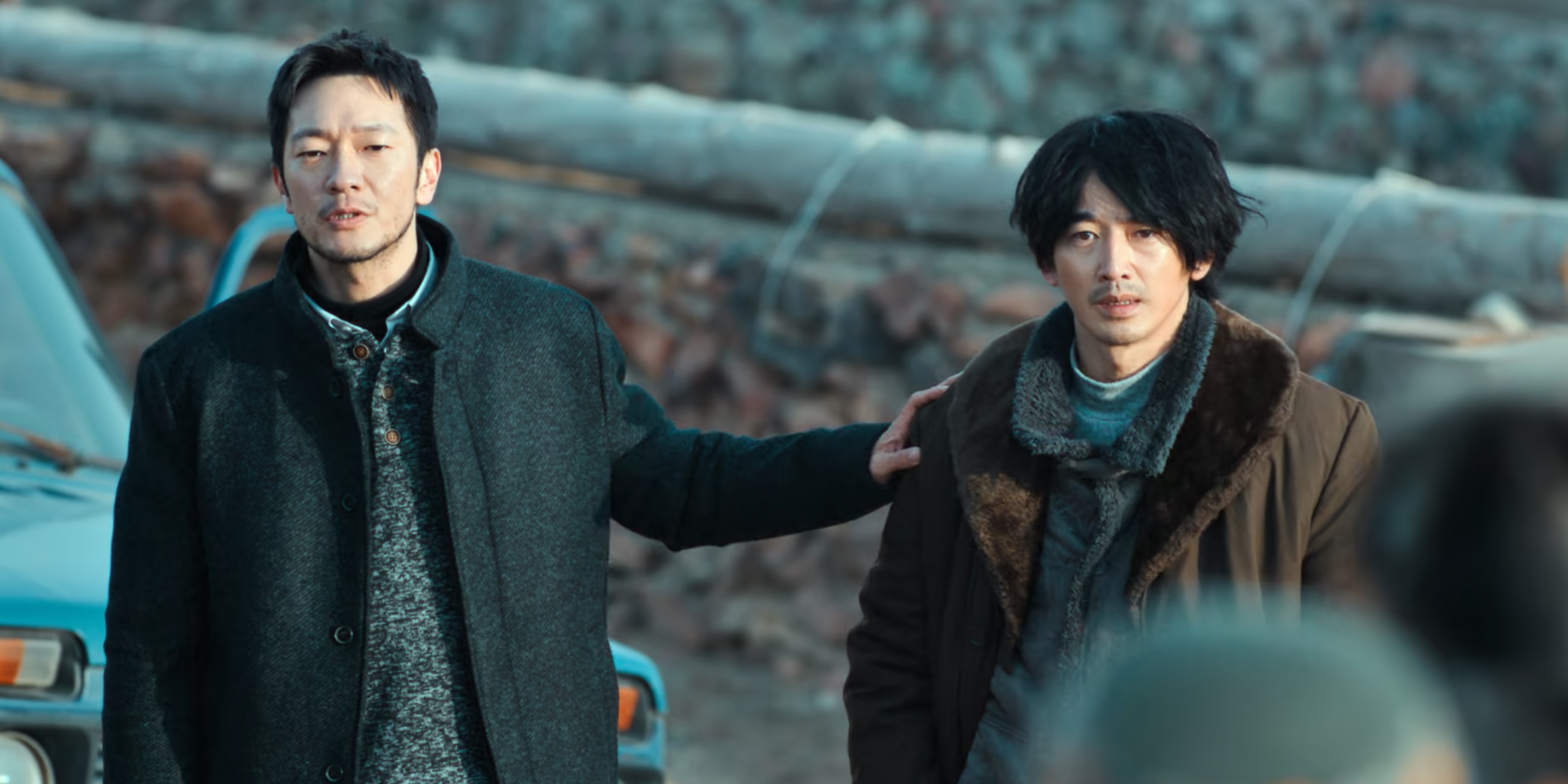
In exchange for ensuring the heir’s death, the gangster can sign a deal with the Pharmacutical company, allowing him to trade his concoction, Speed K, as a legitimate medical drug akin to fentanyl. Therefore, if Seok’s snooping traces Emi’s methods and the dead bodies from the 80s back to Hyun-tae, it would throw a huge wrench in his plans. For the same reason, he initially tries to frame the detective for drug trafficking to turn him into a fugitive. Nonetheless, a different threat brews close to home for the crime boss. His second-in-command, Yi-ok, is actually an ANSP agent named Kasahara Reina who is working toward toppling his empire. She is also the one who is helping Seok through anonymous messages. As such, after their confrontation in Hong Kong, she is able to get the false charges dropped.
Tragically, before fleeing the scene, Hyun-tae had managed to shoot Inose. After his Japanese partner’s death, Seok quits the force on his own and eventually disappears. However, all of this is a ruse set up by the duo. They know that the gangster would stay underground as long as he believes he is in danger. Consequently, Inose intentionally fakes his death while Seok projects the image of a grieving retired officer. In reality, they’re only waiting for Hyun-tae to begin his operations again so that they can track him down and finally arrest him. This is how the two find themselves in the Old City, where they partake in an ultimate confrontation against their shared enemy. During this time, Hyun-tae shares another piece of jarring information about Du-yeong to goad the Korean detective.
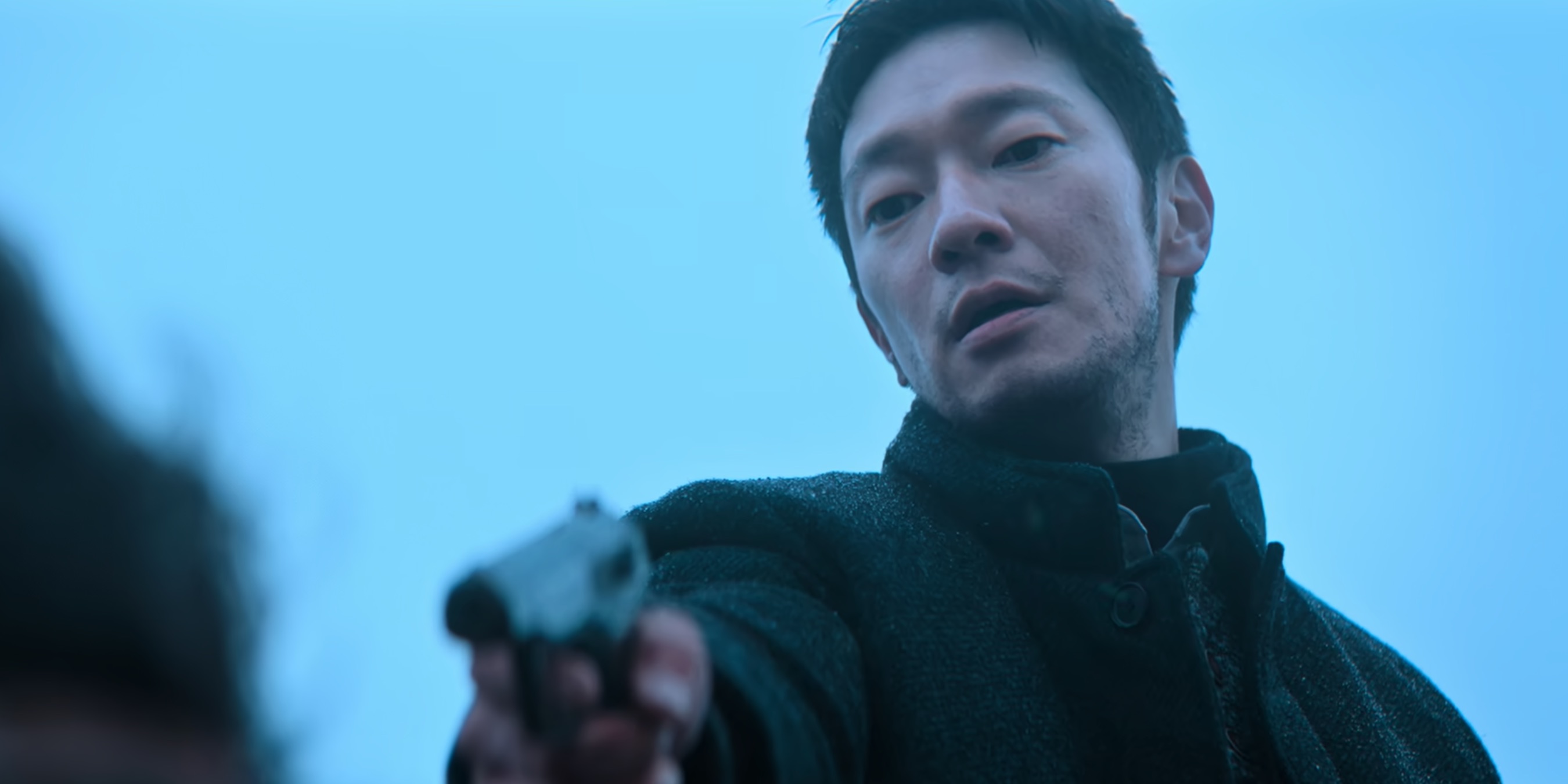
In turn, Seok becomes overcome with his anger and almost shoots down the criminal in cold blood. However, before he can pull the trigger, Inose stops him. He reminds him of his legal duty, encouraging him to put his personal vengeance aside in service of real justice. By killing Hyun-tae, he would only be morally condemning himself further, allowing his present to be shaped by the past. In the end, Seok heeds Inose’s advice and lowers his gun. Unfortunately for him, his enemy has no such ethical hang-ups. Hyun-tae lunges for the other’s gun and uses it to shoot Seok. In quick succession, Inose shoots and kills the gangster, whose dead body topples down the cliff. Even though Seok dies in the end, he’s happy that his partner prevented him from succumbing to the dark path of selfish vengeance, reminding him of his real identity as an upholder of the law.
How Did Du-yeong Die? What Really Happened to Him?
Du-yeong’s storyline remains one of the more surprising narratives in the story. His past with the Print Shop reveals a darker side of him that remains missing in Seo’s fond memory of the man who raised him. In reality, his uncle has a deviant connection with his actual father. Seok has always believed that his father simply left his family when his son was still young. However, he was actually abducted by the Print Shop for a brutal interrogation about his pro-communist sentiments. When he tried to run, he eventually ended up falling to his death. Seok’s father was the first person whose dead body the Print Shop mutilated in order to dispose of it without suspicion. Du-yeong was the one who executed the disfigurement. Furthermore, in the aftermath, he had held on to an image found in his victim’s wallet.
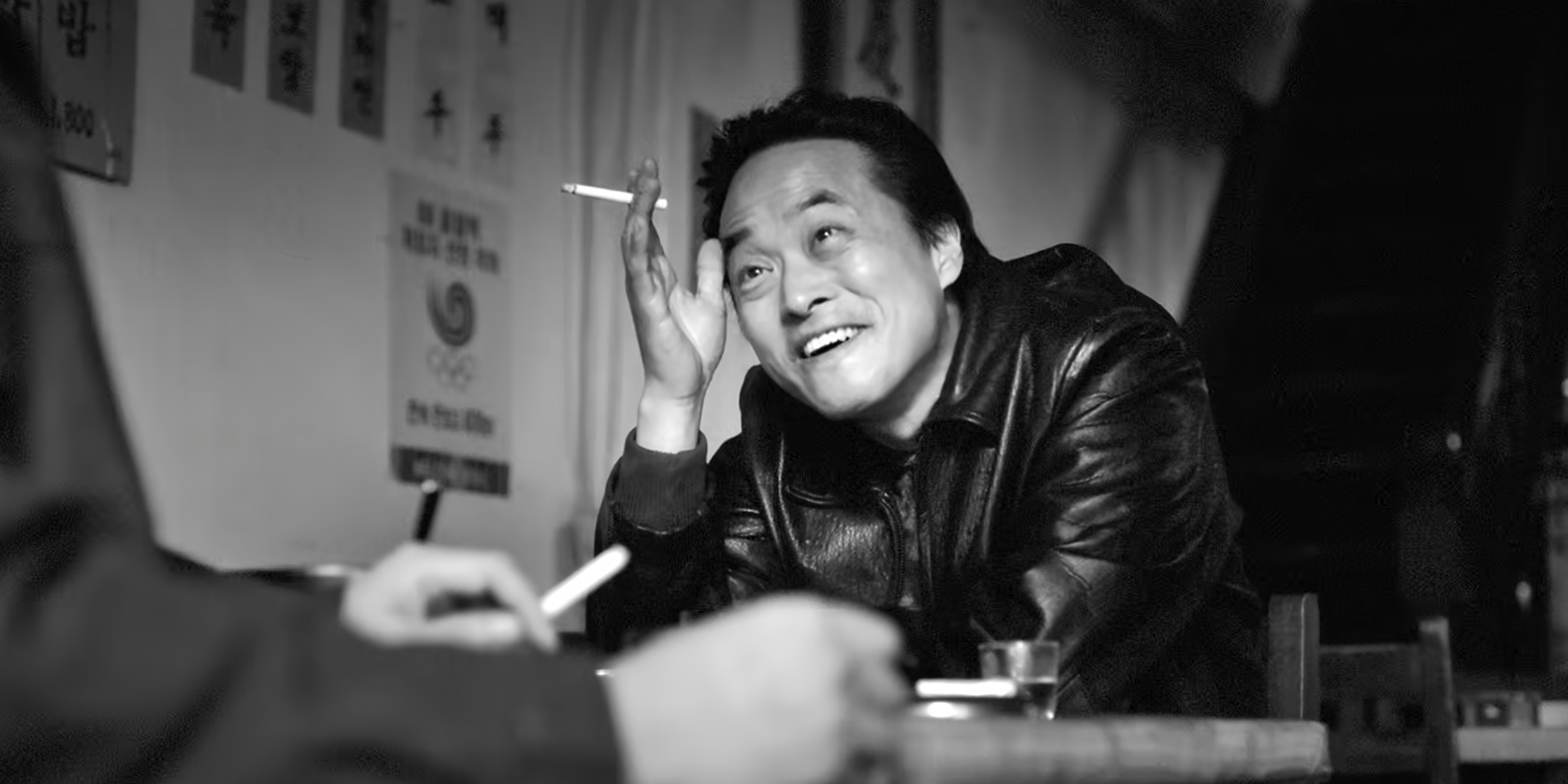
The image was of the man along with his wife and a son. Du-yeong took a liking to the mother, realizing that with her husband gone, the woman would likely be vulnerable to outside influence. Therefore, once the ANSP held up their end of the deal and provided him with a registration card, he left the Print Shop and went after the dead man’s family. He initially poses himself as a friend and a reliable shoulder for the mother until he eventually weasels his way into the family’s life. That is, until his past catches up to him. In time, Hyun-tae shows up in his new life, on his way out of the Print Shop with one final mission: Du-yeong’s assassination. Unlike the latter, the gangster had always held deep shame and guilt for his actions. For the same reason, seeing Du-yeong enjoy the life he stole from the man he killed compelled Hyun-tae to deliver his own twisted form of justice.
Read More: The Law of Beasts Ending Explained: What is on the CD?


You must be logged in to post a comment.