
 Aahana Swrup
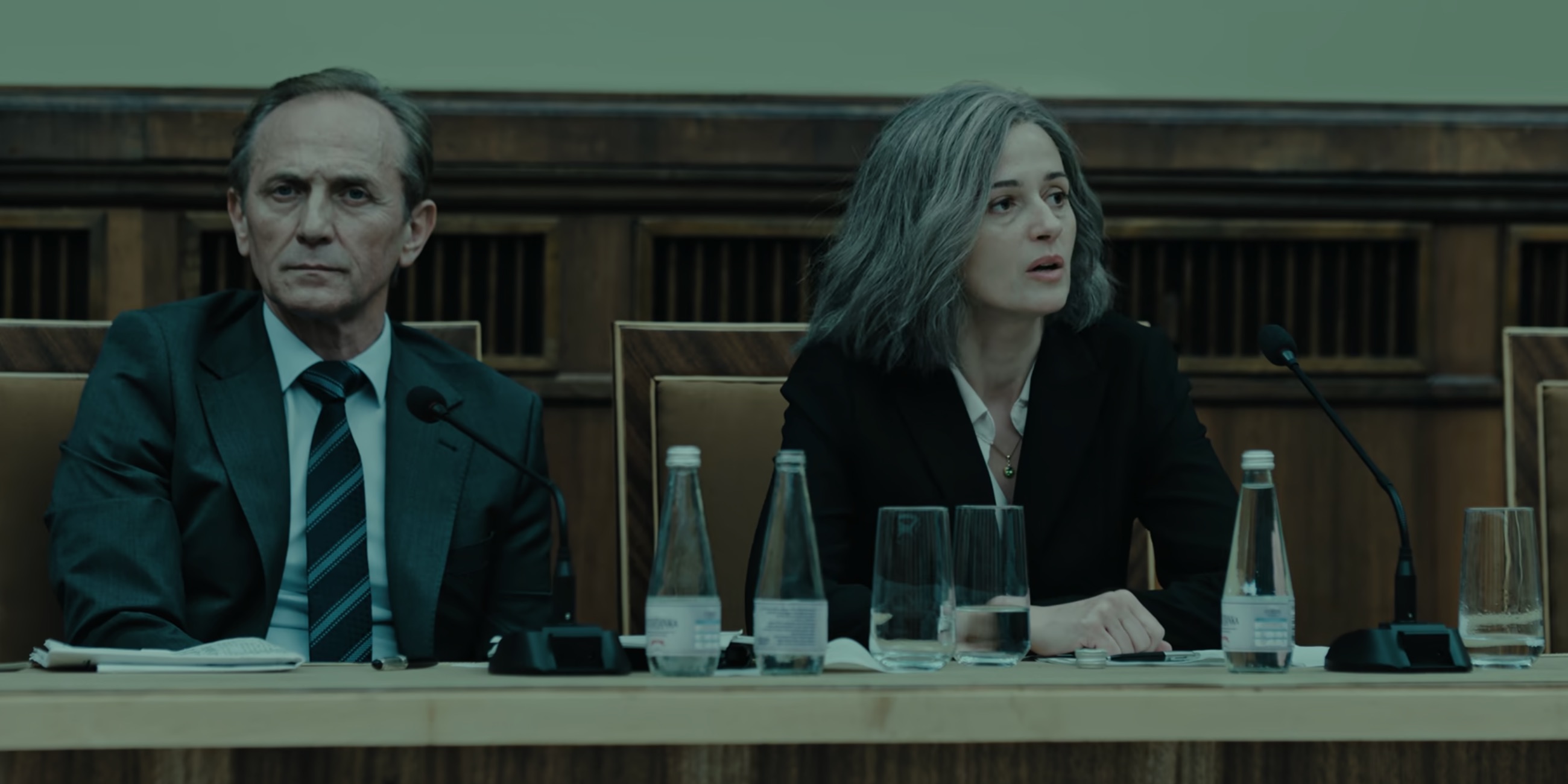
‘The Law of Beasts’ charts a story about two strong-willed women and a criminal case that shakes up an entire nation. In 1988 Poland, the city of Piotrków remains on edge because of a serial killer on the loose. However, the killer’s capture alone isn’t enough to soothe the anger and fear of the country’s people. The perpetrator, responsible for the deaths of multiple young boys, Mariusz Trynkiewicz, must also be brought to justice. 25 years after his initial arrest and conviction, the time comes for the killer to return to society, having served his prison sentence.
This brings Major Anna Bersz, who led the original case, and Professor Agnieszka Grabska, who delivered Mariusz’s mental diagnosis, back into each other’s and the killer’s orbit. While the law enforcement agent is willing to do whatever it takes to ensure that the beastly criminal doesn’t get another chance to hurt someone else, Agnieszka wants to ensure they don’t end up doing permanent damage to the justice system in pursuit of one man’s punishment. SPOILERS AHEAD.
The Law of Beasts Recap
In 1988, three children, ages 11-12, go missing from the city of Piotrków. The news of the same compels Major Anna Bersz to cut short her vacation with her son, Kacper, and return to work as the lead investigator on the case. The parents of the missing kids are understandably in great anguish and have bought into the local rumors about how Satanists are behind the kidnapping. Nonetheless, the Major doesn’t believe in these baseless rumors. Instead, she continues to lead search parties diligently. Eventually, they find the burned remains of the lost boys in the woods. Initially, examination of the remains reveals that the immolation took place a few days after the initial death, which is concluded to have been the result of stabbing. Furthermore, it appears that the dead bodies were likely kept in a basement. Thus, the police theorize that the killer’s actions were likely sexually motivated. Around the same time, Anna receives a tip about a motorist on a red bike passing through a children’s camp.
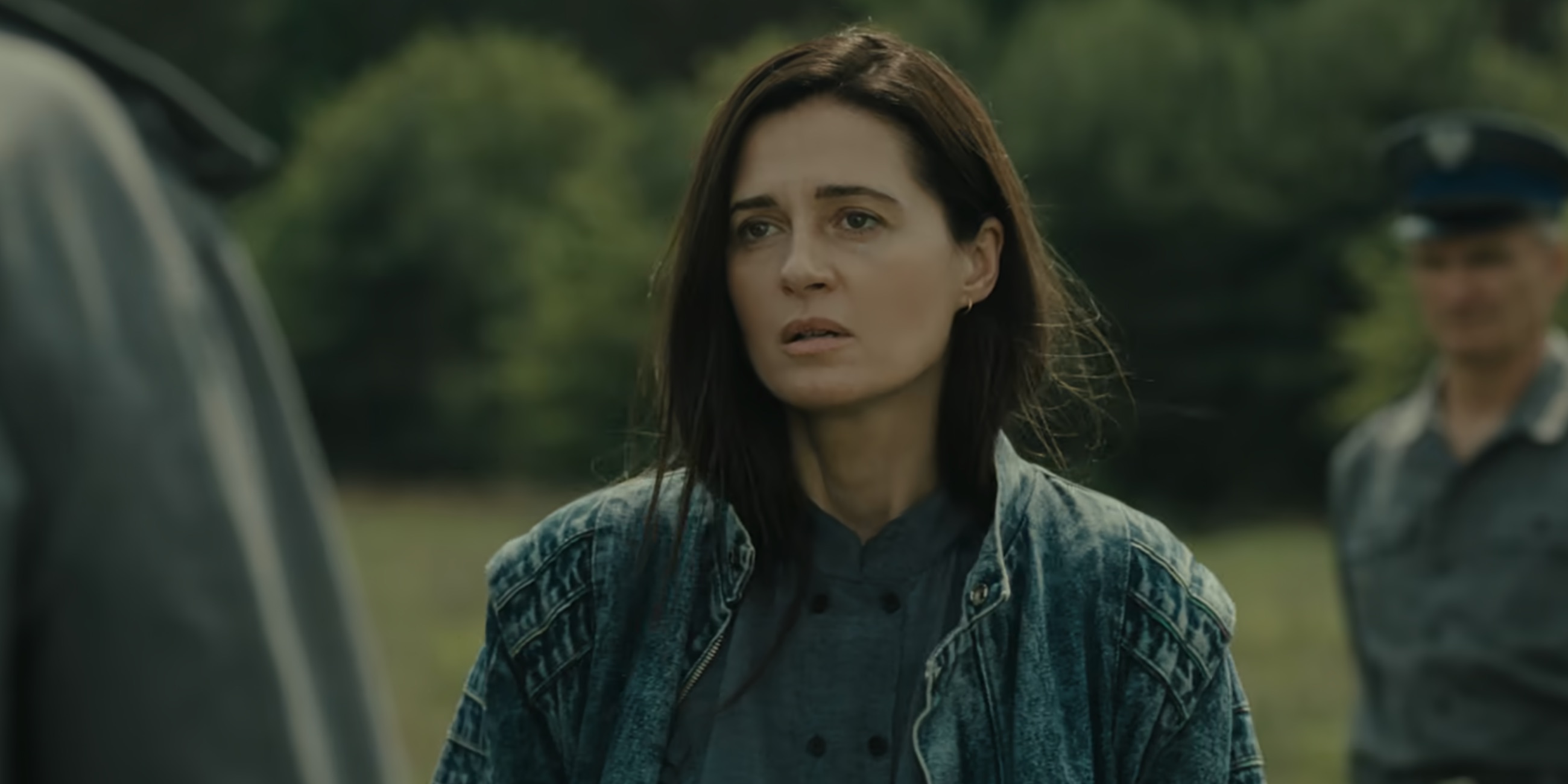
Consequently, the police keep a lookout at the ensuing funeral ceremony, expecting the killer to show his face. Although Anna manages to make an arrest, it turns out to be a false lead. However, shortly thereafter, the Major does receive a promising tip from a man whom she hooks up with. The near-stranger tells her about an encounter one of his neighbor’s sons had with a potential pedophile who kept him captive in his basement for a while. This leads Anna to Mariusz Trynkiewicz, a sex offender who has recently been released from prison due to special circumstances. It doesn’t take long after his arrest for Mariusz to confess to the killing of the three boys. Yet, he also makes some peculiar claims. He insists that he has blurry memories of the event and claims that the violent and abusive actions he committed almost happened with his consciousness outside of his own body.
At the same time, Mariusz also complies with the rest of the investigation without showing any grief or remorse. He recreates the situation of the homicides as well as the burning of the bodies, but refuses to talk about Wojciech Pryczek, another kid he had killed whose remains are yet to be discovered. Meanwhile, Anna’s close friend and top-of-the-field expert, Agnieszka Grabska, is also brought into the investigation. Her job is to evaluate Mariusz’s mental state and give a verdict on it in the criminal court trial. The discovery of the killer’s journal plays a huge part in helping the psychiatrists along in their journey. She concludes that there’s a possibility her patient might have dissociative identity disorder. Thus, while he is the one committing these horrendous crimes, there’s a case to be made about his lack of sanity. Nonetheless, the Major learns of these findings; she’s angered by the suggestion. If Mariusz is declared mentally unfit in any way, it would drastically change the course of the trial.
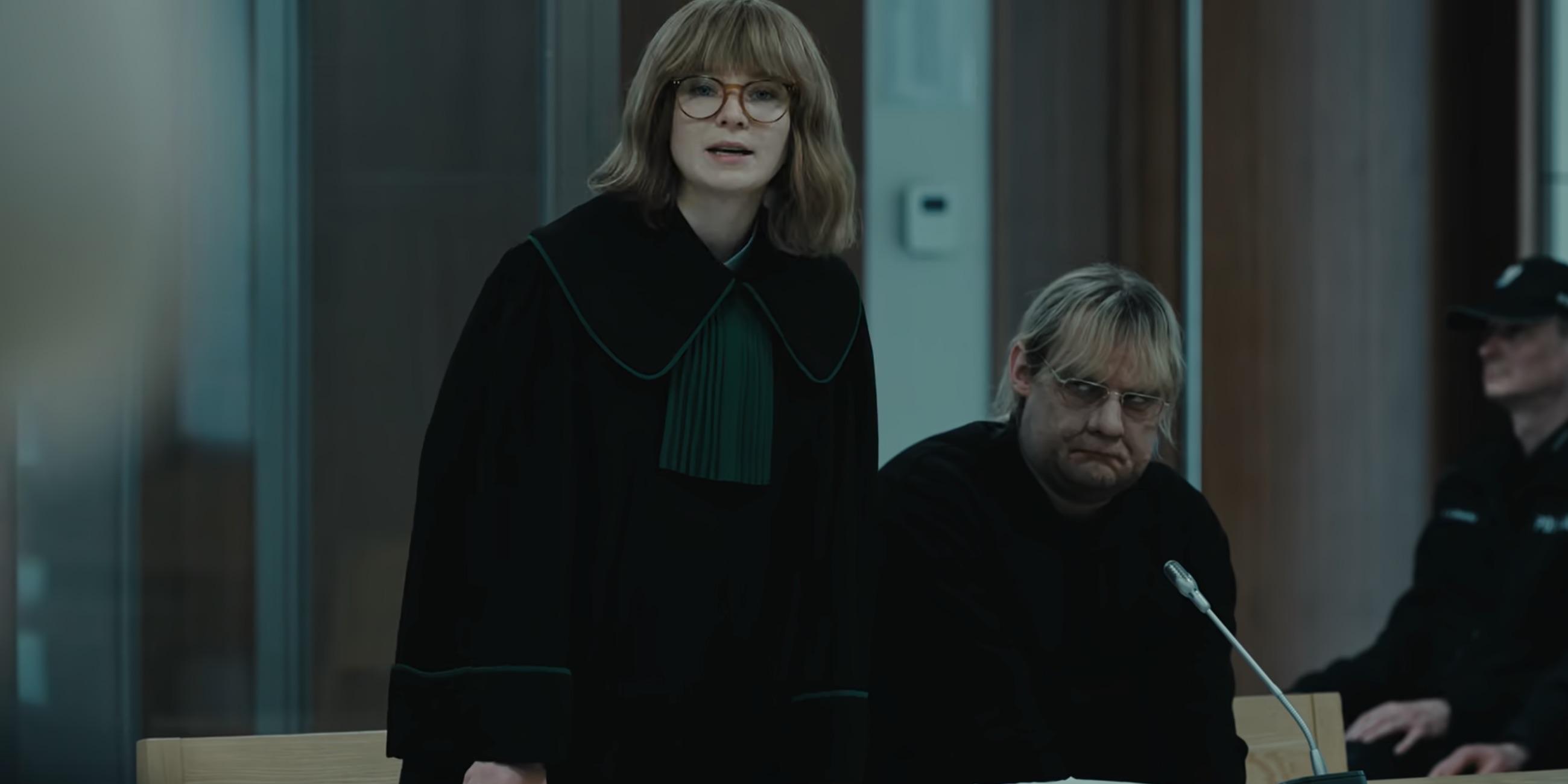
Anna and many others across the nation are vying for the killer to be punished for his horrifying crimes with the death penalty. Therefore, the law enforcement officer manages to change Agnieszka’s initial diagnosis. Yet, instead of the noose, the killer is only sent to prison due to complicated reasons. 25 years later, in 2014, the time has come for Mariusz to be released from his imprisonment so that he can rejoin society. Agnieszka once again leads the charge in his mental evaluation. Meanwhile, Anna, who is now the Central Bureau Director, vows to find a way to ensure that the killer doesn’t return to the street. Since he can’t be taken to court for his old crimes again, she recruits the help of a ruthless criminal lawyer, Oskar Mikosz, to campaign for the institution of entirely new legislation. This would allow the authorities to put Mariusz in a treatment center away from the public. Only this time around, they must successfully overturn Agnieszka’s initial diagnosis of her patient’s sanity to make this happen.
The Law of Beasts Ending: What is on the CD? Is Mariusz Trynkiewicz Released?
Even after Anna and Oskar successfully get their Beast Law passed, it doesn’t ensure the prevention of Mariusz’s release. First, the prosecution has to prove that there’s reason to believe the killer has a mental condition that makes him a threat to others to the point of requiring preventative supervision. Nonetheless, there are many people who fundamentally disagree with this new law, deeming it a breach of constitutional rights. One of these people is Ewa Kmita of the Humanum Foundation, who ends up taking the case as Mariusz’s defense lawyer. She finds an unexpected ally in Agnieszka, who gets dismissed from the case due to her similar opposition to the law. She agrees to testify as a witness. The psychiatrist believes that while Mariusz requires treatment for his condition, the law shouldn’t bend itself just to punish him. Ultimately, all these factors make the trial more complicated and subsequently lengthy.
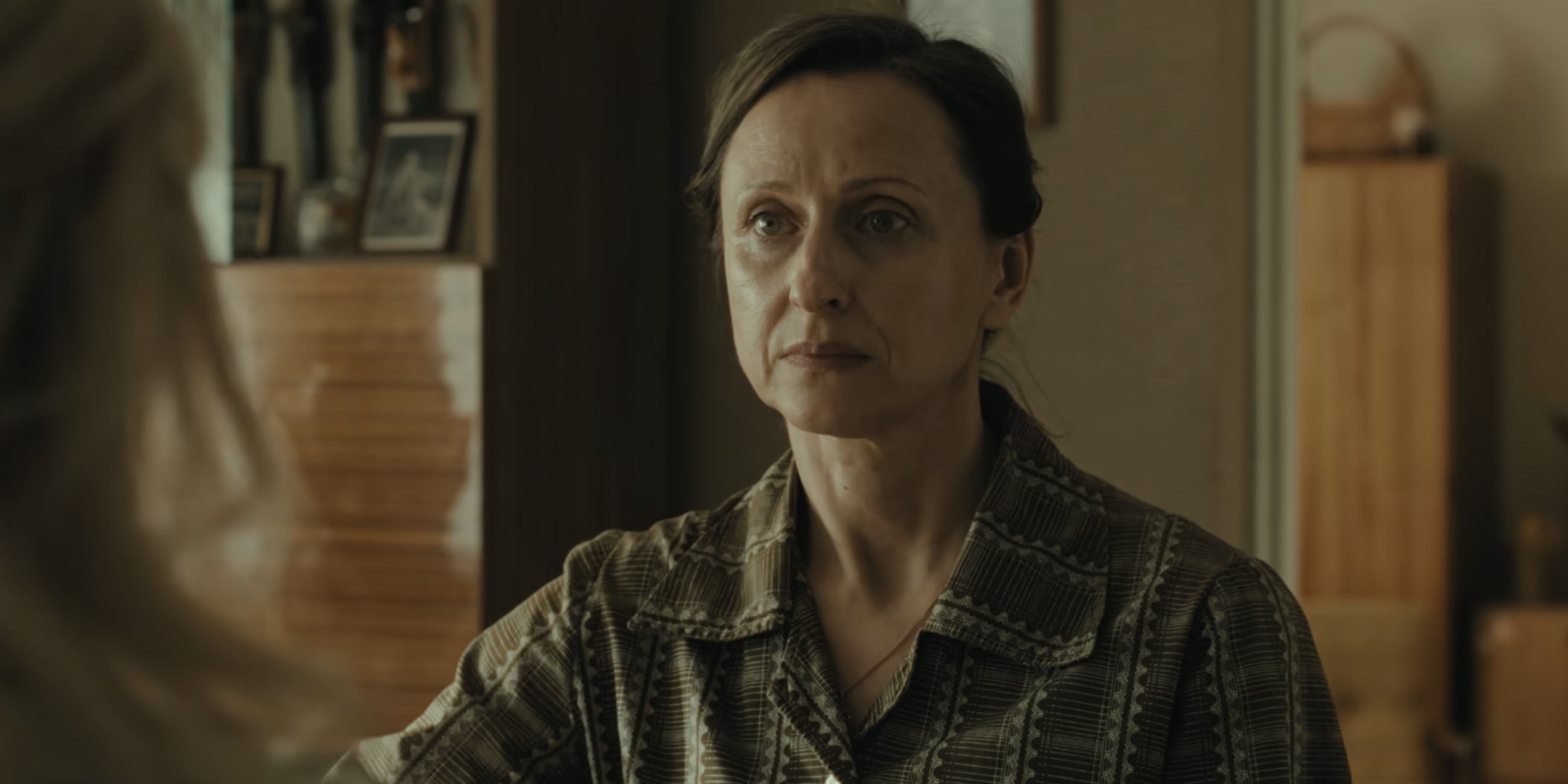
The court fails to make a decision during the first session, which means that when the date of Mariusz’s release from prison arrives, there’s no additional sentence preventing him from rejoining society. The public itself is angry at the development and holds marches that delay the killer’s homecoming to his mother’s house in the city. Yet, there’s no official verdict requiring further imprisonment for him. As such, while on his way back home, he calls up his mother, Urszula, and asks her to mail a package for him. The mother had received the package from her son earlier during a prison visit. Urszula herself has complicated feelings about the matter. On the one hand, Mariusz is her son, to whom she feels an obligation and a responsibility. At the same time, she’s also scared of what he’s capable of and seems to genuinely believe he should not be allowed to reintegrate into society again.
Thus, after Mariusz asks her to mail the package, Urszula instead decides to look through the box. Inside it, she finds numerous sketches and paintings from his time in prison. Additionally, she finds a CD taped to the back of a canvas. The show never reveals what might be on the disk. Yet, the implication is clear: the CD likely contains child pornography. In real life, it was the discovery of such illegal and depraved material that delivered Mariusz to yet another prison sentence and eventual placement in the National Center for the Prevention of Dissocial Behavior. The series places the responsibility for the disk’s discovery on the shoulders of Urszula, the mother of the killer, who lives with many regrets. After the disc’s discovery, the mother immediately calls Agnieszka, who then reaches out to Anna. Although the show ends before the aftermath of the discovery can be explored, it’s heavily implied that the fateful finding prevented Mariusz’s release.
How Did Mariusz Evade the Death Penalty?
In the show, dual timelines of 1988 and 2014 unravel side-by-side with each other. Therefore, for the longest time, it’s unclear how Mariusz manages to evade the death penalty. Back in 1988, the killer’s destiny seemed clear. The public wants him to serve a punishment that is befitting his brutal crime. Likewise, the law enforcement officers don’t have any sympathy for him either. Consequently, everyone is vying for a death penalty when the court trial against Mariusz comes around. Anna has even managed to pull the strings needed to ensure that Agnieszka’s diagnosis of the killer’s sanity doesn’t pose a problem in the prosecution’s case. Ultimately, the prosecution wins, and Mariusz receives a death penalty for his involvement in the brutal murder of four young boys.
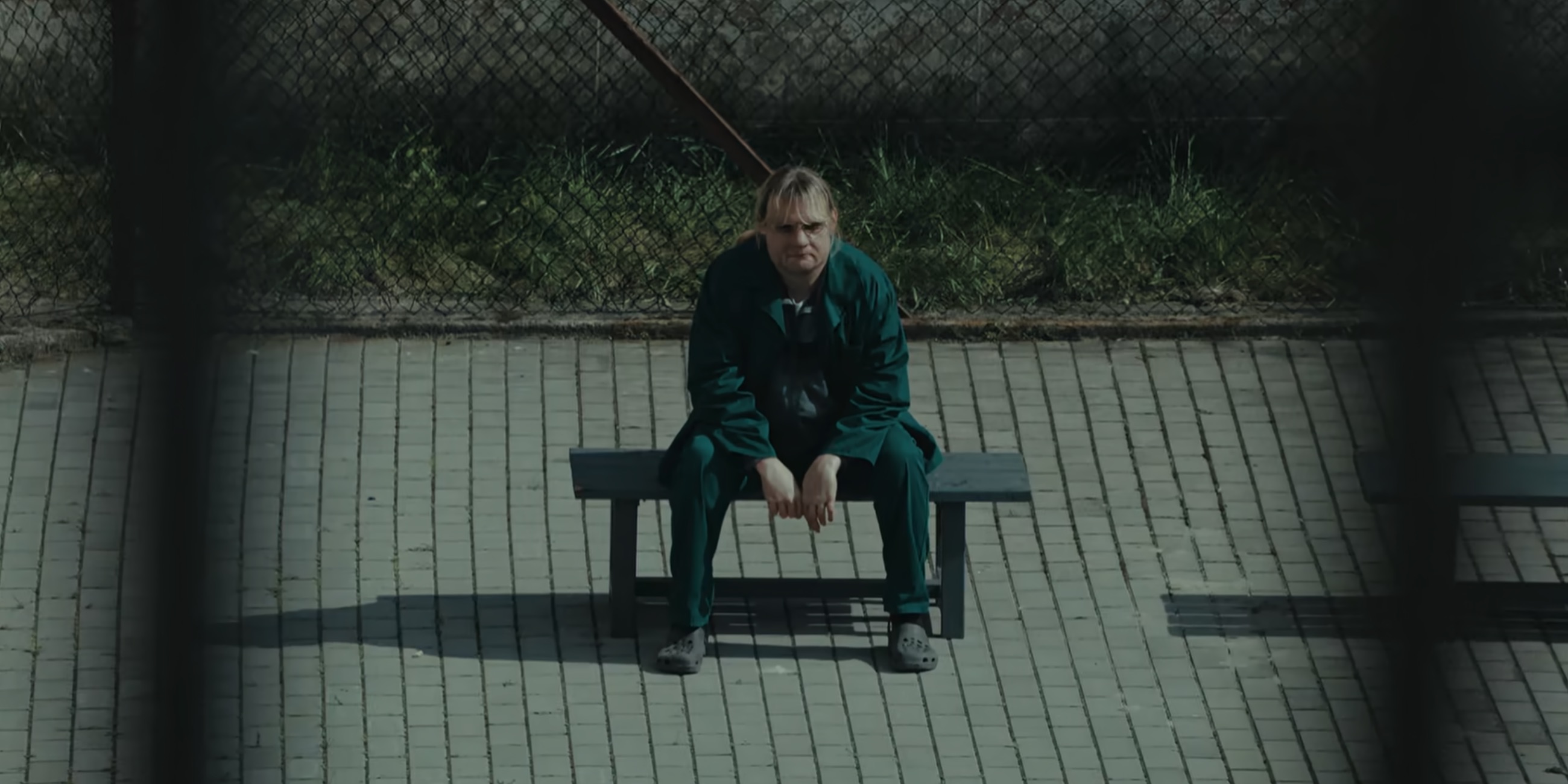
Yet, something unexpected happens shortly after the court passes its verdict. As communism falls across the country, it brings about several changes to the system. One such change includes amnesty that is granted to all current death penalty cases. Instead, all convicts who are on death row receive a 25-year imprisonment to replace their death sentences. The fact that Marius wasn’t hanged sooner ends up becoming his saving grace. Thus, despite his conviction, the killer is allowed to live and even look forward to his eventual release. At the time, a life sentence wasn’t an option. Similarly, he couldn’t be retried for the same crimes once again. For the same reasons, Anna had to push for a whole new piece of legislation to ensure that the killer doesn’t get to easily earn his freedom by 2014.
Why Did Agnieszka Declare Trynkiewicz Sane During His Initial Trial?
The murder cases of the four young boys had an adverse impact on the country as a whole. People grow more paranoid about their children’s safety, rumors run rampant about Satanists, and people are quick to jump to conclusions and violence. Therefore, when Mariusz is arrested in connection with these murders, he quickly becomes public enemy number one. Everyone was after restorative justice, which they believed could only be achieved by making the killer pay for his heinous crimes with his life. Nonetheless, given the nature of her work, Agnieszka aims to rise above such emotionality. As a doctor, she has the unique ability to look past people’s misdeeds in order to extend them compassion and sympathy. This is an important skill to possess in order for her to disregard labels like “beasts” and “monsters” to get to the real medical root of any individual’s behavior.
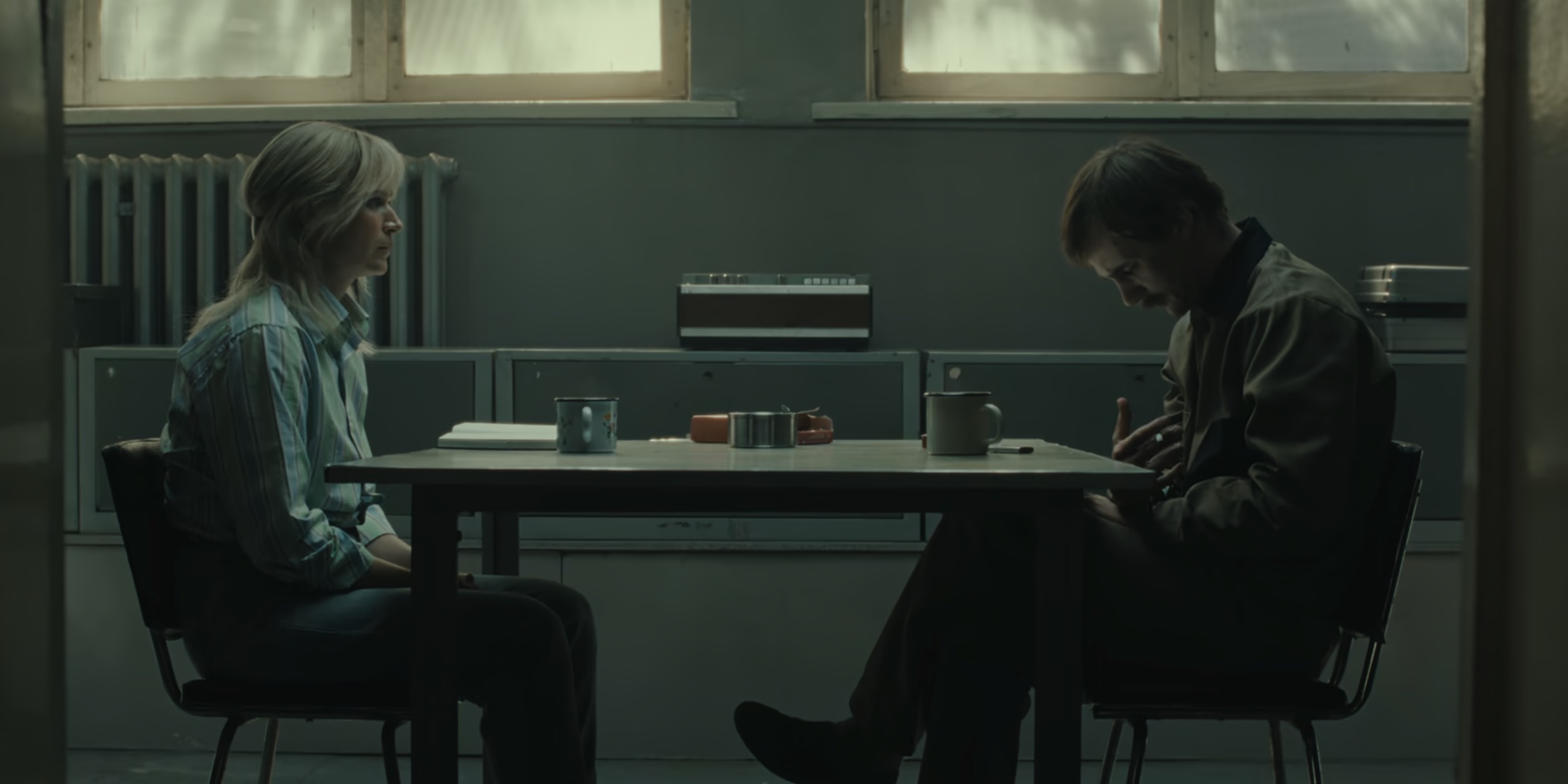
This is how Agnieszka is able to evaluate Mariusz fairly and conclude that he has dissociative identity disorder. Thus, even though he’s the one committing the crimes, a different identity takes over his consciousness when he’s engaging in these abusive encounters. Once there is a diagnosis, there is a possibility for treatment and eventual improvement. However, it would also give the court ammunition to deny the killer the death penalty. Consequently, the streamlined story of arrest and punishment that the nation craves in light of the gruesome killings becomes impossible. However, Anna is unwilling to let such a future pass. Therefore, she reaches out to Agnieszka’s senior, who encourages the psychiatrist to comply with what’s expected. In the end, the professor ends up making her decision out of fear of the alternative’s impact on her career.
Read More: The Law of Beasts: True Story of Mariusz Trynkiewicz, Explained


You must be logged in to post a comment.