
 Abhiroop Das
Helmed by Paweł Maślona, Netflix’s ‘The Doll,’ also known as ‘Lalka’ in the original Polish, reimagines Bolesław Prus’ 19th-century classic novel of the same name, bringing to life its tale of passion and fury. When Stanislaw Wokulski, a fabulously wealthy, self-made merchant, becomes consumed by an obsessive desire for Izabela Łęcka, a young aristocrat, a romantic chess game of sorts begins to take shape. What Stanislaw doesn’t quite realize is that riches alone won’t impress Izabela, as it is the dawn of a new age of ideas and innovations. As the romance drama series shines a light on Warsaw’s sociopolitical climate of the time, Stanislaw and Izabela’s eccentric dynamic gives way to a story full of hairpin bends and turns, all the way to the end. SPOILERS AHEAD.
The Doll Plot Synopsis
‘The Doll’ begins with a woman named Marianna being employed at Count Tomasz Łęcki’s tenement, specifically to take care of his young, perpetually capricious daughter Izabela. Famous for her beauty and intellect, Izabela has no shortage of desperate suitors, but deep down she desires something more: a career in writing. Meanwhile, Stanislaw Wokulski, a local businessman who runs a haberdashery, returns from the Russo-Turkish war with enormous riches, leading many to speculate that he was an arms dealer. With quite literally too much money to spend, Stanislaw takes a step back from his business endeavor, instead setting his eyes on charming Izabela and marrying her, a dream he has harbored for a long time.
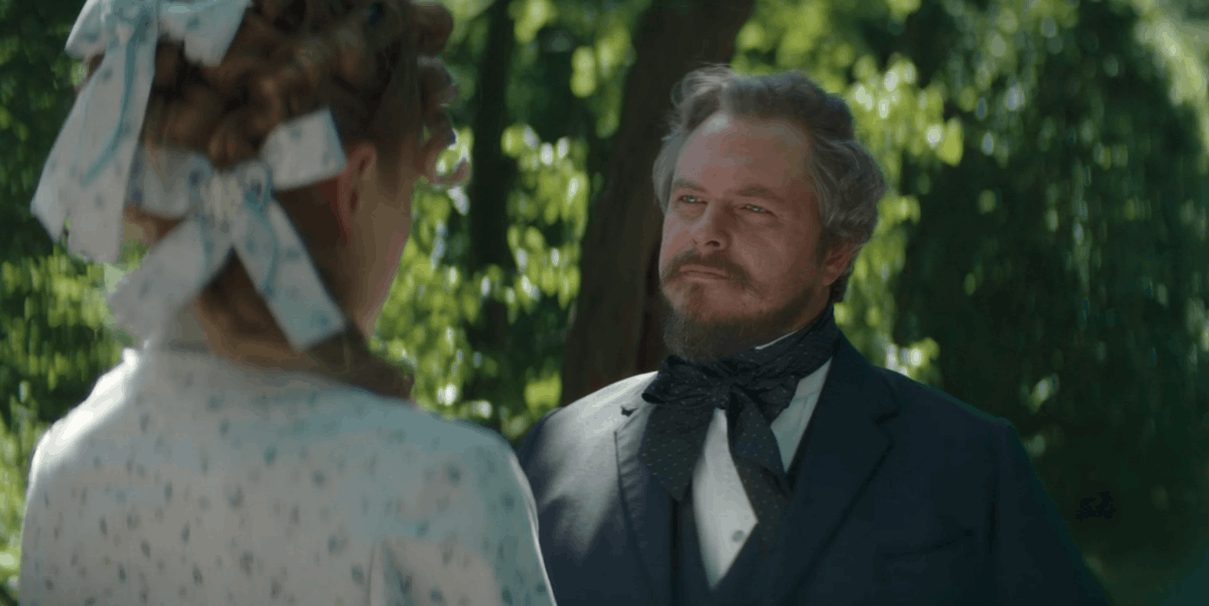
When Izabela learns that her notoriously unreliable father has invested all of their money into a secret project kick-started by Baron Krzeszowski, she doesn’t quite anticipate how bad things are about to get. Indeed, the prospect of this money bringing about an industrial revolution seems bright for a moment, until one night, at a ball, Tomasz learns that someone set the barge containing all the machines on fire. Completely broke, Tomasz slips into alcoholism and gambling, but his luck seemingly changes after an encounter with Stanislaw. Using his wits and wealth, Stanislaw gets Tomasz a prized racehorse in return for a chance to ask his daughter’s hand for marriage, and Izabela is left furious because of this dehumanizing act.
In the coming days, Tomasz’s racehorse, Margo, brings in a lot of wins and riches, until a ploy to poison it leads to a devastating defeat. Out of money once again, Tomasz slips back into dismay, but Izabela convinces him to make a fool out of Stanislaw, leveraging his obsession with her. As per the plan, Tomasz gets the businessman to buy the entire tenement in an auction, all the while getting his friends to drive up the prices. The process leaves Stanislaw nearly bankrupt, but in the time he spends with Izabela, their feelings become more prominent. However, it is then that Izabela’s cousin, Starski, reveals that he and Izabela’s maid, Marianna, were working as Stanislaw’s spies. As Izabela suspects that Stanislaw caused the burning of the barge, her father mysteriously dies, widening the chasm even further.
The Doll Ending: Do Stanislaw and Izabela End Up Together?
At the end of ‘The Doll,’ Stanislaw and Izabela choose vastly different paths in life, all the while secretly acknowledging the love they have for each other. As Stanislaw fakes his death and permanently moves to the oil fields, Izabela leaves her family and the aristocratic life behind, this time seemingly for good. Beneath all those actions, however, lie their pulsating feelings, which manifest in the form of a letter written by Izabela for Stanislaw, about what they ought to be looking forward to. As her narration of the letter runs through the screen, however, we also get hints of the two of them passionately having sex, which is implied to be the last thing they did before bidding goodbye.
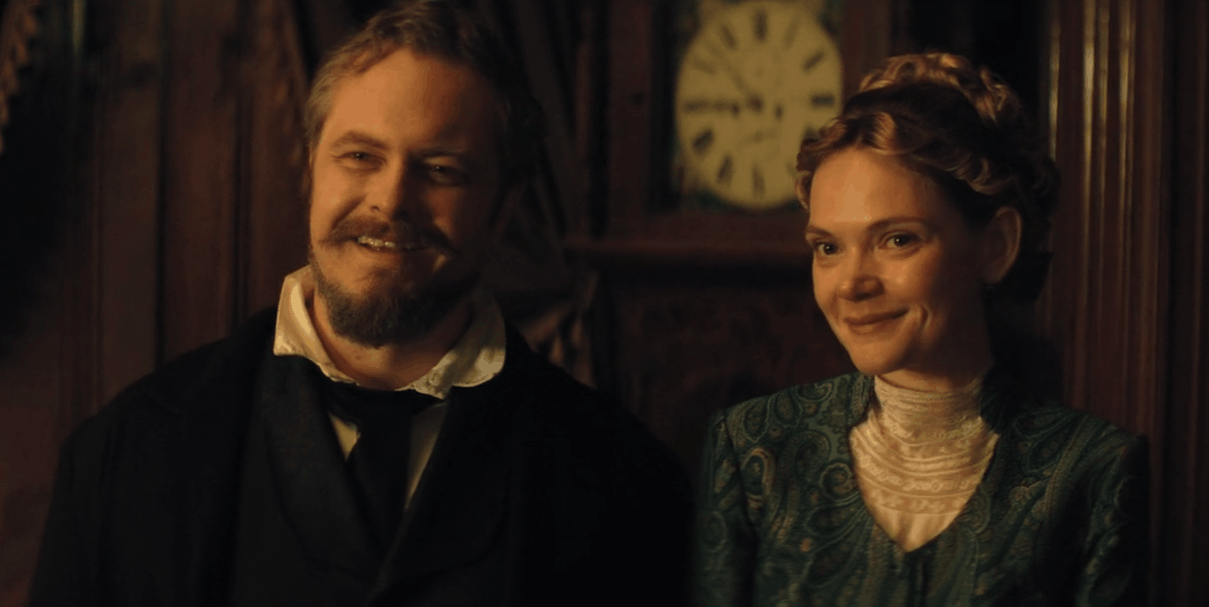
Though the wedding sequence makes it look as if Izabela truly has no feelings for Stanislaw and is marrying only for his wealth, the reality is far from this. The entire scene is revealed to be a farce, one designed by the pair themselves to fool the masses, as Stanislaw came clean about his own bankruptcy more than a week prior to this. The economic component of their love story has always been at the forefront of the story, and it doesn’t wither away at this point either. Instead of rejecting Stanislaw at his weakest, however, Izabela presents him with a plan that can bring their troubles to an end, and it does so by making a fool out of the very aristocracy that Stanislaw has come to have a vendetta against.
At the start of the story, Stanislaw’s obsession with Izabela, more specifically with marrying her, emerges as a crystallization of his general desire to be one with the aristocracy, in wealth and stature alike. On the contrary, Izabela’s initial rejection of Stanislaw also comes due to her generalization of Stanislaw as one of her many vacuous suitors, or more broadly, as a commoner. By the end of the story, however, they come to embrace each other’s true selves and fall in love with them. This is only made possible after they purge themselves of all the notions they have carried all this time, and, along with this new disillusionment with the olden ways of life, comes hope for this new chapter in their lives.
Why Does Stanislaw Fake His Death? Will He Get Caught?
Stanislaw’s pseudo-death scene recontextualizes the opening sequence of the series, which is intended to almost give a mythological effect to his character arc. By the end, however, we come to know that the dead body is of Starski, who sexually assaulted Marianna, and is killed by her in revenge. Izabela and Stanislaw witness the murder, and the former comes up with the plan to cover up the murder. After wiping all traces of the crime from his house, Stanislaw has the body quietly shifted to his shop, following which he rigs the entire place with explosives. Then, as per plan, he enters the shop and dresses Starski’s body in his own clothes and personal items, before escaping through the back door. Given that the body is both burnt up and smashed under the shop’s rubble, it becomes easy to make Starski look like Stanislaw, especially in an era without forensics.
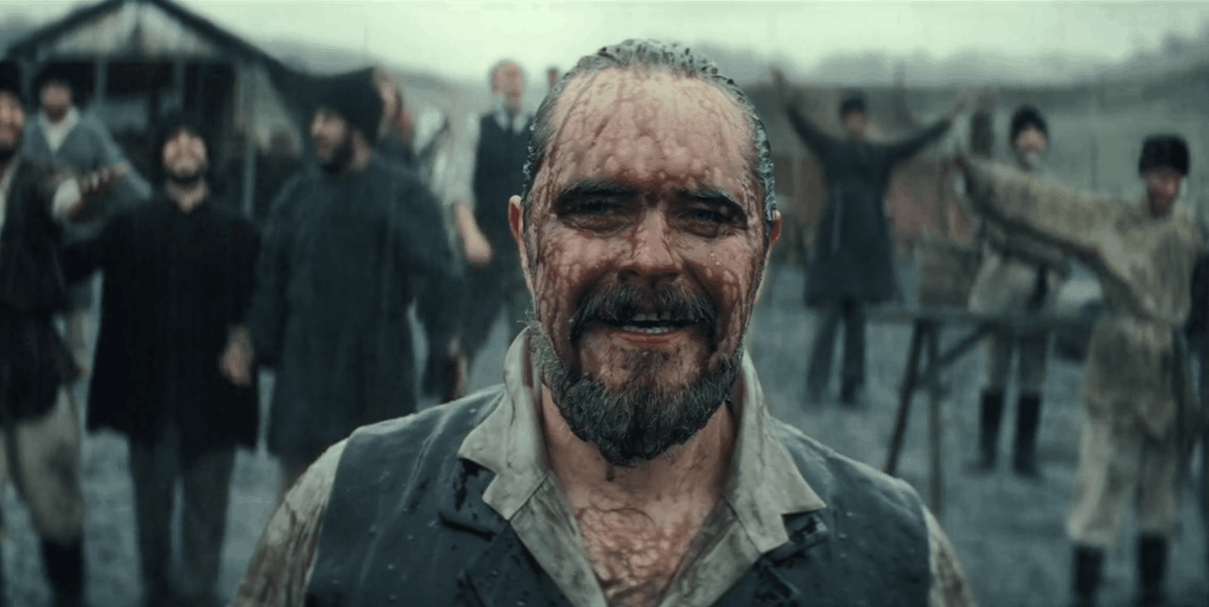
Given Stanislaw’s escape in mind, his right-hand man, Rzecki’s monologue about his employer’s supposed death drive is naturally proven to be a lie, but that doesn’t mean that there is nothing to take away from it. In reality, what he describes as Stanislaw’s commitment to death is actually his unrelenting trust in the ways of life to reward real passion with success. It is, after all, what works best for him in the world of business, and we see that come true at the end of the series, when Stanislaw and his men discover oil at last. As the future heads towards yet another technological revolution, Stanislaw can be assured of becoming wealthy again, perhaps even more so than before. While he likely won’t be returning to Warsaw ever again in his life, his business legacy continues.
Where is Izabela Going?
Unlike Stanislaw, who gets a relatively clear-cut ending, Izabela ends her journey on a far more ambiguous note. While we know that she has plans to move abroad, it’s unknown whether she is going to Paris, where she has always dreamed of going, or perhaps New York, as some of the letters indicate. At the end, though, the destination matters little, as what Izabela is truly after is a life beyond the aristocracy she has known her entire life, and to that end, she welcomes all challenges. In her letter to Stanislaw, which also doubles as her words to the audience, it becomes clear that the idea of losing her prestige, and almost all of her wealth, essentially being stripped of her class backdrop, isn’t a thing of worry for Izabela anymore, as she is ready to start something of her own.
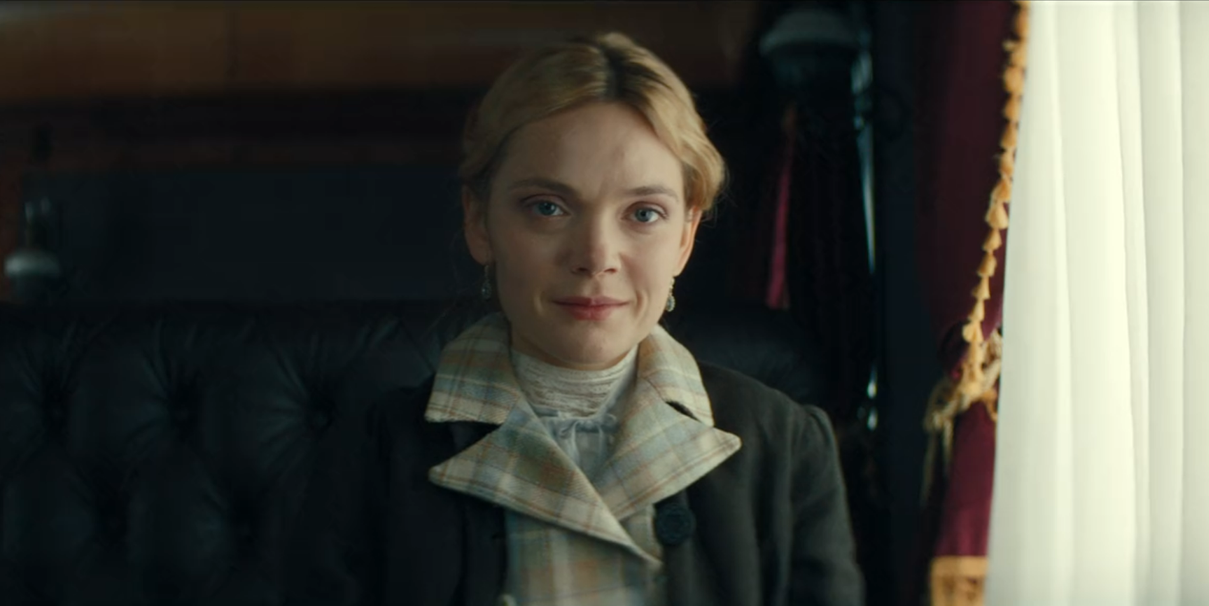
While Izabela begins the story with a potent desire to become a writer for the Ivy magazine, that thought appears to have dissipated by the end of the story. This is in large part because of Stanislaw’s crude, but partially truthful, remarks about her writing, and how, really, it is more about her feelings being seen than the contents themselves. While it is certainly not a bad thing to use the pen for self-affirmation, Izabela ultimately realizes that she must break free of the mold and create a life of her own before taking steps to affirm it. Thus, her choice to escape doesn’t necessarily mean that she wishes to be away from Stanislaw, but that she wishes to see how far she can go all by herself.
Who Was Behind the Fire? Is the Baron Arrested?
A major twist in the ending comes with the reveal that it wasn’t actually Stanislaw who set the barge on fire, but Baron Krzeszowski, with the help of his trusted enforcer. By obscuring the culprit’s face, the show plays on the viewers’ assumptions about Stanislaw and his supposedly twisted nature, and it is the same assumptions that Izabela makes as well. In reality, though, it was the Baron who secretly had an insurance policy taken out and made back all the money while keeping Izabela’s father in the dark. As for the business investment itself, the variety of the equipment suggests that the Baron likely never had a plan regarding them in the first place, and merely absorbed Tomasz’s money as an investment, and later got it back through the insurance policy.
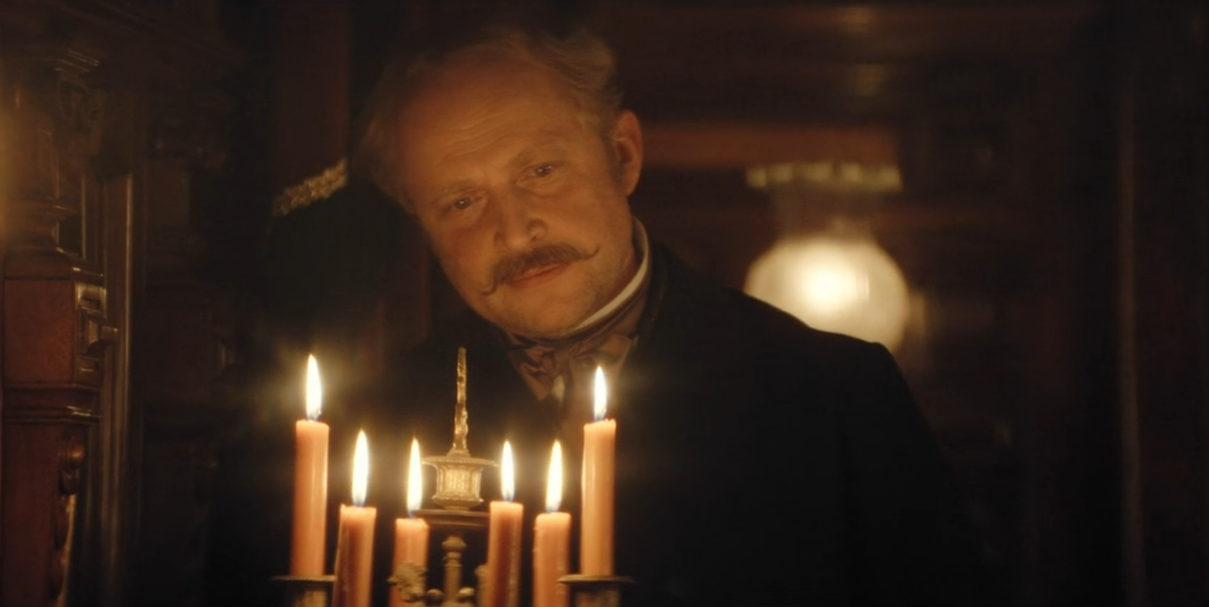
Where the Baron’s real shades of evil can be found, though, is in how ruthlessly he poisons his own former horse, Margo, just to take revenge. Here, too, we never actually see who poisons Margo before the race and immediately assume that it must be Stanislaw, who wants to put more pressure on Tomasz. In a way, this twist is meant to play into the stereotypes surrounding Stanislaw, that he is a businessman without any morality. In reality, the aristocrats who pride themselves on seemingly being a cut above Stanislaw are found to be the masterminds behind it all, and by the end, the Baron gets arrested by the police, bringing a fitting end to his saga.
How Does the Book End?
Interestingly, in the book penned by Bolesław Prus, Stanislaw and Izabela have very different conclusions compared to their on-screen counterparts. In the book, the duo seemingly get together much earlier, but during a train journey, Stanislaw overhears Izabela flirting with Kazimierz Starski and gets devastated. In a moment of despair, he gets off at a station all by himself and tries to throw himself in front of the train, only to be rescued by a railway worker. Stanislaw then withdraws from his business and Warsaw society, settles his affairs, and disappears, leaving us with an ambiguous conclusion.
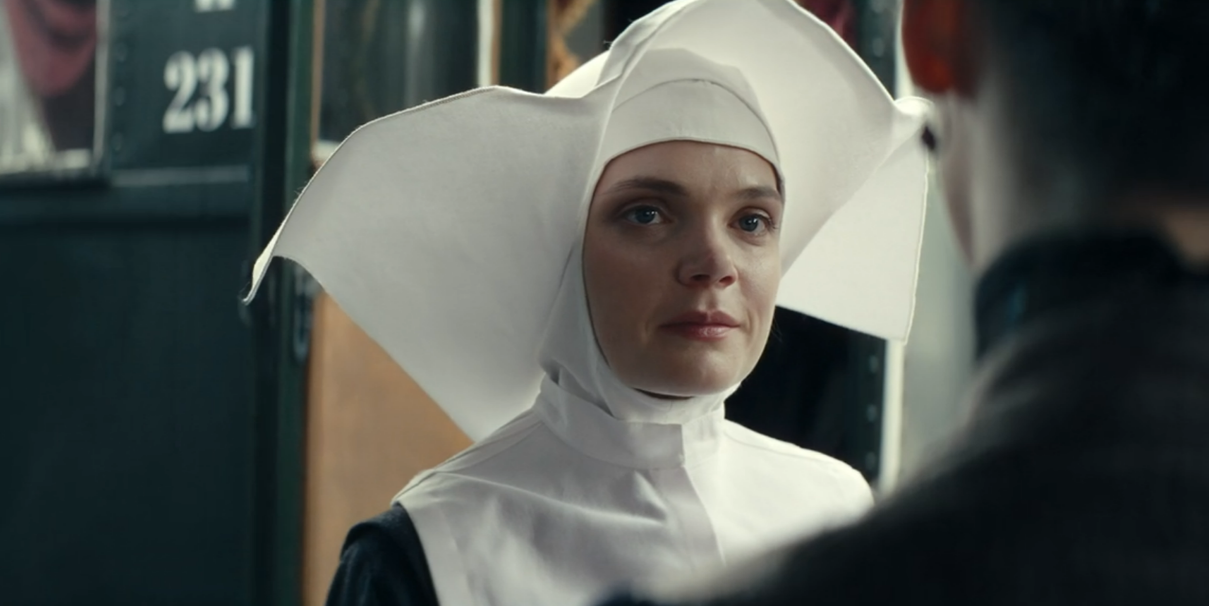
Later on in the novel, an in-universe report reaches Warsaw that Stanislaw was last seen near the ruins of a castle at Zasławek shortly before they were destroyed by an explosion. No remains are discovered; however, many suspect that he either withdrew yet again or perhaps faked his death to leave Poland. While loosely similar to the conclusion in the show, this ending has much grimmer implications. The same happens in the case of Izabela, as here she loses her father after her separation from Stanislaw. In the end, she, too, is indicated to have left Poland to enter a convent, which is the exact opposite of what she does in the show. In many ways, then, the Netflix show is a more optimistic take on what is ultimately an unfinished love story.
Read More: Is The Whisper Man a True Story? Is it Based on a Real Serial Killer?


You must be logged in to post a comment.