
 Aahana Swrup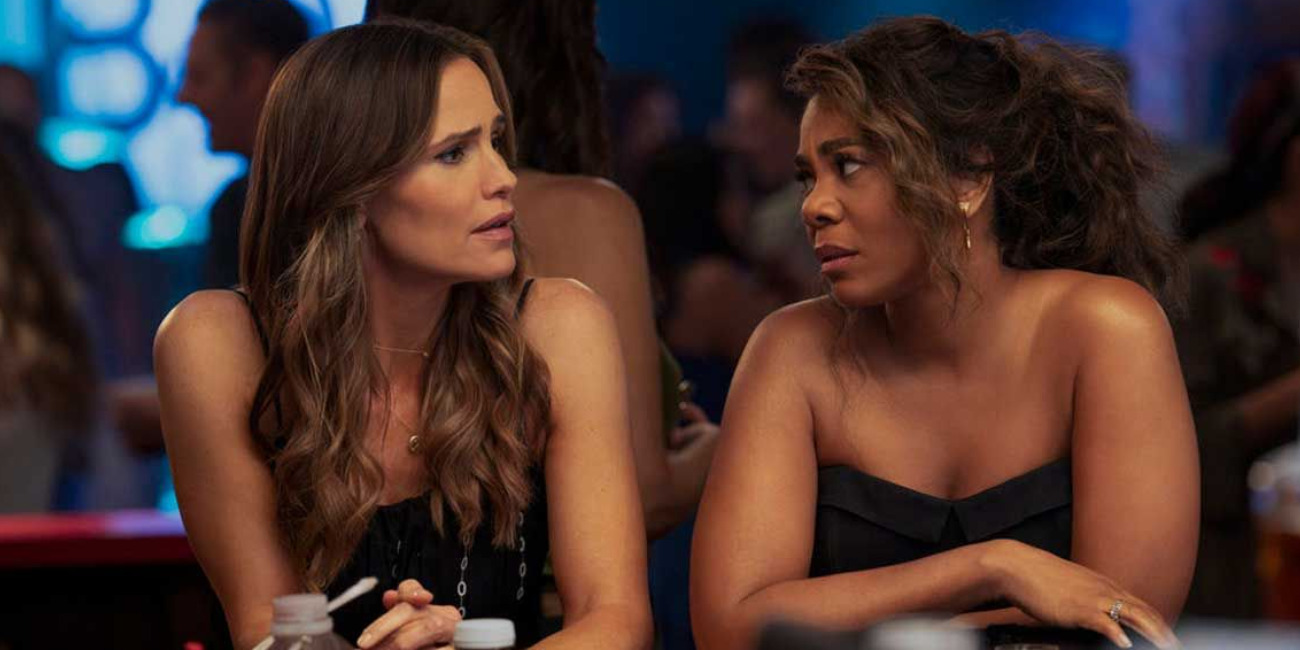
In ‘The Five-Star Weekend,’ Hollis Shaw invites a bunch of her friends to her beach house in Nantucket in an attempt to begin moving on from the tragedy of her husband’s unexpected passing. Dru-Ann Jones, the protagonist’s best friend from college, is on top of the invite list. In her adult life, she has become a successful hotshot sports agent, juggling various significant clients on her roster. However, a recent faux pas with one of her athletes in front of the camera has turned her from an inspiration to the internet’s number #1 enemy. As a result, over the course of her weekend in Nantucket, while offering support to her best friend, Dru-Ann also deals with a career crisis that is as likely to blow over as it is to blow her right out of the industry. While the agent’s time with Hollis and the other women contributes toward her emotional authenticity, her career adds a different, but equally grounding, sense of realism.
Dru-Ann Jones’ Fictional Narrative Touches Upon the Reality of Cancel Culture and Mental Health in Sports
Like other elements of ‘The Five-Star Weekend,’ Dru-Ann Jones is also a work of fiction with a strong basis in Elin Hilderbrand’s 2023 novel of the same name. The on-screen character retains a literary counterpart who is brought to life on the screen in the Bekah Brunstetter adaptation. However, outside of this bookish connection, Dru-Ann possesses no concrete counterparts in real-life sports agents. Even so, her narrative of undergoing public scrutiny explores notable themes relevant to the industry and its real-world impact. In the show, Dru-Ann gets canceled on the internet for downplaying the mental health demands of one of her players, Posey, deeming them less important than her professional commitments. The short clip fails to understand the wider context behind this interaction, compelling people to jump to conclusions.
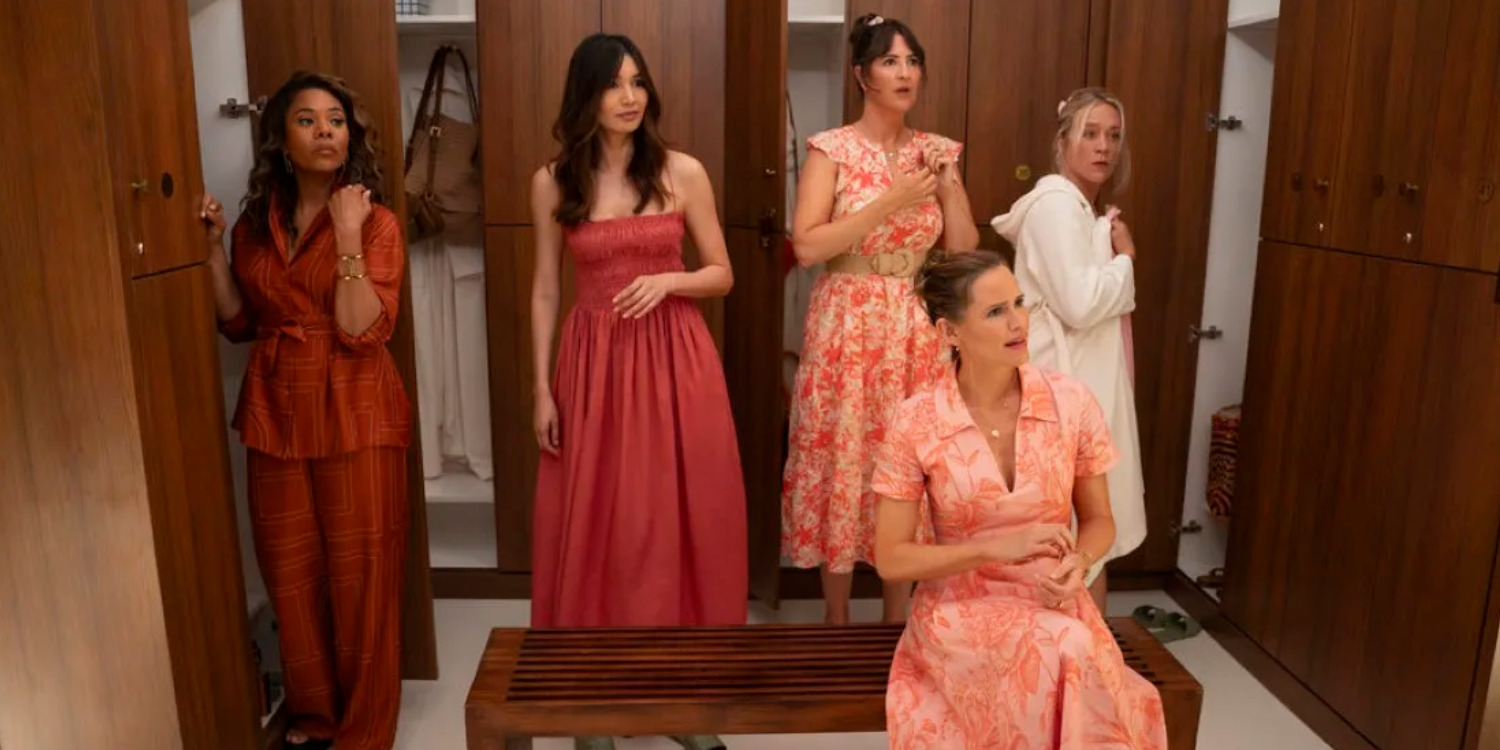
Nonetheless, Dru-Ann refuses to adhere to the internet’s demands, which she deems to be overly sensitive. The show goes on to explore the agent’s own past as an athlete and how the industry’s “tough it out” mindset impacted her relationship with diversity. While her narrative leads to a certain character development, it also highlights the quick draw that online cancel culture possesses and the harmful norms that it perpetuates. As such, this storyline remains steeped in realism twofold. On one hand, Dru-Ann’s past as a collegiate athlete showcases the prevalence of career-ending injuries in professional sports.
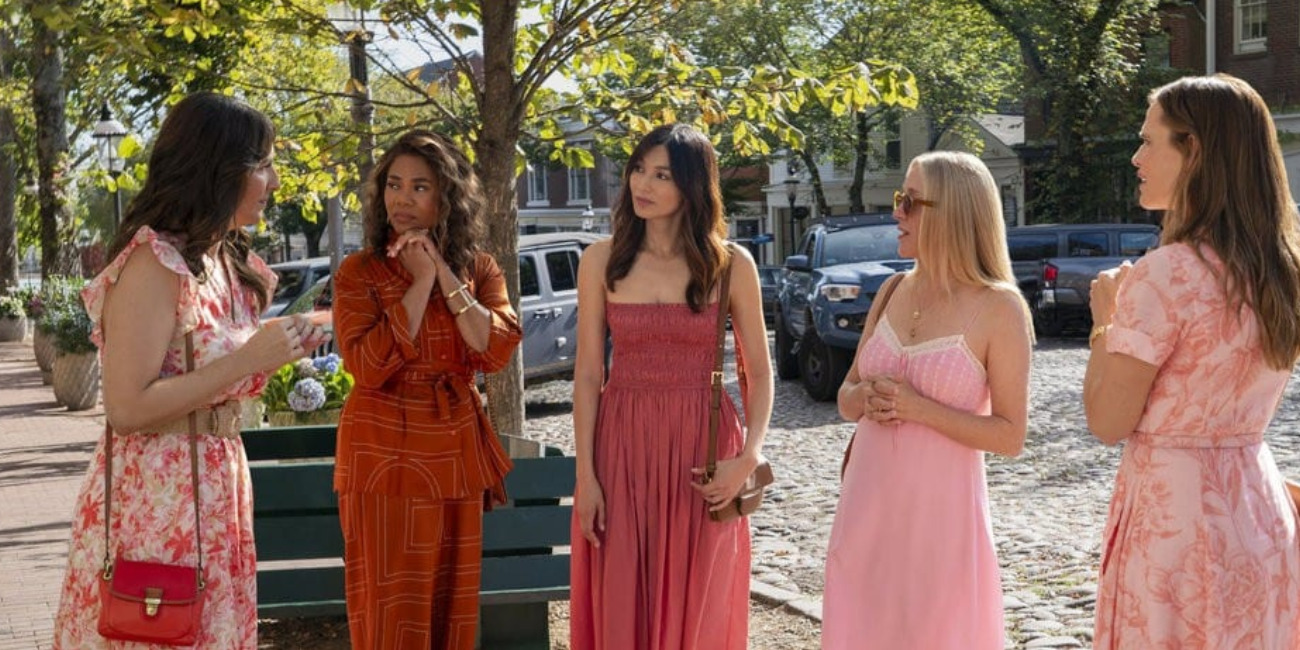
Moreover, Dru-Anne’s story shines a light on the high suicide rates among athletes in the industry, which has doubled from 7.6% in the mid-2000s to 15.3% in the mid-2020s. On the flip side, her conflicting storyline with Posey showcases the complexities of a professional athlete’s battle with mental health, especially in the face of a system that is only superficially supportive and eager to see one fall from grace. In real life, mental health issues still remain highly stigmatized despite the fact that 5-35% of professional athletes report experiencing a mental health disorder. On a collegiate level, this number jumps to 31% for male athletes and 48% for female athletes. Thus, by rooting Dru-Ann’s storyline in these realistic aspects of the sports world, the show ensures the character remains anchored to reality through an authentic narrative touchstone.


You must be logged in to post a comment.