
 Abhiroop Das
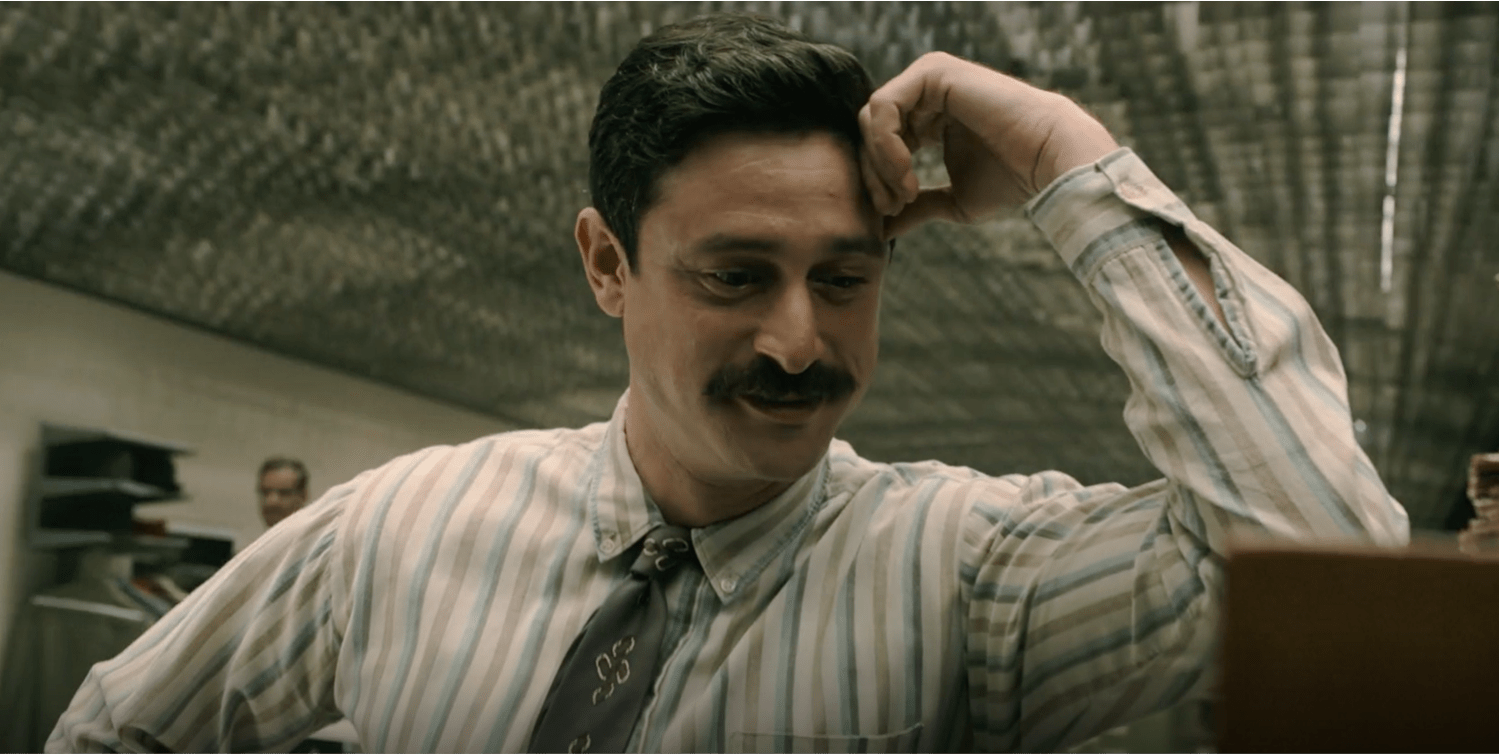
Prime Video’s ‘The Greatest‘ tells a dramatized account of Muhammad Ali’s iconic journey of becoming one of boxing’s most legendary names, starting from when he was known by his birth name, Cassius Clay Jr. On this journey, we encounter many new faces alongside him, all of whom play their part in laying the path ahead. Among these is a journalist named Marvin Geller, who finds himself in a situation not unlike Ali’s, albeit in a completely different field. A budding talent in the fiercely competitive world of journalism, Geller wants to prove himself as quickly as possible and ultimately realizes that the way to do that is to invest his energy in Muhammad Ali’s rise, not knowing where all this will take him in the near future.
Marvin Geller is a Loose Amalgamation of the Many Journalists Who Covered Ali
Marvin Geller is a fictional character created by Ben Watkins and his writing team specifically for the world of ‘The Greatest.’ With Muhammad Ali being among the most famous and documented people in history, it makes a lot of sense for the show to bring in a journalistic perspective, which is where Geller fits in. Rather than being a purely invented creation, though, he serves more as a composite of the many real-life journalists who covered the early phases of Muhammad Ali’s career, back when he was still a rising star and went by his birth name, Cassius Clay. Doing this allows the story to integrate real-life details without necessarily pointing to any particular figure, in the world of journalism or otherwise.
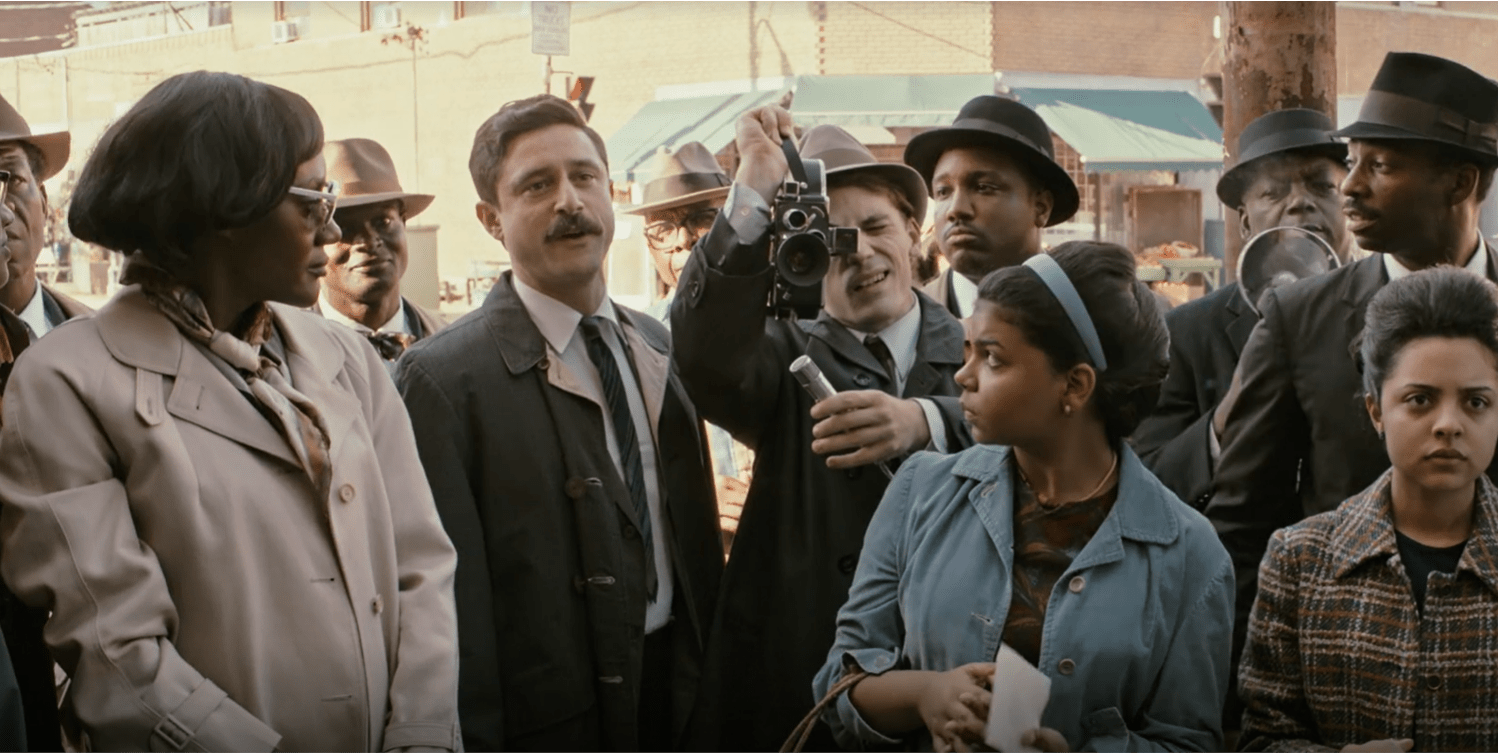
While for the most part ‘The Greatest’ uses the real names of the people it is fictionalizing, Geller is a unique case where it’s hard to find any specific antecedents. Instead, one can trace out his origins by looking at the specific historical context, namely the early 60s. After Ali won the light heavyweight boxing gold medal in the 1960 Rome Olympics, the entire nation’s attention was briefly centered on him. However, it is on his quest to become a professional heavyweight and take on the world’s best fighters that Ali became the subject of increased scrutiny. Through the character of Geller, the show dramatizes two particular events that helped mold Ali’s public image at the time.
The Show Gives Fictional Backstories to Some of Muhammad Ali’s Most Iconic Pictures
In the show, Marvin Geller’s career as a journalist gets launched into the stratosphere after he publishes photos of Muhammad Ali seemingly training underwater in a swimming pool. This is, in fact, a reference to a real photoshoot that Ali staged in a Miami swimming pool in 1961, when he was just 19 years old. Photographer Flip Schulke is the one who took these pictures and later convinced Life magazine to publish them, after other publishers initially rejected the concept. While Ali’s claims of training underwater may have been false, the pictures nonetheless became iconic and serve as a good example of Ali’s dynamic with the media. It doesn’t, however, mean that Geller is based on Schulke, as this is merely one of the many photographs from Ali’s life that get fictionally attributed to the character.
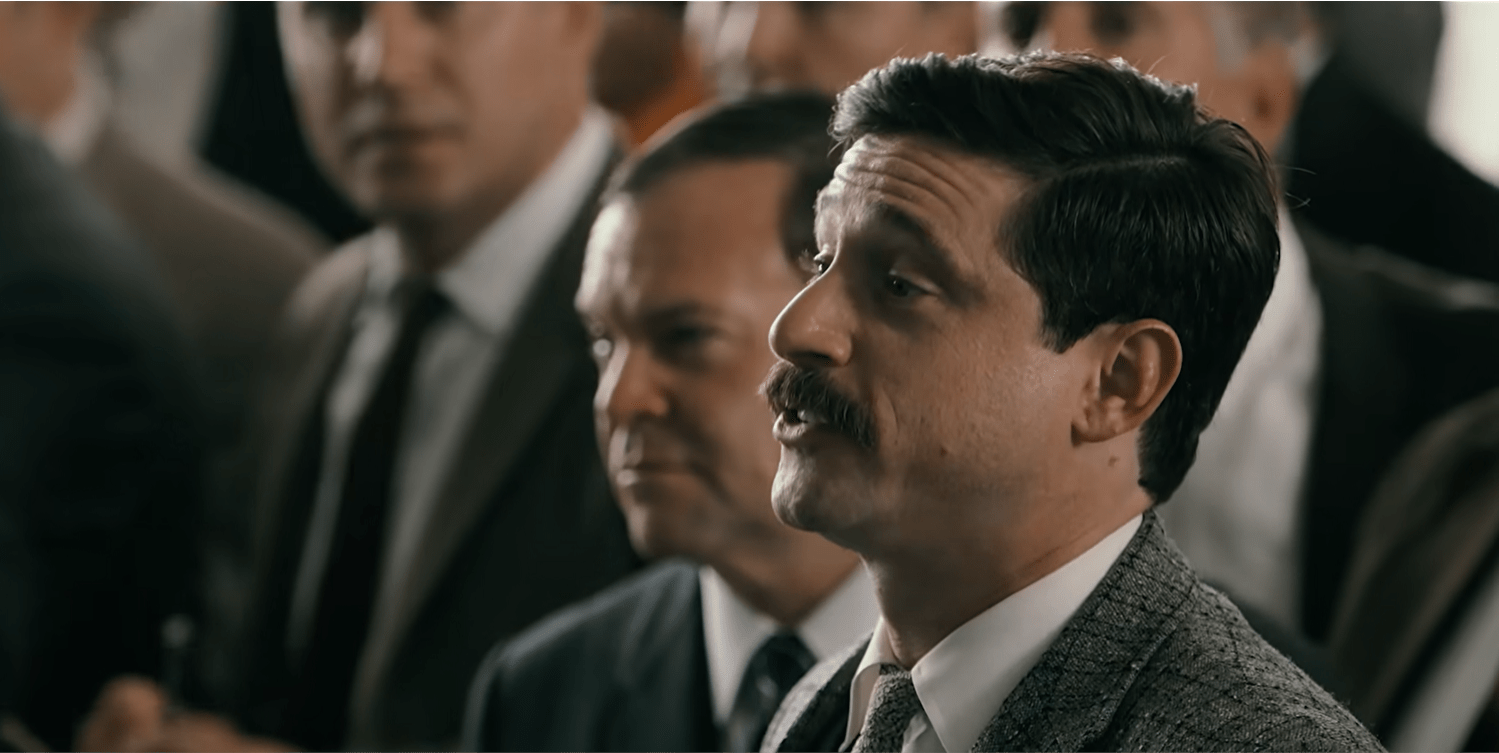
Another story arc in the show where Geller becomes a central character revolves around Ali’s relationship with the Nation of Islam, a religious and black nationalist organization that emerged as a prominent force at that time. Although Clay had spoken warmly about the Nation of Islam in the past and publicly acknowledged his friendship with figures such as Malcolm X, things took a turn in 1964, shortly after he defeated Sonny Liston and claimed the title of the world heavyweight champion.
Soon after the win, at a press conference in Miami, a reporter, whose identity is not established in the available accounts, reportedly asked Ali whether he was a “card-carrying member of the Black Muslims.” Ali, in turn, responded by discussing his religious beliefs and his relationship with Malcolm X, but that was only the start of the discourse and speculation surrounding his faith, as well as his political views. Over the years and decades, Ali maintained a complicated but enduring relationship with journalists, becoming an iconic speaker because of his wit, eloquence, and brave stances. While we only see the character of Geller capture a fraction of these moments, it is a strong creative effort to depict the role the media played in shaping Ali’s legacy.
Read More: The Greatest: Did Geraldine Liston Leave Sonny Liston in Real Life? How Did She Die?


You must be logged in to post a comment.