
 Abhiroop Das
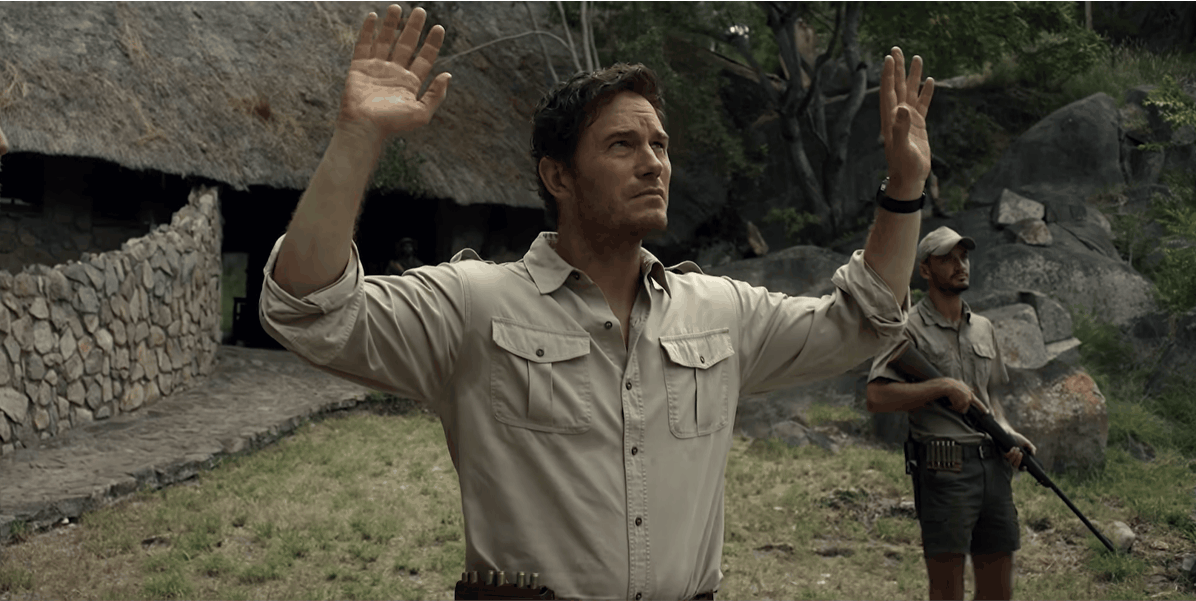
Created by David DiGilio, Prime Video’s ‘The Terminal List’ Season 2 begins with James Reece in the ocean, marking six months of him being on the run. Eventually, the narrative steers him towards Africa, where he soon makes contact with Rich Hastings, Laife’s uncle, and the owner of a sprawling reserve. The Hastings Hunting Reserve, as it is called, is full of lush greenery and scary animals, but that doesn’t deter Reece from joining the field rangers on the lookout for poachers. Over the course of only a couple of episodes, we come to truly experience the reserve, not just through its environments, but also the animals that call it home. This also serves as a rather personal and spiritual experience for Reece, allowing him to decide what his future should look like.
Hastings Hunting is Made in the Image of a Real-Life Mozambique Reserve
The Hastings Hunting Reserve, introduced in the second season of ‘The Terminal List,’ is a fictional location, with a possible real-life counterpart in the Niassa National Reserve, in Mozambique. Niassa Reserve serves as a major setting in the Jack Carr novel that this season adapts, ‘True Believer,’ and Hastings Hunting carries a similar role in the Prime Video series. It is likely that this fictional reserve was chosen by creators to maintain greater narrative flexibility. Established in 1960, Niassa Reserve is the largest protected area in Mozambique, featuring miombo woodlands, mountain forests, open savannas, and wildlife including elephants, lions, leopards, and buffalo. In the show, we see an inspired version of such wilderness and wildlife, which contrasts with Reece’s time in the ocean throughout the first episode.
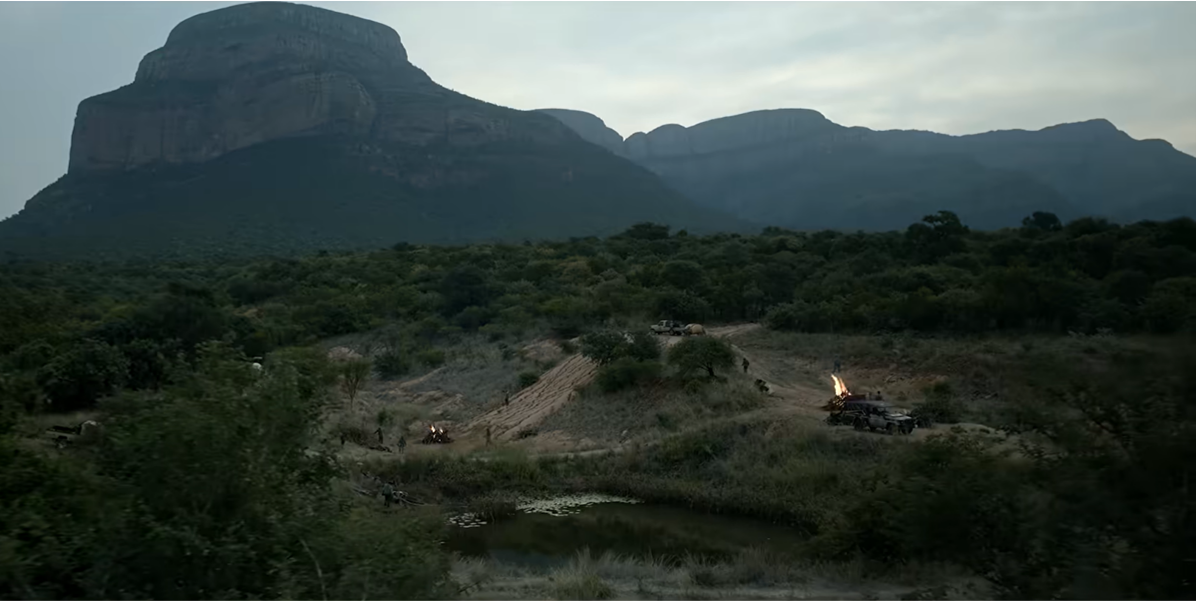
While Hastings Hunting may be modeled after Niassa Reserve, in real life it wasn’t filmed there, or even in Mozambique. Instead, the crew primarily set up camp in South Africa, with reports identifying the bushveld around Hoedspruit in Limpopo and Cape Town as major filming locations. While the bulk of the sequences look like they were filmed practically, it is very likely that CGI was used to enhance the scenes, especially in the animal sequences. Author Jack Carr was equally impressed with the finished footage, describing it as “probably one of the most beautiful visions of Africa that I’ve ever seen on film.” Meanwhile, Chriss Pratt told USA Today that he battled E. coli and tick-bite fever contracted in Africa while filming. However, this didn’t deter him from giving his best on-site, and the result is a set of perfect scenes of the wild.
The reason the story takes a detour to Africa has actually been touched upon by Jack Carr. Speaking on ‘The Joe Rogan Experience,’ he said, “I thought it was going to be disingenuous to the reader” to have Reece endure the trauma of losing his family and teammates in ‘The Terminal List’ and then immediately recover. As such, the Hastings Hunting Reserve saga provides breathing room for Reece as a character, allowing him to evolve without external pressures influencing his arc. At the same time, it properly introduces the Hastings family into the narrative, as prior to this we had only known them through Raife, Reece’s former teammate. The Hastings are a significant force in the later novels of the series, which means that fans might spot the reserve in future seasons of the story as well.
Read More: The Terminal List Season 2 Ending Explained: Is Reece’s Tumor Gone?


You must be logged in to post a comment.