
 Abhiroop Das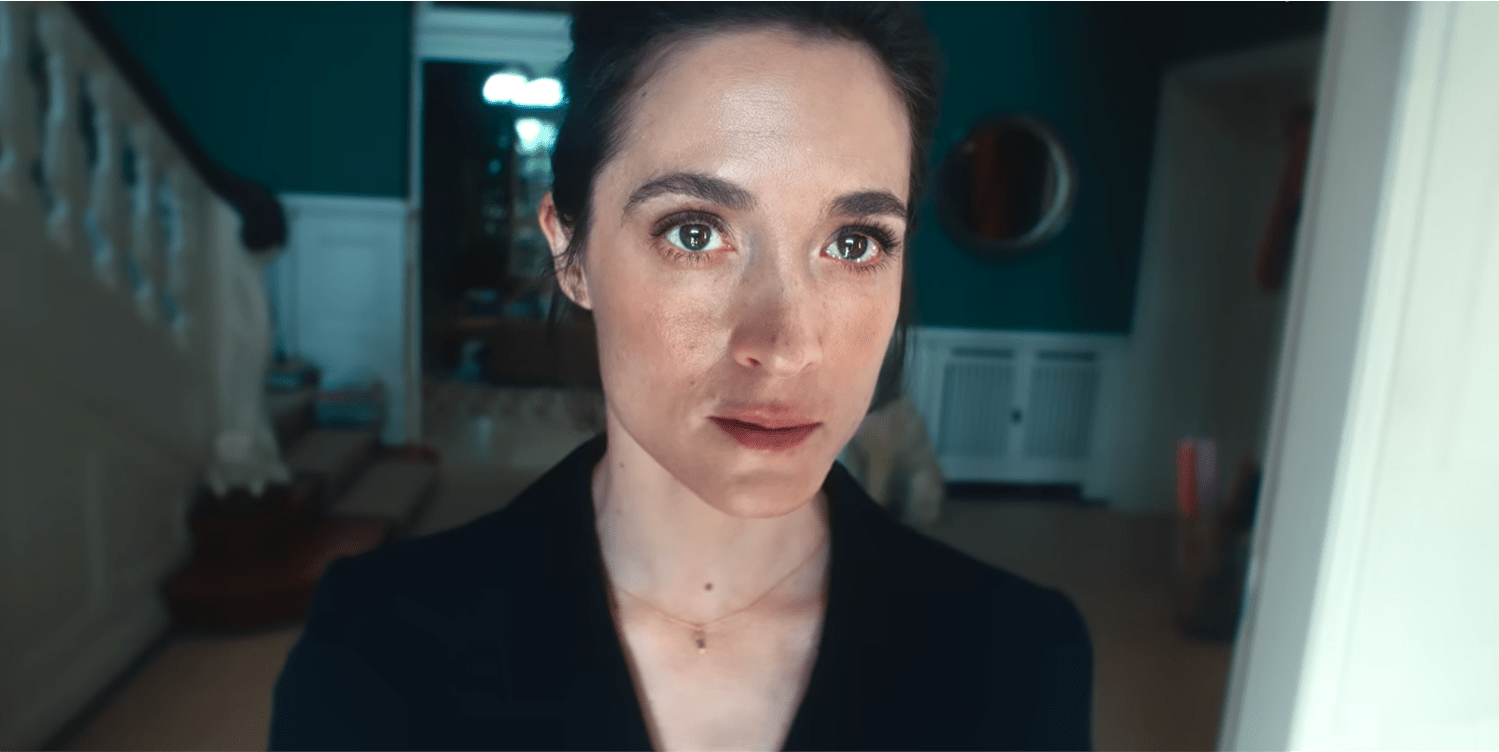
Created by Isabel Kleefeld, Tom Spiess, and Friederich Oetker, Netflix’s ‘The Trap,’ or ‘Die Falle,’ is a psychological mystery show that follows the life of Lisa Konrad, an infamously reclusive author with a dark past. Traumatized by the death of her sister, Anna, Lisa has not stepped out of her house for a decade and has largely kept to herself, but that changes the night she spots her sister’s killer on TV. With her drive to hunt down the man reignited, Lisa prepares an elaborate scheme to confront him head-on, not realizing that he has a few cards up his sleeve as well. The series, an adaptation of the eponymous novel by Melanie Raabe, thus evolves into a game of chess, one where anticipating the winner becomes impossible. SPOILERS AHEAD.
The Trap Plot Recap
‘The Trap’ begins with the protagonist, Lisa Konrad, hazily recalling how her life went downhill over the last ten years, or more specifically, following the death of her sister, Anna. Before she was a celebrated, reclusive novelist, Lisa Konrad was actually Lisa Sophie Wilking, a creative aspirant who walked into her sister’s house one night to find her stabbed and lying in a pool of blood. For a brief moment, Lisa also caught sight of the killer, but by the time the police arrived, it was already too late. The incident broke something inside her for good, and since then Lisa has led a grim life, having taken on a new identity and a new house, one she hasn’t left in 10 years. All of this changes, however, when she finds the killer’s face on TV one night, identifying him as Robert Lenzen, a journalist.
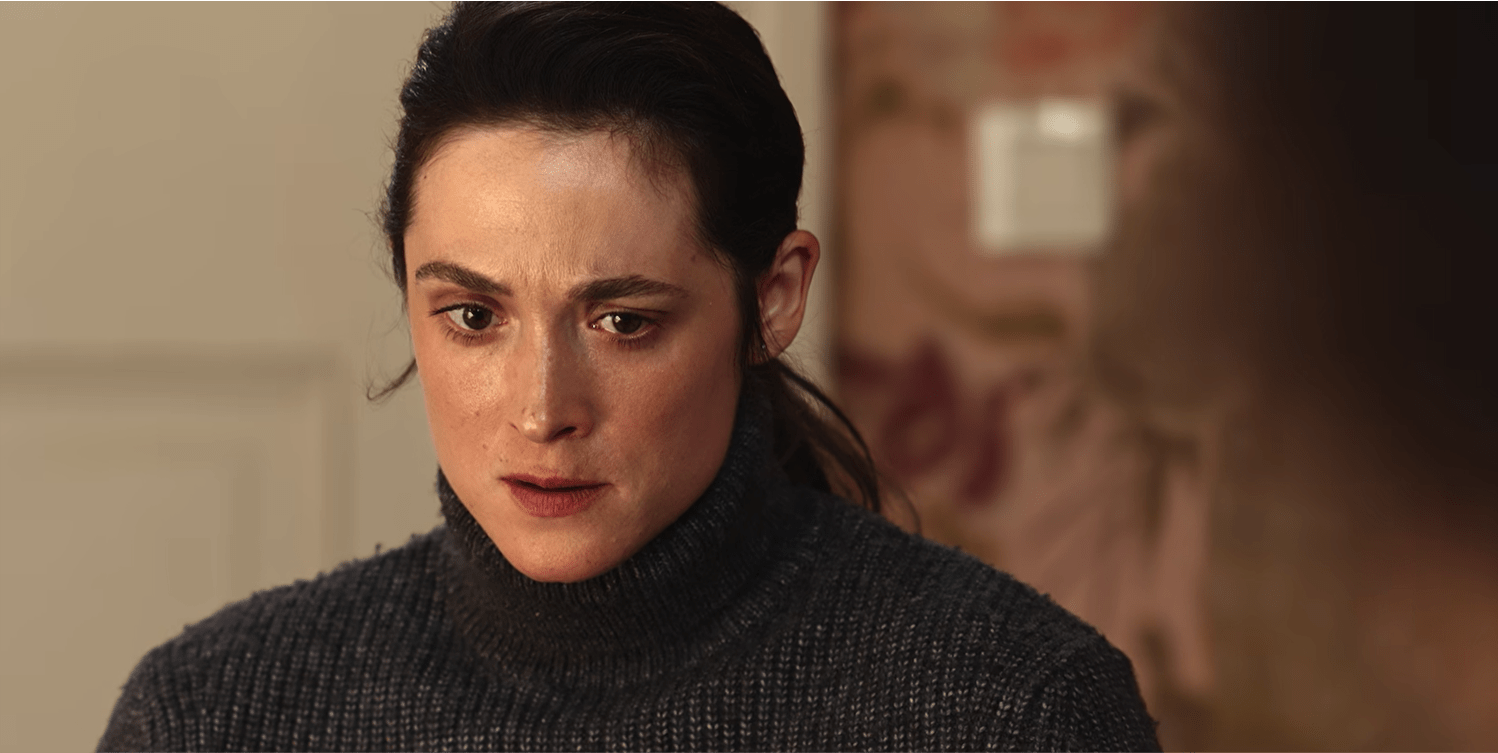
Though Robert appears to have a completely normal life on the surface, Lisa remains convinced that he is the man she saw that fateful night and thus begins concocting a revenge plan. The first step is to write a novel that specifically and elaborately references Anna’s death, after which she makes a call for her first-ever public interview with a journalist of her choosing. This journalist, of course, turns out to be Robert, and it doesn’t take him long to do some digging on her either. After he locates her house and begins tracking everyone who goes in and out, a game of cat and mouse slowly begins to unfold, with both sides seemingly pretending to not know what is really going on in their exchange.
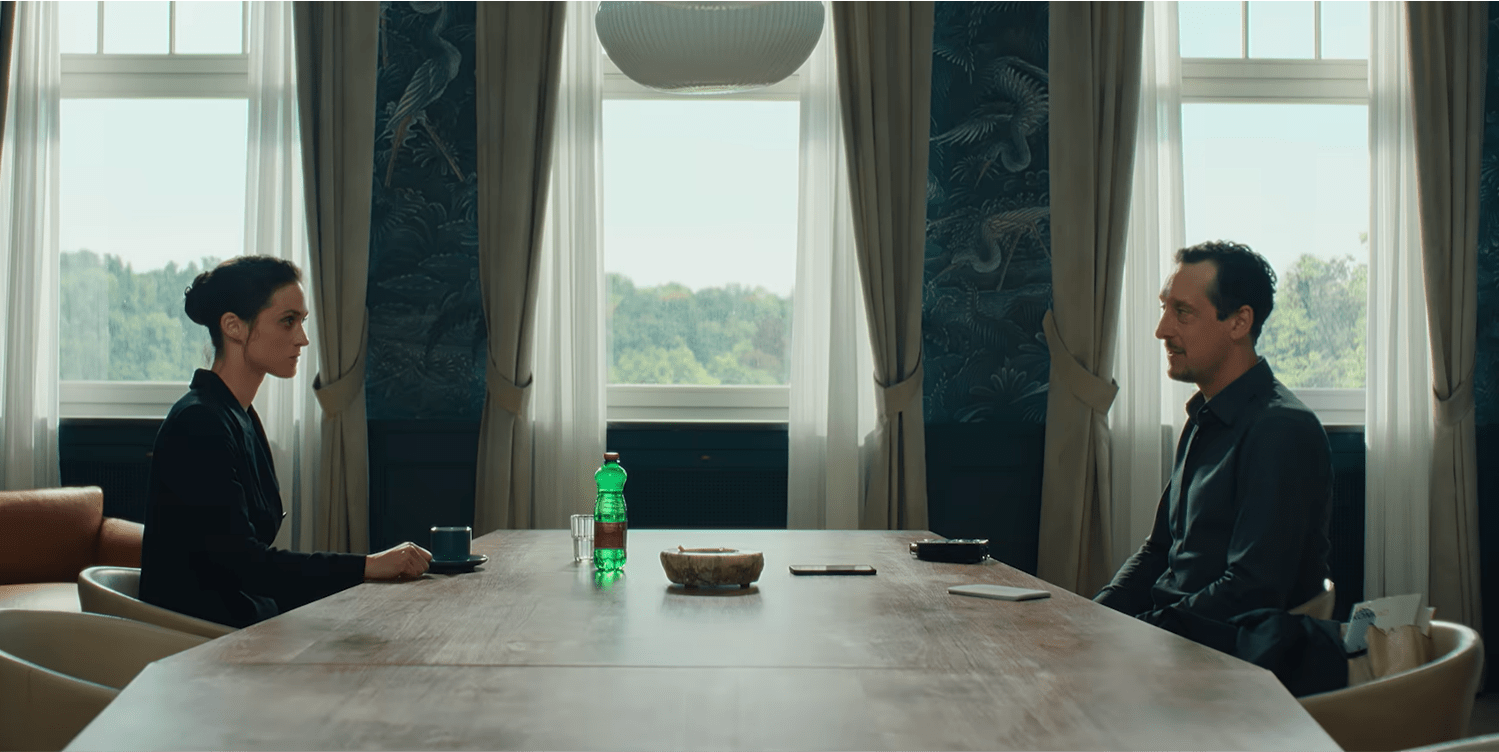
In the days leading up to the interview, Lisa learns that her publisher, Rudow, actually knew Anna before her death, and has been conspiring with a therapist to keep tabs on Lisa’s mental health. As it turns out, he believes that Lisa is the actual killer, who walked free due to the lack of evidence, and has suppressed her memories since. He’s not the only person to think this either, as this belief is shared by Lisa’s parents, and even the cops who were on the case a decade ago. As the day of the interview approaches, Lisa finds herself completely destabilized, resorting to pointing a gun at Robert as he completely denies knowing Anna.
To prove his innocence, Robert shows a timestamp placing him in Afghanistan on the day of the murder, which appears to be the last straw before Lisa completely collapses in a pool of self-doubt. Days after Robert leaves the scene, though, Lisa discovers that Robert faked the video and had been manipulating her along, and it doesn’t take her long to confront him once again, this time for good.
The Trap Ending: Did Lisa Kill Anna? Who is the Killer?
‘The Trap’ ends with the chilling revelation that the person who killed Anna might really have been Lisa all along. While Robert was indeed the one to stab Anna and escape that night, he claims to have only plunged the knife six times. Anna, however, was stabbed a total of eight times, which opens the possibility that the last two fatal strikes were delivered by none other than Lisa. Throughout the series, we are led to dismiss this idea as Lisa being gaslit by others, but by the end, the dynamic seems to flip completely. As Robert dies reiterating that he is not the one who killed Anna, Lisa is forced to confront her own muddled past, and the answer she ultimately comes up with involves a complete, telling suppression of that possibility, in what can only be described as a dark end to the overarching mystery.

At first glance, it doesn’t make sense for Lisa to kill her own sibling, as, even in their lowest moments together, things never seem that dire. However, what likely drove Lisa to this point isn’t just the moments alone, but how her mind chose to react to them. The fact that she essentially wipes out all of her negative memories with Anna, reducing her to a caricature of an ideal sister, is telling of how Lisa suppresses her emotions. This detail is also baked into the show’s structure, given that we only ever see Anna break character and reveal her true thoughts about Lisa, and never the other way around. It is the complete obfuscation of whatever pent-up aggression Lisa had towards her sister that explains how she could commit murder without ever even realizing it.
The reveal that Lisa is the real killer completely recontextualizes her decade-long drive to hunt down the man she saw, as well as her eventual turn into a recluse. The former can be interpreted as Lisa implicitly identifying with Robert on some level and using him as a vessel for all of her self-hatred. The latter, on the other hand, seems to be a desperate attempt to bury the past and start anew, which makes her profession as a storyteller especially fitting. Her greatest creation is neither ‘My Sister’ nor any of her other titles, but ultimately, the story she told herself ten years ago. In the final moments of the show, she decides to reinforce her belief in this story, smiling to herself as a part of her realizes that the truth will never come out.
Why Does Robert Kill Himself?
Though Robert seems to be on the verge of cleaning the slate by killing Lisa, the arrival of Rudow changes everything. As he calls the police, Robert knows he will have no choice but to turn himself in, and while there may be no direct evidence linking him to the crime, Lisa’s testimony alone might make it impossible for him to get out of this. There is another reason behind his decision to kill himself, though, and it’s the sense of guilt that has been following him for the past decade, returning in full force after he makes contact with Lisa. Knowing that he not only killed Anna, but also ruined Lisa’s life forever, Robert can only think of one way to escape his guilty conscience, and that leads him to pull the trigger on himself.
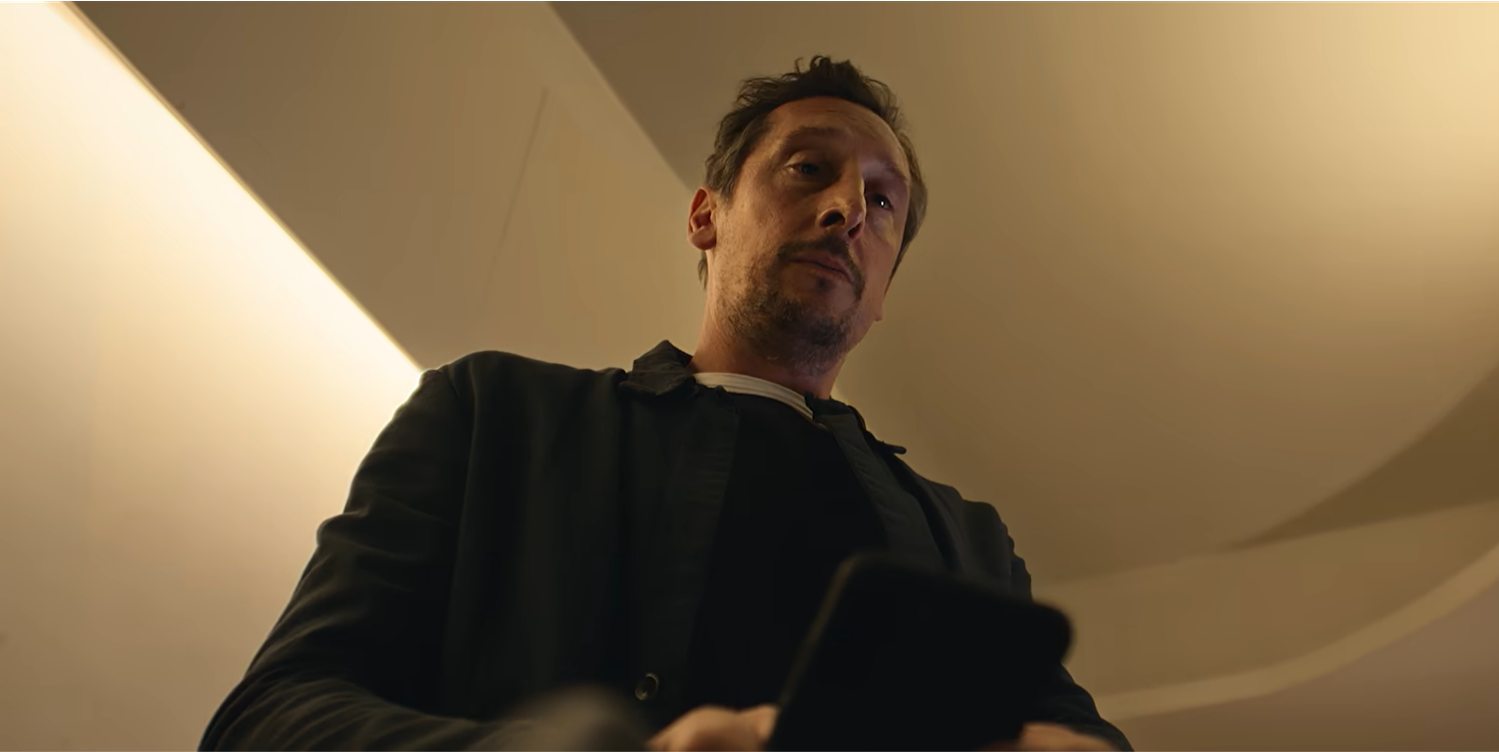
Though Robert technically may not be solely responsible for the murder, he nonetheless emerges as the most malicious figure of the story, not just in what he does to Anna, but in how he later tries to escape culpability. The entire fiasco unfolds because of his refusal to leave his wife and be with Anna, and it is even implied that he lied about becoming a father again, so as to distance her. When that move failed, he acted purely on impulse, desperate to shut down any voice opposing his hunger for control, be it over relationships or narratives. It is not just the stabbing, however, but his desperate attempts at self-preservation following it that truly reveal him to be a monster.
Robert did not have any means of knowing about the two additional stabs by Lisa before she revealed it herself, which is to say that he likely believed himself to be the culprit this entire time. Despite that, he went on to spend the next ten years of his life pretending that nothing had happened, only to return when his position of control was once again threatened by Lisa through her novel. Even then, without knowing the full details of the crime, he still spends the better part of the show trying to gaslight Lisa into thinking that she never saw him. In doing so, he goes as far as to spike her drinks and torment her psychologically. It is no wonder, then, that when justice feels imminent, he decides to take the quicker way out, rejecting accountability all the way to the end.
Does Lisa Publish the Novel? What Happens to Rudow?
With the mystery of Anna’s murder effectively solved, Lisa’s primary purpose of penning the novel seems to have been fulfilled, but that is only one half of the story. Given that she rejects the very idea that she might have killed her sister, some part of Lisa’s consciousness can still justify publishing the book with its ending as is, inviting the killer to read it in full and participate in mind games with her. In essence, the viewer of the show is put into the shoes of the killer with this meta exercise, letting Lisa antagonize the world yet again in her hopeless attempt to deny her role in Anna’s death. Each time the book is picked up and read by someone, the story Anna created for herself, in which her sister is perfect and the killer is someone else, is shared and grows more believable, justifying its own creation in the process.
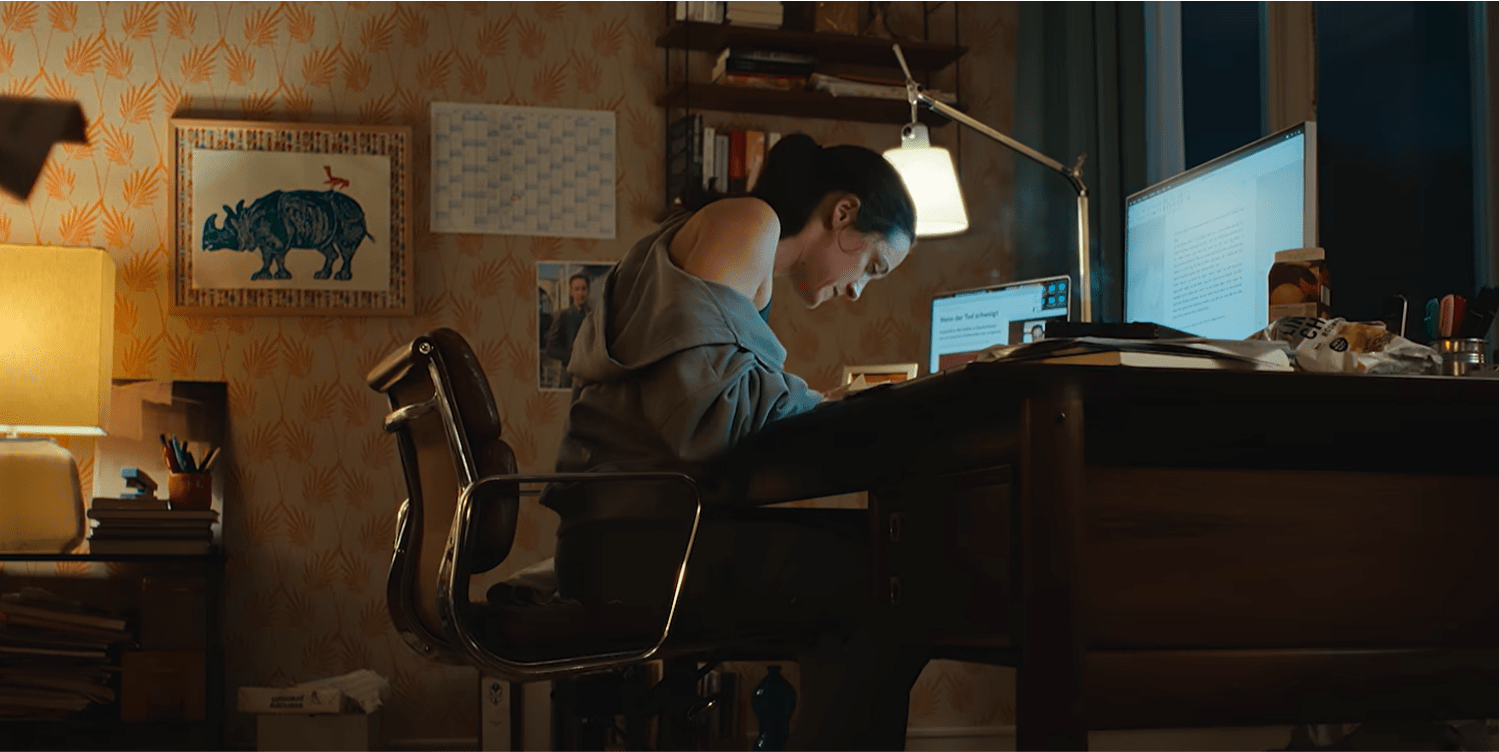
Beyond the truth about Lisa, Anna, and Robert, the show also leaves us with a curious take on someone who was essentially a bystander to the whole tragedy: Rudow. Though we are never told why he escaped the crime scene before the police could take a sample of his DNA, there seems to be a straightforward explanation, one that applies on a universal level. Despite not being involved in the murder, Rudow is ultimately afraid of confronting it and journeying alongside whatever the truth might entail. We also see this in how he avoids finding out what Lisa may have done to her sister. While he ironically does turn out to be correct in his belief, the reality of events is completely different from what he imagined. Nonetheless, as a bystander, all he can do is buy into the story that Lisa has written for him and, ultimately, publish it for the whole world to see.
Read More: Is Animals a True Story? Is Mark Kimball Based on a Real Lawyer and Mayor?


You must be logged in to post a comment.