
 Abhiroop Das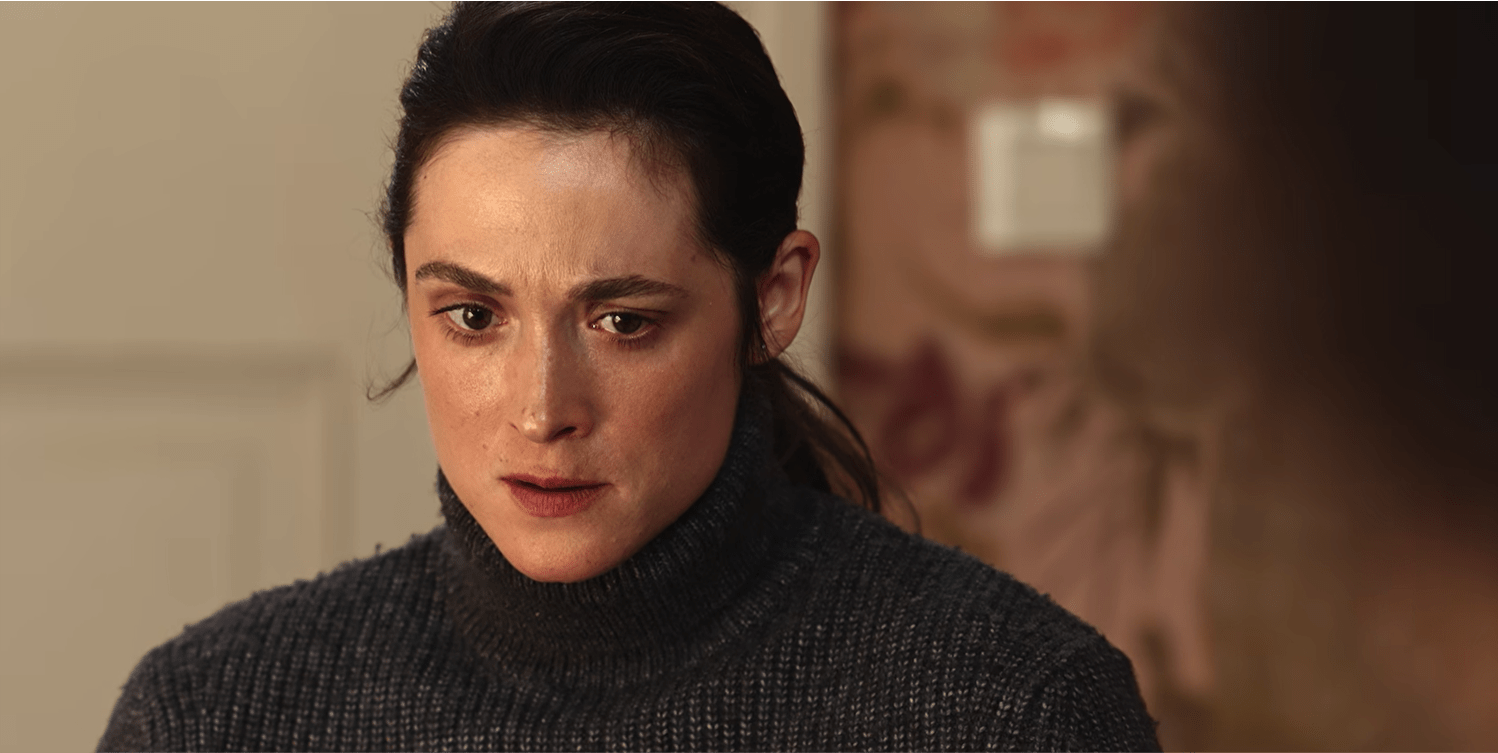
Created by Isabel Kleefeld, Netflix’s ‘The Trap,’ or ‘Die Falle’ in original German, introduces us to the intensely isolated, dimly lit life of author Lisa Konrad, who hasn’t stepped out of her house in ten years. Still traumatized by the killing of her sister, Lisa has no desire greater than that of catching the killer, and one day, she seemingly finds her opportunity. After spotting the killer’s face on TV, she begins an investigation of her own, essentially inviting him for a conversation, using her new novel as a pretext. What makes this scenario more complicated, though, is that this novel, ‘My Sister,’ is effectively her dramatized memoir, which means both sides know exactly what they have signed up for. Thus ensues a game of memory, perception, and deceit, in which both characters are left guessing about their opponent and the world at large.
The Trap is Based on a Fictional Mystery Novel by Melanie Raabe
‘The Trap’ is a fictional story adapted from the German novel ‘Die Falle,’ by author Melanie Raabe, who came up with the premise while having dinner with a friend. In an interview with her publisher, Hachette Book Group, Melanie recalled her friend mentioning a magazine article about a reclusive author who never leaves her house. That idea stuck with Melanie, and from there she began asking herself why a woman would choose to stay indoors. This does not mean that the plot is based on any real person’s account, though, as it’s ultimately the author’s imagination that supplies the murder mystery at the heart of the novel. The Netflix adaptation, penned by Isabel Kleefeld, largely remains faithful to the original text, while altering a few character names along the way.

Beyond that anecdote, Melanie has not publicly identified any specific detail from real life that serves as the basis for the story. Instead, both the novel and the show seem to derive their sense of realism from a shared thematic palette. Memory and how it can be manipulated are among the central focuses of the story, and Kleefeld integrates it into the very structure of the show. Talking to SLEEK Magazine, she explained that she wanted viewers to keep asking what is substantiated and what is merely asserted by a character. She also connected that to a contemporary analysis of society, noting, “At some point people begin to perceive (…) suggestive claims as a kind of felt truth. And that’s something that is happening in politics right now.” It is in capturing this fine line through fiction that ‘The Trap’ derives most of its creative strengths.
Lisa Konrad is a Fresh Take on the Archetype of a Reclusive Novelist
Lisa Konrad, the protagonist of the series, is ultimately an invented construct, as it reimagines the character Linda Conrads from Melanie Raabe’s novel. Aside from the change in naming, both characters seem to share a common root: the unnamed, reclusive author who influenced Melanie’s writing process. However, the novelist also clarified that Linda’s story is in no way biographical in nature, and instead uses the anecdote as a loose starting point. While there may not be any particular author behind Linda, history has its fair share of women authors who retreated from public and social life at some point in their literary careers.
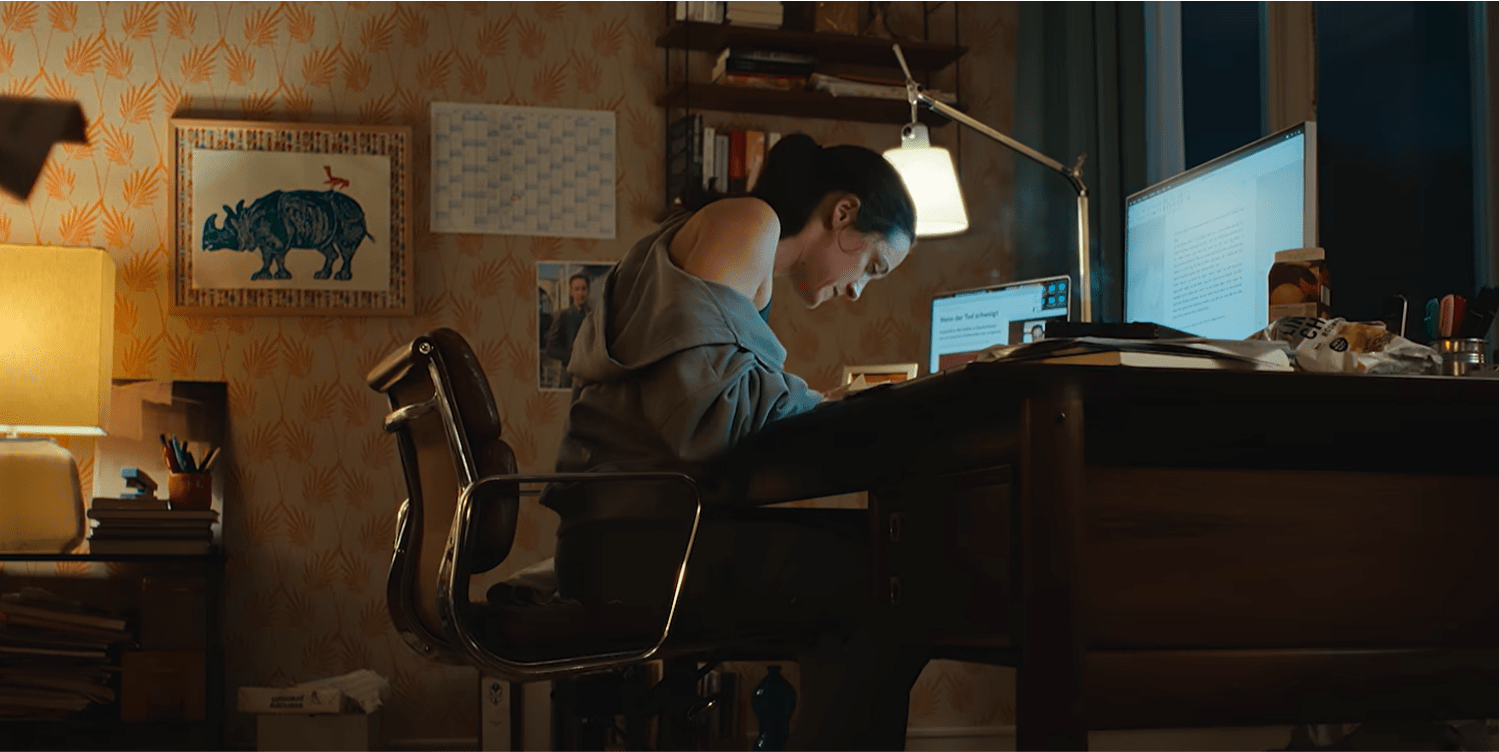
Perhaps the most famous account is that of the legendary poet Emily Dickinson, who is noted for having spent the latter part of her life self-isolating in her family home in Amherst, Massachusetts, eventually scarcely leaving her home and restricting face-to-face meetings with visitors. However, that didn’t mean she was cut off from reality either, as records indicate she maintained correspondence by letter with friends and acquaintances in the literary circle. Aside from Dickinson, authors such as Shirley Jackson and Patricia Highsmith are also known to have led largely secluded lives. While they may not necessarily be the basis for Lisa, or Linda in the novel, these parallels add to the character’s believability factor.
Another detail that sets Linda apart as a narrative presence is how she is simultaneously an author figure, as well as an unreliable narrator. In an interview with The Big Thrill, Melanie explained that Linda’s strengths stem from her complete sincerity in her actions and that she doesn’t even realize she is an unreliable narrator. This, in turn, gives the story an added layer of fictionality, playing with the very idea of what it means to be a writer and storyteller. Kleefeld, on the other hand, described adapting the character as an act of interpretation not only by the writing team but also by actor Friederike Becht, which further serves to highlight Lisa’s fictional nature.
My Sister is an Invented Novel With a Touch of Metafiction
‘My Sister,’ Lisa Konrad’s in-universe magnum opus, serves as the series’ counterpart to ‘Blood Sisters,’ which is a fictional construct created by author Melanie Raabe specifically for the world of ‘The Trap.’ Apart from being a novel within a novel, what makes the book interesting is how it seems to be about the same premise as its frame narrative. This creates a meta-storytelling effect, not only directing the course of Lisa’s life but also blurring the broader line between what’s real and fictional. Given that ‘Blood Sisters’ is a fictionalized retelling of Linda’s own past, it has no real-world antecedents. On the other hand, the process of its creation was intensely realistic, as Melanie genuinely conceived of it as a novel that a character might write, instead of just being a narrative device.
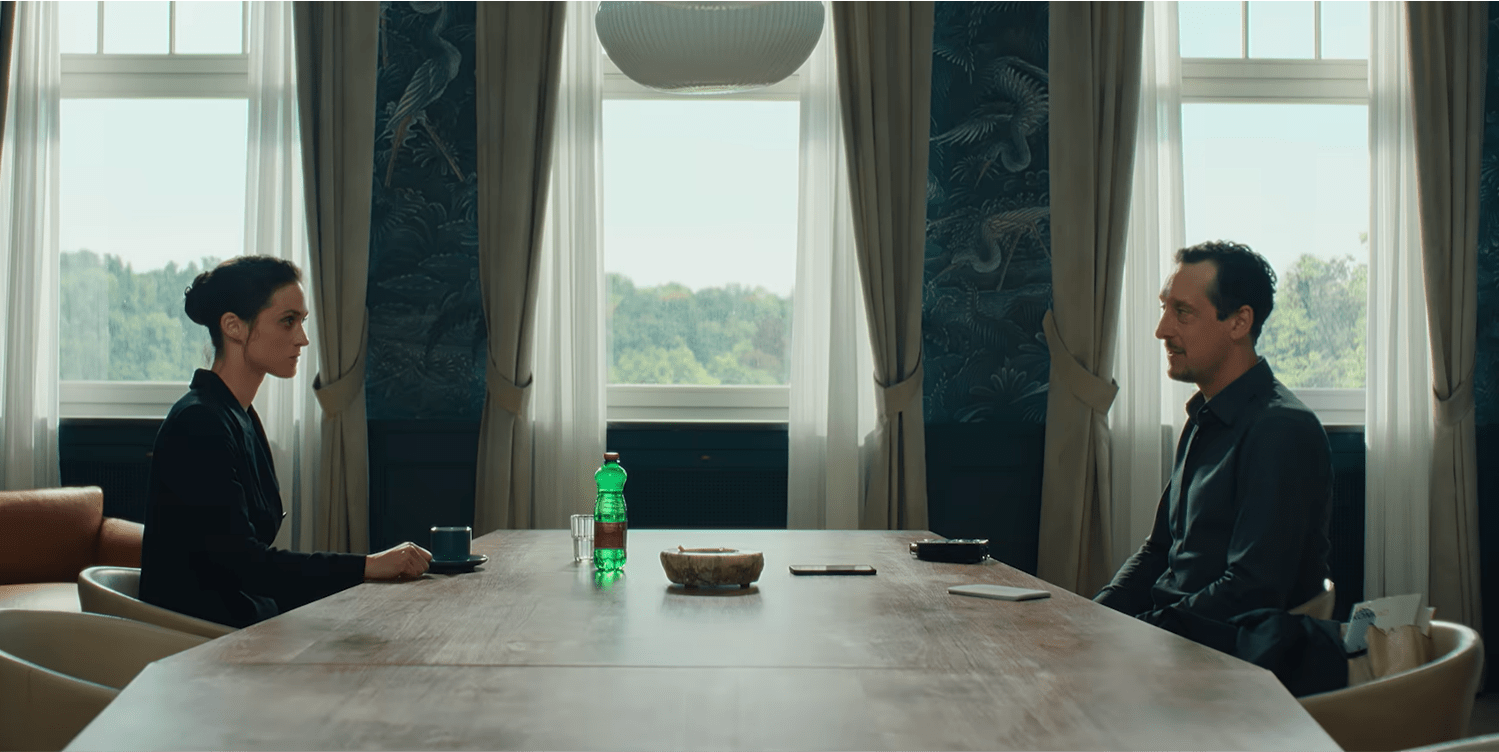
Talking to The Big Thrill, Melanie explained that she wrote the frame narrative first, then considered how Linda would write about a difficult, traumatic past. The author imagined the passages coming in bursts, with shorter, more potent phrases, and this has both creative and practical reasons. In a story told from the first-person perspective, and also involving an in-universe novel with the same mode of storytelling, it can be easy for the two narrative voices to blend into each other and become indistinguishable. However, by truly getting into the character’s mind space before penning ‘Blood Sisters,’ Melanie created a work with its own flair. While the show doesn’t have to deal with the same stylistic challenge, it does its part in making ‘My Sister’ believable by showing us drafts and cover pages that help sell the illusion of a real novel.
Read More: Does Bukowski the Dog Live or Die in The Trap? Who Attacked Him?


You must be logged in to post a comment.