
 Aahana Swrup
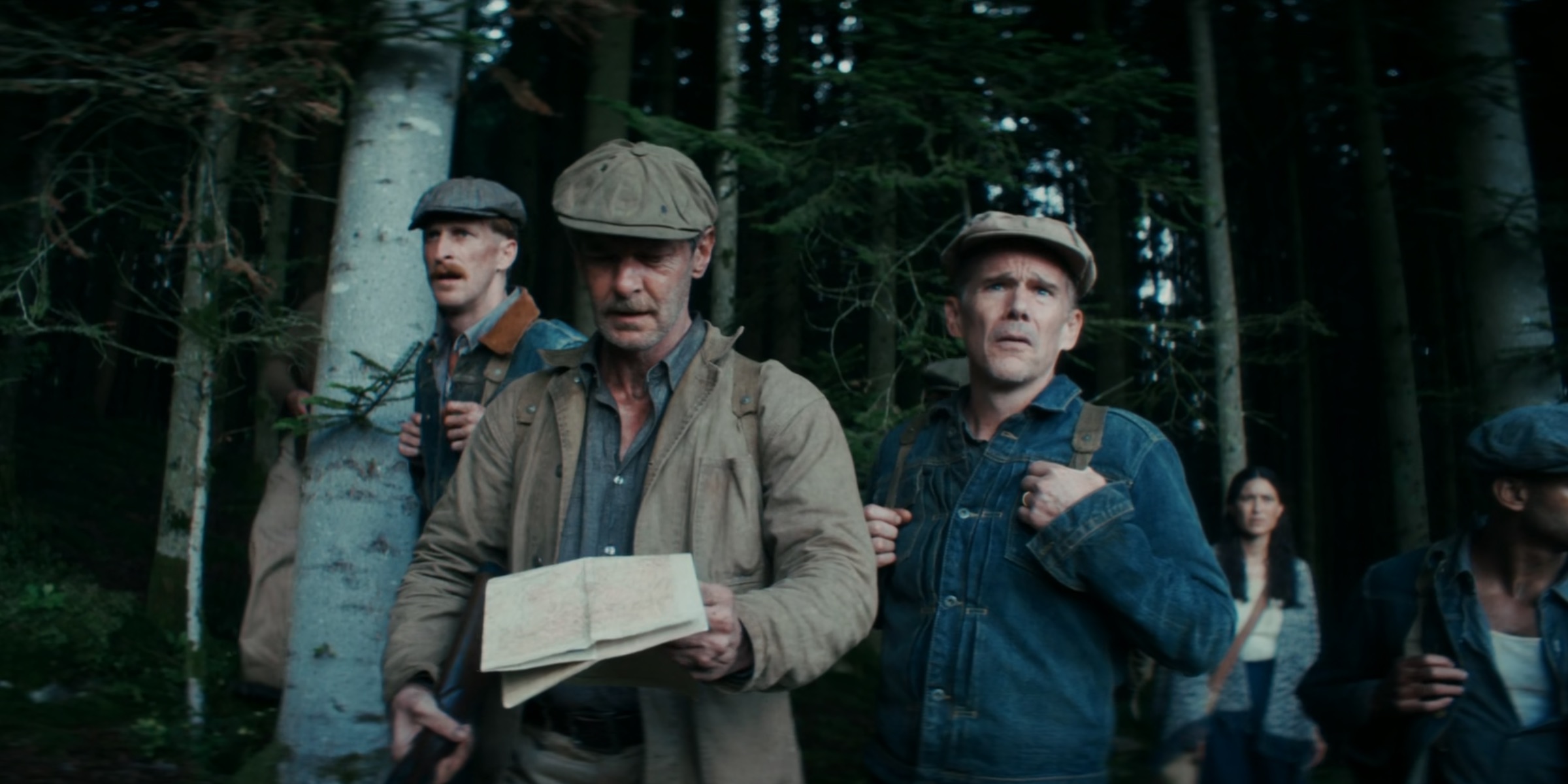
The Padraic McKinley directorial film ‘The Weight’ presents an adventure-drama story set against the backdrop of the Great Depression. The protagonist of the tale, Sam Murphy, is a WWI veteran-turned-convict serving a hard time for a petty crime. In the months that he will remain incarcerated, it’s likely that his young daughter, Penny, who is on the road to becoming a ward of the state, will be put up for adoption. For the same reason, when Warden Clancy offers him a chance to expedite his freedom, the single father is all too eager to take it.
The job involves recruiting a team to transport bricks of pure gold from a mine across the wilderness in the hopes of saving it from the hands of greedy workers at a time of deep social unrest. The trek across the mountains, spanning rivers, shaky bridges, and the danger of outside threats, promises to be a formidable challenge even without the priceless cargo. Yet, it’s the only thing that stands in the way of freedom for Murphy and his posse of ex-convicts. The historical setting of the film, paired with the character-driven storyline, keeps the narrative grounded in realism.
The Weight is a Fictional Tale That Achieves Realism Through Atmospheric Storytelling
Despite its historical backdrop, ‘The Weight’ remains a fictionalized story that draws no tangible inspiration from real life. The project started out as an original screenplay by screenwriters Matthew Booi, Leo Scherman, and Matthew Chapman. Once it reached Padraic McKinley, he fell in love with the story, but maintained that the screenplay needed further work. From there, lead actor Ethan Hawke suggested the expertise of Shelby Gaines for some rewrites. Thus, following a rework by these three creatives, the film finally reached its final form. Notably, throughout the development process, the story remained uninfluenced by the stories of any real-life people or historic heists. Instead, director McKinley was interested in farming a sense of realism through other methods.
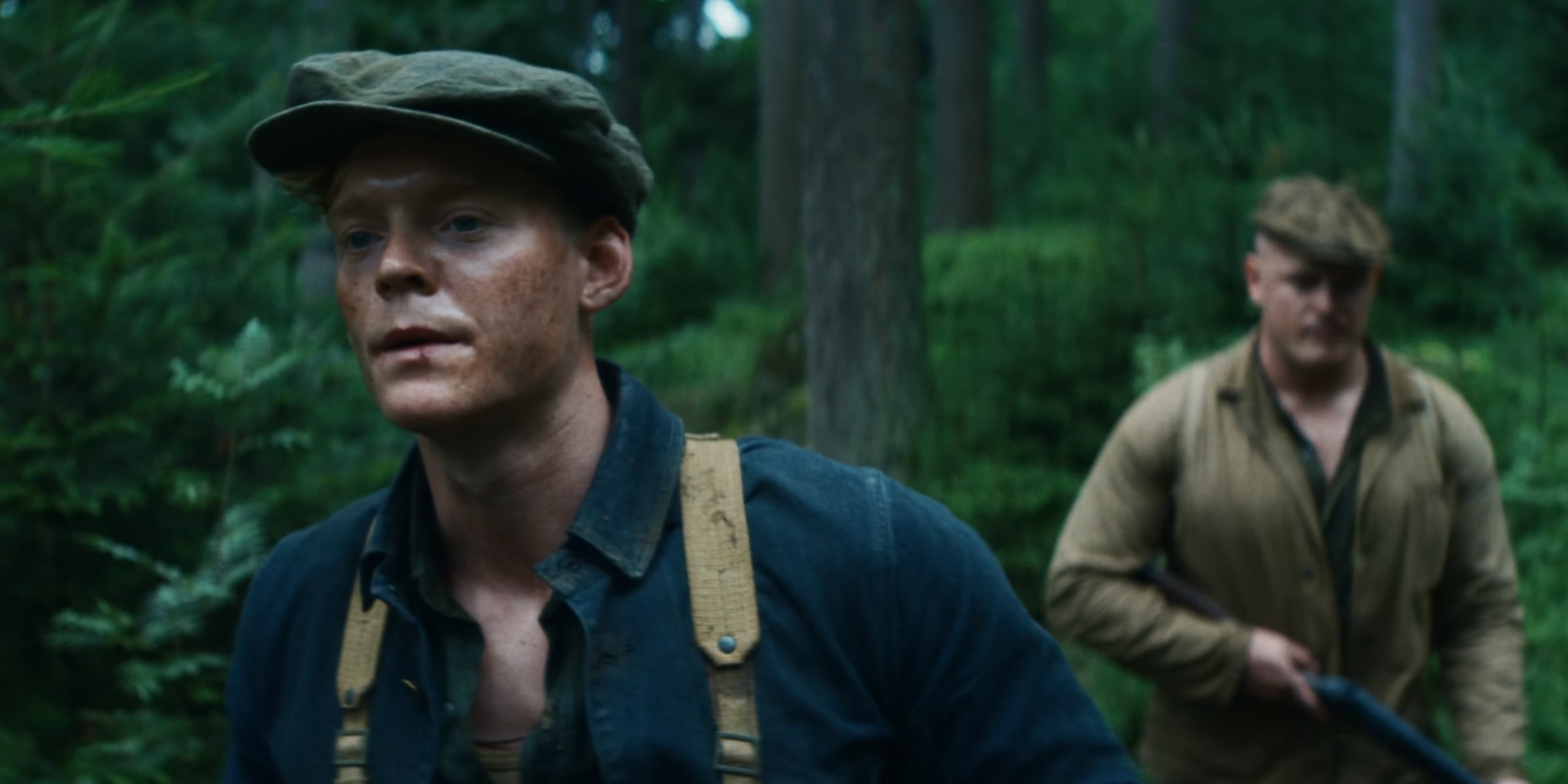
A bulk of the story takes place in the wilderness as Murphy and his team are tasked with transporting sacks of gold bars across tricky terrain. In order to ensure that this challenging journey comes across as authentic as possible on the screen, McKinley chose to film the project on location in the mountains of Bavaria. As a result, the material reality of the great outdoors significantly informs the visual identity of the film. Hawke discussed the merits of this decision in a conversation with UPI, in which he said, “It informs every frame of the film. Our relationship to the sun and the wind and the rain and the river and the clouds and the mist, it brought us together the same way it brings the characters together. It’s incredibly real. It makes the performances real. I loved it.”
Thus, the process of choosing site-scouting for the project played a pivotal role in shaping the realism of the story unfolding on-screen. In order to match the framework of the story, McKinley wanted to ensure that the paths they selected had the visuals of untrodden land. By matching the reality of the filming location, the filmmaker was able to coax out even a deeply resonant and authentic performance from his cast. Other attention to detail, such as added sound effects for the gold bars in each character’s backpack, as well as the strategic utilization of weighted props, further heightens the overall aesthetic and environment of the story.
The Weight Remains Grounded in the Historical Setting of the Great Depression
Even though ‘The Weight’ doesn’t sport any direct links to reality, it sustains a sense of realism in its plotlines and characterization by grounding them in the historical setting of the story. The heist at the center of the film is a direct result of Executive Order 6102, signed during the Great Depression in 1933. The order, controversial at the time of implementation, forbade the hoarding of gold in various forms. In the film, this is what creates a dangerous tension around gold mines, necessitating shady ways of safekeeping. Thus, even though Murphy’s adventure itself isn’t based on any real-life incidents, it remains influenced by its historical context.
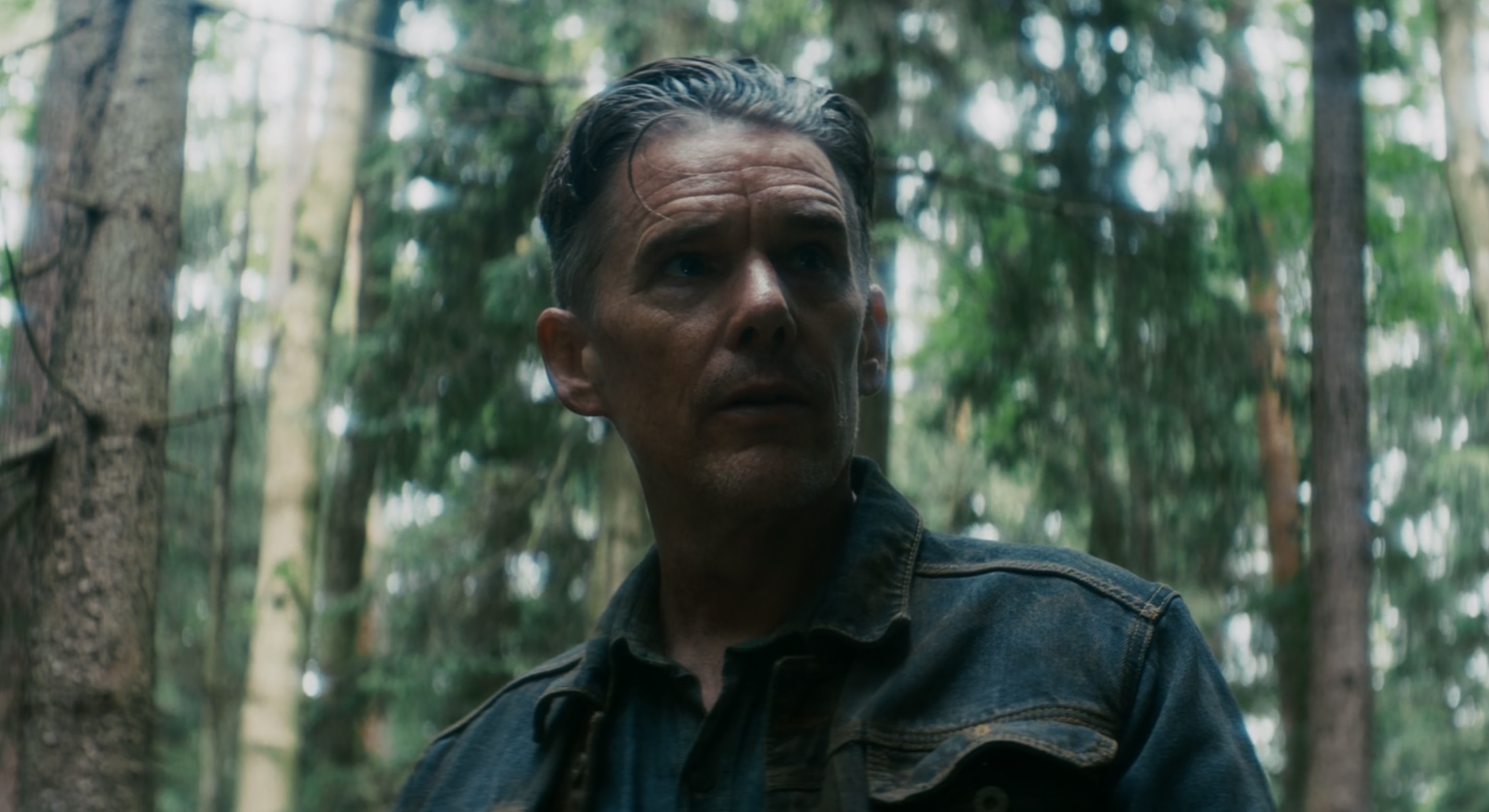
Likewise, the overall themes explored within the story maintain indirect links to the socio-political landscape of the time. Padraic McKinley spoke about the same in an interview with In Review Online. He shared, “A lot of themes we deal with in the film — the corrupting nature of power, the haves and the have-nots, the prison system where, in order to just get people off the streets, they were put away for a really long time even for committing small crimes — were inherent to the Great Depression, but things have not changed drastically since. We’re in a downturn in America right now. Thematically, it’s a little too close to home.” Consequently, the fictional film achieves a heightened sense of realism through its thematic and visual identity.
Read More: The Weight Ending Explained: Does Murphy Reunite With His Daughter?


You must be logged in to post a comment.