
 Aahana Swrup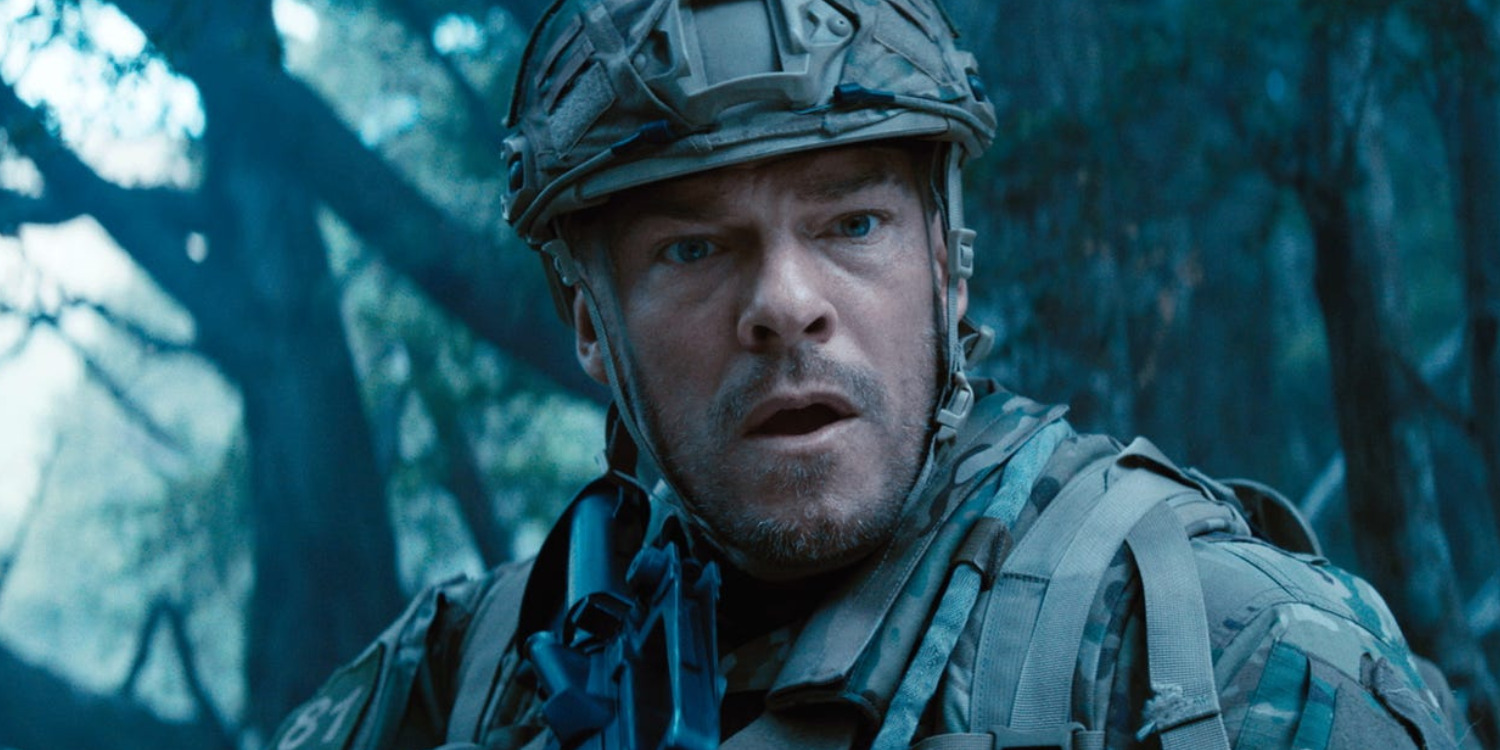
‘War Machine’ is an action-thriller movie that revolves around a motley group of soldiers’ fight against an unimaginable enemy. The film’s protagonist, known only as soldier 81, has undergone great trauma and emerged on the other side with one sole goal in life: to join the military’s Ranger Assessment Selection Program, better known as RASP. As he nears the age cut-off, he enters his last chance to apply for the eight-week program, working towards crossing the finishing line of the final simulation test, The Death March.
However, when the day of the simulation arrives, something unexpected happens. 81 and his crew run into a technologically advanced killing machine that makes a target out of them all. As a result, if the aspiring RASP Rangers want to survive, they must work together under 81’s leadership. The film shines a particular focus on the central military program, employing it as a tether to ground the sci-fi narrative in a sense of reality.
The Ranger Assessment Selection Program is a Real-Life Military Course
A significant aspect of ‘War Machine’ is a work of fiction, on account of its science fiction storytelling. Even so, the film manages to retain some roots in reality through the more grounded parts of the narrative. The Ranger Assessment Selection Program, or RASP, is one such storytelling element that is based in reality. The military program is actually directly inspired by the real-life eponymous selection program. The off-screen RASP, located in Fort Benning, Georgia, involves an 8-week course where soldiers are tested and pushed to their limits to be recruited into the U.S. Army’s 75th Ranger Regiment, which specializes in enemy territory combat missions.
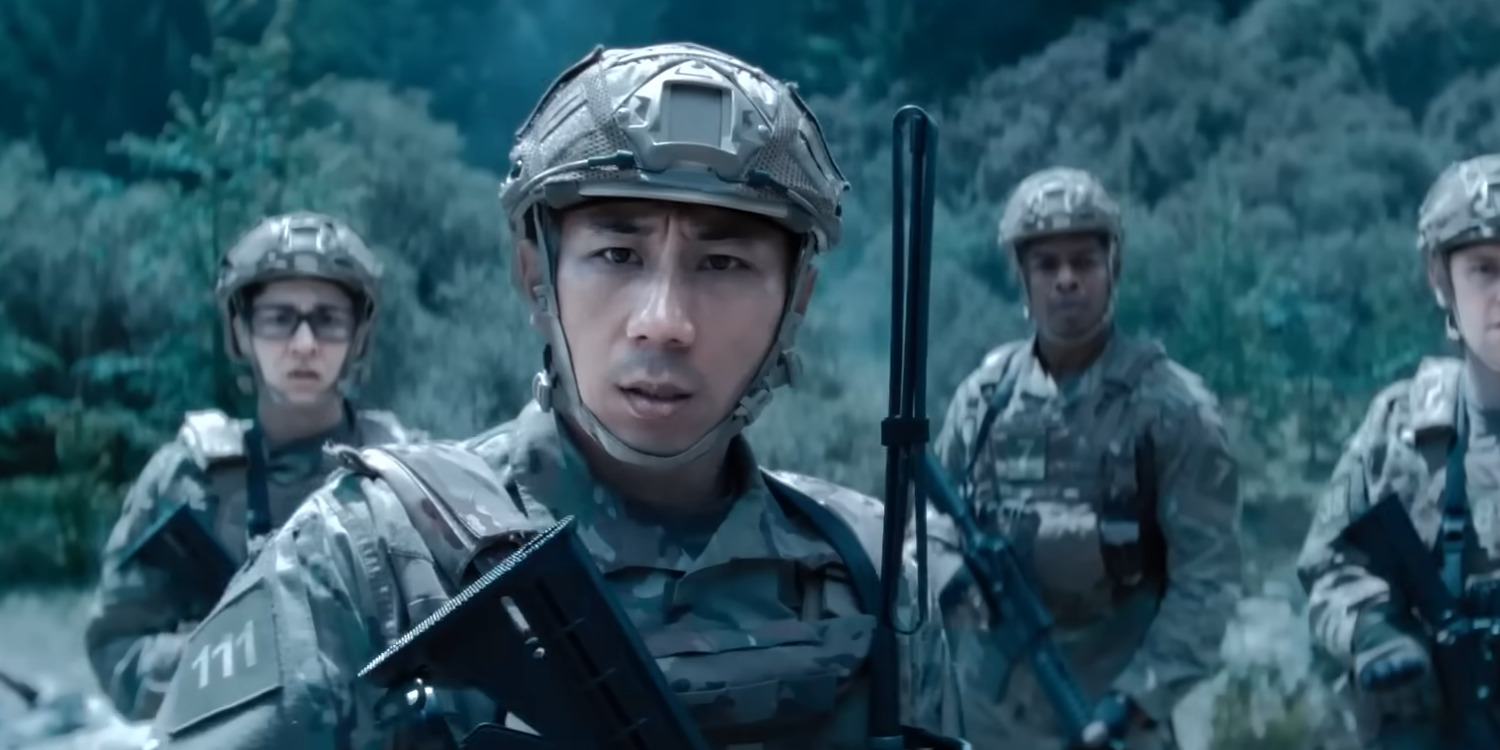
In the program, the soldiers are tested on the basis of their mental and physical fitness as well as their moral character and endurance. The training curriculum is reportedly highly demanding and includes different phases during which trainees are screened to ensure only the cream of the crop progresses to future levels. Some of the challenges in these phases include ruck marches, land navigation, marksmanship, explosives, first responder tests, and more. Thus, for the most part, the on-screen portrayal of the RASP military training remains fairly on par with the real thing. The film consistently tries to replicate the culture and the challenges of the real selection program, showcasing the difficulty of the course as well as its respected and admired nature.
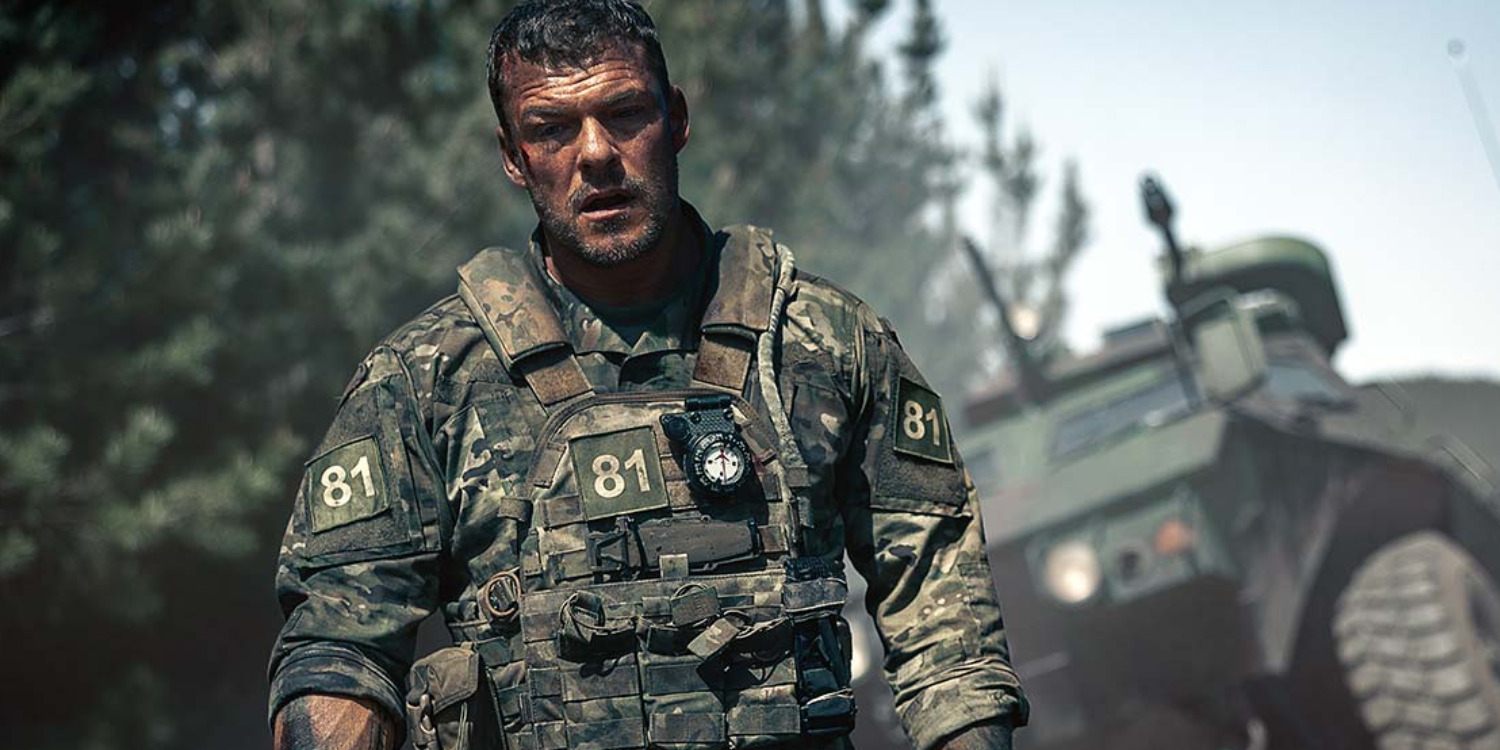
Furthermore, in order to ground the characters of the military members, such as 81 and his team, co-writer/director Patrick Hughes ensured that most of the cast performed their stunts. Reportedly, the lead actor, Alan Ritchson, dodged flying bricks, dragged bodies on gurneys, dove deep into New Zealand’s grade five rapids, and performed more stunt scenes during the filming for the project. This decision to apply practical efforts to the more physically demanding aspects of the soldiers’ storyline was an intentional decision, which informs the realism of 81 and his team’s dangerous endeavors on the screen. This, paired with the realistic depiction of the RASP program, allows the film to maintain realistic ties to its military storyline. Even so, it’s important to remember that the central narrative in ‘War Machine’ remains fictionalized. As a result, despite the realism of RASP’s on-screen depiction, parts of the storyline, even the ones revolving around the military, retain a fictitious connection.
Read More: Hotel Mumbai: Is Arjun Based on a Real Taj Mahal Palace Waiter?


You must be logged in to post a comment.