
 Aahana Swrup
Directed by Rebecca Zlotowski, ‘A Private Life’ is a French drama film that is part black comedy about a tragic loss and part whodunnit about the mystery behind the same tragedy. It follows the story of Lilian Steiner, an American psychiatrist who lives and works out of her flat in Paris. After the unexpected death of a patient, Paula, the psychoanalyst’s world shifts on its axis. She becomes convinced that the death, ruled as a suicide, is actually a murder mystery waiting to be unraveled.
As a result, employing the help of her ex-husband, Gabriel, Lilian embarks on an unofficial private investigation which takes her down some eccentric avenues. One of these paths includes the doorsteps of a hypnotist whose hypnosis compels the mental health professional to believe in a perceived past life, one which seems to hold crucial clues about the mystery she has currently found herself entangled in. Despite its surreal moments, Lilian’s narrative manages to hold onto a sense of grounded familiarity through exceptional character work and thematic resonance.
A Private Life Explores the Impact of Patient Suicide on Mental Health Professionals
Despite being entirely a work of fiction, ‘A Private Life’ shines a light on some authentic and grounded themes on a foundational level. The film, penned by Anne Berest and Rebecca Zlotowski in collaboration with Gaëlle Macé, charts a fictitious journey that remains free of any direct real-life inspirations. While the project’s director herself is a skeptic when it comes to the more spiritual aspects of the story, her co-writer, Anne Berest, remains a believer. As a result, between the two creatives, the story strikes an even balance between the more philosophically peculiar aspects of Lilian’s journey.
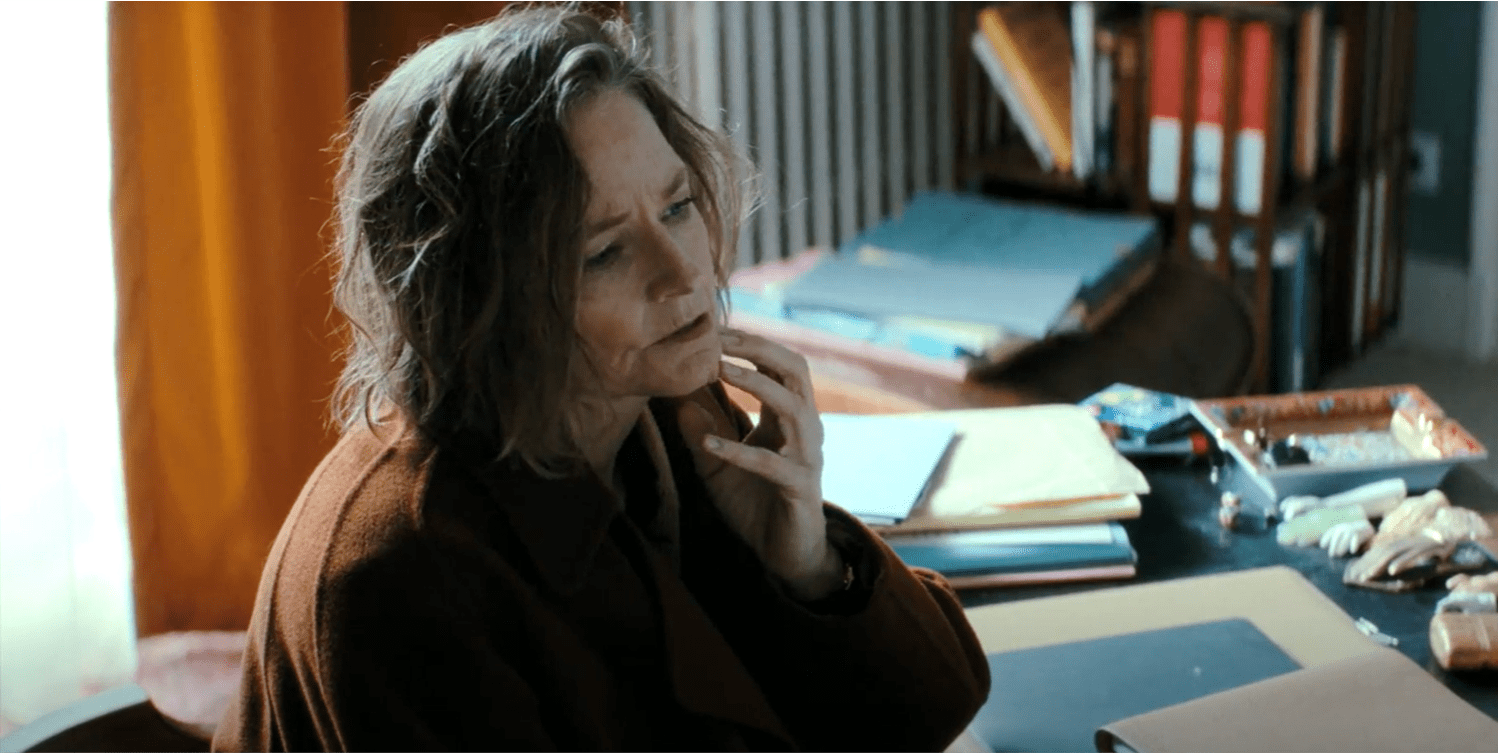
This bestows a kind of authenticity to the story’s treatment of these themes, preventing it from veering off the deep end on either side. Yet, the protagonist’s tale finds its true sense of realism through the journey she undertakes as a psychoanalyst. The death of one of Lilian’s patients becomes the film’s jumping-off point, promoting the narrative into action and setting things into motion. As the plot progresses, it takes turns into a wide variety of genres, including a whodunnit, a comedy of remarriage, a reincarnation tragedy, and more. Still, the protagonist’s complex emotions about her patient’s death and inability to cope with it remain at the nucleus of the story. While Lilian’s downspiral doesn’t possess a direct real-life inspiration, it finds a concrete basis in the complexities of such real-life tragedies.
Research has shown that mental health professionals tend to experience an amplified sense of loss in the event of a patient’s death, largely due to the emotionally vulnerable relationship that exists between them. Furthermore, the grief of such a loss tends to affect psychiatrists and other such professionals with more years of experience on a disproportionate level. Statistically, between 40% and 98% of professionals have noted that losing a patient to suicide has had an impact on their careers. As such, Lilian’s scrutinized exploration of Paula’s death and the ensuing misguided adventure that follows, though eccentric and entirely fictitious, stays true to the central character and her circumstances.
Lilian Steiner’s Character Was Rewritten to be Tailor-Made For Jodie Foster
The character of Lilian Steiner initially came to be through Anne Berest’s original script. When the director, Rebecca Zlotowski, read the script, she instantly fell in love with the story, as well as the character. Furthermore, she was struck with the idea that the role could potentially be for actress Jodie Foster, who had been looking to work in a French production for some time. As a result, the filmmaker ended up rewriting the character for the American actress. One notable change this brought for the protagonist was her status as an American who had made the daunting move to France. This became a major point of interest for Foster, who found herself drawn to the character and her story.
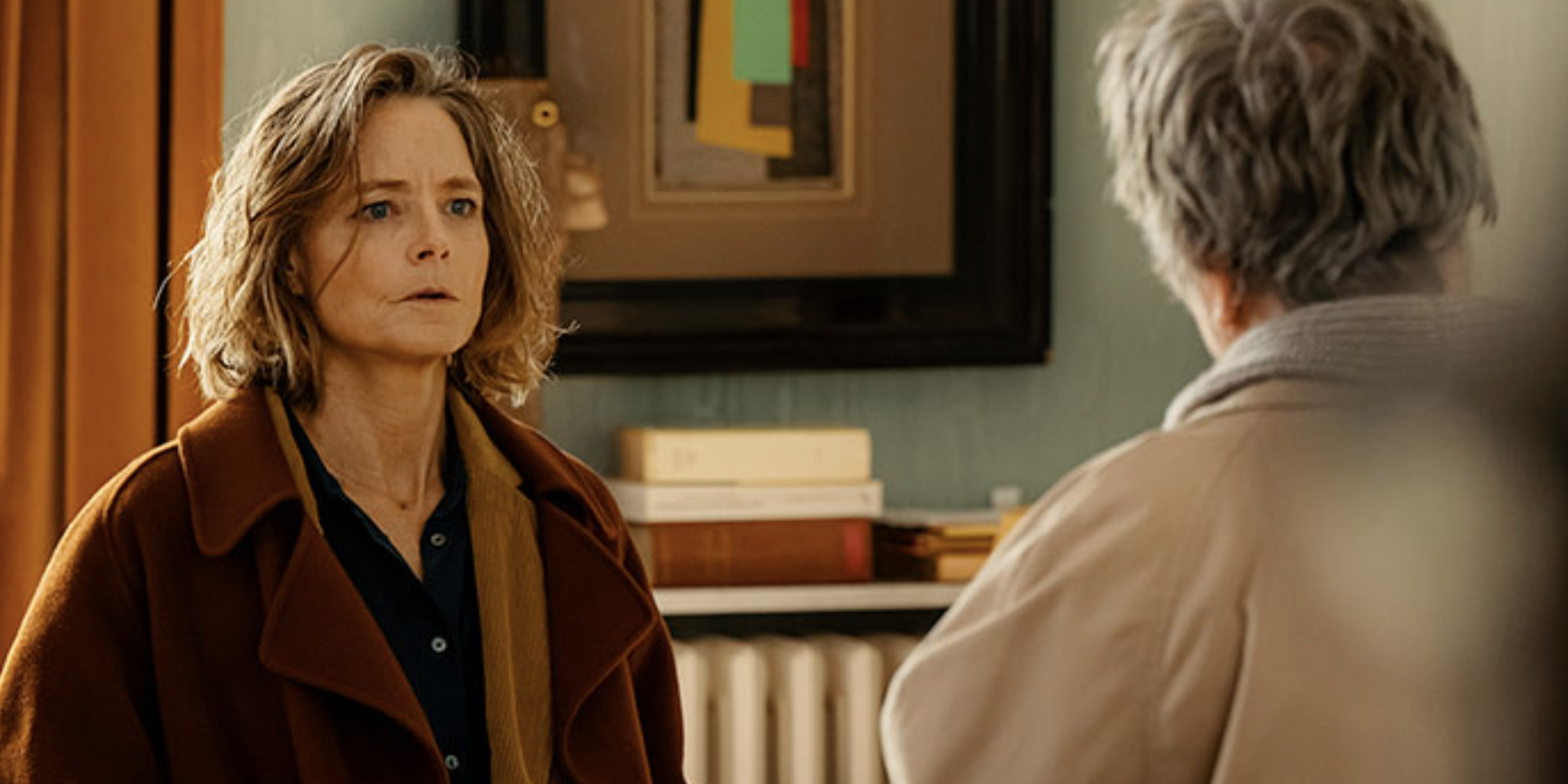
In a conversation with The Wrap, Foster spoke about this and said, “(It was) something about the expatriate experience, about somebody leaving everything that they are and making that decision. It’s a big decision to say, ‘I’m going to leave who I am, and I’m going to become someone else. Who am I going to become? There’s this idea that you can escape who you are by becoming someone else, a version of yourself. I was very interested in that.” Additionally, Lilian’s roots as a Jewish-American woman in France, experiencing the sinister modern-day antisemitism of Europe, a point of relatability for the Jewish-French director, Zlotowski, imbued another grounded layer to her character.
Lastly, Zlotowski and Foster worked together to deepen Lilian’s characterization as a psychoanalyst, researching Freudian analysis and collecting real-life data and references on the topic. In an interview with Deadline, Zlotowski spoke about the nature of their research further. The filmmaker said, “(And then) we went to those shrinks, amazing psychiatrists, not shrinks, really famous, renowned female psychiatrists in Paris. And we entered their office, and they were thrilled to have Jodie (Foster), and I could tell that they tried to erase it on their face, the excitation, because they were renowned psychiatrists, and they had to hide the emotion.” She further added, “Everyone would just talk and have a seance with each other. With Jodie saying very deep things, and those women saying deep things.”
Read More: A Private Life Ending Explained: How Did Paula Die? Was it Murder or Suicide?


You must be logged in to post a comment.