
 Abhiroop Das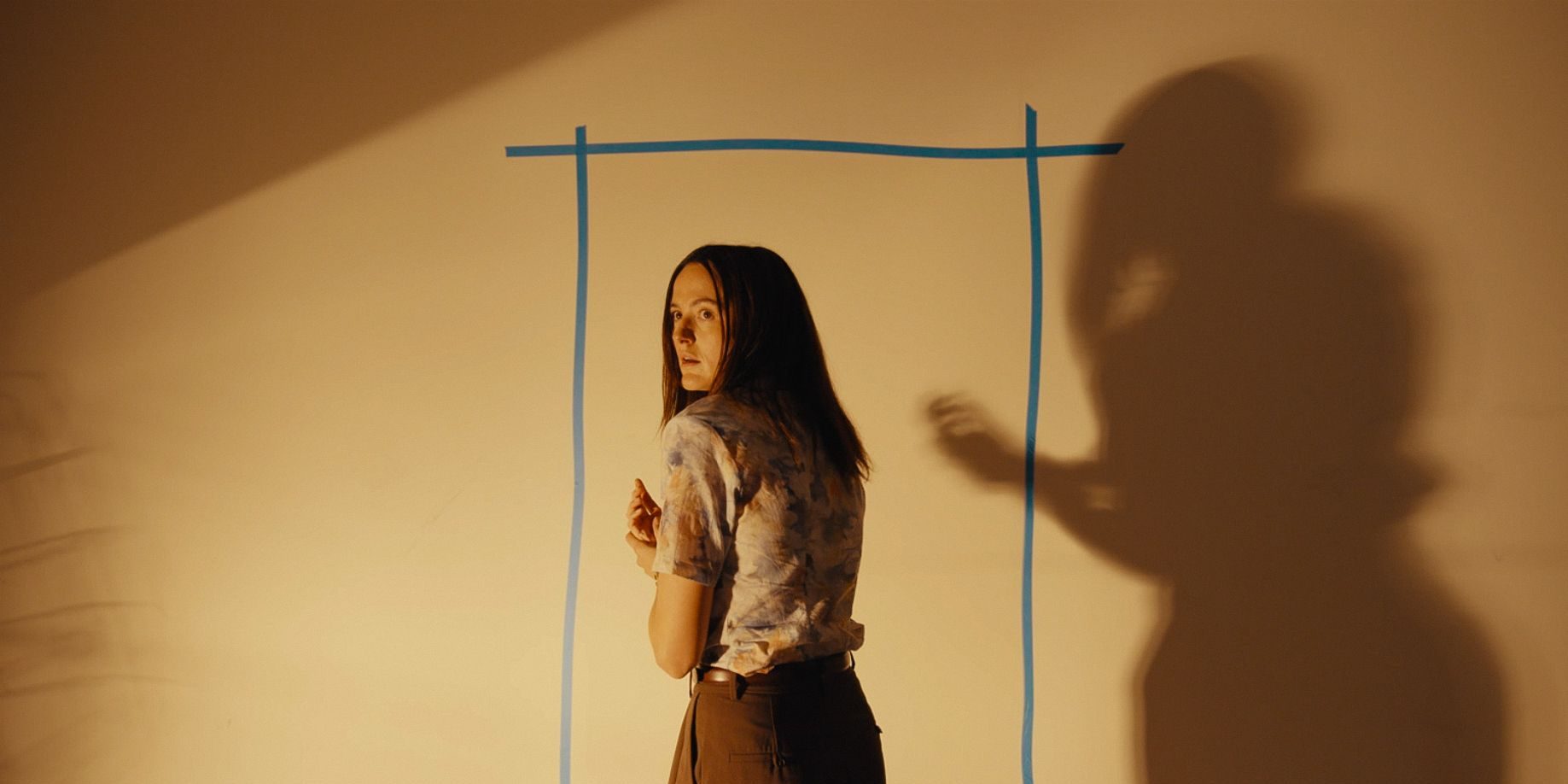
Helmed by Kane Parsons, A24’s ‘Backrooms‘ tells the story of a failed architect turned furniture salesman named Clark, whose dysfunctional life takes a curious turn when he notices an inexplicable, invisible passage through a wall. When he moves in, he is greeted by a non-Euclidean space that seemingly stretches on forever. Segmented into a near-infinite number of rooms, all covered in yellow wallpaper and lit by fluorescent lights, the space provides Clark with more questions than answers. However, it isn’t until he comes across something uncannily human-like that the horror truly sets in. As he spends more time in the Backrooms, he discovers that there are entities native to the expanse, who may or may not be hostile, among other things. SPOILERS AHEAD.
Still Lifes Are the Backrooms’ Recreation of the Real
Still Lifes are humanoid entities that originate in the Backrooms as a distorted recreation of people from its memory. While first properly introduced in ‘Backrooms,’ the concept of Still Lifes actually goes back to Kane Parson’s eponymous YouTube series, which is set in the same world. The first of these entities is introduced in ‘Found Footage #3,’ and shares a lot of characteristics with the variants we see in the film. It is likely that the term “Still Life” was coined by Clark himself, given his background in art and architecture, as well as how he previously compared the internal logic of the Backrooms to drawing a picture of a dog based only on someone else’s description of the animal. Still Lifes do follow a similar model, in that their appearance is broadly human-like, but generally contains some uncanny differences.
While Clark claims that the look of Still Lifes is “off” because of the Backrooms’ inability to remember them perfectly, there does seem to be a bit of intelligent design at play. In some instances, their appearance can reflect the original human’s psyche or social context, even incorporating details that would generally be overlooked. We see that in the case of the redheaded Still Life, who may or may not be a recreation of Clark’s ex-wife, Barbara. While there aren’t any apparent similarities between the two, other than their red hair, the Still Life is noticeably afraid of Captain Clark, which not only indicates a degree of consciousness and agency but might also call back to the abusive dynamic of Clark and Barbara in the past.
Still Lifes Aren’t Uniform in Design, But They Can Be Replicated
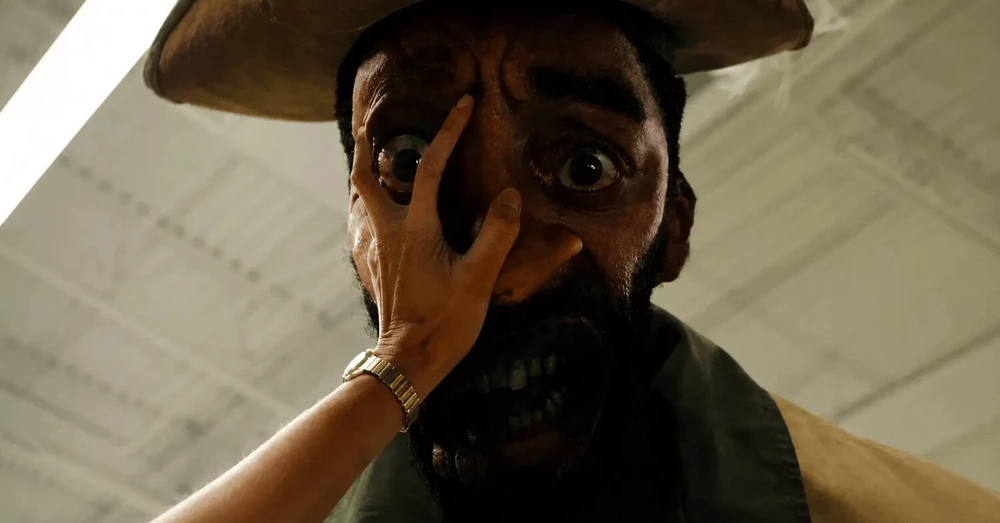
Captain Clark’s design is perhaps the clearest oddity within the concept of Still Lifes, as it is not only made of a different material entirely, but it also blends together a non-human piece of imagery and concept, namely, the pirate mascot of Clark’s furniture shop. While this may be a case of the Backrooms failing to differentiate between humans, models, and images, it might also be that the Backrooms have accurately sensed where Clark’s psychology lies, or who he subconsciously inserts into. In that regard, Captain Clark and the Still Lifes in general are both independent creatures who do not abide by human logic and are a loose reflection of the human subconscious, specifically its darker shades.
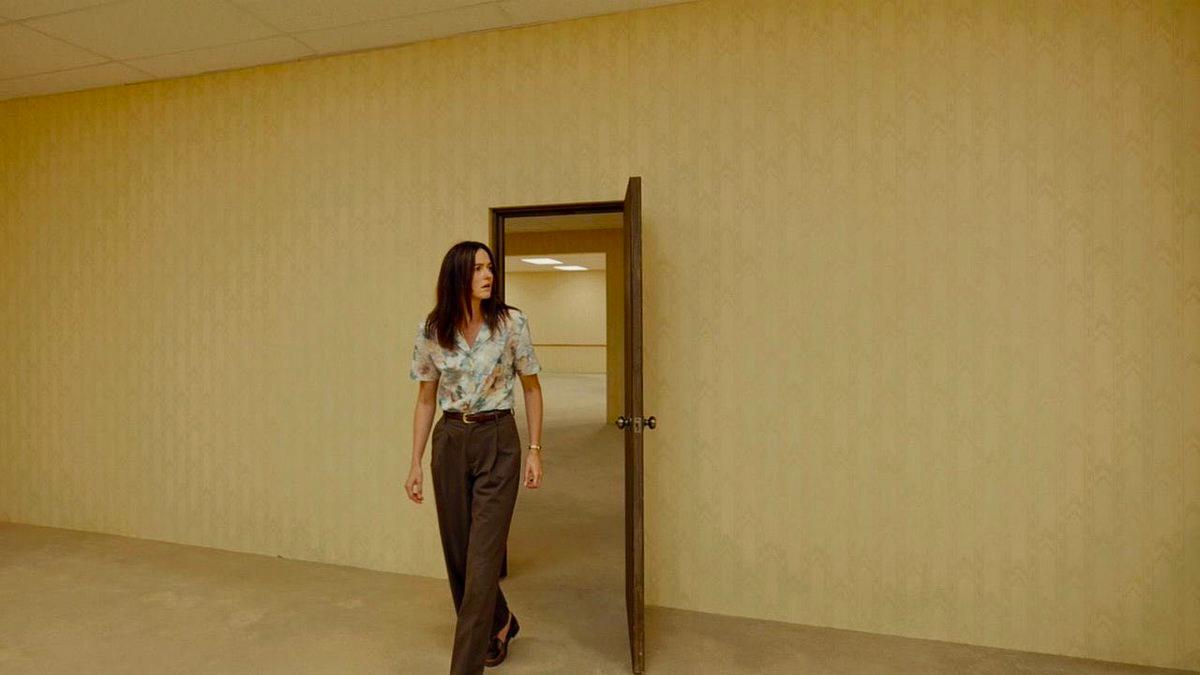
Another unique thing about the Still Lifes is that they appear to be endlessly replicable. Despite the implication that Clark has been consuming and abusing Still Lifes for quite some time, when we eventually meet the entities, they seem to have healed up completely. This correlates to the Backrooms’ ability to infinitely recreate anything, whether it is animate or inanimate. It is also implied that this realm doesn’t even need to physically know a person or place for recreation, as it can easily look into a character’s memories to do the same. We know that because of the Backrooms’ ability to recreate Mary’s childhood home from scratch, as well as the apartment complex that now stands in its place. There are also failed Still Lifes, who are implied to be the half-constructed beings frozen to the floor in the red room, and we might learn more about their making in future entries in the series.
Eating Some Still Lifes is Possible, But Certainly Not Ethical
Though Clark claims that Still Lifes are edible, the statement is likely not sweepingly true. To begin with, not all Still Lifes have the same bodily constitution, as while the ones Clark cuts open are seemingly made of a white, foamy substance, Captain Clark’s body involves simulated wood, fabric, and possibly a complete human-like anatomy. While it’s still technically possible to eat the Still Lifes, the action very quickly becomes ethically suspect. A large reason Clark eats them without any hindrance is his claim that they do not feel any pain, and yet, that is proven wrong when we see Mary hurt Captain Clark, who then moans and winces in agony. It is possible that the Still Lifes Clark has devoured are very much capable of experiencing pain and other sensations, but simply cannot communicate it, which leaves the scenes with a sinister implication.
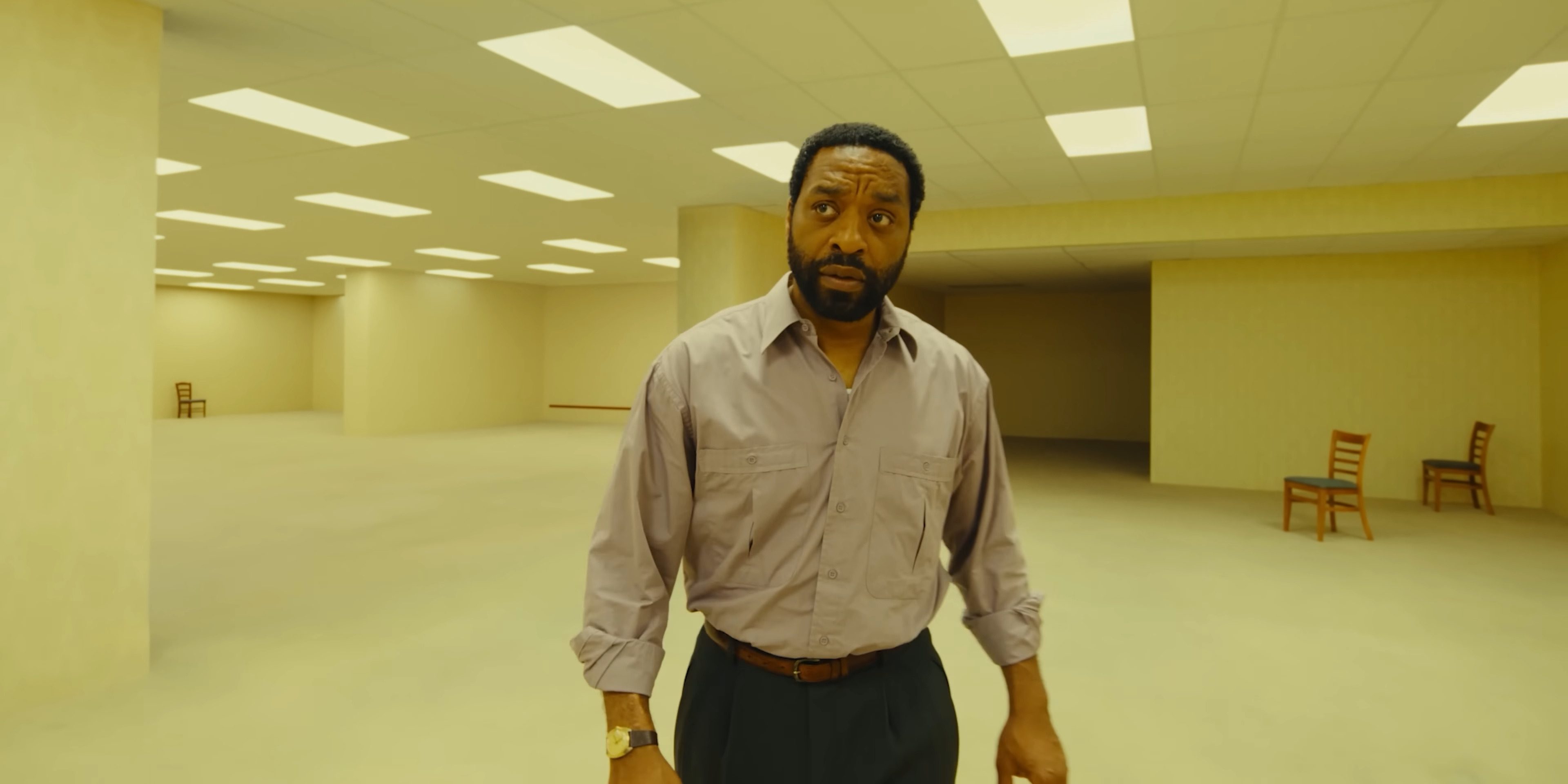
Another, even darker theory is that the Still Lifes, while edible, actually do not provide any nutrition, and Clark has been surviving on Kat’s corpse this entire time. Given the pile of clothes in Captain Clark’s lair, including a T-shirt worn by Bobby well before he entered the Backrooms, we can conclude that Captain Clark has been indiscriminately consuming Still Lifes this entire time. It is possible that Clark merely learned from this and replicated the process with Kat, all the while believing that it’s the Still Lifes that have been feeding him. While this explains Kat’s missing body and Clark’s general dissonance, it is still too macabre a scene to just readily believe. The Backrooms are founded upon the idea of a hollowed reproduction, where form is replicated without a necessary purpose or meaning. In that case, the existence of Still Lifes as sustenance sounds shaky at best, but might be one of the many ways the movie depicts Clark’s selfishness, or the absurd mechanics of the Backrooms.
Read More: What is Captain Clark? Why Did He Eat the Real Clark?


You must be logged in to post a comment.