
 Aahana Swrup
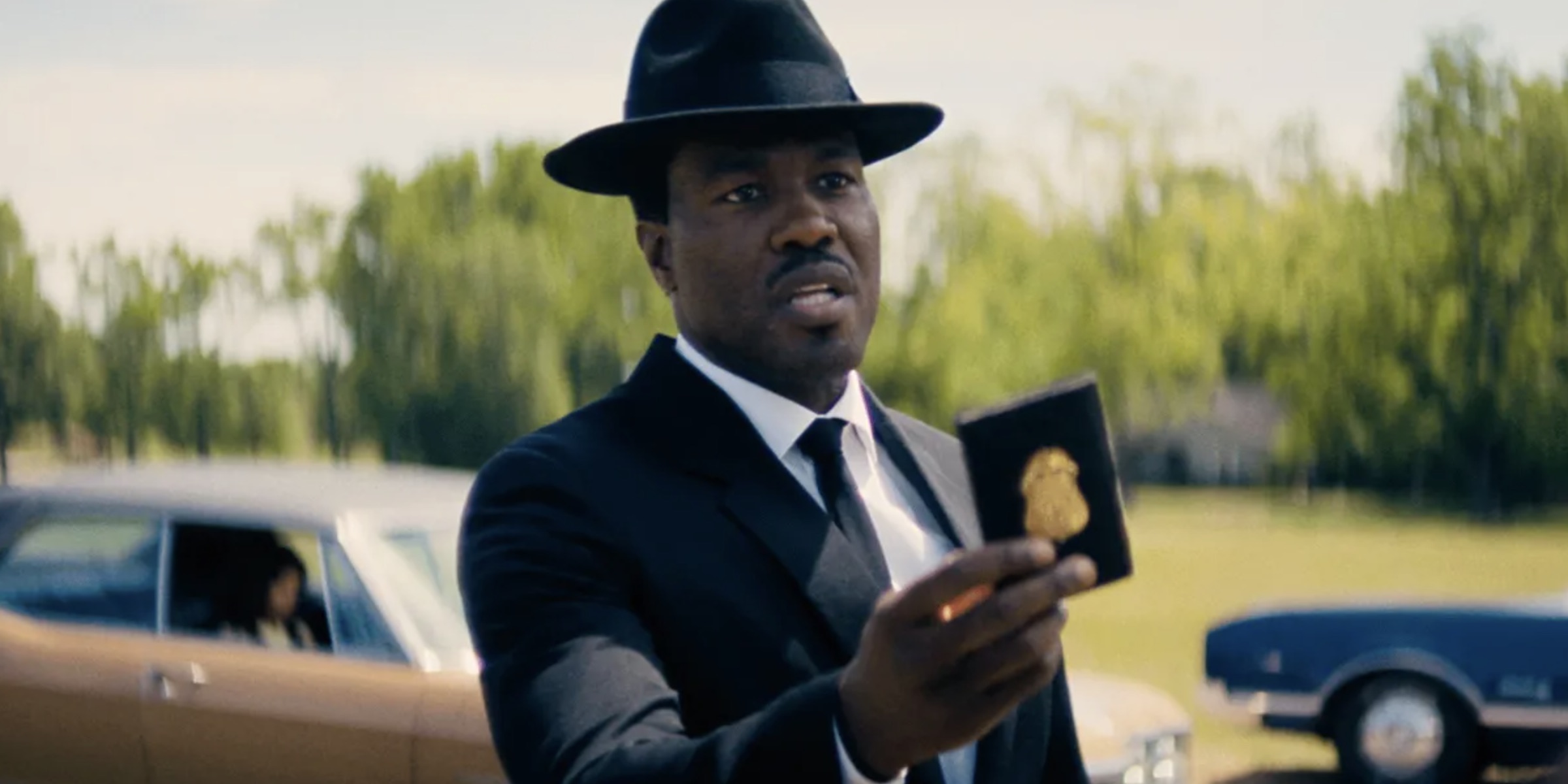
‘By Any Means’ is a political thriller film in which a horrifying crime leads to an equally brutal investigation. In 1966 Mississippi, a civil rights leader based in Hattiesburg becomes the victim of a racially motivated attack. In light of the murder, when other avenues of investigation fail, the FBI contacts Greg Scarpa, a mob enforcer from Brooklyn. Additionally, they put one of their only Black Agents in the department, Wayne Strider, on the case as the Handler. As the two men go after the local Ku Klux Klan operations, the FBI Agent begins to grasp the reality of the hitman’s no-holds-barred approach. Unburdened by things like protocol or department rules, Scarpa plows his way through the investigation, using a free hand of violence against witnesses, suspects, or even unrelated nuisances alike. As a result, Strider finds himself caught between his desperate need for retribution and the glorified idea of justice. SPOILERS AHEAD.
By Any Means Plot Synopsis
Mississippi witnesses a perplexing mystery in the summer of 1964 when three young men allied with the civil rights initiative go missing. Their case remains unsolved for a long time until the FBI covertly brings in a specialist, Brooklyn mafia family’s Greg Scarpa. The hitman uses his unconventional methods of torture to discover the location of the victims’ dead, subsequently closing the case. Two years later, Wayne Strider, an idyllic FBI agent, arrives in town with his wife, Allison. He had transferred to Hattiesburg with the intention of setting down roots and furthering his career as a law enforcement officer. However, he continues to be overlooked for one unsolved case after another. Eventually, the town experiences another horrific tragedy.
A local civil rights leader and a pillar of the community, Vernon Dahmer, gets attacked by the Ku Klux Klan, who burn down his house and him along with it. The victim’s wife and kids barely manage to escape from the scene with their lives. However, in the aftermath, the local authorities remain uninterested in investigating the incident. On the other hand, townsfolk refuse to cooperate with the feds, driven to silence by either bigotry or fear. As a result, Agent Moore decides to employ drastic measures. He sends out for Greg Scarpa, a mafia hitman known to have worked a few jobs for the FBI every now and then. The Special agent also assigns Strider to be his Handler on the job, instructing him to accompany the mobster on this off-the-books mission.
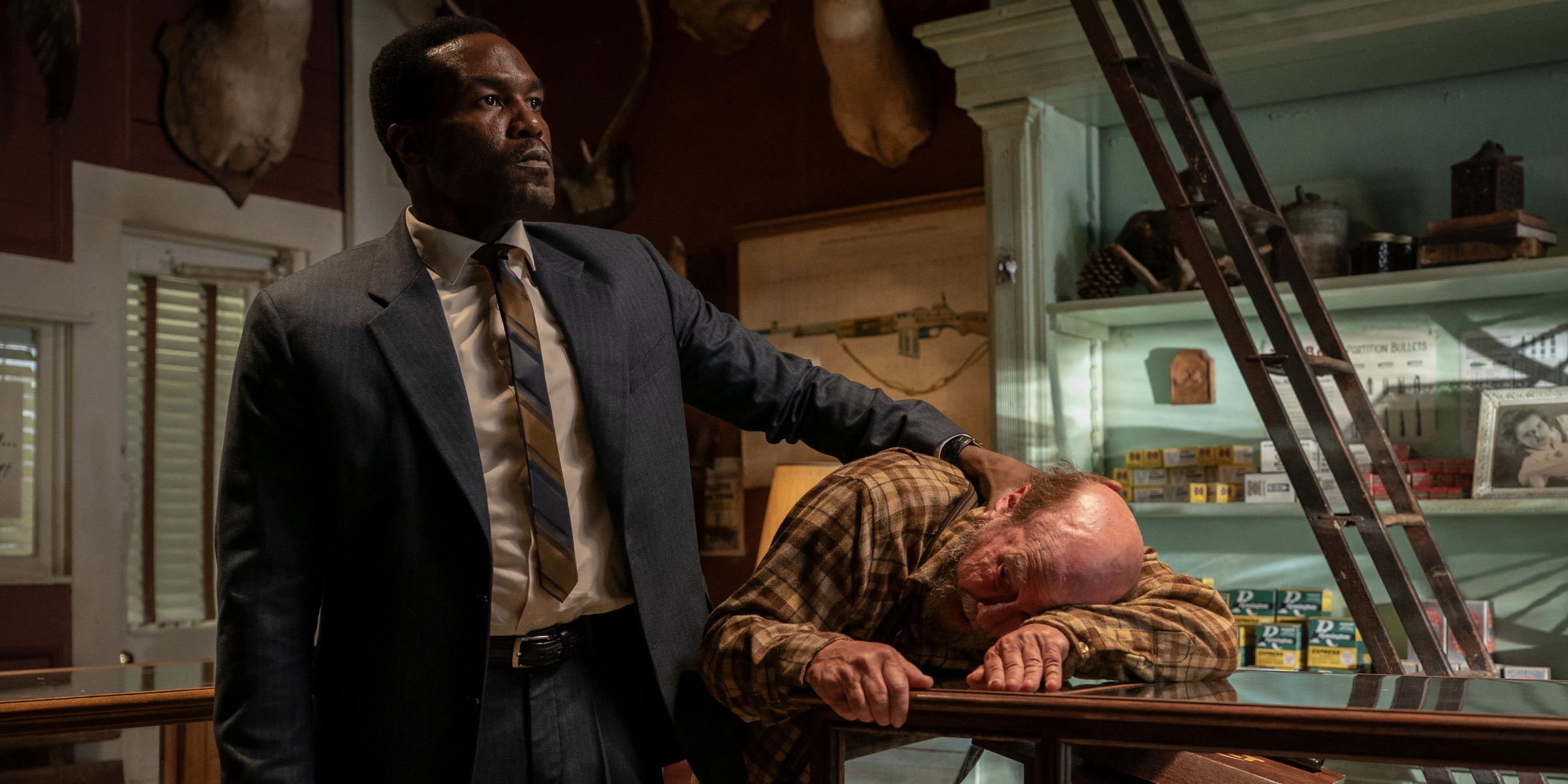
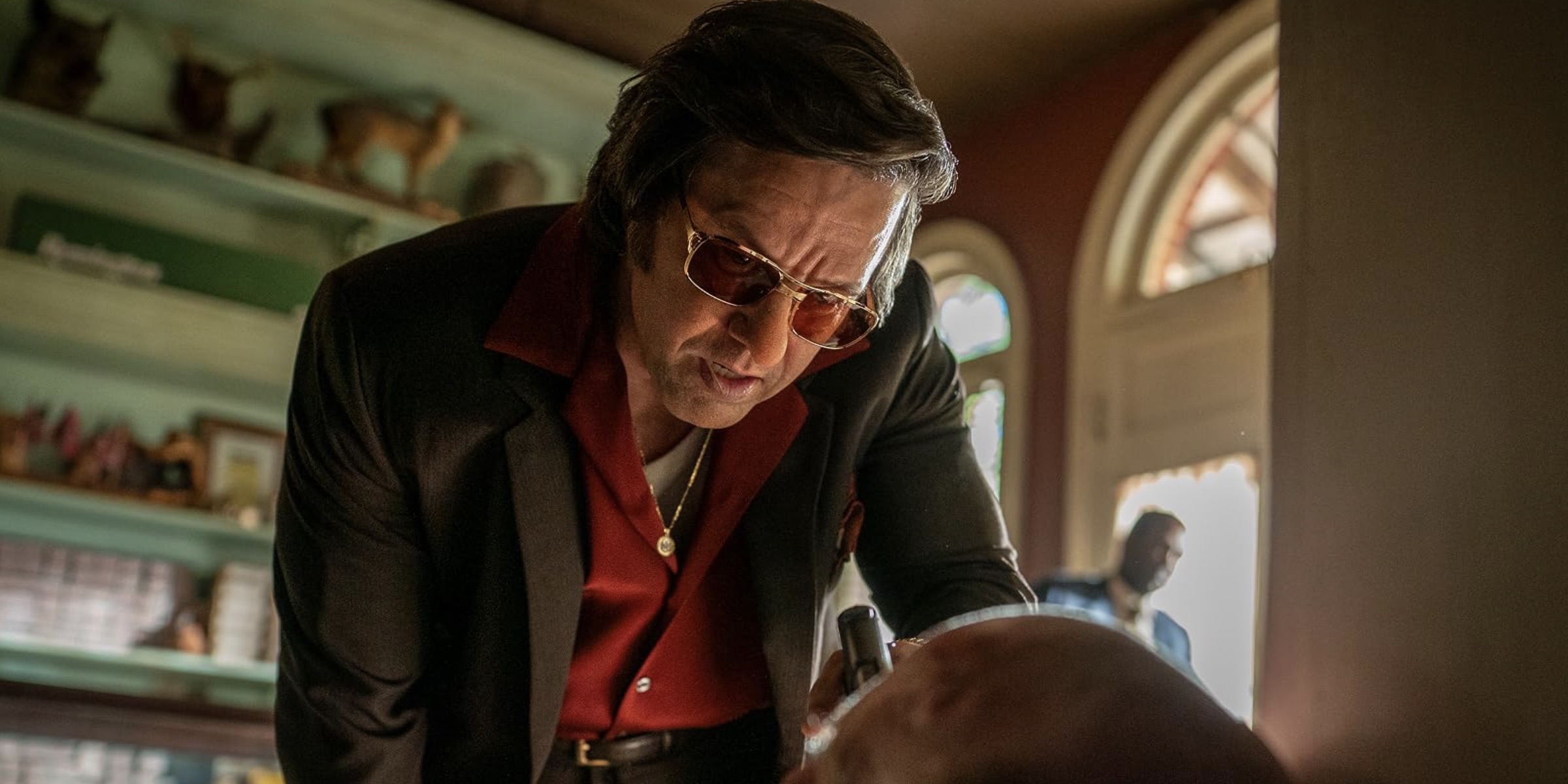
Soon enough, it becomes evident that the two couldn’t be farther apart in their morals and their methods. Strider is a stickler for the rules who believes that justice can be achieved through proper legal channels. Therefore, he plays by the rules even when they’re stacked against him because of his racial identity. Inversely, Scarpa has no regard for any laws or regulations. This remains evident from the first step of the investigation, in which the hitman beats up a gun shop owner in hopes of learning the identity of a buyer. When that fails, Strider uses his familiarity with the neighborhood to get a lead, which brings them to a local named Pitts. When they confront him at his house, Scarpa swiftly attacks him, once again resorting to violence as an interrogation method.
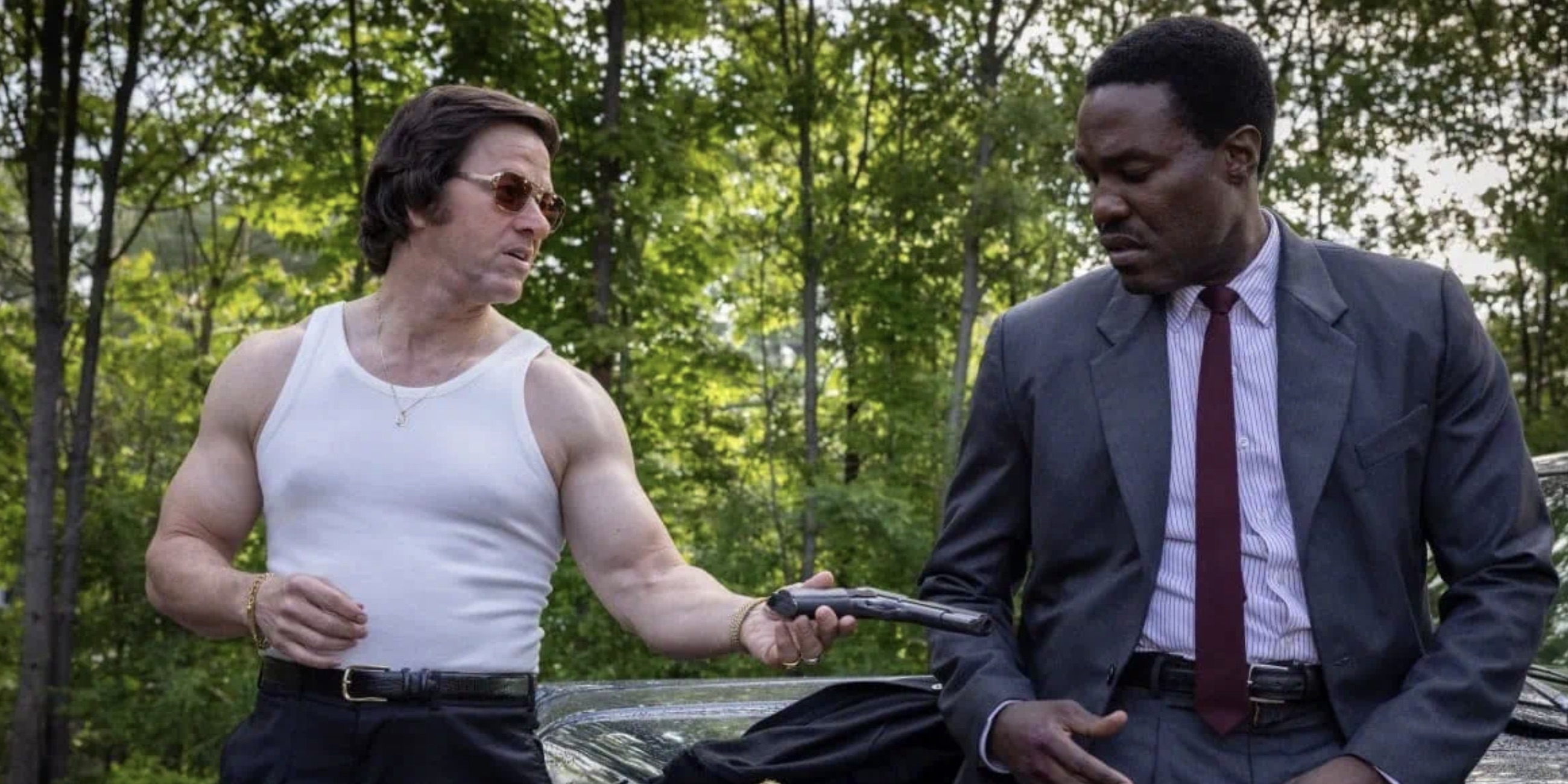
However, when a group of Pitts’ white supremacist friends surrounds the house, Scarpa leaves Strider to fend for himself before swooping to his rescue at the last minute. This becomes a breaking point of sorts and leads to a huge argument between the duo. In the aftermath, the agent abandons the hitman at the side of the road. His superior officers aren’t too pleased with this development and fire him from his post. The same night, the Ku Klux Klan, having identified Strider as the FBI Agent circling around their members, attacks him at his house. In turn, the former confronts them and chases after them into the dead of night until he has a way of identifying the aggressors. Now that his trust in the system has brutally unraveled, he knocks on Scarpa’s door, recruiting his help and ready to embrace his methods to deliver punishment.
By Any Means Ending: Are Vernon Dahmer’s Killers Caught?
The Ku Klux Klan carries out the attack at Vernon Dahmer’s residence. A violent faction of the town’s white supremacist population, who hated the civil rights leader for his identity and politics, made up the group. Vernon had been a notable voice in Hattiesburg’s civil rights movement, using his land and his resources to create more opportunities for his fellow African American residents. Moreover, he was a vocal advocate for voting, especially in the Black community, even offering to pay the required poll taxes to ensure everyone had access to the political right. All of this made him a target for the supremacy group, which ultimately took his life. Worse yet, the small southern town politics made it impossible for any proper investigation to take place around the incident. Notably, this isn’t the first time that KKK connections and race politics threatened to turn a case cold.
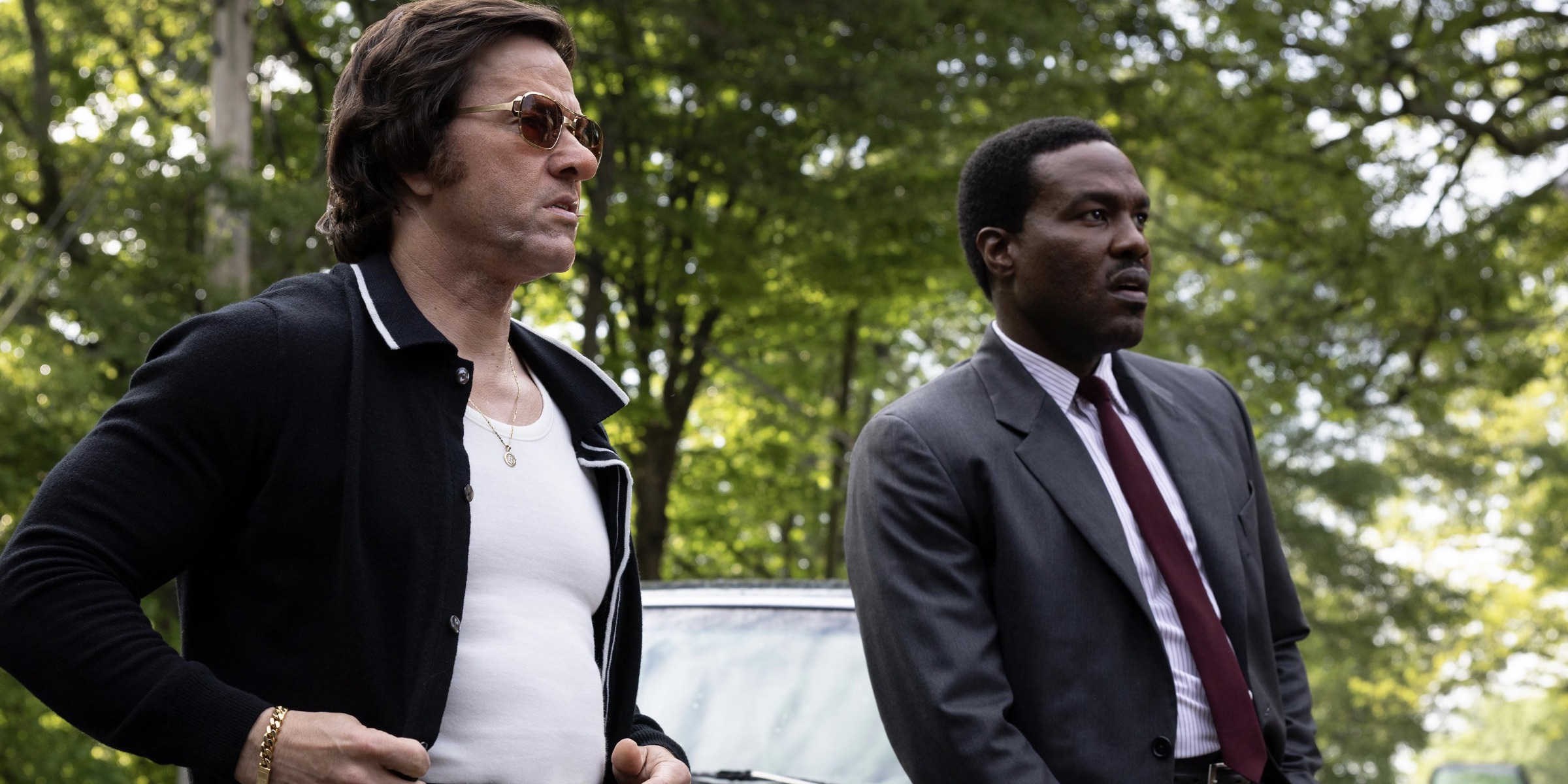
The Freedom Summer Murder cases of 1964 presented much the same problem. Back then, the FBI’s solution involved Greg Scarpa, a mobster who wasn’t afraid to get his hands dirty in pursuit of a lead. Therefore, after Vernon’s murder, they reach out to him again to solve the case. When Wayne Strider is partnered up with him on the unofficial investigation, he is expected to bite his tongue through the hitman’s violent indiscretions. Yet, his own moral principles and faith in the system prevent him from going along with the charade for long. That is until the scales finally tip towards the extreme. Throughout the film, we see Strider attempting to follow the rules, even at the cost of his own safety and dignity. Yet, in the end, he’s pushed past the point of no return.
Thus, this time when Strider teams up with Scarpa, it’s with the explicit intention of playing by the latter’s rules, or lack thereof. Once the duo gets their hands on their suspects, he allows the hitman to take the interrogation to a second shady location. There, the two suspects are tied up and brutally tortured while the former FBI Agent watches from the shadows, waiting for them to break so that their statements can be taken. Ultimately, after they kill one of the suspects, the other ends up talking. In fact, he even agrees to testify in court, without any mention of the brutality that coerced him into a confession. Thus, Sam Bowers, the leader of the local KKK group, and his friends are unmasked and identified by the feds.
However, of the fourteen men arrested for Vernon’s murder, only five received convictions. A little over a decade after the crime, even the convicted individuals were released from prison. In fact, Sam Bowers, the ringleader of the pack, enjoyed his freedom for more than thirty years after Vernon’s murder, and his eventual conviction came at the heels of persistent pressure from the victim’s family. Ultimately, the conclusion of the case reveals a deep-seated failure within the system. Off the bat, the federal department has to outsource a criminal private investigator who must break several laws in the name of justice. Even then, it takes decades for the judicial system to deliver some semblance of retribution to the criminals, most of whom manage to walk free.
Does Strider Return to the Bureau?
Wayne Strider undergoes a drastic journey in the story. In the beginning, he is a strait-laced agent who wants to believe in the system. Despite facing bigotry and systemic racism every day, he wants to believe that progress is a possibility, which can be achieved by the unadulterated pursuit of justice. These ideals can be traced all the way back to his childhood when he once set fire to a police officer’s car. His actions were driven by a need for revenge after the cop brutalized his friend on suspicion of petty theft. In the end, Strider walked away from the incident unscathed since he was never caught. Yet, even back then, he was disappointed to see that the system had failed to deliver justice for a crime.
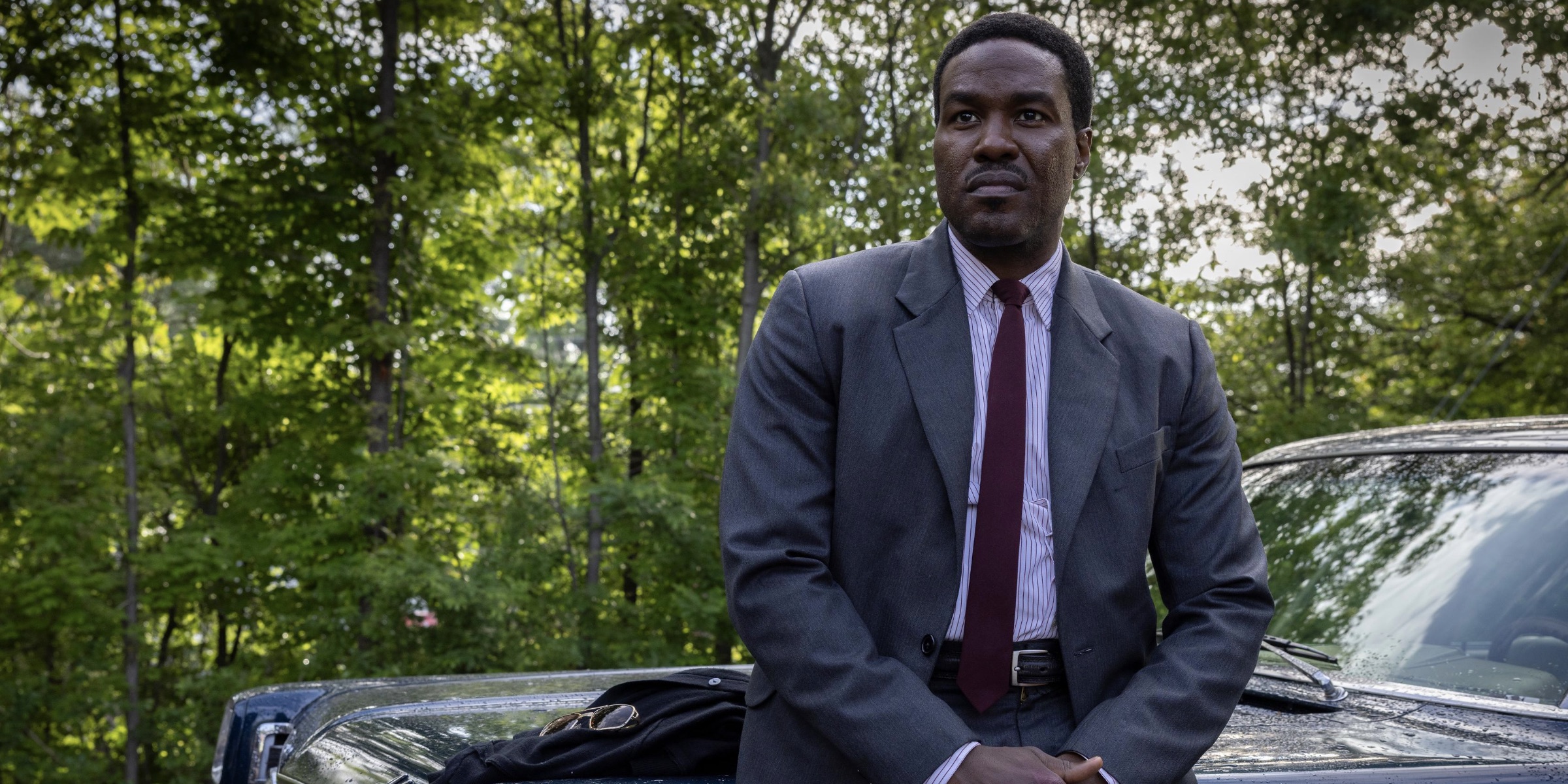
Back then, he thought he would find the solution to this by joining the law enforcement officers at their ranks. Nonetheless, Vernon’s murder case flips this entire worldview for Strider. He realizes that even the upholders of law and order are colluding with a mobster with a penchant for brutality and law-breaking to get the job done. This means that even though the higher-ups know that the system is flawed, they have no interest or hope of fixing it. In some ways, Strider’s involvement in Scarpa’s final interrogation showcases his own surrender to the flaws of the system. Thus, in the end, he returns to the FBI, taking up the gun and badge again, joining the system since he knows he can’t fight it.
What Happens to Scarpa?
Unlike Strider, the Vernon murder case isn’t an anomaly for Scarpa. He has been contacted by the FBI multiple times, stationed in the South to solve cases that are beyond the scope of the local or federal authorities. As such, he already knows the ugly truth of the world. Since he’s a mafia hitman, he is no stranger to committing crimes and evading any ensuing consequences. The fact that he’s working for the feds further gives him access to a layer of legal protection. Even though he’s attacking people in broad daylight, torturing them, and even dropping a dead body at one point, he knows that he won’t have to face any legal repercussions for it.
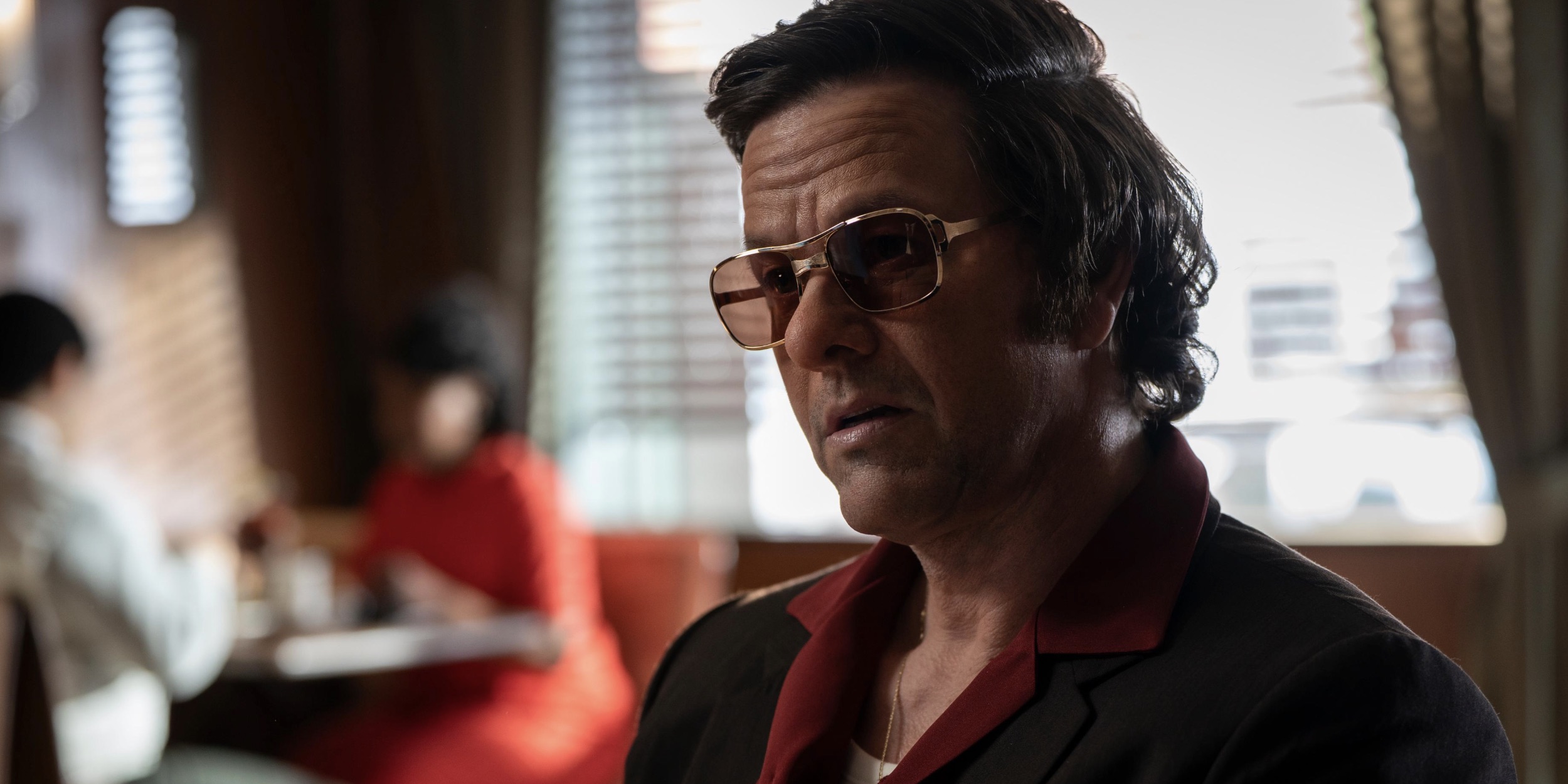
Since he’s an asset, Scarpa’s indiscretions are overlooked and ignored as long as he doesn’t leave a trail of evidence behind. Therefore, once he does his job and identifies Sam Bower and his gang as the perpetrators in Vernon’s murder, his job at Hattieburg is done. He gets paid for his services, and he’s free to leave; that is, until the FBI finds itself in need of his services once again. Ultimately, he remains another cog in a machine that promises justice but relies on several injustices to keep the wheels moving.
Read More: Where Was By Any Means Filmed? All Shooting Locations


You must be logged in to post a comment.