
 Aahana Swrup
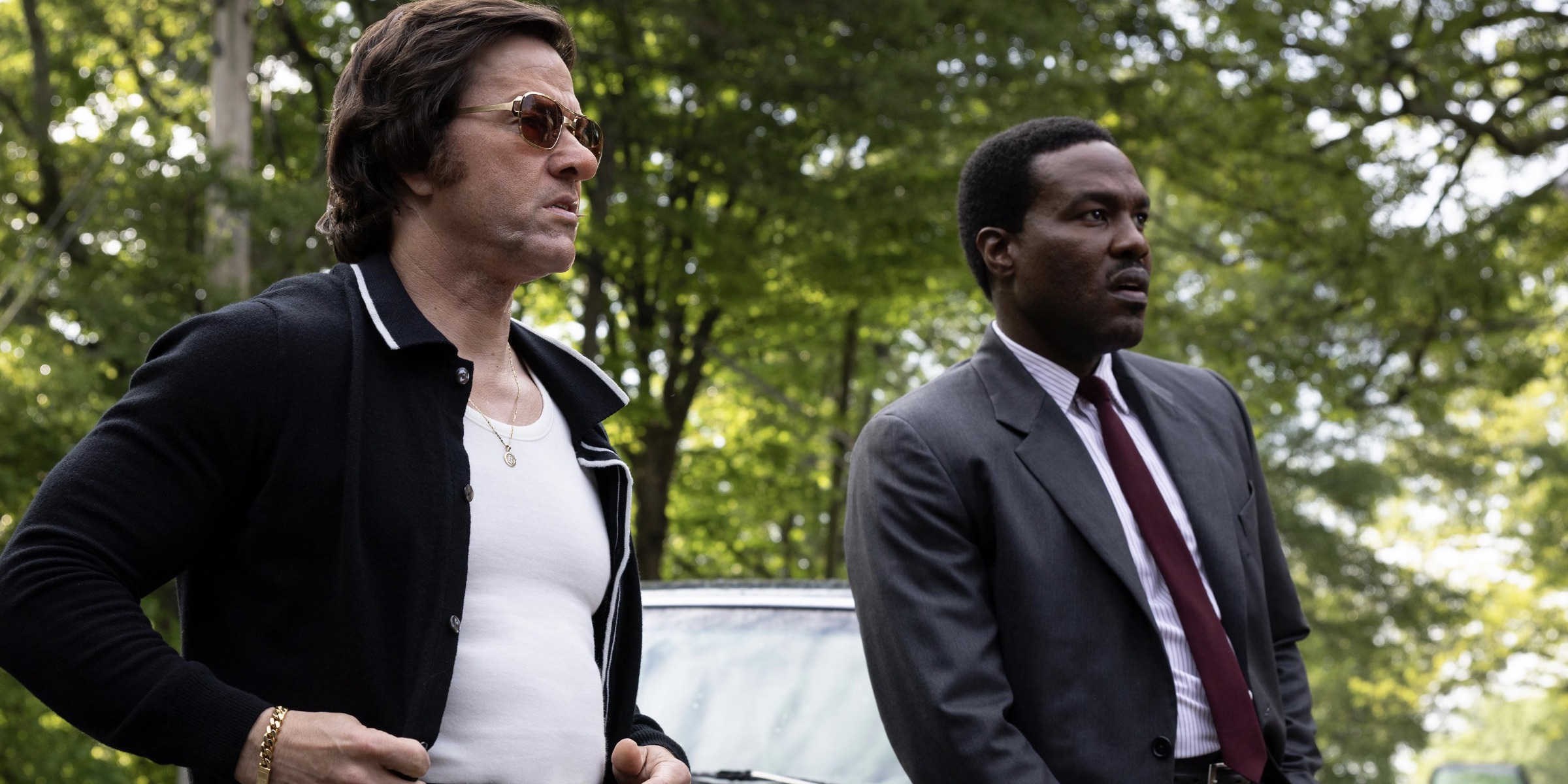
The crime thriller film ‘By Any Means’ follows the story of an unlikely team-up during a time of a tense socio-political landscape in Mississippi. The story follows Wayne Strider, an FBI Agent, one of the few African-American agents in his department in 1966, who is paired up for an unofficial investigation into a local murder case. The victim, Vernon Dahmer, was a civil rights leader who was attacked in his house by cloaked figures, KKK members, who firebombed his house.
The third-party expert whom the FBI folds into the investigation turns out to be Greg Scarpa, a mafia hitman who is apparently the Bureau’s long-term collaborator. As Wayne forays into the field with the trigger-happy mobster, he finds himself backed into an impossible choice between justice and blood-soaked vengeance. Directed by Elegance Bratton, the film delves into a notable time in American history, exploring a revenge story ripe with systemic and social moral ambiguity.
By Any Means is Based on the Real Events Surrounding the Murder of Vernon Dahmer
‘By Any Means’ largely mines the bulk of its narrative inspiration from real life. Even though the film isn’t a biography and notably retains many pivotal fictionalized elements, it also has many tangible roots in reality. This includes the inciting event of the premise, wherein the Ku Klux KKlan-relatedmurder of a civil rights leader in Mississippi compels the FBI to utilize a mafia hitman as an asset. On January 10, 1966, a mob of Klansmen targeted Vernon Dahmer because of his work in encouraging voting among Black Americans. The white supremacy group set Dahmer’s house on fire, which led to his death. At the time, the FBI was also receiving criticism for its response to the attack on the civil rights of the African-American population in the Deep South.
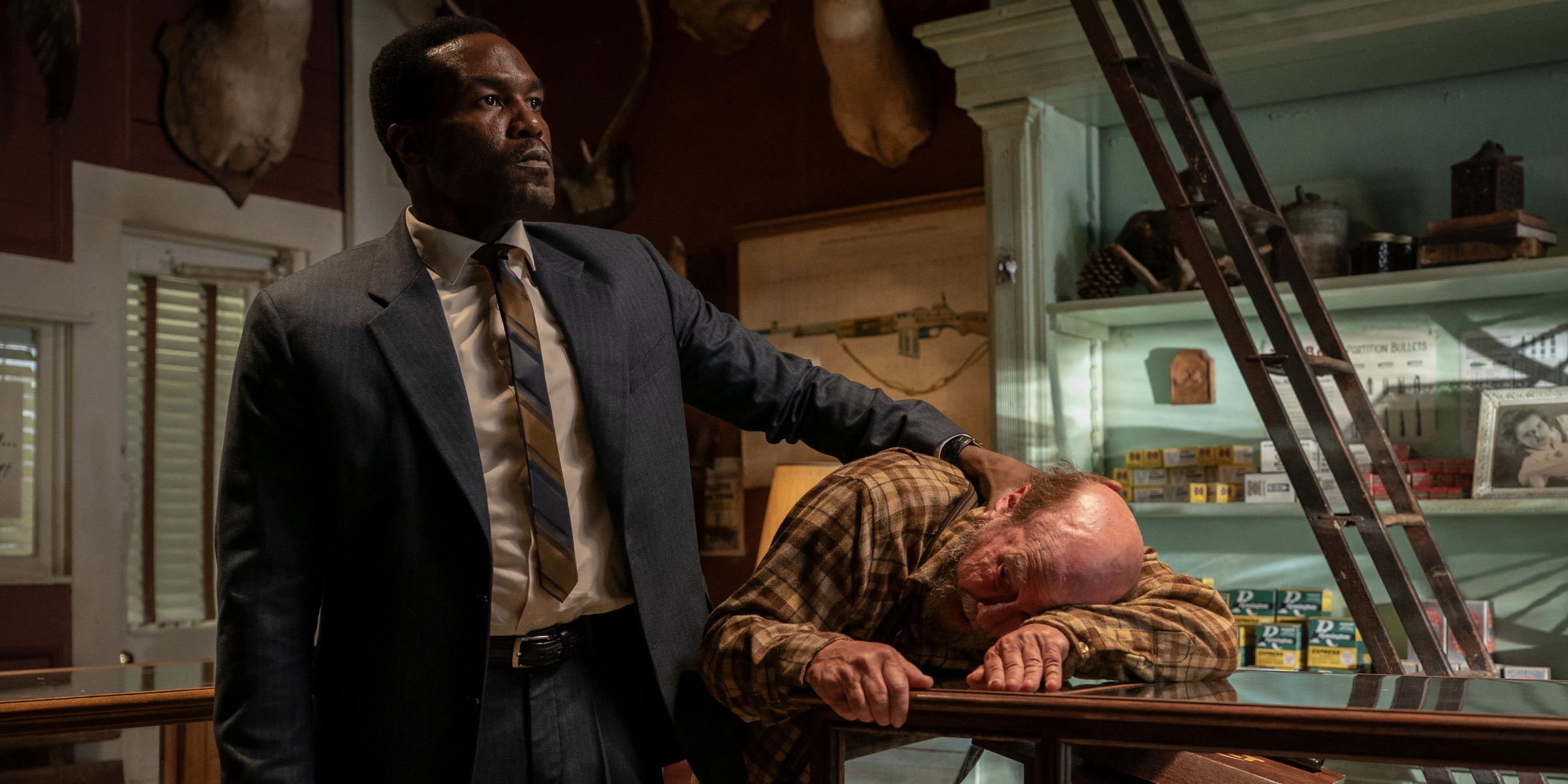
Consequently, solving Dahmer’s murder became a priority at the Bureau. A few days after the attack, on January 21, the FBI office phoned New York requesting the use of informant NY-3461, aka Gregory Scarpa, an NYC-based hitman for the Colombo crime family. Once the hitman arrived in Mississippi, he set his sights on Lawrence Byrd, a lead suspect in the case. Along with owning a Radio & TV shop, he was also a Klan Senator. Scarpa, along with an FBI Agent, took Byrd from his store to a second location, where he was beaten until he confessed. In the aftermath, the Klan Senator discouraged investigation into his kidnapping and signed a confession incriminating himself and seven other KKK members in Dahmer’s killing. This real-life investigation, brought to a conclusion through the help of Scarpa, becomes the central storyline in ‘By Any Means.’ As a result, despite the dramatizations and slight fictionalizations used in the film, it maintains a notable connection to real life.
By Any Means’ Depiction of Gregory Scarpa Blends Facts and Fiction
‘By Any Means’ is written by screenwriter Sasha Penn, who employed a real-life instance as inspiration for a dramatized story about an unlikely alliance, failed institutions, and moral ambiguity. As such, the film’s 1960s setting and depiction of Gregory Scarpa’s collaboration with the FBI remain crucial to its sense of realism. Thus, in order to maintain authenticity to real life, Penn and Elegance Bratton worked with family members of the real people involved in the Vernon Dahmer case. This includes Scarpa’s real children, as well as Dahmer’s widow and daughter, who were part of the project as advisors. Reportedly, Gregory Scarpa Jr. was moved by the film’s portrayal of his father and has acknowledged that the project is mostly accurate.
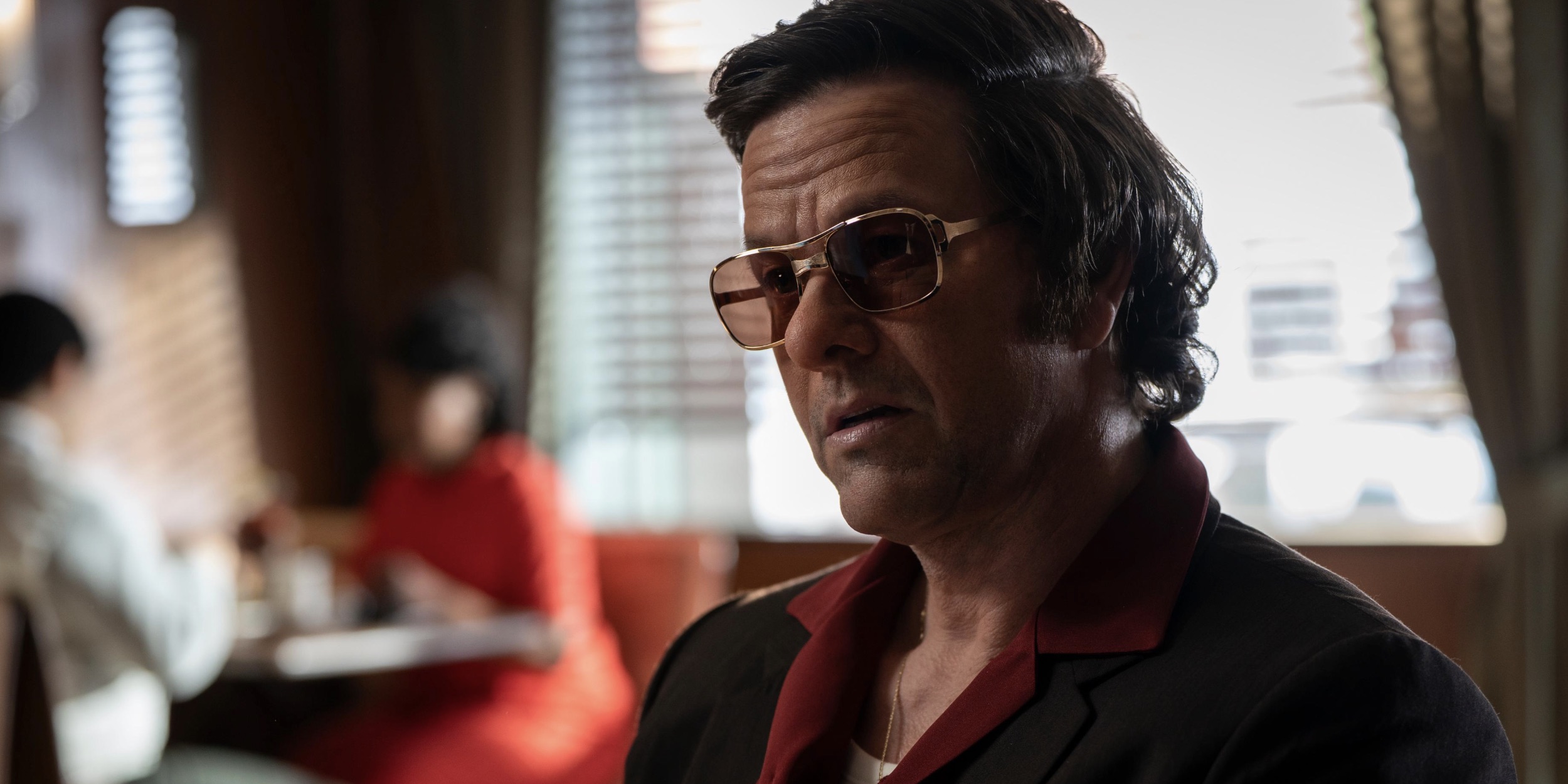
Even so, given the reality of Scarpa’s history with the FBI, it’s important to note that some of what’s depicted in the film hasn’t been officially confirmed as the truth by the government agency. In the film, Greg is tied to another case involving the 1964 disappearance of James Chaney, Andrew Goodman, and Michael Schwerner, workers of the Congress of Racial Equality. In real life, there are stories about the FBI collaborating with Scarpa on the investigation. Allegedly, he threatened a Klansman with a gun to his mouth to reveal the location of the missing people’s buried bodies. However, later claims have been made that the location of the victims’ remains was actually found thanks to Mr. X, a Mississippi highway patrolman who knew the Klansmen. Notably, the FBI has not formally acknowledged Scarpa’s involvement in either of the cases in Mississippi.
Wayne Strider is a Fictional Character Whose Narrative Explores a Tense Reality
While other elements of ‘By Any Means’ sport a tangible basis in reality, through alleged stories or otherwise, the film’s protagonist, Wayne Strider, remains entirely fictionalized. During his research, director Elegance Bratton learned that, apparently, a Black FBI Agent had indeed been assigned to Scarpa for when he did such jobs in the South. Nonetheless, this agent’s name remains unknown, much like any other detail about him. Thus, it’s possible that this anonymous FBI Agent became the seed of inspiration for Strider’s character. Ultimately, he serves as a window into 1960s Mississippi, allowing the audience to witness the reality of the historical time and its racism.
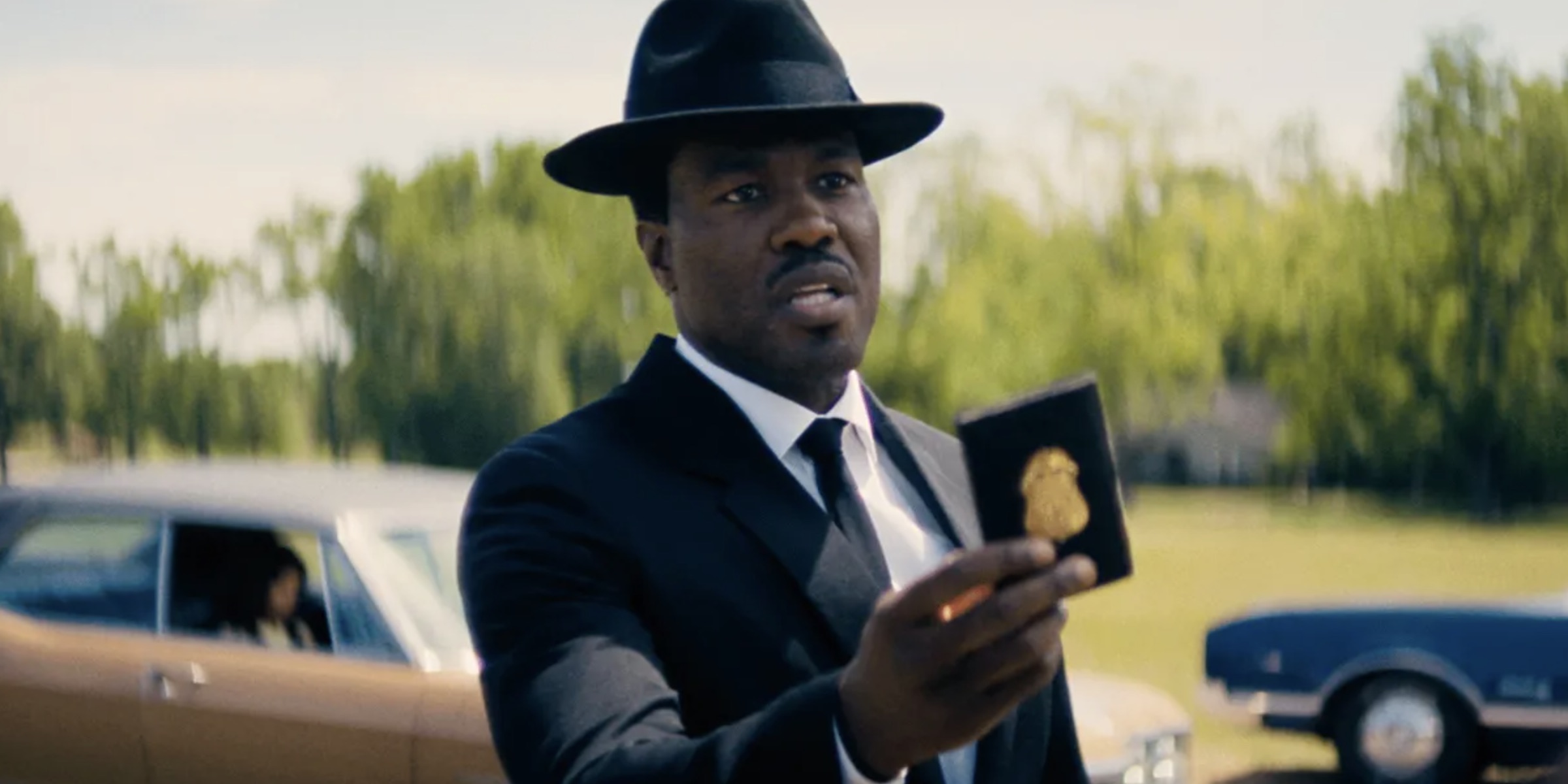
In a conversation with Entertainment Weekly, Bratton spoke about the same and said, “I wanted to drop the audience into the point of view of a Black protagonist, which is something you really don’t get with movies about this time in history. A lot of times, civil rights movies are about the white people and how they’re changed by the movement and not necessarily about the material conditions of the Black people who are experiencing the most strife.” Alternatively, Bratton also delved into the history of African American agents in the Bureau, especially in the early days when they were only starting to be accepted into the institution as special agents.
Discussing the same, the director said, “There’s this wonderful article that Yahya brought to my attention in Life Magazine from the ‘60s where they talked about the Black agents in Hoover’s FBI. And that article had a lot to do with how I wrote Wayne, because as much as they are pioneers and they’re breaking barriers, they were also kind of like stage ponies for Hoover. They were caught in a vice, representing a change they didn’t get to experience while in uniform. “ Ultimately, these elements shaped the characterization of Strider. Even though he’s a creation of the film, his narrative remains ripe with historical authenticity and accuracy.
Read More: By Any Means Ending Explained: Are Vernon Dahmer’s Killers Caught?


You must be logged in to post a comment.