
 Aahana Swrup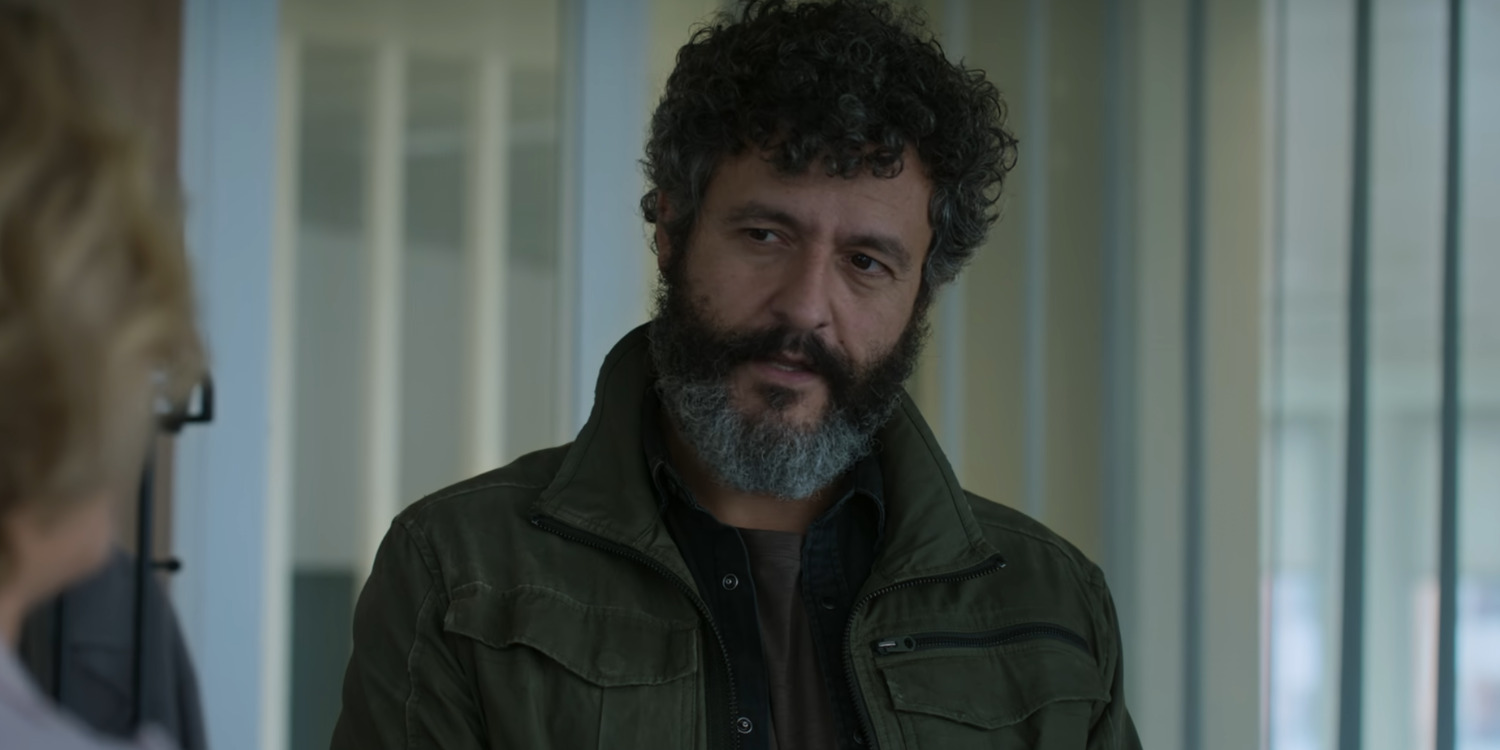
Created by Jorge Torregrossa, ‘City of Shadows’ presents a story where a string of brutal killings bridges Barcelona’s present with its past. Originally titled ‘Ciudad de Sombras,’ the Netflix Spanish show follows the story of Milo Malart, a suspended police officer, who is called back into the field in the wake of a gruesome murder. An unidentified group has abducted a wealthy businessman, only to hoist and burn his body from the balcony of the iconic Gaudí building, La Pedrera – Casa Milà.
As Milo begins investigating the case alongside his new partner, Deputy Inspector Rebeca Garrido, the crime-solving duo begins to believe the incident is the first of multiple public executions conducted by a vengeful group of masked serial killers, coined as Gaudí’s Shadow. Nonetheless, with ample interdepartmental corruption and personal trauma standing in their way, the two officer have their work cut out for them with this highly elusive case. The show employs Barcelona’s real-life architectural culture to ground its narrative in a sense of realism. Thus, the crime-driven narrative’s roots in reality become worth exploring.
City of Shadows is Based on Aro Sáinz de la Maza’s Crime Novel
‘City of Shadows’ is a work of fiction based on the similarly fictitious book ‘El Verdugo de Gaudí’ (‘Gaudí’s Executioner’) by crime novelist Aro Sáinz de la Maza. The novel, published in 2012, is the first installment in the ‘Milo Malart’ tetralogy, wherein the namesake protagonist helms the narrative as a tormented Barcelona detective. The series starter sports a base premise where the public immolation of a businessman, atop a building designed by the historical architect Antoni Gaudí, leads to the reinstating of Milo Malart, who becomes the lead officer on the case. As such, it’s evident that the show presents an authentic adaptation of the first book, retaining the basic plotlines, characters, and even the 2010 period setting.
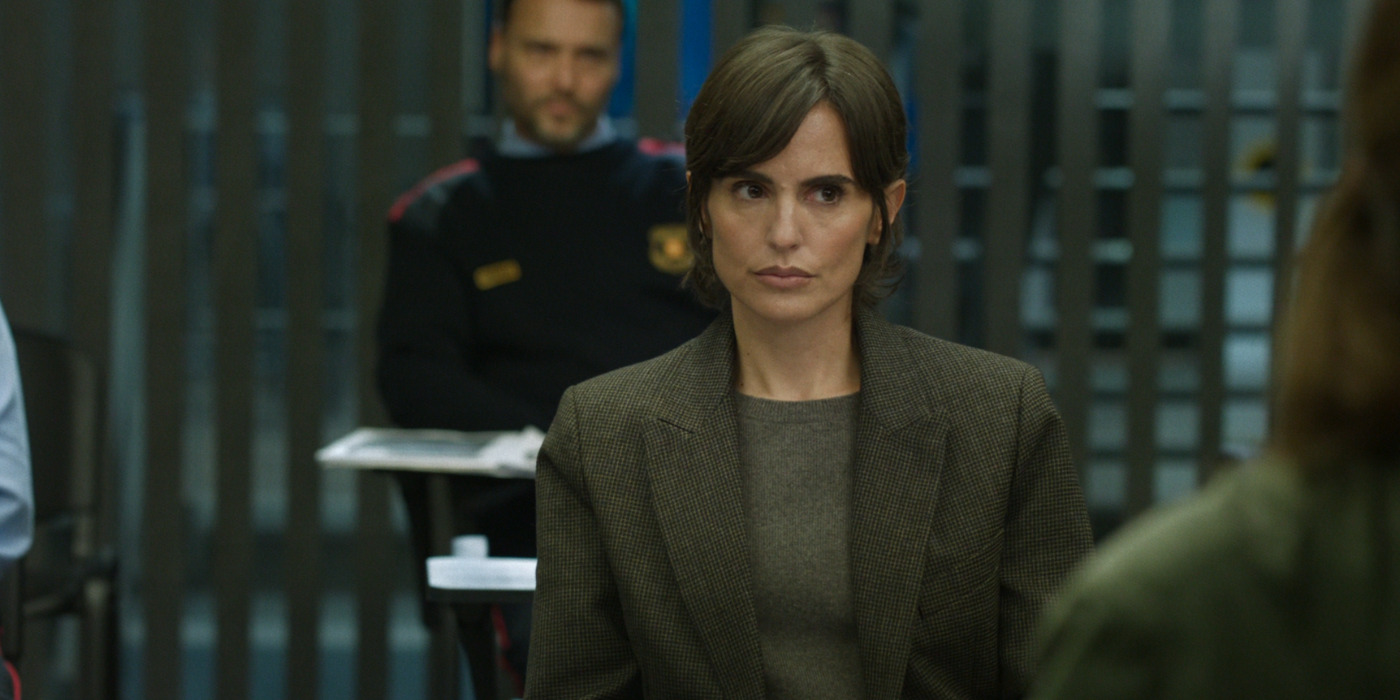
However, while the on-screen adaptation strives to be faithful to the source material, it also undertakes the occasional divergence when necessary. For instance, some aspects of the central revenge-fueled killing spree had to be condensed and changed to fit the television format. Additionally, one of the central characters, Rebeca Garrido, finds a notable departure from her literary counterpart. In the show, the Deputy Inspector takes on a significantly heightened role as Milo’s partner, balancing out his more emotionally driven intuitions with her pragmatic and logical approach. Yet, despite these changes, creator Jorge Torregrossa and his team of screenwriters, including Clara Esparrach and Carlos López, kept the essence of Milo’s characterization intentionally similar to Maza’s books. Reportedly, this was a request specifically made by the author regarding the TV adaptation. Ultimately, the show’s connection to the original crime novels allows it to possess roots in familiar genre tropes and cliches that lend the story a sense of realism despite its lack of basis in a true story.
City of Shadows Centers Its Crime Plotline Around the City of Barcelona
One of the notable aspects of ‘City of Shadows’ that grounds the fictitious series in reality stems from its intricate connection to the city of Barcelona. The story, set in the Spanish city, remains significantly interwoven with the local culture and history, particularly through architectural connections. The central antagonists, Gaudí’s Shadows, are a group of serial killers who target influential, powerful, and often wealthy public figures. Following the abduction of their targets, the group stages a public execution wherein the victims are burned at notable buildings, usually ones connected to the Catalan architect Antoni Gaudí. As a result, multiple real-life locations, such as La Pedrera – Casa Milà, Palau Güell, Colonia Güell, Basílica de la Sagrada Família, and more, become crucial parts of the storyline.
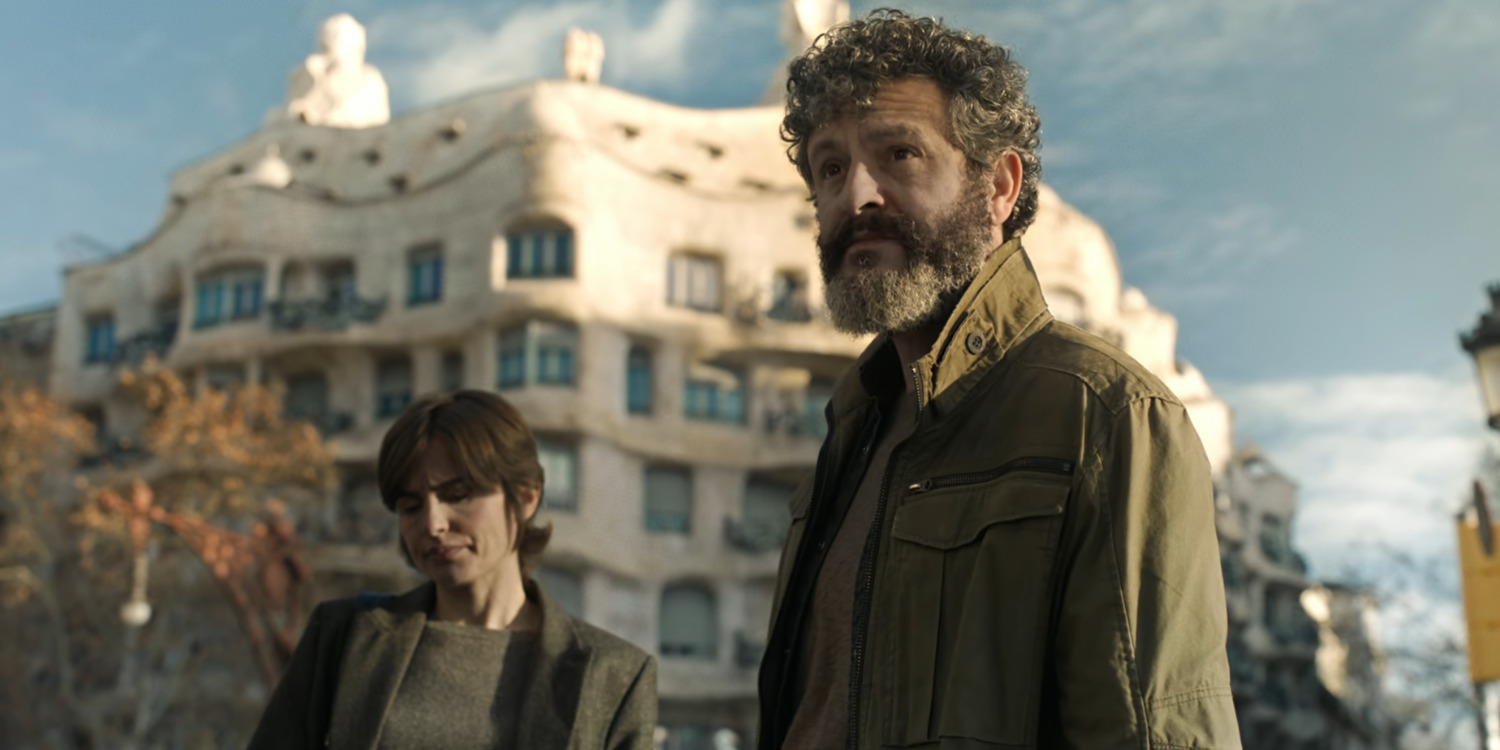
The fact that many of these real-life locations, including the La Pedrera – Casa Milà church, were employed as actual filming locations during the series’ production adds a sense of authenticity to their on-screen depiction. By employing the real-life counterparts behind these world-renowned places, the series strengthens its ties to reality, highlighting the significance of these locations. Additionally, the narrative sports a subliminal but notable criticism of the city’s tourist culture as well as the widening class divide, which results in the unhousing of numerous residents. The focus on these topics, alongside brief history lessons on Barcelona’s cultural shifts through the years, allows the crime fiction tale to deepen its roots in realism.
Gaudí’s Shadow Are Fictional Killers That Highlight the Plights of the Juvenile Care Systems
Much like the series itself, Gaudí’s Shadows, the central antagonists of ‘City of Shadows’ are also works of fiction. They were created specifically in the service of the narrative and possess no pre-existing off-screen counterparts, outside of Aro Sáinz de la Maza’s work. Still, their narrative charts several storylines that showcase certain aspects of reality. For one, serial killers aren’t all that uncommon in the history of Barcelona. There’s the infamous Enriqueta Martí Ripollés, aka The Vampire of Barcelona, a child serial killer and procuress. She was known to hunt the streets of the city in the early 1900s, abducting children, trafficking them into prostitution, and harvesting their organs. Nonetheless, Martí Ripollés and other serial killers who have terrorized the city of Barcelona over the years sport no clear connection to the on-screen Gaudí’s Shadow.
For the most part, the latter’s thematic purpose in the story lies in the highlighting of the abuse that many face in juvenile care systems worldwide. Guadi’s Shadow operates on a vengeance-driven mission that is directly influenced by the abuse and violence that they suffered in their childhood while living in a juvenile facility as orphans. Their backstory, though a work of fiction, reflects the horrifying reality of orphanages, foster care, and other child care facilities. Some research suggests that 93% of children with experience in institutionalized settings reported physical maltreatment. Another report shows that out of 1053 children in institutional care, 50.3% reported experience with physical or sexual abuse. As such, these real-life statistics present a sobering context for the storyline of the Guadi Shadow. Even so, the serial killer group ultimately remains a fictional part of the fictitious show.


You must be logged in to post a comment.