
 Abhiroop Das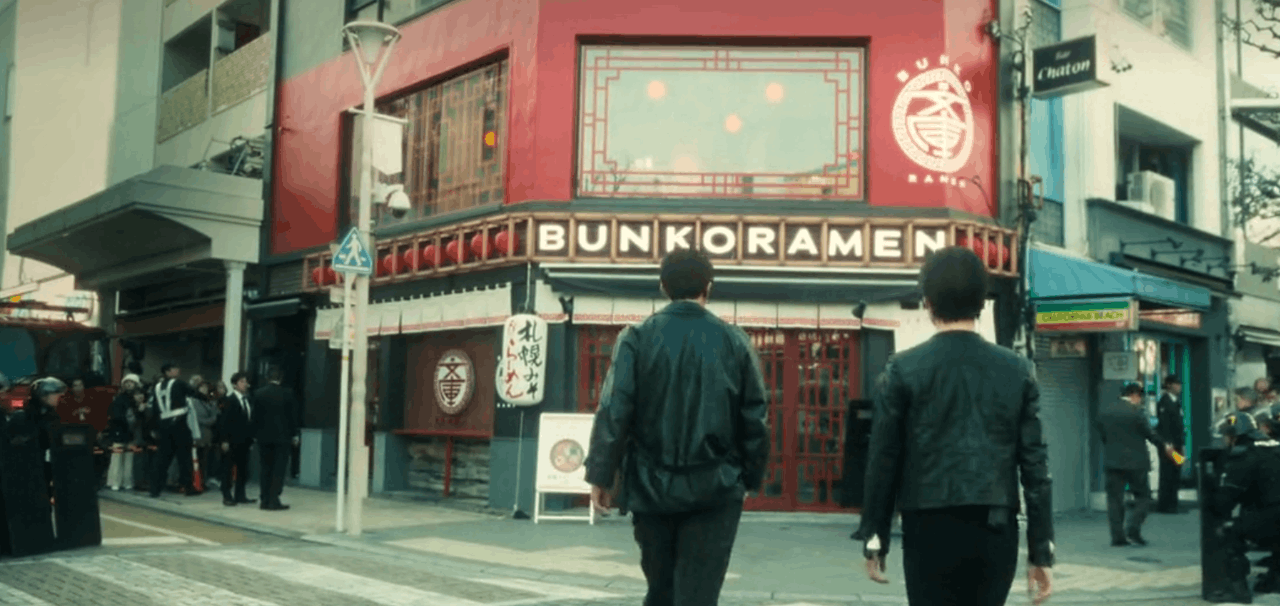
With Yeon Sang-ho as the showrunner, Netflix’s ‘Human Vapor,’ or ‘Gasu Ningen,’ is a loose reimagining of the Japanese movie ‘Human Vapor,’ in which a fairly ordinary murder mystery meets the supernatural. When a string of politically charged murders leaves Japan shaken, a mysteriously untraceable man takes responsibility for the crime and even offers to tell everything to the world. However, what makes him a truly terrifying opponent is the fact that he can turn into a gaseous substance, swiftly cutting through any defenses his target may put up. When the man announces his willingness to give an interview at Bunko Ramen, the entire nation’s eyes turn towards the semi-popular restaurant. However, the truths buried beneath this shop prove to be bigger than the police’s wildest imagination, making it a perennially relevant backdrop for this sci-fi mystery.
Bunko Ramen is a Fictional Setting Loosely Referencing a Real-Life Ramen Shop
Bunko Ramen is the name of a fictional restaurant created specifically for the world of ‘Human Vapor,’ by writer Yeon Sang-ho and Ryu Yong-jae. While the series itself is vaguely based on the cult classic Japanese movie of the same name, Bunko Ramen as a setting is wholly original to the show. What makes it stand out from other locational highlights in the series, though, is its narrative significance. The ramen shop is important enough to the plot that there is an entire flashback episode named after it. Thus, it makes sense for the creators to go the extra mile in making the restaurant as believable as possible.
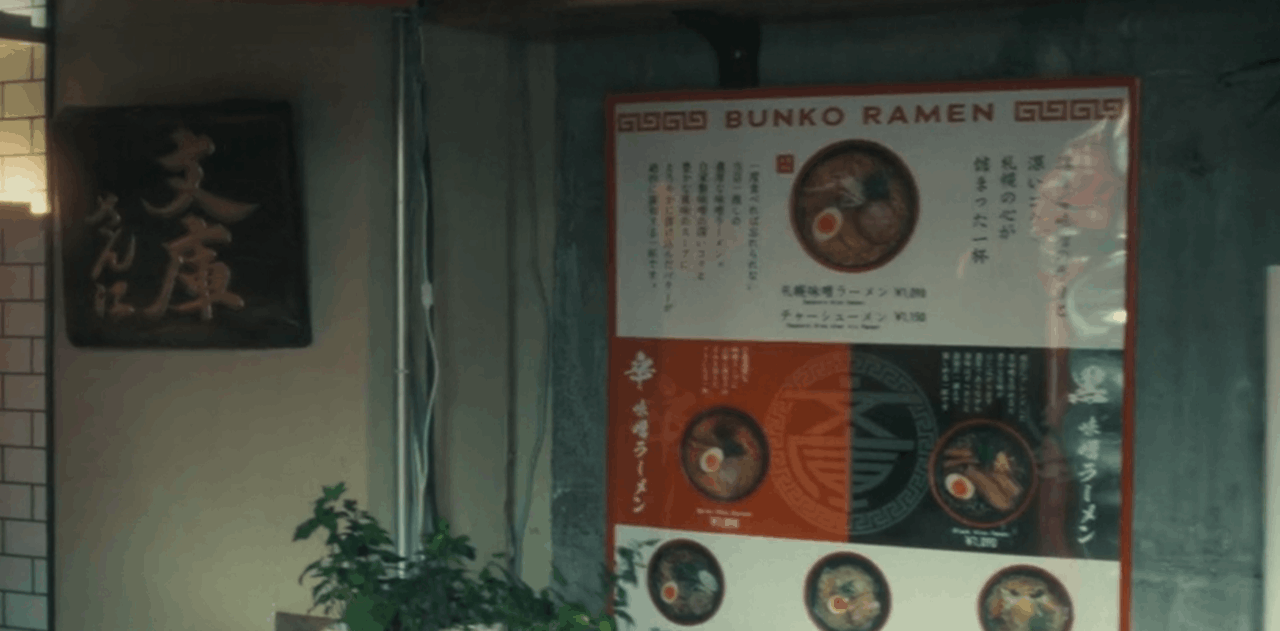
In a conversation with SciFi Japan, director Shinzô Katayama revealed that the idea of focusing on a ramen shop is loosely connected to his research into every detail of the show. In this case, he took inspiration from the fact that the family of Sôkichi Onoda, one of the co-producers, runs a ramen shop. While Bunko Ramen isn’t necessarily a direct nod to this real-life restaurant, it still adds a level of interconnectedness. To that end, it’s likely that the crew drew inspiration from real-life ramen chains, restaurants, and diners with a similar style, but ultimately, its role in the larger narrative is a work of fiction.
The Two Different Versions of Bunko Ramen Were Filmed in Real Locations
While Bunko Ramen may be a creative construct, its filming process tells a story in and of itself. Unlike the rest of the series, which was largely taped in carefully designed TOHO studio stages, located at 1-4-1 Seijo, Setagaya-ku, in Tokyo, Bunko Ramen is brought to life via practical filming methods. Notably, the show features two versions of the shop, one that is modern and in use, and the other, which is supposed to be the original location that is currently in dire straits. For the filming of the new Bunko Ramen, the creative crew reportedly took over the busiest hubs of Shizuoka city, with a large-scale enclosure coming into play to lens some of the complicated sequences.
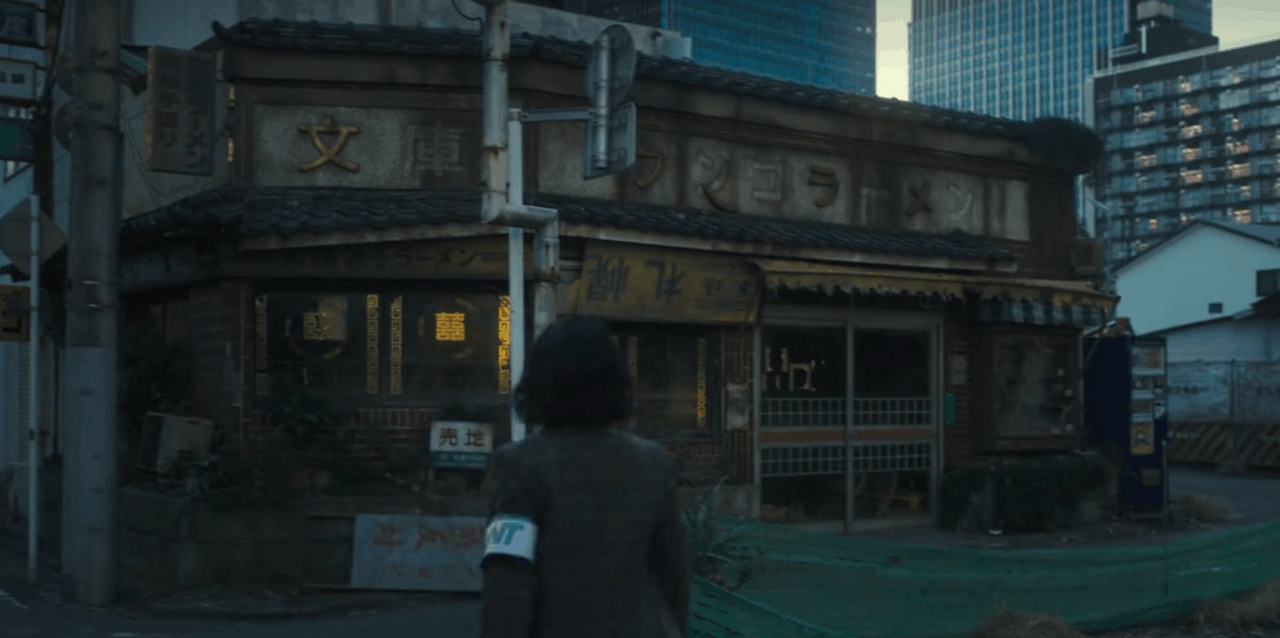
For the original Bunko Ramen, the creative team set their sights on an existing sushi restaurant, which was intricately redressed to look like a ruin, and then turned into a fictional ramen shop. By filming both variations in a non-simulated setting, the creators allowed for greater expressive freedom, which is especially relevant when the star of the series is a figure that can turn into vapor, destroying everything in sight. That is not the only thing that was done for the sake of realism. Director Shinzô Katayama also decided to add lines of dialogue for the character of the Bunko Ramen owner so that he feels like a more fleshed-out character. Ultimately, the fact that Bunko Ramen doesn’t exist in real life pales in comparison to how it has become a part of the Human Vapor canon, both in terms of lore and aesthetics.
Read More: Is Undertone a True Story? Is it a Real Podcast? Is Abyzou Based on a Real Demonic Spirit?


You must be logged in to post a comment.