
 Aahana Swrup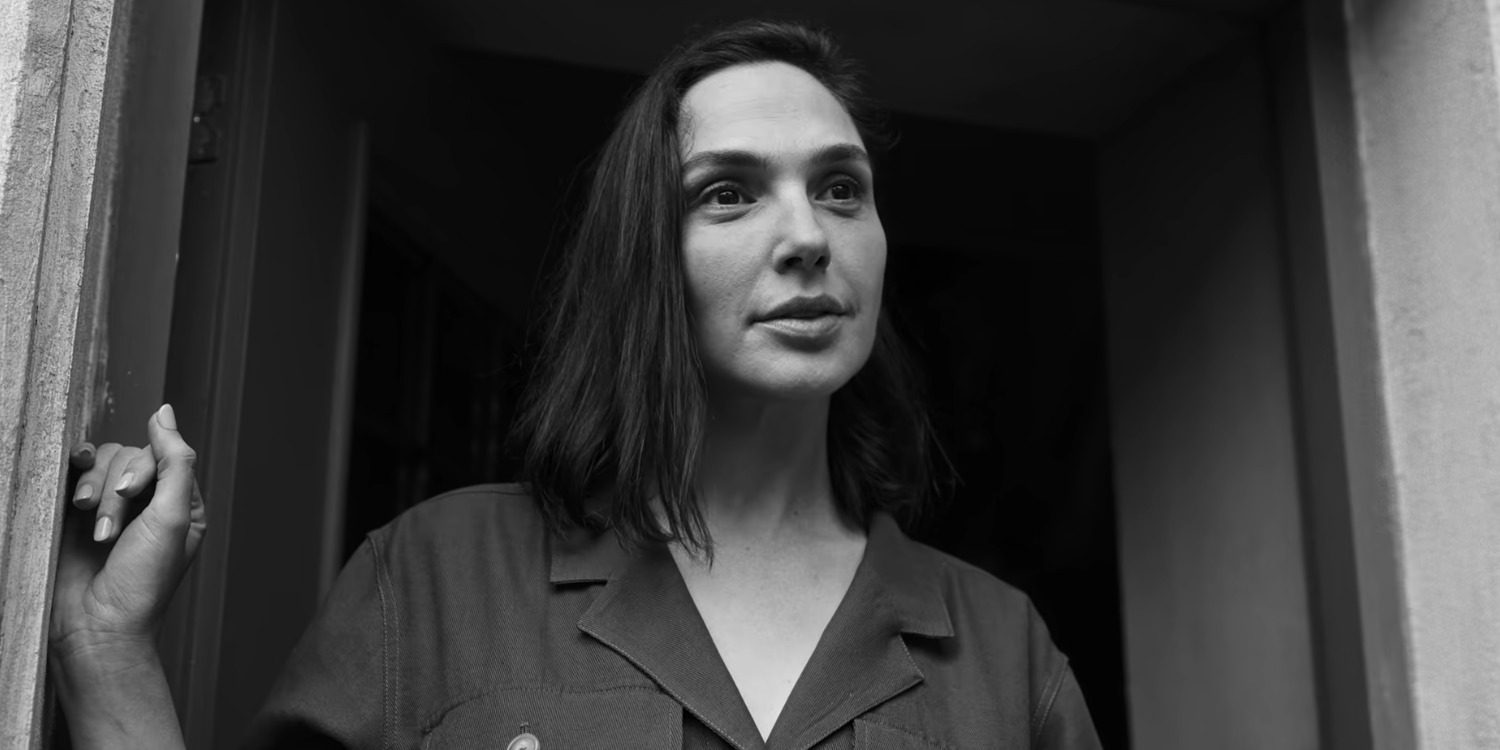
‘In the Hand of Dante’ tells a story in which two timelines conjoin over the significance of one invaluable artifact. Dante Alighieri, an Italian poet of the Middle Ages, pens down his great masterpiece, ‘Divine Comedy,’ in Florence, Italy, in the 1300s. Around 700 years in the future, this original manuscript of the ancient work is discovered. However, before the discovery can go public, it has already become a coveted item in the global criminal underworld.
A New York-based mafia boss, Joe Black, sets his sights on the artifact and employs the help of Nick Tosches, a regular writer who happens to be an academic enthusiast of Dante’s work, to authenticate the item. However, the writer ends up looking out for number one and stealing the manuscript for himself. As he embarks on the highly dangerous task of authenticating the manuscript without alerting others to its existence, Giulietta, his temporary assistant, proves to be his only reliable partner-in-crime.
Giulietta is a Fictional Character Created For the Story
‘In the Hand of Dante’ charts a narrative that is partially inspired by history and partially a complete work of fiction. The film retains a dual timeline, where two different but kindred stories unravel at the same time. One of the storylines, centering around Dante Alighieri in the 14th century, finds a more tangible basis in reality. However, the other storyline, revolving around Nick Tosche’s discovery of Dante’s manuscript, is solidly confined in the world of fictionality. Giulietta’s character belongs to the latter category. Despite its fictitious origin, an interesting thread of reality is interlaced within Nick’s on-screen narrative. The film itself is based on the eponymous novel by Nick Tosches.
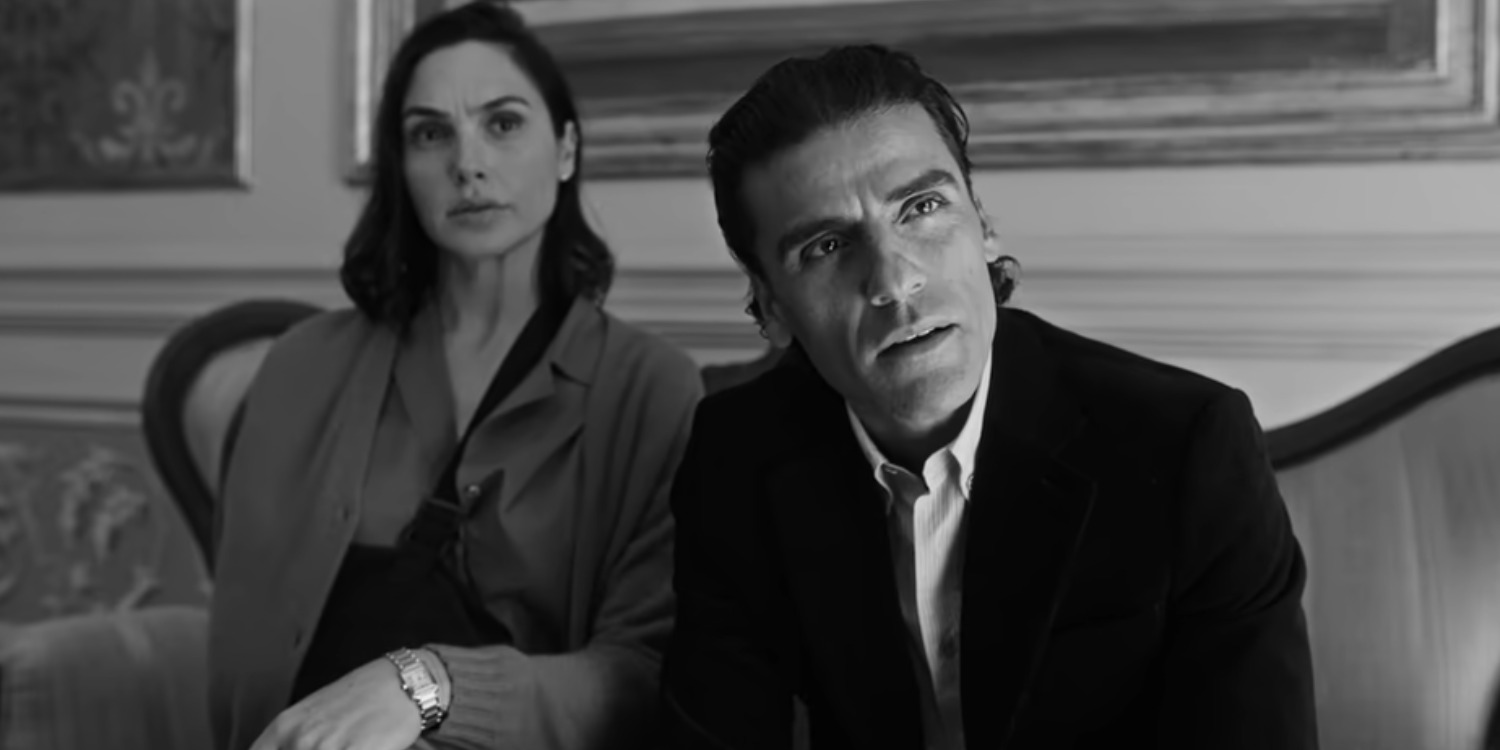
In the book, Tosches uses a self-insert fictionalization of himself as the protagonist, retaining a connection between the character and the author’s real identity. However, he fictionalizes the world around his bookish counterpart. This means that the adventures Nick embarks on, the people he meets, and even the manuscript that becomes the nucleus of his tale are all fictional elements created in service of the story. In real life, Tosches was briefly married to a woman named Sunny in 1972. Although little is known about the couple or their marriage, the timeline itself separates the real-life woman from the fictionalized character of Giulietta, who enters the on-screen Nick’s life in the 2000s.
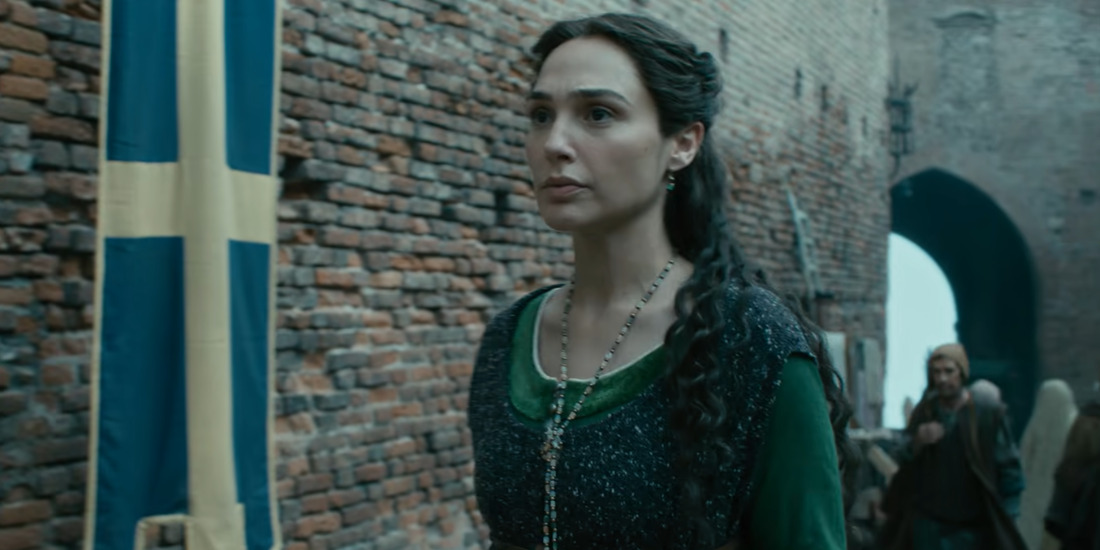
In Tosches’ novel, and subsequently Julian Schnabel’s cinematic adaptation of it, Giulietta is meant to exist as a parallel to Gemma di Manetto Donati, the real wife of Dante Alighieri. The story circles around the idea that Nick is a reincarnation of the Italian poet, paralleling his physical chase after Dante’s original manuscript with the latter’s spiritual search after it. Consequently, much like how their pursuit of the manuscript is a narrative equivalent, the same is applicable to their respective relationships with Giulietta/Gemma. One of the defining and remembered aspects of the real Dante Alighieri’s marriage remains the fact that the poet never wrote any poems for his wife. Instead, Beatrice Portinari, a girl he fell in love with as a young boy, was a constant muse for his work. For Nick’s story, the narrative flips this reality, making Giulietta the center of his desires and true love. Thus, although the character lacks a tangible basis in author Tosche’s life, she possesses artistic inspiration from the life of Dante Alighieri.
Read More: In the Hand of Dante: Is Isle of the Damned a Real Place?


You must be logged in to post a comment.