
 Abhiroop Das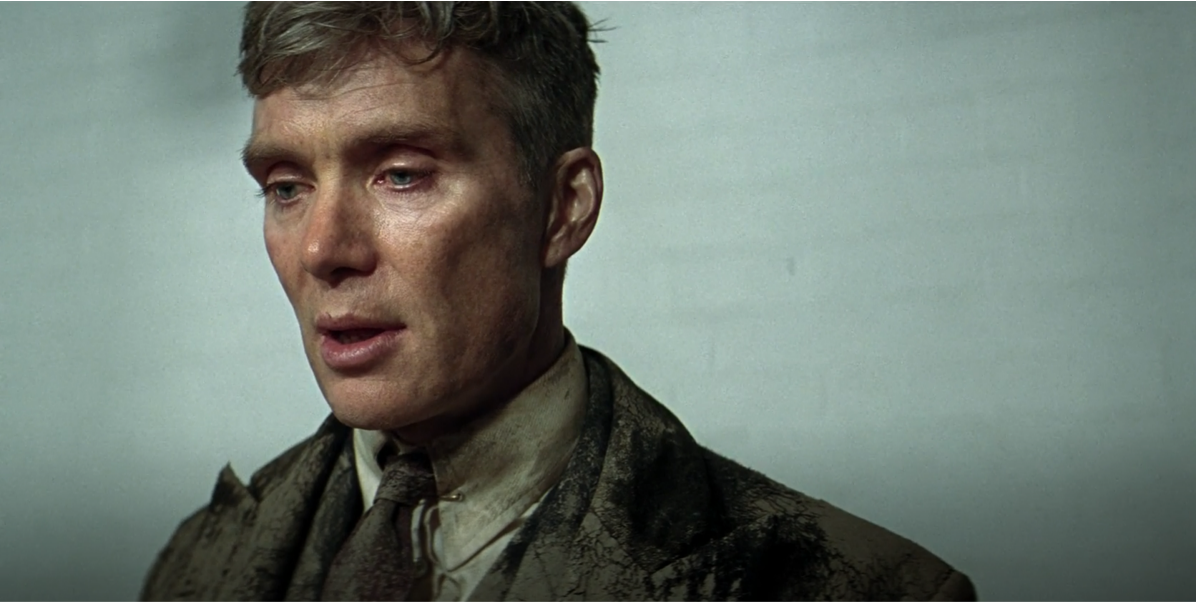
Helmed by Tom Harper, Netflix’s ‘Peaky Blinders: The Immortal Man‘ skips ahead five years following the events of ‘Peaky Blinders’ season 6. With Tommy now out of the business, the streets of Birmingham are taken over by his son, Duke, who shows no affinity towards stable ruling. His father, on the other hand, takes on writing in the woods, but is still hopelessly tormented by phantom visions of the bygone. These two disparate threads are brought together by the perils of war, which threaten to bring ruin to the city.
Some, however, have a different plan for securing a German win over Britain, and that cannot be achieved without the help of the Peaky Blinders. Before long, Tommy finds himself swept back into the world he left behind, all to stop his son from repeating his sins. As such, while the period crime drama movie is largely about legacy, both of the series and of its characters, its world is nonetheless baked into historical conflict, with World War II as its focal point.
The Peaky Blinders Movie is Steven Knight’s Love Letter to His Fans, With a Lesson in History
Just as the larger world of ‘Peaky Blinders’ is loosely inspired by the real history of Birmingham’s organized crime scene, some events from ‘Peaky Blinders: The Immortal Man’ are also informed by reality. Specifically, the movie provides a fictional take on Operation Bernhard, a Nazi German practice of forging counterfeit British currency. While it is likely that Steven Knight did a deep dive on the subject and then dramatized it with the Peaky Blinders in mind, much of the movie’s more emotional beats remain firmly in the realm of fiction, specifically when it comes to Tommy and Duke.
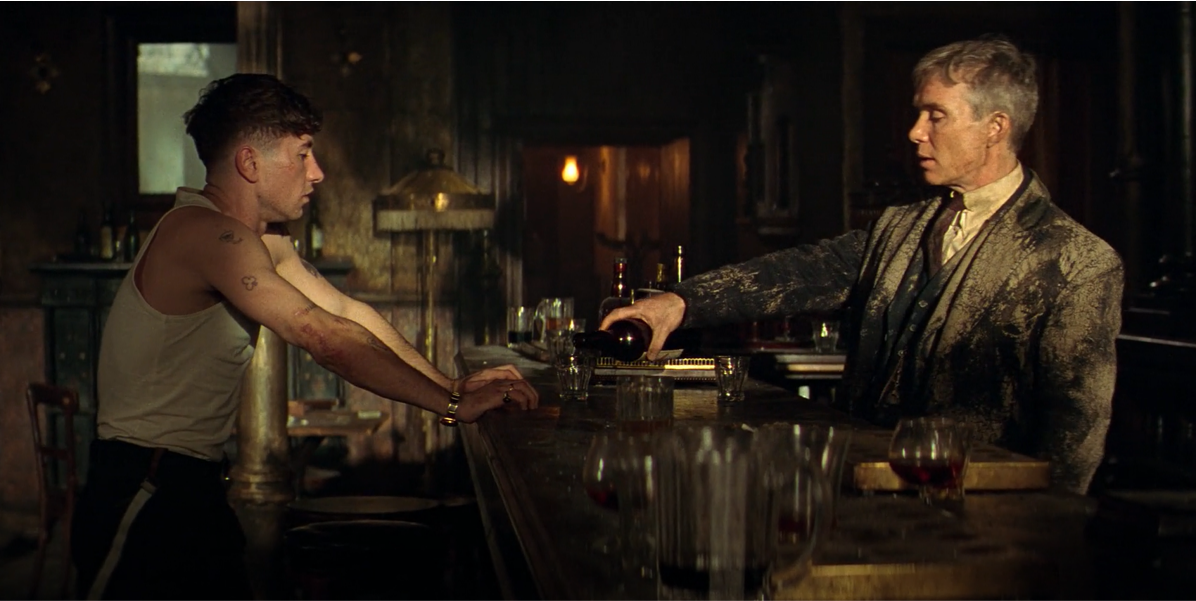
In a conversation with The Playlist, Knight revealed that one of the reasons he wanted to make a ‘Peaky Blinders’ movie was to give “the ‘Peaky’ fans who have been a big part of this, the way they found it,” a treat. As Knight has recalled numerous times, he was drawn to the aesthetics of the original Peaky Blinders, and as the show grew and spread to newer audiences via word of mouth, he found himself surrounded by a community that truly loves the story. As such, his intention with the movie was to bring fans worldwide together in a physical space, in this case a theatre, where fans “can sit there together and watch this thing happen.”
Peaky Blinders: The Immortal Man Reimagines Real Events From World War II
While the Peaky Blinders’ tale in the show is heavily fictionalized, the movie starts out with a close-to-real description of Operation Bernhard before branching out with fictional plot beats. In the early 1940s, the Nazi government’s intelligence unit, known as the Sicherheitsdienst (SD), reportedly devised a plan to print fake British banknotes and ship them to Britain. All of this was done in the hopes of destabilizing the British economy by inducing rapid inflation. Based on reports, the unit tasked with this exercise successfully duplicated the actual rag paper used by the British, and then figured out the exact alphanumeric code that gave each note its distinct identity. This, coupled with their near-identical engraving blocks, led to the production of an estimated 100-300 million pounds in fake currency.
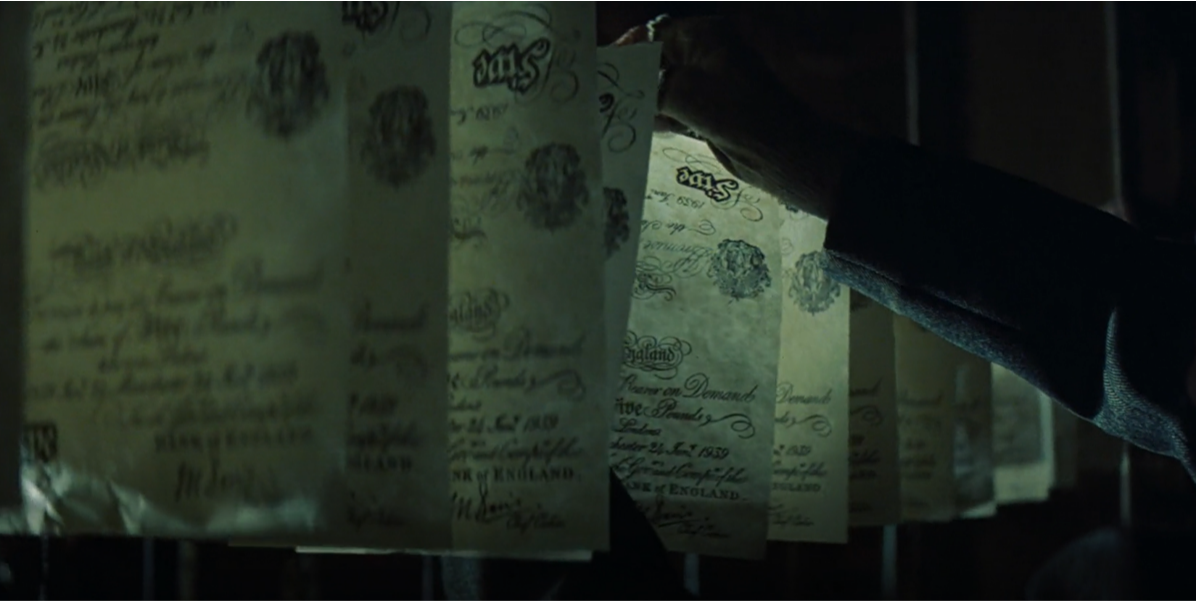
Although the operation, initially known as Operation Andreas, was shut down by the Nazi government in early 1942, it was reportedly revived in June of the same year by Heinrich Himmler, albeit with a different purpose. Instead of flooding the British economy with counterfeit currency, Himmler intended the exercise to fund German intelligence operations. It’s been reported that the newly reformed unit selected Jewish people incarcerated in the Sachsenhausen concentration camp to work on the fake currency. An estimated 140 prisoners were employed in Sachsenhausen between 1943 and 1945, during which time millions worth of counterfeit goods were produced. The notes were categorized into four grades, and while the highest quality was reserved for Nazi spies and other neutral transactions, it was reportedly decided that grade 3 qualities were deemed fit to ship to Britain.
The Real Operation Bernhard Played Out Differently Than its Film Counterpart
The depiction of Operation Bernhard in ‘Peaky Blinders: The Immortal Man’ blends together fact and fiction to create a plot-beat more suited to dramatic scenes. In particular, it presents the shipment of currency into Britain as the primary goal of the exercise, when in reality, only a small portion of the manufactured notes were even considered for that plan. Furthermore, it introduces fictionalized representations of real figures, who are then connected to the operation, alongside the Peaky Blinders. This includes figures such as the British politician John Beckett, who, in reality, has no records of ever being connected to Operation Andreas or Bernhard.
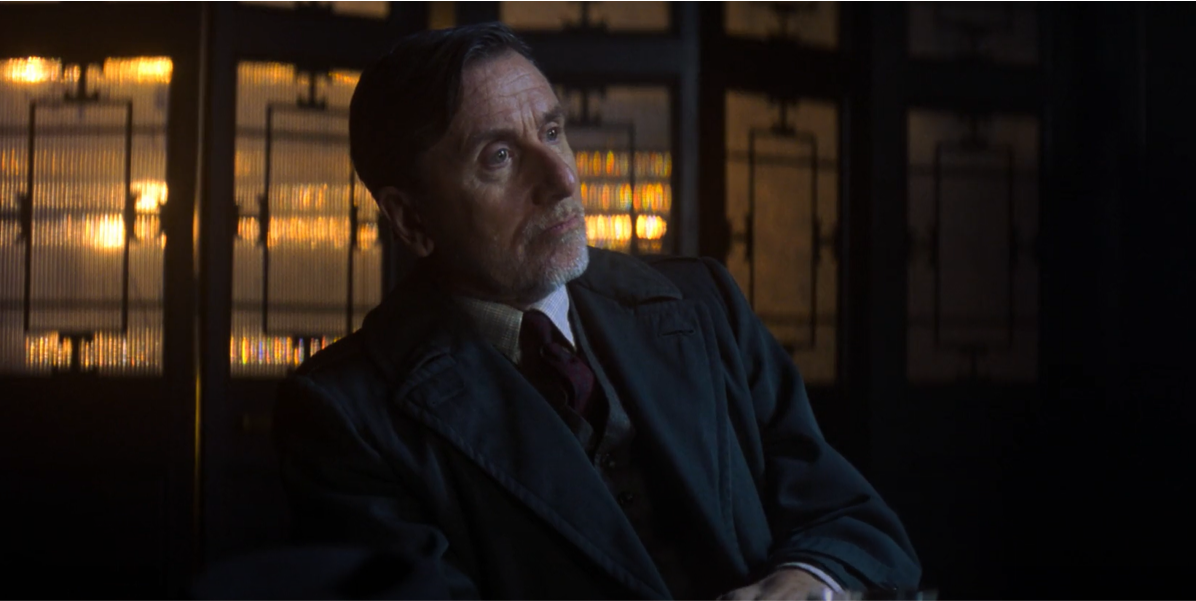
In real life, production of counterfeit currency stopped sometime between February and early March 1945, a few months before the Nazis were defeated by the Allied Forces. Prisoners were reportedly tasked with disposing of the money, either by burning or sinking it in water, before they were relocated to the Ebensee concentration camp. The original plan of sending these notes to Britain was nipped in the bud due to a report the British government received in 1939, detailing the Nazi plan in advance. By 1940, the government had issued a blue emergency £1 note, which could be authenticated via its metal threading. The movie’s depiction of the counterfeit money, on the other hand, largely comes from the combined creative efforts of the writing team.
Read More: Peaky Blinders The Immortal Man Ending Explained: Is Tommy Dead? Why Does Duke Kill Him?


You must be logged in to post a comment.