
 Aahana Swrup
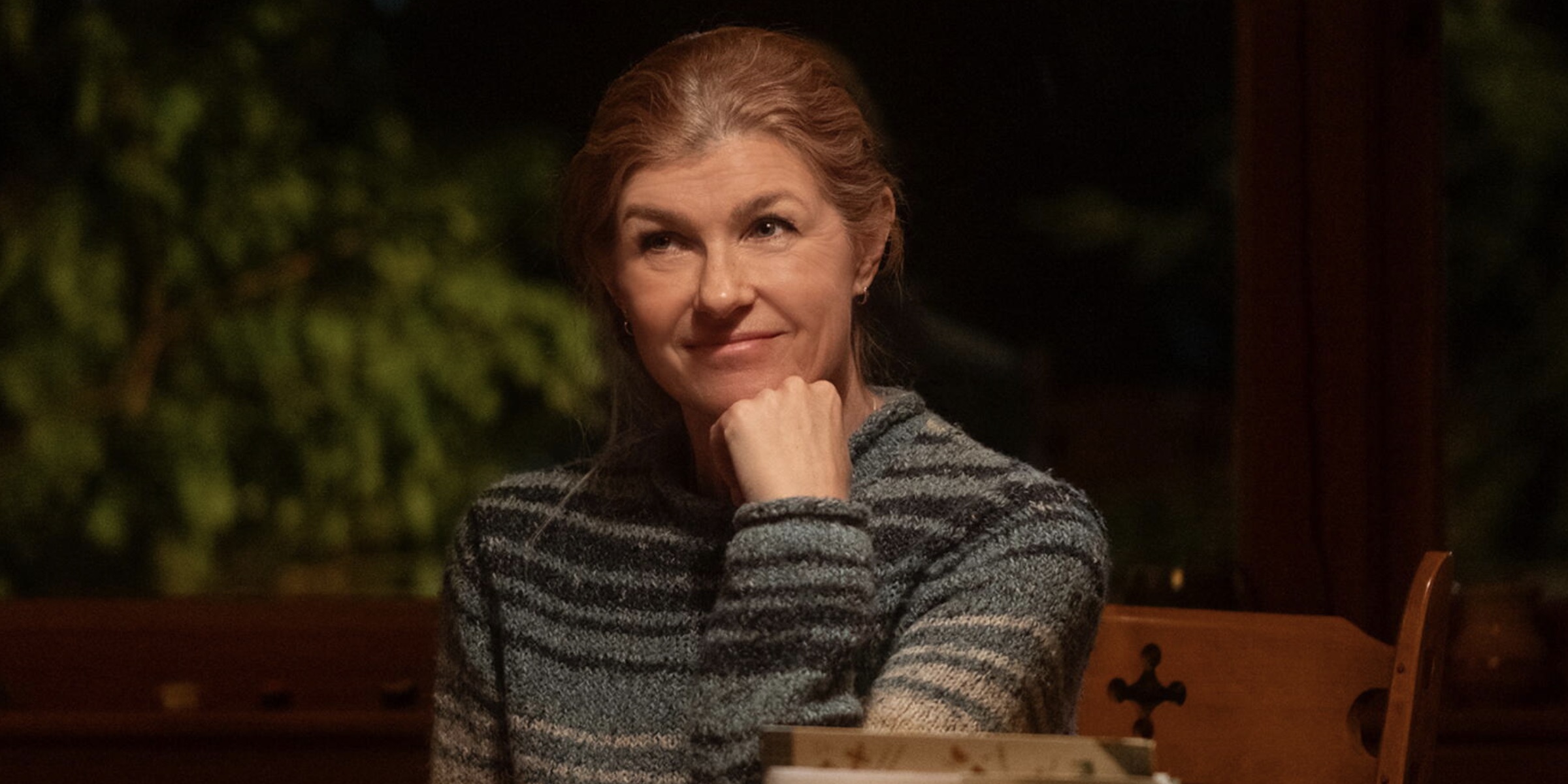
Created by Nick Paley, ‘Phony’ is a comedy-thriller series that features an eerie dilemma at the center of its storyline. Sonny is a teenager who loves his life. He and his girlfriend, Chloe, are going steady, and his social life is bustling at Delby High School. Most importantly, he has a deeply profound connection with his mother, Ellen, who is also his best friend. However, things take a drastic turn after a car accident sends the protagonist into a brief coma. When Sonny wakes in the aftermath of the incident, he becomes convinced that his mother is not who she claims to be.
The woman now sharing his home and his life looks and acts similar to his mother, but there’s a distinct feeling of something being out of place. However, the teenager seems to be the only one who can notice these startling distinctions. As such, he becomes convinced that his mother has been replaced by an imposter, which sends him down a reckless search for the truth. Even though the show’s premise seems outlandish, the inter-character dynamics, motives, and themes explored within the story allow the audience to resonate with Sonny and his unique plight.
Phony is Inspired by Nick Paley’s Childhood Fear
The story presented in ‘Phony’ is a work of fiction that isn’t directly based on any real-life incidents. However, the series draws notable inspiration from the experiences of director Nick Paley, who also served as the show’s writer alongside Michelle Badillo. As a child, Paley harbored an intense fear of losing his mother. In a conversation with TV Insider, the creator spoke about his own experience and shared, “I was in first grade, and I would be like crying, not wanting her to drive, because I was like, driving is the most dangerous thing you can do. Anytime she was late, I would just like assume something horrible happened, and so that core fear was part of the origination of the idea.”
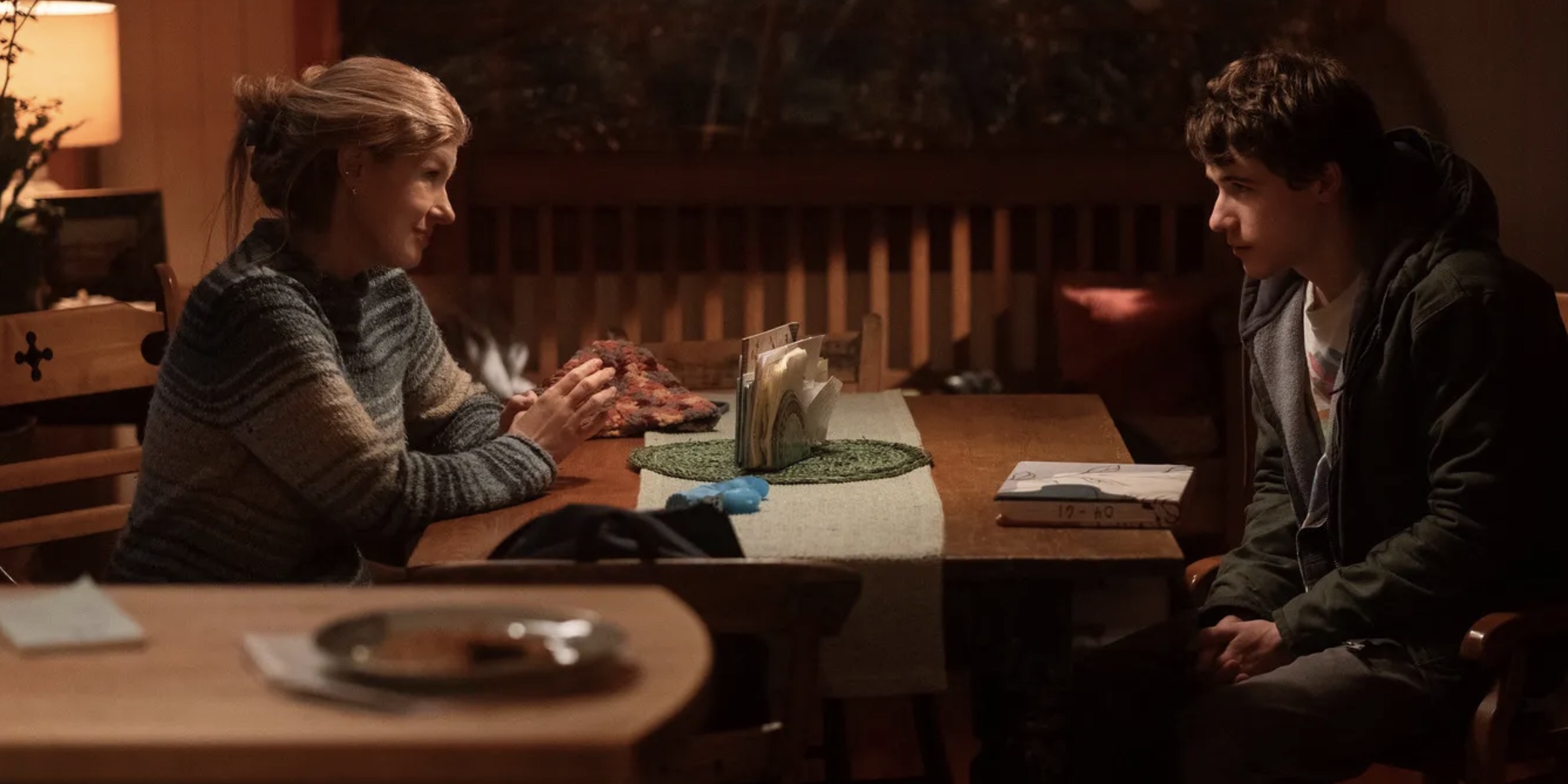
As a result, the foundational idea in ‘Phony’ of a child fearing something has happened to his mother, who is his closest companion and caretaker, is directly rooted in Paley’s real-life fears and anxieties. Naturally, this connection also lends itself to different aspects of the show, its characters and their narratives. For instance, the creator has shared that his mother “shares some DNA with Ellen.” Additionally, some of the interpersonal dynamics between the central mother-son duo on screen are also a reflection of parts of the creator’s actual relationship with his mother. For the most part, this allows Sonny and Ellen’s dynamic to feel fleshed-out, lived-in, and authentic.
As a result, the viewers are more likely to recognize themselves and their experiences in these characters, which further heightens the show’s subliminal horror elements. On the other hand, this tense mixture of fear and distrust between Sonny and Ellen creates an additional thematic layer that explores the ways in which a parent-child relationship evolves over the years. Actress Connie Britton discussed the same in an interview with the Los Angeles Times. She said, “What I really loved about this story is that ultimately for me it feels like a metaphor of what happens between a parent and their child during those teenage years when the teenager is naturally and organically supposed to be separating.” As such, the story’s basis in Paley’s real experiences ultimately grounds the fictional series in reality.
Phony Utilizes the Capgras Syndrome as a Vehicle For Horror
Around the same time that Nick Paley was working on the early development of ‘Phony,’ he learned about Capgras Syndrome. Even though by then his own childhood fear had become the basis for the story, the reality of the delusional misidentification syndrome inevitably became an influential factor in the series. Capgras Syndrome is a psychological condition in which one might have a false but strong belief that an imposter has infiltrated their family or friend circle. There can be multiple reasons for this syndrome to develop, including brain injury, neurodegenerative diseases, and more. Naturally, the premise of the central conflict in the story finds a link to this real-life condition, adding a sense of tangible medical horror to Sonny’s narrative.

Despite not taking initial inspiration from Capgras Syndrome, Paley did his research on the condition and even opened up the floor for it to become a point of discussion with the actors. “Sometimes people have it after just a traumatic experience, and it’s been sort of unnerving … to bring the story out and talk to people and find out that actually it’s more common than you would think,” the creator told the Los Angeles Times. Ultimately, although ‘Phony’ touches upon concepts and ideas that are related to Capgras Syndrome, the show itself isn’t based on any individual’s real-life experience with the psychological condition. Ultimately, the characters and their storylines remain confined within the borders of fictionalization.
Read More: Where is Hulu’s Phony Filmed?


You must be logged in to post a comment.