
 Abhiroop Das
Created by Julie Gearey, Netflix’s ‘Unchosen‘ follows Rosie as she navigates life in an elusive cult that is closed off from the larger world. At the Fellowship of the Divine, using modern technology is a sin, women are forced to be subservient, and questioning methods is strictly forbidden. With Rosie’s husband, Adam, being one of the important figures in the group, she finds herself helplessly caged in this lifestyle, all the while being desperate for a way out. Enter Sam Devlin, an escaped convict who quickly makes himself at home in the cult, and yet secretly harbors beliefs that do not fit in.
As Sam spends more time with Rosie, her worldview begins to shift, leading her to question the skewed power dynamics in her life that she has come to accept as normal. In capturing the story of an oppressive cult, the psychological thriller series paints a vividly realistic portrait of how trauma affects an individual, as well as a community.
The Story of Unchosen Originated From a Personal Experience in the Writer’s Life
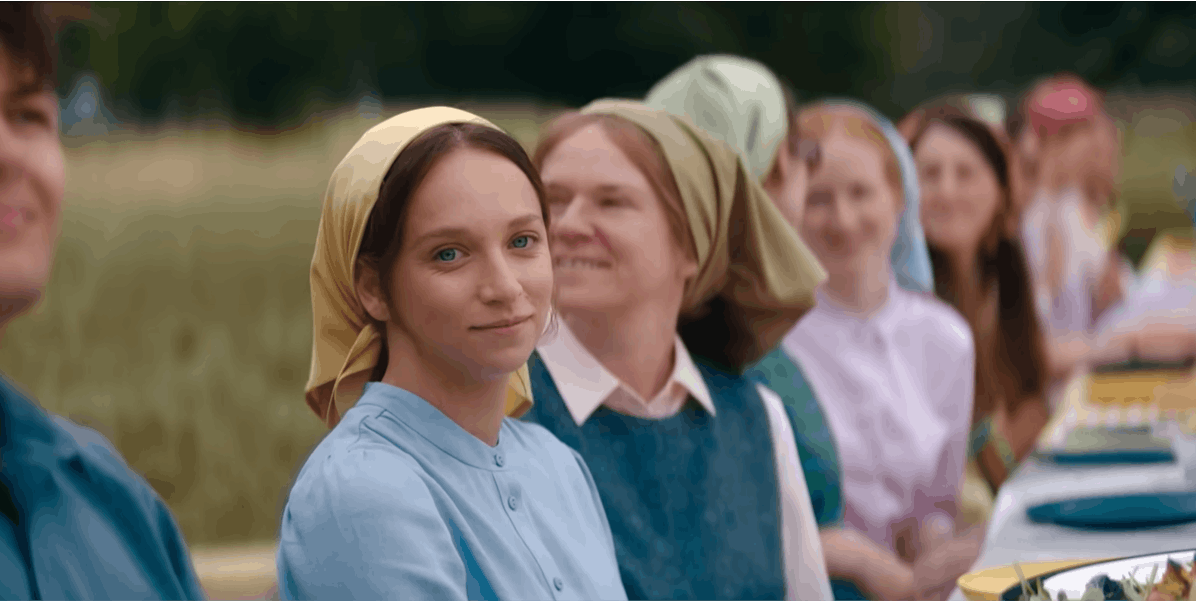
‘Unchosen’ is a fictional story penned by writer Julie Gearey, broadly inspired by her research into real-life British cults. The idea for the show sprouted in her mind after a chance encounter with a religious woman at a grocery store several years ago. In a conversation with Tudum, the writer recalled that the woman was young, dressed in complete traditional attire, and accompanied by many children. When their eyes met, and they smiled, Gearey began wondering about the woman’s life after she went home. “We are a similar age, we have similar-age kids,” she thought, “and yet I’m going my way into the mainstream world, and she’s going left into her world.” Though Gearey never saw the woman again, this brief encounter became the foundation for Rosie, the main character of ‘Unchosen.’
Much of how Gearey conceptualized the inner workings of cults came from her research into both real-life cults and sects, as well as her discussions with former cult members. Director Jim Loach also told The Independent that Gearey grew up in a region of South England where cults weren’t uncommon. He added that it was a place “where some people at school were going home to mums and dads who were in cults.” With similar experiences likely forming the backdrop to her research, Gearey took to the internet in search of people who have escaped or cut ties with cults and sects. A collection of such experiences, along with her research into real-life groups, helped create the fictional cult of the show, named Fellowship of the Divine.
Extensive Research Into Real-Life Cults Gives Fellowship of the Divine its Identity
After connecting with a number of people, Gearey chanced upon a new challenge, that of conveying their experiences in a way that didn’t trace back to them. Before going forward with the show, she found it imperative to assure the survivors she was working with that “nobody watching the show would ever recognize them, and, secondly, that whatever they had to say about the emotional experience of being involved, we would try to respect and reflect as truthfully as possible within the show.” To maintain a degree of separation, Gearey and her creative team likely developed a story and characters from scratch, using real-life experiences strictly as a reference point for realism.
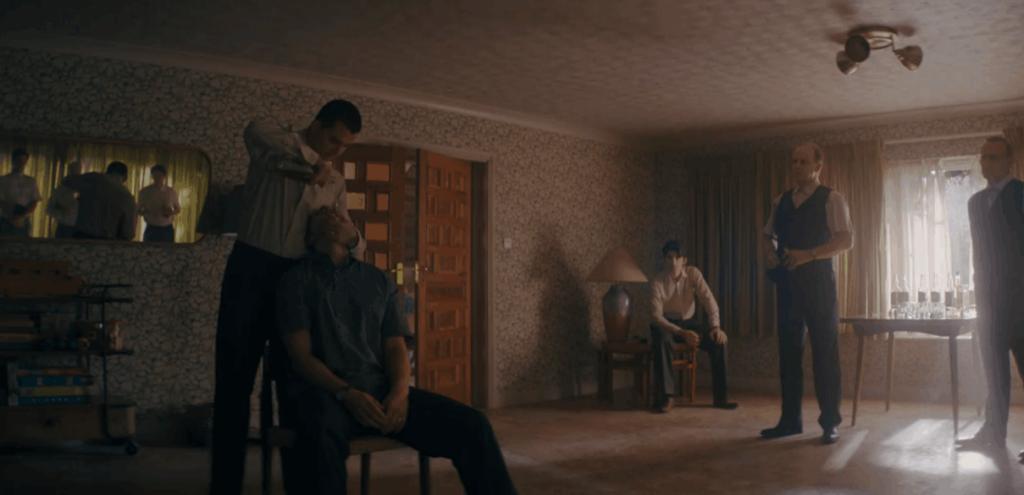
One thing that stood out to Gearey during the research process was the story of former cult members who were discriminated against on the basis of their sexuality. “That was a story that kept coming up again and again, if you’re not straight, there’s no place for you,” she told Tudum. In her show, sexuality and sexual expression both become major narrative points, with characters often questioning the oppressive practices of the cult within that context. Another moment from the show that vaguely draws from real incidents is when alcohol is used for torture. Gearey recalled speaking to former members of a cult that used alcohol during high-pressure events as a coercive measure. The writer identified alcoholism as a recurring problem amongst cults, and incorporated that into her story.
Director Jim Loach Was Compelled by the Stories of Former Cult Members
Amongst the many real-life stories uncovered by Gearey and her team, the one that affected Jim Loach the most was that of a woman who was cast out of a sect, but missed it. He explained, “She was forbidden from going back to the meeting hall, so she sat outside to listen to the singing (…) unseen by the other cult members.” Loach was intrigued by how cults are often discussed as a source of community and solidarity, and found it important to contrast them with how patriarchy and abuse of power and complete social isolation play into such dynamics.
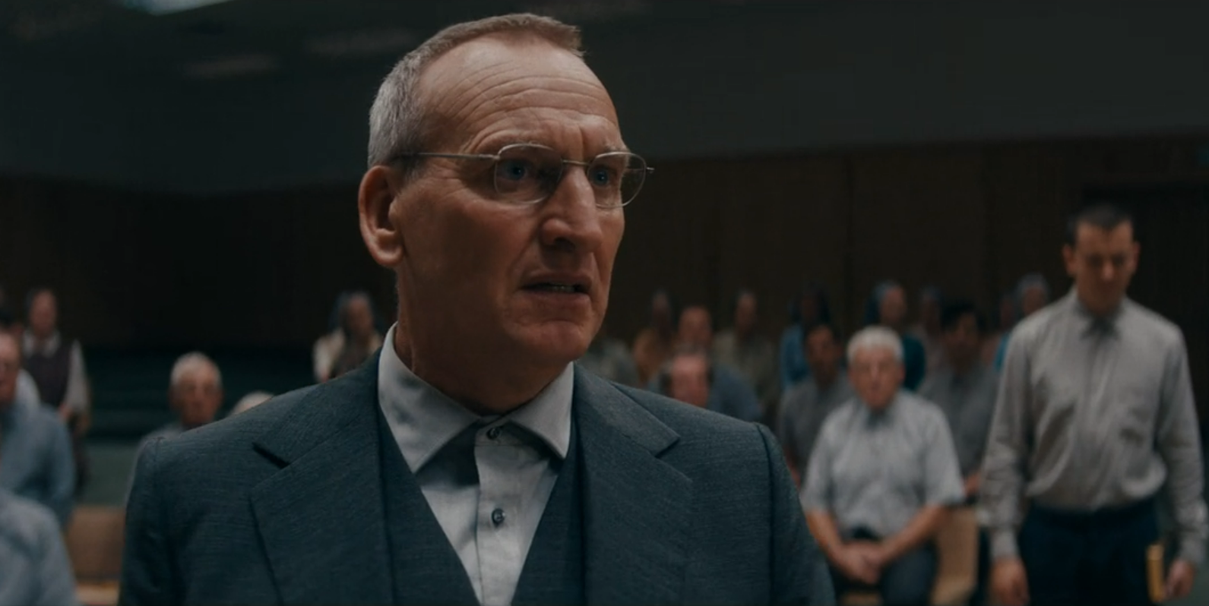
During his interview with The Independent, Loach also shone a light on how public conception about cults can play a direct role in their functioning. “I’d always assumed that all cults are in North America, and there, they operate with a tyranny of distance,” he said, contrasting it with how, in his experience, British cult members lead a life that is “adjacent and close by but not interacting with others at all.” He recalled Gearey saying that cults in the UK often resemble an extended family, and complex sociopolitical conditions are what contribute to the rise of such beliefs and sects. She recognized that large cults typically provide food, housing, and community, making them a secure social structure, insofar as their methods go unquestioned. As such, the story of ‘Unchosen’ concerns itself with a genuine inquiry into the foundations of cults and their beliefs.
Reportedly, the cast of ‘Unchosen’ even got a chance to film scenes inside a meeting hall formerly used by a cult. Loach recalled that the hall had no windows and only a single, electrical sliding door, which quickly created an unsettling vibe on set. While Gearey, Loach, and their team constructed a fictional cult session in that room, most of their story draws from a collage of real-life experiences of a similar nature, which is what gives the narrative its strength.
Read More: Where Was Netflix’s Unchosen Filmed?


You must be logged in to post a comment.