
 Aahana Swrup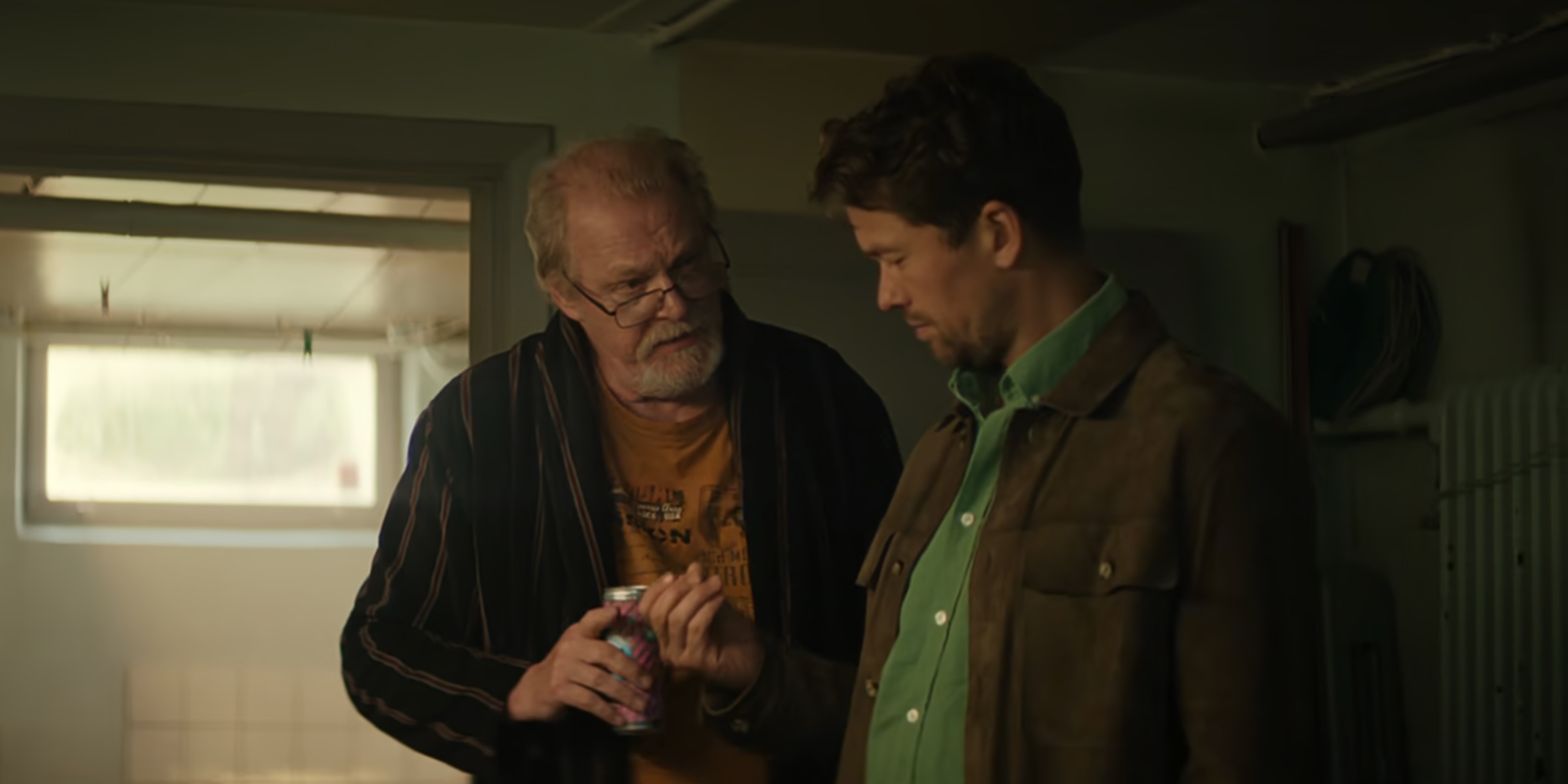
‘Blood Sacrifice’ (Originally titled ‘Blodsoffer’) presents a thrilling crime drama series in which the police are on the hunt after a killer who is targeting their own. Created by George Kay, the series revolves around Thomas Berg, a Stockholm-based homicide detective who oversees the investigation into an unnerving series of murders. The killer, who always strikes at the same time every night on Friday, has been going after police officers, luring them into his hunting ground through distressed 112 emergency calls.
Each murder is connected to the last one, and as the bodies begin to pile up, so does the danger against those who are meant to be the face of justice and safety. As the overwhelming mystery builds, Thomas finds himself back in his estranged father’s orbit, employing his unofficial help in catching the wanted killer. The Swedish series dives into the inner lives of the law enforcement officers, exploring the negative impacts of the job to present a realistic narrative.
Blood Sacrifice Follows the Crimes of a Fictional Killer Targeting Police Officers
Creator George Kay is an English screenwriter best known for shows such as ‘Lupin,’ ‘Gone,’ ‘Hijack,’ and more. He penned the story of ‘Blood Sacrifice’ with contributions from Aron Levander and Emilie Robson as script writers. Despite its crime-driven foundation, no real-life cases or criminals have directly served as an inspiration for the series, rendering the narrative and its characters entirely fictitious. Even so, the premise of the story itself isn’t devoid of realistic elements. The show centers around a series of killings in which law enforcement officers become the consistent victims.
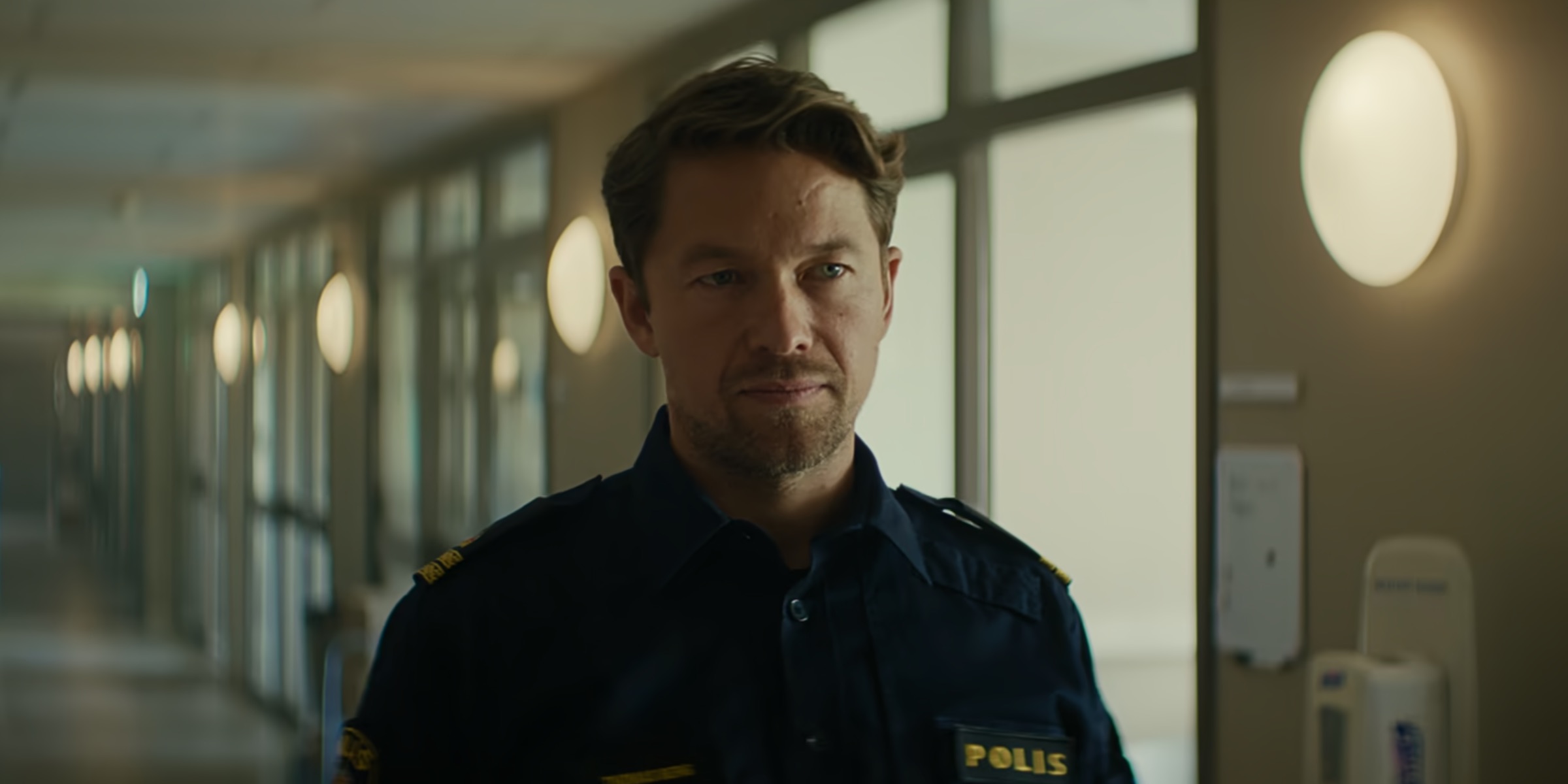
Moreover, as the narrative unravels, Thomas begins to suspect that the unknown killer is another police officer. In real life, there have been horrifying, though rare, historical instances where law enforcement officers were exposed as perpetrators of severe crimes. Most notably, Gerard John Schaefer AKA the Killer Cop, is a suspected serial killer with ties to law enforcement. He was a sheriff’s deputy in Martin County, Florida. In 1973, the authorities convicted him of the murder of two teenage girls and sentenced him to two life terms in prison. Over the years, he has also been suspected of multiple other murders, though without conviction. He was stabbed and killed in December 1995 while serving his sentence.
Historically, Schaefer remains one of the most notorious murderers who exploited the benefits of his law enforcement badge to commit a series of heinous crimes. Likewise, there have been various other killers and murderers with similar roots in the police. Still, there have been no recorded instances of a killer with similar ties who targeted the police department in their crimes. Therefore, while aspects of the foundation in ‘Blood Sacrifice’ line up with reality, the details of the plot set the show strictly apart from reality. Ultimately, the story itself has no tangible roots in reality, retaining a largely fictitious premise. Yet, through this fictionalized story, the show explores realistic ideas and themes.
Blood Sacrifice Explores the Negative Impact of Police Work on Law Enforcement Officers
One of the pivotal themes of ‘Blood Sacrifices’ is the exploration of the mental toll police work takes on those in the field. Off the bat, the narrative follows the lives of two officers: Thomas Berg, a leading homicide detective in the country, and his father, Alfred, who was fired from the same position in his prime due to behavioral issues. The tension between the estranged father-son duo throughout the series stems from Alfred’s less-than-ideal presence as a father in his son’s life during his formative years. Conversely, this fraught history between the two defines Thomas’ own relationship with his profession, his desire to do better, and his understanding of his own pitfalls.

Additionally, once the killer is suspected to be a cop himself, the story dives deeper into the negative impact of the job. The show examines the effect that regular exposure to traumatizing events has on police officers and how it translates into their own exploitation of power. Furthermore, it delves into the pervasive structural and systemic issues in law enforcement. In real life, police wellness and its deteriorating state remain a crucial and pressing social issue. Statistics suggest that 50% of law enforcement officers experience heightened anger, 35% reportedly experience PTSD, similar conditions, and 11% have suicidal ideations.
These statistics were also found to have tangible effects on officers’ relationships with their work. As a result, the mental health crisis among police officers has become a significant concern for public health. ‘Blood Sacrifice’ highlights the same through the nuanced and personal dynamic between Thomas and Alfred. Similarly, it employs a more critical and pedantic lens as it dives into the gruesome killings, their perpetrators, and their motives. In the end, this allows the show to retain a sense of authenticity in its depiction of police work and the dark reality of that world. Even though the elements of this worldbuilding remain confined to fictionality, the project achieves a sense of realism through its thematic identity.
Read More: Blood Sacrifice Ending Explained: Who is the 112 Killer?


You must be logged in to post a comment.