
 Aahana Swrup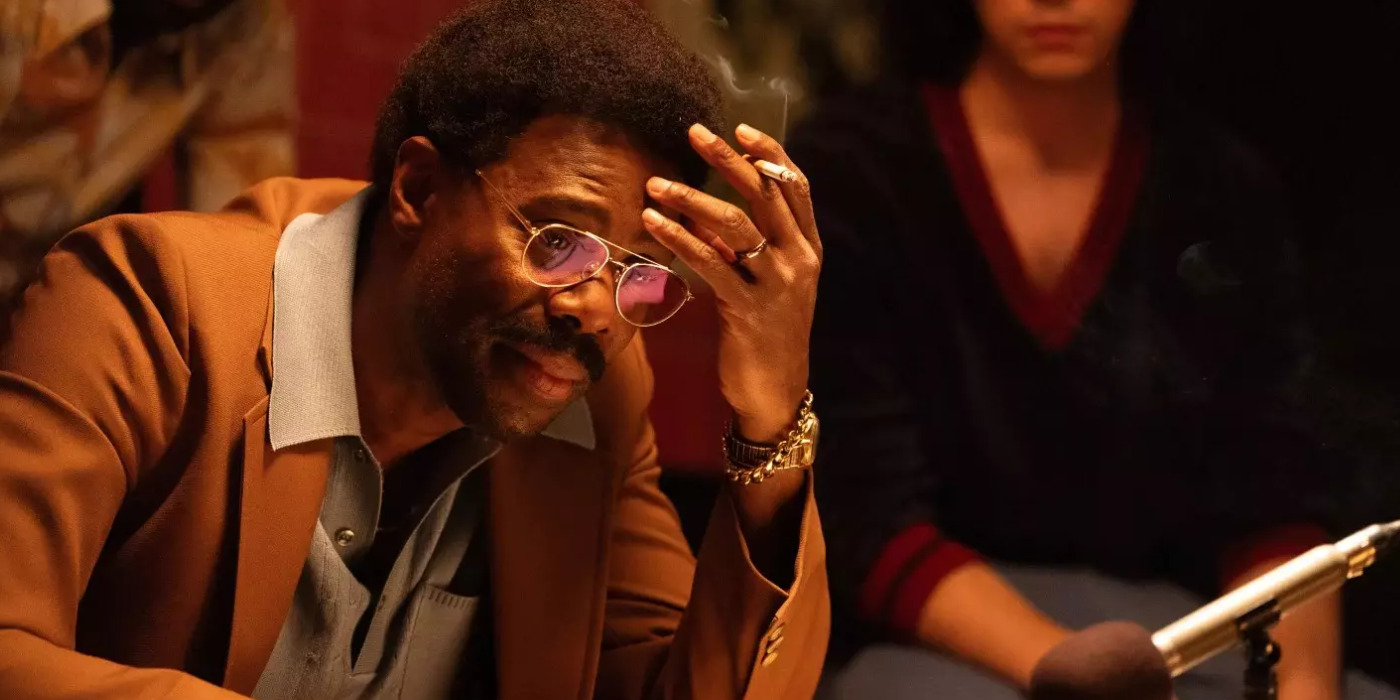
Set in 1977, ‘Dead Man’s Wire’ is a period-piece film that mines real historical and biographical inspiration from a true crime incident. The film follows the narrative of Tony Kiritsis, a man on a dangerous path toward vengeance. The Indianapolis-based real-estate developer believes that the loan company Meridian Mortgage has wronged him and sabotaged his chances at success. As a result, he decides to take matters into his own hands by kidnapping Richard Hall, the son of the company’s president, and holding him hostage in his apartment until his demands are met.
During this 63-hour-long standoff between him, his victim, and the authorities surrounding his apartment complex, Tony reaches out to Fred Temple, a local radio personality, to share his side of the story. In turn, the WCYD radio host agrees to entertain this line of communication in an attempt to ensure the hostage’s safety. Thus, the character ends up retaining a notable influence on the film’s narrative, leaving his origins worth exploring.
Fred Temple is Inspired by the Real Indianapolis Radio Newsman, Fred Heckman
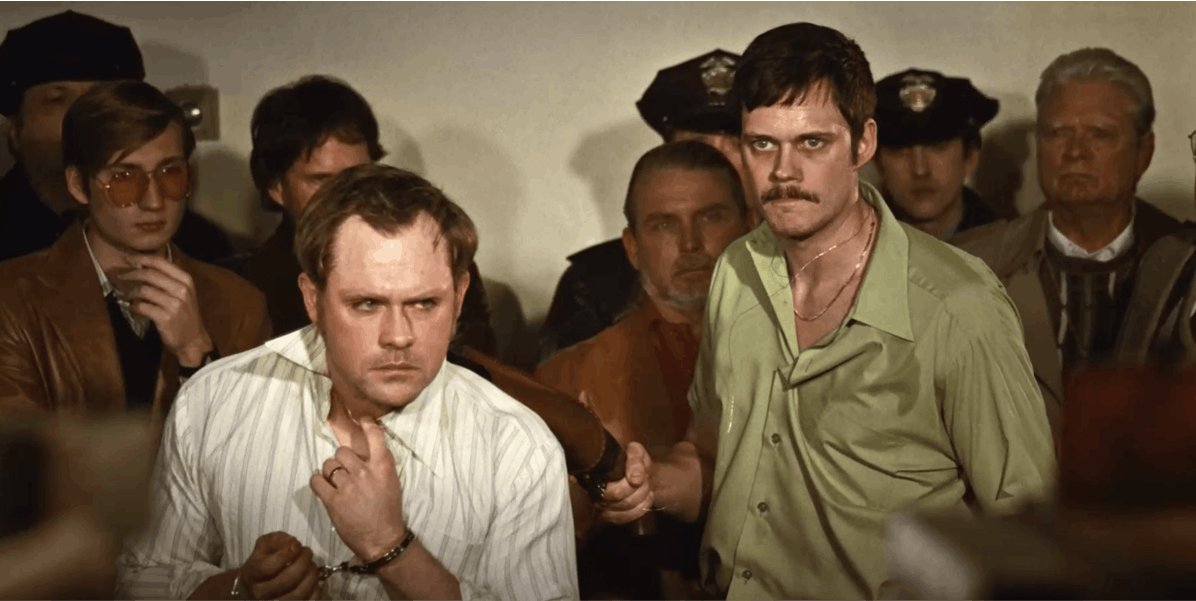
‘Dead Man’s Wire’ retains a grounded basis in the real-life hostage incident that took place in Indianapolis, Indiana, in February 1977. The central characters, Tony Kiritsis and Richard Hall, are directly based on their eponymous real-life counterparts. Likewise, the overall narrative remains reflective of the real events that unfolded during the hostage situation. Even so, the film intentionally diverges from reality in certain aspects of the story. This is most easily evident in the characterization of Fred Temple, a local radio show host, who gets roped into the incident as a confidant for Tony and a reliable source for the authorities. In real life, this role was fulfilled by a radio newsman named Fred Heckman.
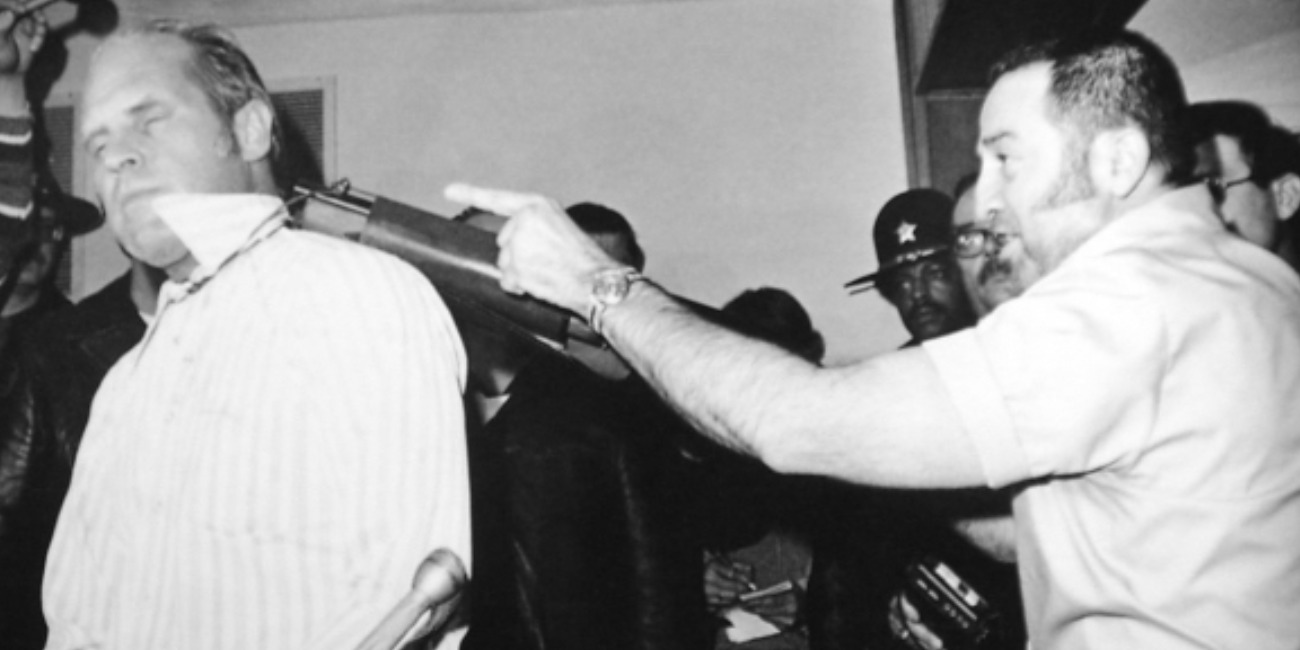
Over the course of February 8 to February 10, 1977, Fred Heckman remained in contact with the real Tony Kiritsis, while he kept Richard O. Hall hostage in his Crestwood Village apartment. The kidnapper had reached out to the radio personality, known as the most trusted newsman in Indianapolis at the time, in an effort to put his own perspective out in the media in the midst of overwhelming coverage. The newsman agreed to become a liaison of sorts between Kiritsis and the people, airing their recorded conversations on the air. At the same time, unbeknownst to the kidnapper, Heckman continued working with the police and the FBI. In the film, Colman Domingo’s Temple occupies the same role.
However, Temple’s on-screen characterization as a radio host remains notably distinct from the on-air identity of Heckman. While the former is a radio DJ who brings a certain era-appropriate groove to the story, the latter was a newsman with strict and professional journalistic standards. He was best known for his radio essays titled ‘My Town Indy.’ Although the character and his real-life inspiration retain notable differences in terms of their style and careers, their involvement in the hostage incident remains identical. Therefore, Temple becomes a fictionalized version of Heckman. Similarly, WCYD, Temple’s radio station, proves to be the on-screen fictionalization for WIBC-AM, the radio station where Heckman had a 32-year career.
Read More: Is Michael Grable Based on a Real Police Detective?


You must be logged in to post a comment.