
 Aahana Swrup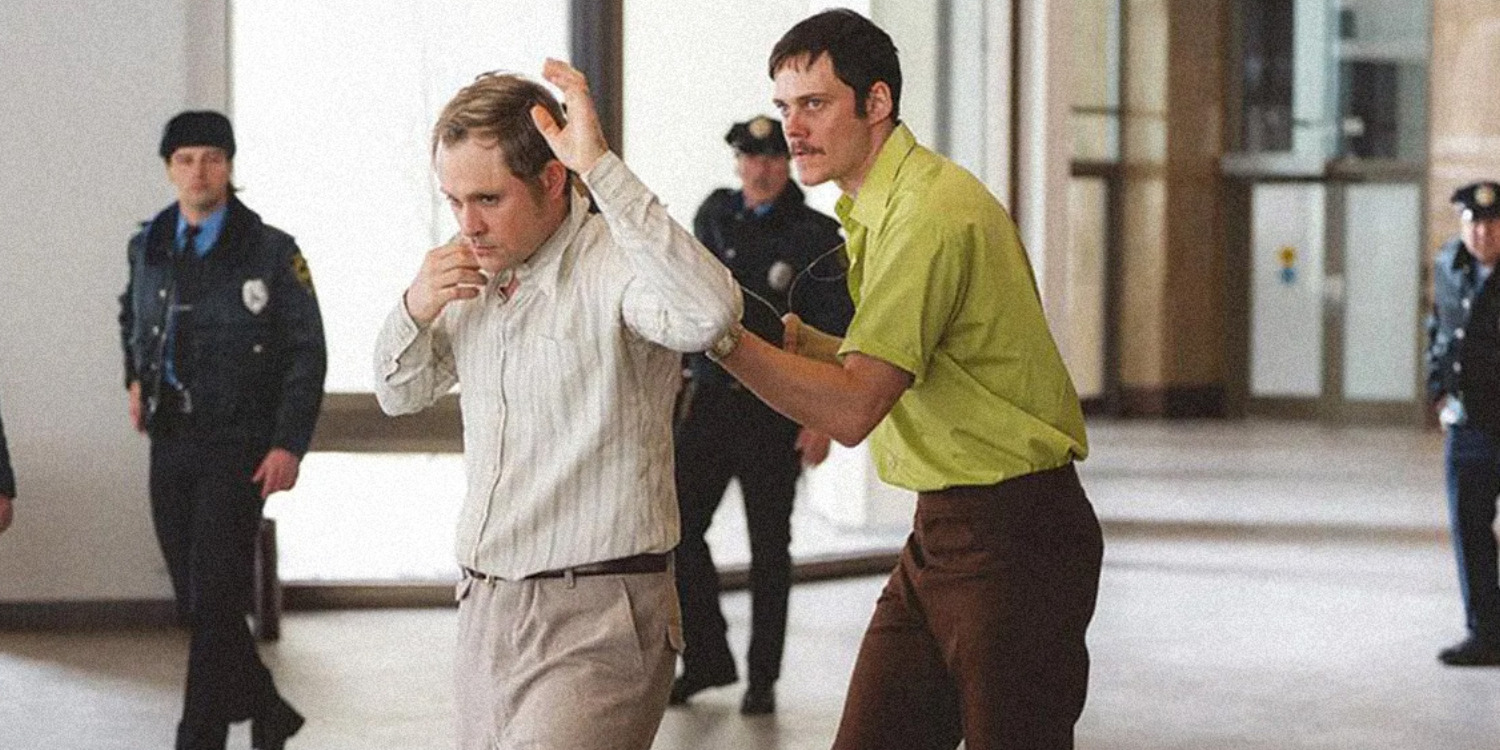
‘Dead Man’s Wire’ is a historical crime film that revolves around the unnerving showdown between a kidnapper, his hostage, and the authorities attempting to de-escalate the situation. The story begins with Tony Kiritsis, who has a bone to pick with the loan company Meridian Mortgage. However, instead of a level-headed approach, he ends up seeking to right perceived wrongs by taking a hostage: Richard Hall, the son of the company’s President. To pull this off, the kidnapper employs a unique contraption in which he ties a wire to the victim’s neck, looping it around the barrel and the trigger of a sawed-off shotgun. The film strikes a balance between depicting Tony’s manic distress and the dangerous precarity surrounding Richard’s survival. In doing so, the on-screen narrative brings a realistic depiction of Richard O. Hall, the real-life victim, and the life-threatening experience he underwent.
Richard O. Hall: The Real-Life Victim in the Tony Kiritsis Case
In the 1970s, Tony Kiritsis, a former army veteran who had dabbled in many professional ventures, purchased a 17-acre property in Indianapolis, Indiana. By March 1977, his plans of opening a shopping center on the land remained unfulfilled as the due date on the property’s $130,000 mortgage neared. Consequently, he ended up reverting to extreme and violent measures. After accusing the mortgage company of sabotaging his project, Kiritsis went to the company’s offices on February 8, 1977. He was secretly armed with a modified shotgun, which he planned on using for his plan of taking a hostage.
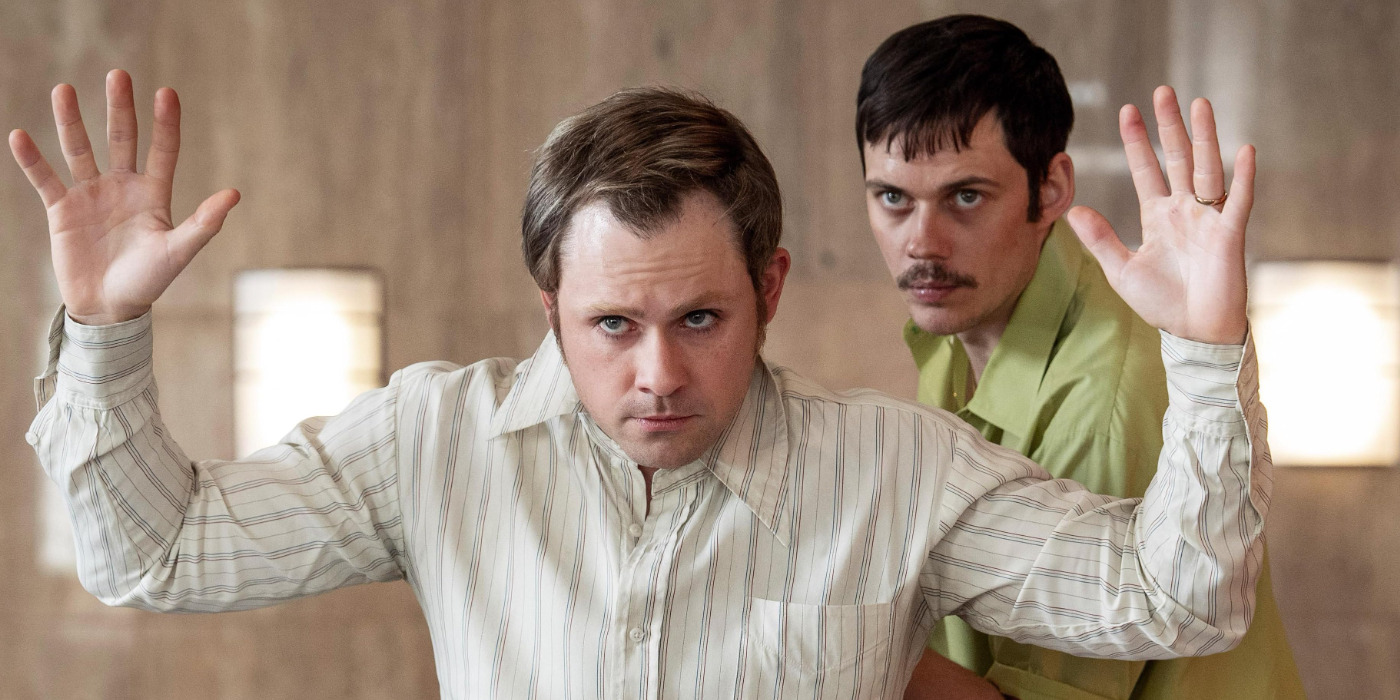
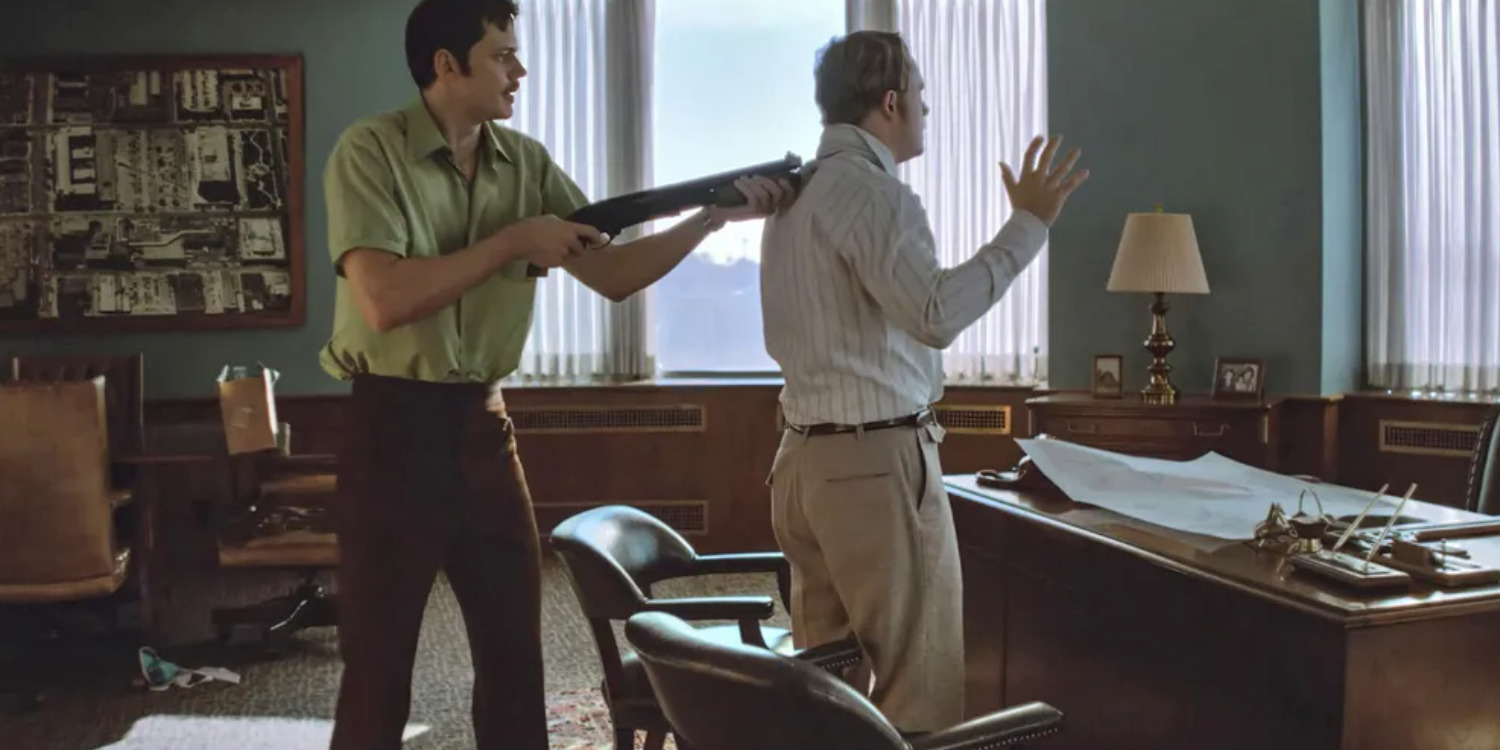
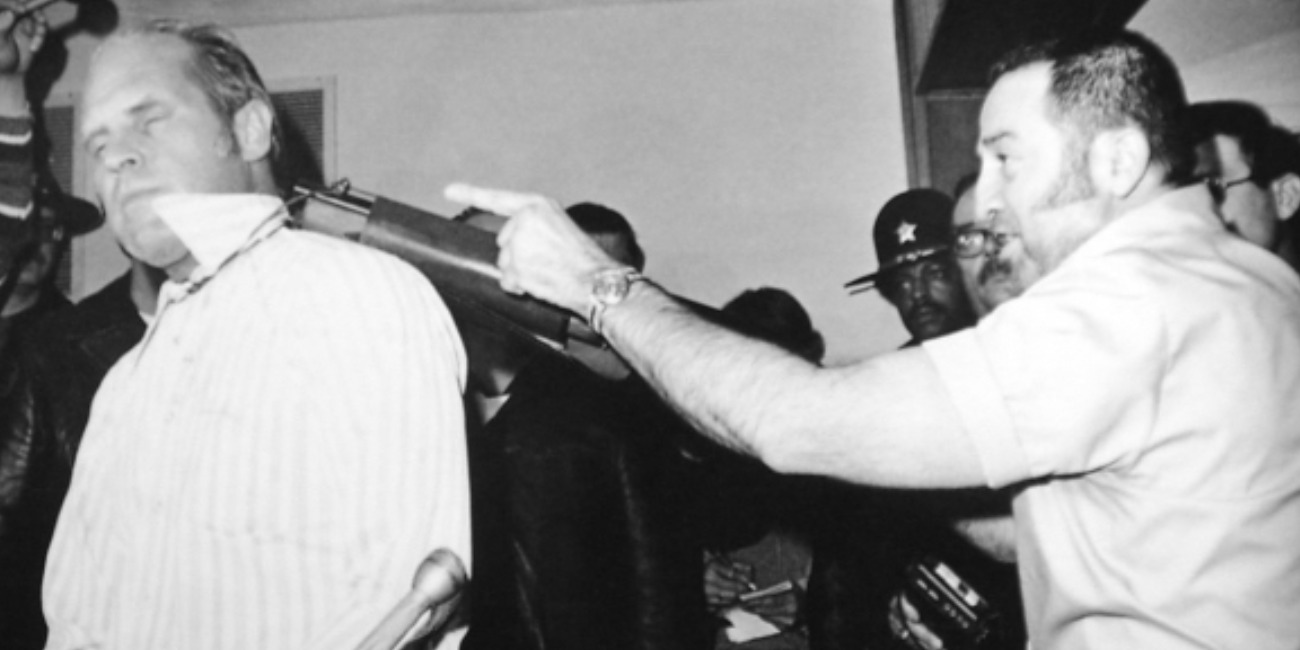
The real estate developer came into the office with the plan of targeting M.L. Hall, the company’s President. Upon learning that the latter was on vacation, Kiritsis ended up taking the President’s son, Richard O. Hall, instead. The attack was unexpected, especially given the years-long working relationship between Kiritsis and the mortgage company. Once the kidnapper had Hall at gunpoint, escape remained impossible. The real-estate developer had fashioned a contraption using a steel wire, which went around his hostage’s neck. It made it so Hall couldn’t attempt escape, and Kiritsis couldn’t be taken down without the assurance of setting off the firearm.
This allowed the kidnapper to take his victim out of the Meridian Mortgage office building, onto the downtown streets, and all the way to his apartment at Crestwood Village without the authorities being able to do anything. Once inside the flat, alleged to be rigged with explosives, the mortgage broker was entirely at the mercy of his captor. Reportedly, Kiritsis made Hall talk to the authorities and his wife over the phone while he made his own demands. In exchange for his life, his captor wanted full immunity, $5 million, and an apology from Meridian Mortgage. The mortgage broker was kept captive in the apartment for around three days.
Richard O. Hall’s Time in Tony Kiritsis’ Crestwood Apartment
Given the nature of the hostage situation, conducting a rescue mission for Richard Hall remained a precarious feat for the authorities. A significant aspect of the de-escalation strategy revolved around playing along with Tony Kiritsis’ demands in an attempt to ensure the survival of his hostage. Eventually, once the police convinced the kidnapper that his demands would be met, he agreed to come out of his lair and free Hall. Thus, in the end, the latter survived the dangerous situation, while Kiritsis was ultimately taken into police custody.
In 2017, Hall shared his own experience of the events with the public with the publication of his book, ‘Kiritsis and Me: Enduring 63 Hours at Gunpoint.’ Furthermore, he spoke at a press conference at WIBC studios. In the press conference, Hall spoke about the details of his one-on-one time with Kiritsis inside his Crestwood Village apartment, where the two spent nearly three days in the roles of hostage and captor. Hall shared, “I had the position that I shouldn’t let him (Tony Kiritsis) run over me if I could help it, and so I kinda stood up to him from time to time and argued with him, but then it got to the point where he became a little unmanageable.
“He (Tony Kiritsis) pistol-whipped me with the revolver a couple of times when I raised objections too much. I raised my fist at him a couple of times, and that really infuriated him. He further added, “Other times, he was just an ordinary guy. We were kind of buddy-buddy. He told me some of his life story. He teared up sometimes, talking about his mother…During the whole 63 hours, it was just a little of this and a little of that.” For his performance as Hall’s on-screen counterpart in ‘Dead Man’s Wire,’ actor Dacre Montgomery tried to draw inspiration from these real-life accounts shared directly by Hall himself.
Richard Hall’s Life After the Hostage Situation
In the aftermath of the resolution of the hostage situation, Richard Hall was taken to the hospital while Tony Kiritsis was taken into police custody. Although the latter was charged with kidnapping, armed extortion, and armed robbery, the verdict in his court trial found him not guilty by reason of insanity. Reportedly, the news was met with some amount of positive public perception, which had an aggravating effect on Hall, who had testified at the trial. Moreover, he became a subject for media scrutiny as reporters continued to invade his privacy in the time that followed.
Unfortunately, the latter’s life continued to spiral in unfavorable ways in the aftermath of the case. The incident had a negative impact on Meridian Mortgage’s business. Hall’s two brothers left the business, and his father, M.L. Hall, died within the next 24 months. Still, despite the adversities he faced, Hall continued to move forward in life and sought to heal himself through a faith-based approach. Eventually, in 2017, 12 years after Kiritsis’ death, Hall came back into the public eye, ready to share his own version of the horrifying events from 1977. His son became a huge influence in his eventual decision to finally share his story in his own words with the world.
Read More: Dead Man’s Wire’s True Story of Tony Kiritsis, Explained


You must be logged in to post a comment.