
 Aahana Swrup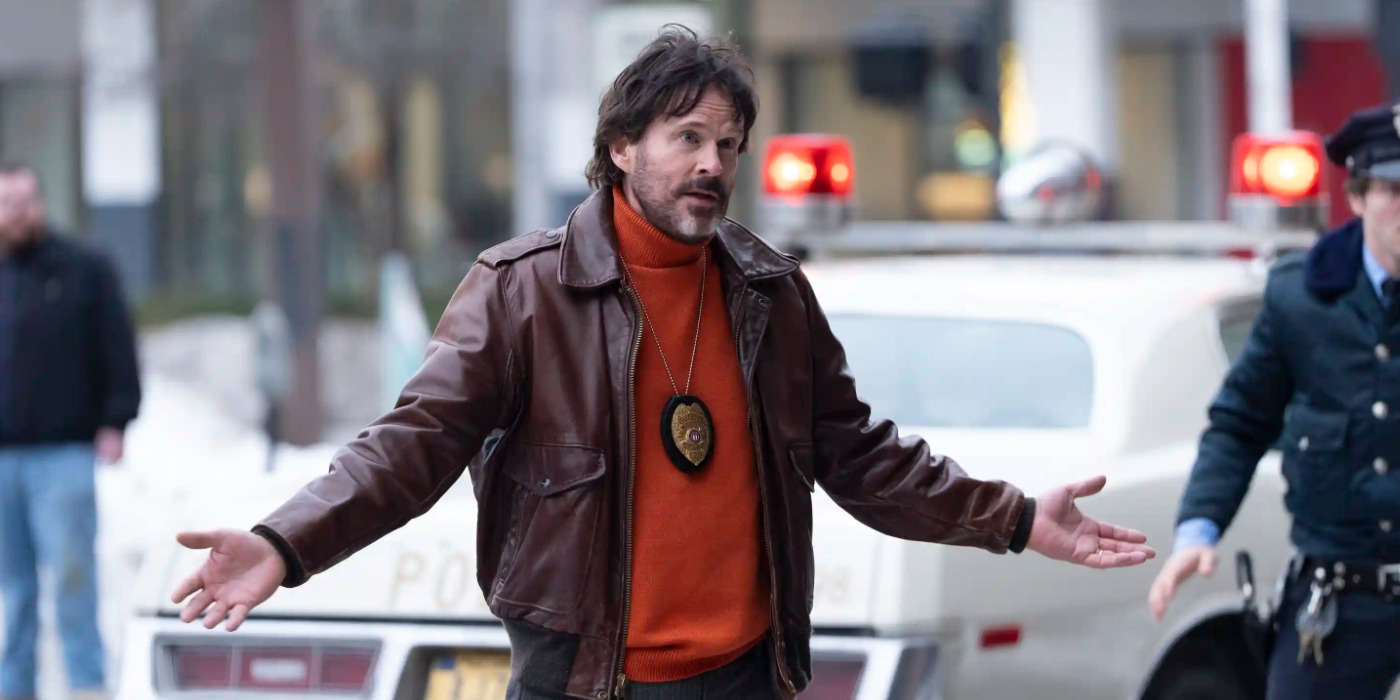
Michael Grable’s character in ‘Dead Man’s Wire’ serves as a narrative and thematic anchor for the tricky predicament law enforcement faces in a unique hostage situation. In February 1977, a disgruntled man, Tony Kiritsis, takes matters into his own armed hands and kidnaps mortgage broker Richard Hall, in an attempt to negotiate with his father’s company, Meridian Mortgage. The notable thing about this hostage situation remains the dead man’s switch that Tony fixes between his victim’s neck and the sawed-off shotgun he keeps aimed at him. This setup makes it impossible for police officers, including Detective Michael Grable, to get any closer to the situation without running the risk of accidentally triggering Richard’s death. Thus, the stand-off, wherein Grable and the others work to save the victim’s life while Tony makes his ludicrous demands, ends up lasting for three days. One of the fascinating aspects of the film stems from the true-story basis attached to it.
Michael Grable is Based on the Real Police IPD Negotiator From the 1977 Hostage Incident
In service of its historical roots, ‘Dead Man’s Wire’ employs storylines and characters that remain deeply rooted in reality. The biographical film tells the story of Tony Kiritsis, a kidnapper from Indianapolis, who took Richard O. Hall hostage in February 1977. In bringing this story to the screen, the film retains notable historical accuracy in the details of the infamous case. The inclusion of law enforcement officer Michael Grable is one such detail. In real life, an officer from the Indianapolis Police Department, Mike Grable, intervened early on after Kiritsis took Hall hostage from his office at Meridian Mortgage Company. At the time, the IPD didn’t have many negotiators among its ranks.
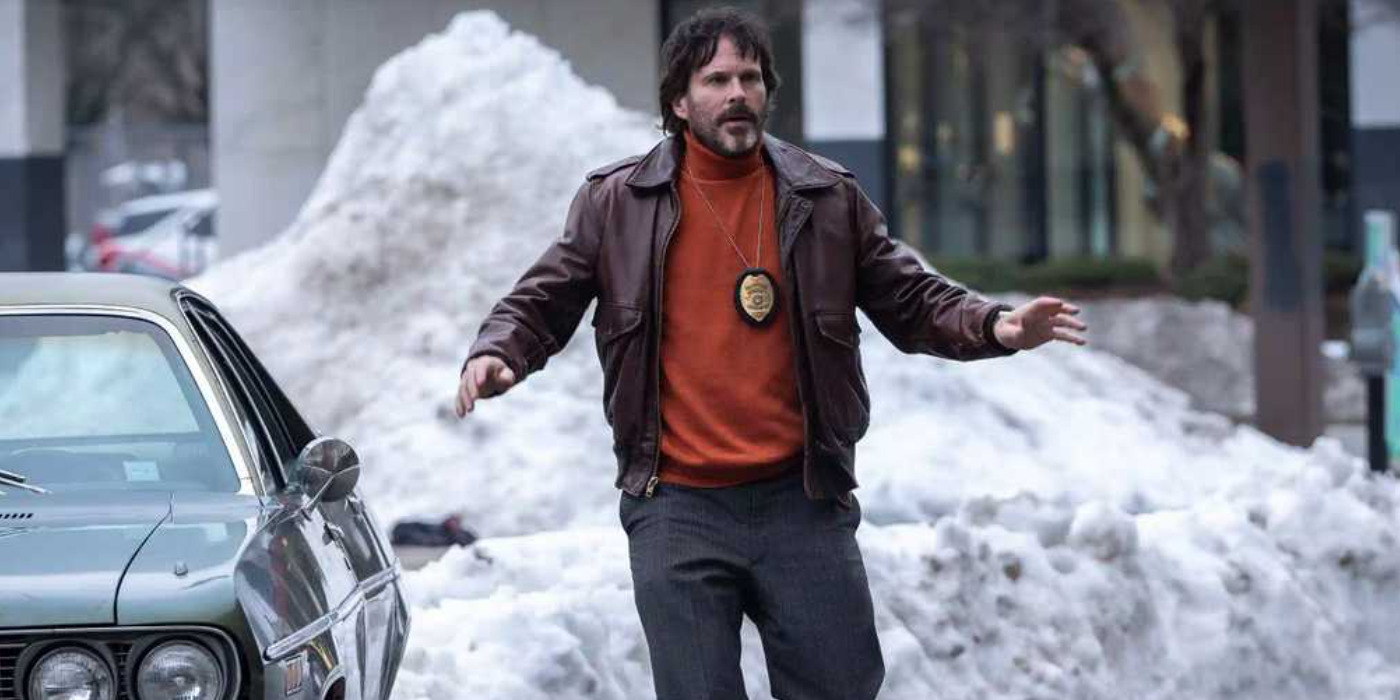
However, as luck would have it, just weeks before the kidnapping, the FBI had held a two-hour course for hostage negotiation. Thus, Grable, who partook in this course, was one of the first negotiators in the city. As per accounts shared by the officer’s children, Grable came down to the scene, along with some other officers, shortly after Kirtisis and Hall’s call came in. Upon his arrival, he found the kidnapper parading his victim downtown. During this time, Grable decided to attempt to communicate with him, establishing his involvement in the case. Yet, it is worth noting that, unlike his on-screen counterpart, the real-life negotiator had no prior connection or friendship with either Kiritsis or Hall. That aspect of Michael’s character remains an example of the film’s creative liberty at play.
Even so, save for the few divergences, Michael’s characterization and his role in the Tony Kiritsis case from 1977 remain true to life. Reportedly, the film’s producers were in touch with Grable’s family during the project’s development. In a conversation with WTHR, the negotiator’s son, Jason Grable, spoke about the scope of the family’s involvement with the film and said, “He (a producer) said the actor portraying your father (Cary Elwes) would really love some inside information on your dad. He was downtown studying, looking up microfiche for dad at the Indianapolis Public Library. He came down to Greenwood and met us for dinner. He’s really become a friend.” Furthermore, multiple members of the Grable family were also invited to be on set and even have brief cameos in the film as extras in the background.
Read More: Is Linda Page Based on a Real TV Reporter? Is Indianapolis News Now 12 a Real News Station?


You must be logged in to post a comment.