
 Aahana Swrup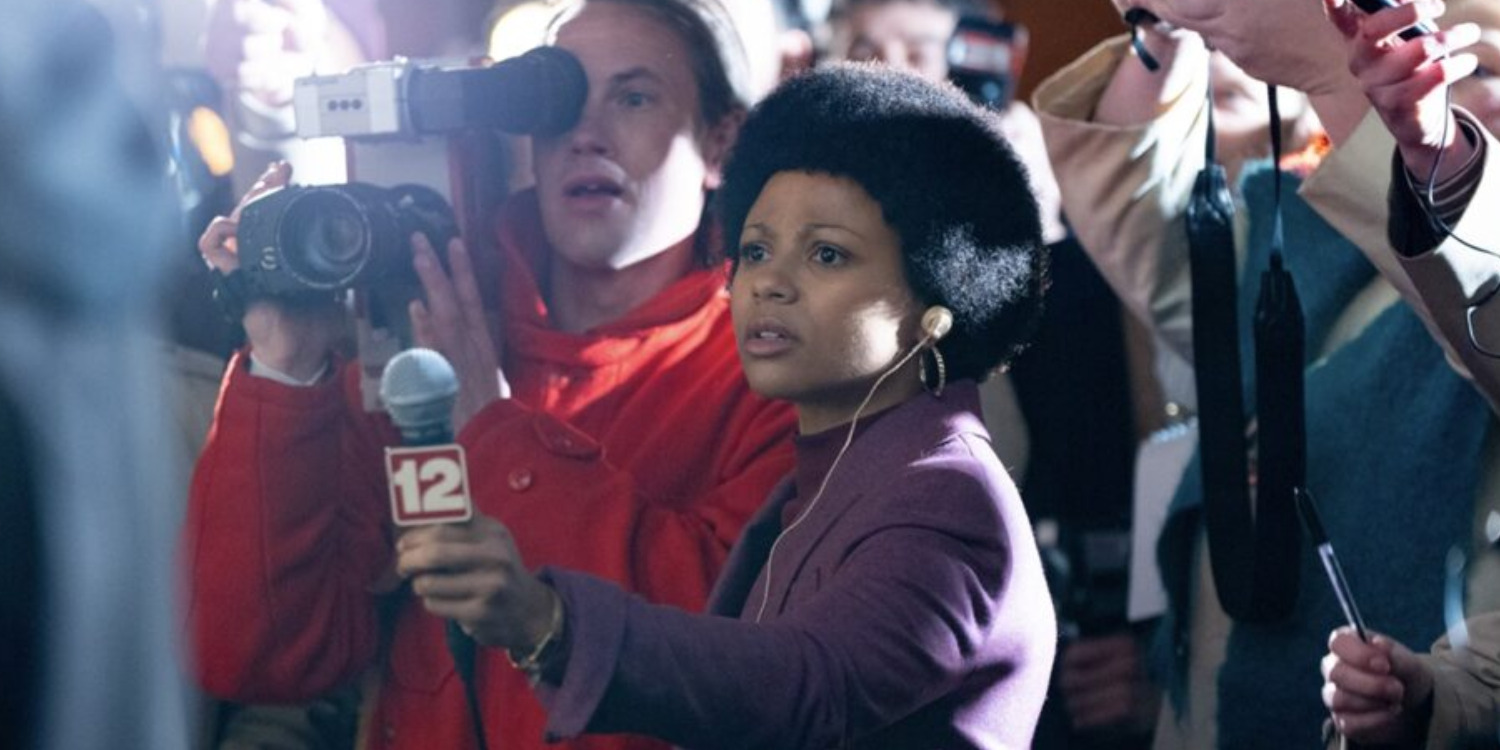
‘Dead Man’s Wire’ presents an intense thriller that finds an intriguing basis in real life. Directed by Gus Van Sant, the film tells the story of Tony Kiritsis and Richard Hall, two men caught in a precarious game. The former is a real estate developer who feels he has been wronged by Meridian Mortgage, the company owned by the latter’s father. As a result, he ends up kidnapping the mortgage broker, strapping him into a unique contraption that keeps him perpetually on the other end of a shotgun barrel.
The dead man’s switch, created by this weapon, allows Tony to take Richard hostage and hold him as his captive while negotiating a deal for himself. The kidnapper remains brazen and eager for the media’s attention from the very start. Therefore, it’s no surprise that the early morning debacle catches the attention of Linda Page, a young reporter from Indianapolis News Now 12, who is anxious for a big break. However, in this true-story inspired film, does the reporter find a similarly real-life inspired counterpart?
Linda Page and Indianapolis News Now 12 are Fictional Elements That Highlight the Hostage Incident’s Journalistic Reality
‘Dead Man’s Wire’ charts a biographical story that finds authentic and faithful roots in reality. Even so, the film occasionally strays from the historical account of theTony Kiritsis hostage incident of 1977 in the service of the overarching narrative. Linda Page’s character is a prime example of the same. The real incident garnered much media coverage and attention from local, Indianapolis-based outlets as well as the national media. Yet, in real life, there are no records of a reporter named Linda Page having any involvement with the case. Similarly, there doesn’t seem to be any news stations, christened Indianapolis News Now 12, that had a notable presence in the city’s news cycle in the 1970s. These two elements in the film remain works of fiction, created specifically in service of the storyline.
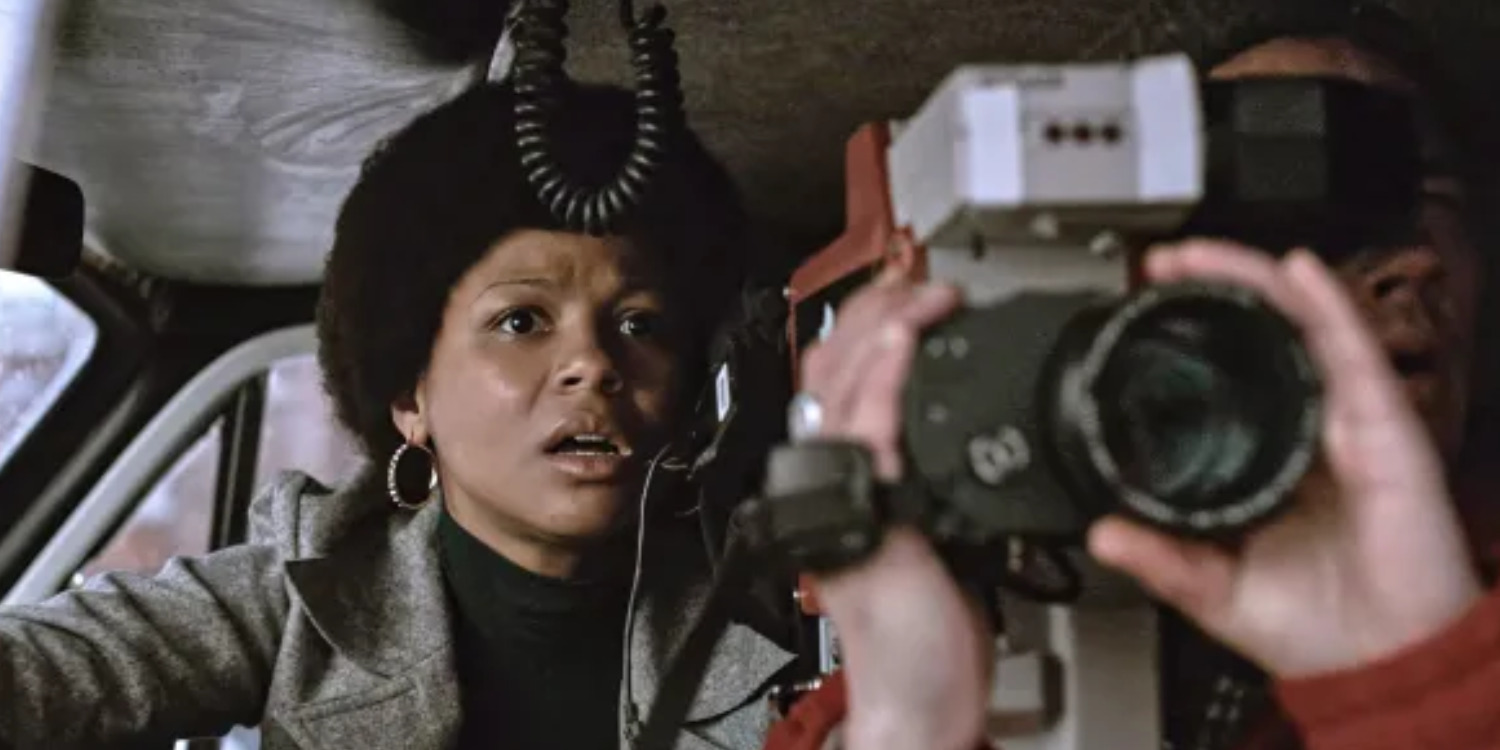
Even so, reporter Page and her news station, Indianapolis News Now 12, occupy a realistic sector in the narrative. In real life, Tony Kiritsis’ kidnapping of Richard O. Hall on February 8, 1977, attracted a lot of attention from the media. In fact, some sources suggest that the kidnapper intentionally sought out this media coverage to reach as many people as possible with his story. This is believed to have sparked an internal moral debate among journalists about the ethics of letting a criminal dictate their broadcasting. While many argued that they should comply with Kiritsis’ demands for national coverage to save Hall’s life, others believed that it would be journalistically unethical to comply with the kidnapper’s wishes.
Either way, the media ultimately ended up covering the news extensively, putting Keritsis and the horrifying hostage situation on televisions across the country. As the authorities set up their perimeter around Keritsis’ evacuated apartment, which he claimed to have boobytrapped with explosives, journalists and reporters also flocked to the scene. Reportedly, many of the reporters even stationed themselves in the apartments across the street to cover the multiple-day incident. The reporters stayed with the story until the very end when Hall’s life was saved, and Kiritsis was put in handcuffs. Thus, the film’s depiction of Linda and her station’s dedicated coverage of the incident remains rooted in reality. However, the character herself and the details surrounding her narrative as a professional reporter have no direct and tangible basis in reality. Therefore, she remains a fictitious character with a realistic influence on the story.
Read More: Is Normal a Real Town in Minnesota? Is Normal Savings & Loan a Real Bank?


You must be logged in to post a comment.