
 Abhiroop Das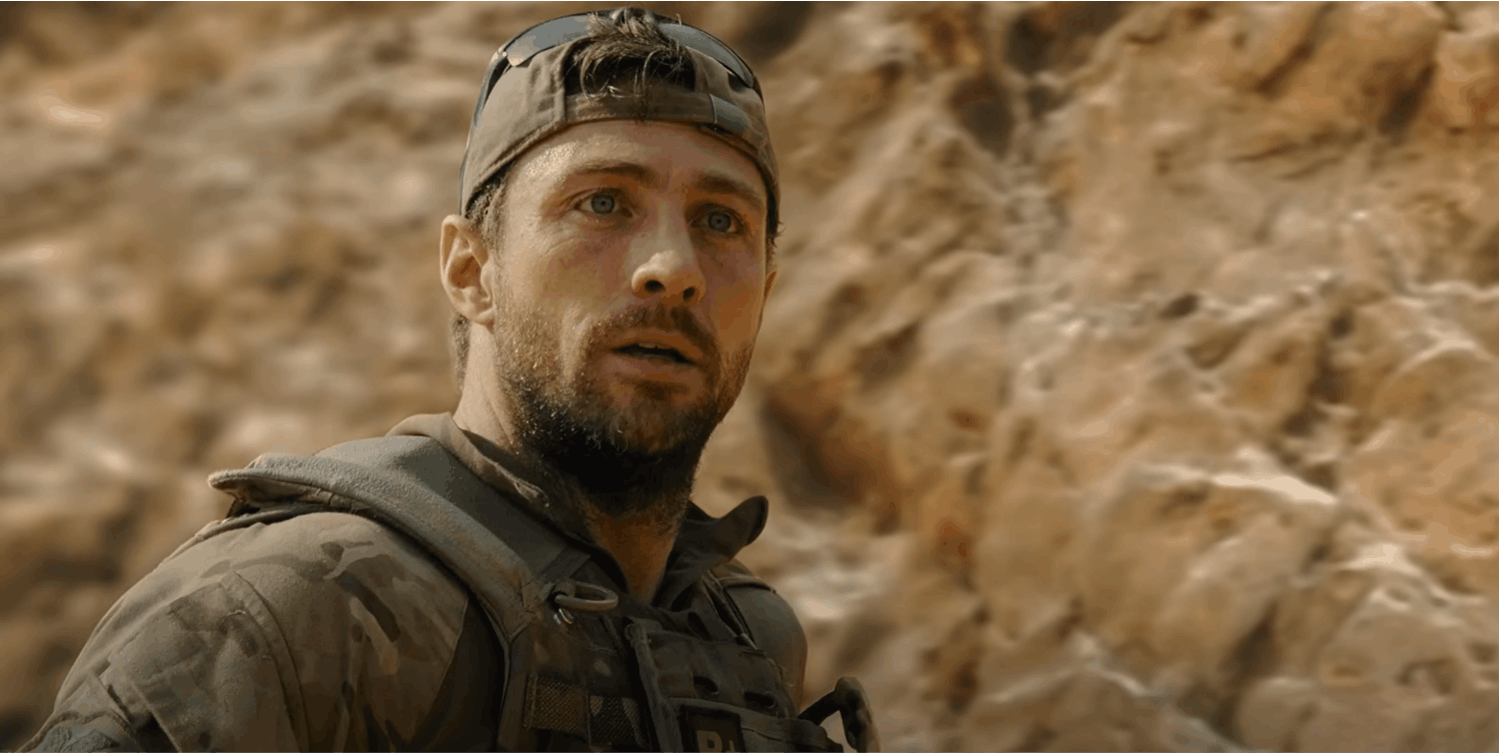
Directed by David Mackenzie, ‘Fuze‘ begins with a rather unsettling discovery beneath London: an unexploded bomb from World War II, which threatens to destroy thousands of lives in the blink of an eye. To contain the situation, the police proceed with routine evacuation procedures, while trained military professionals step in to deal with the explosive itself. Right under their noses, however, a team prepares to pull off one of the most unbelievable heists ever, using the bomb threat itself as both a distraction and cover. With how smoothly their plan goes, it becomes increasingly likely that there is far more to this situation than meets the eye. Using this realistic crisis scenario as its basis, the heist thriller film explores several shades of humanity at once.
Fuze is a Fictional Story Inspired by the Discoveries of Unexploded Bombs in the UK
‘Fuze’ is a work of fiction that draws broadly on the real-life phenomenon of unexploded bombs from the World War II era being discovered decades later. In a conversation with Coming Soon, director David Mackenzie noted, “it doesn’t happen really at all in the United States, but in London (…) people discover bombs on building sites almost every six months.” He further added that the police and Army protocols depicted in the film are based on procedures that are “well practiced, well rehearsed.” Thus, while the story may not be based on any particular incident, it serves as a composite of many such events, reimagined for the screen with the added twist of a heist.

Mackenzie is no stranger to bank-heist narratives, as one of his most famous films, ‘Hell or High Water,’ is also based on a similar premise. Where things get more inventive, however, is in his ability to mash together the heist and the bomb disposal plotlines. The director acknowledged that these are both high-tension genres capable of sustaining a film on their own. Merged together, however, the story adds many new and creative twists to its arsenal, most of which have little to no real-life antecedents. Mackenzie also named ‘The Hurt Locker‘ as one of the films that informed his decision to make ‘Fuze,’ which makes sense considering how closely both films chart the psychological component of intense bomb disposal.
Aaron Taylor-Johnson Worked With a Real-Life Expert to Get the Details Right
While David Mackenzie has confirmed that ‘Fuze’ isn’t based on any single real-life case, some true stories do draw parallels, mainly in the bomb-defusal aspect of the story. One such example can be traced back to March 23, 2015, when an unexploded German WWII bomb was discovered at a construction site in Bermondsey, southeast London. The device, roughly five feet in length and weighing 454 kilograms, or about 1,000 pounds, had remained buried about three meters underground for around seven decades before being uncovered by construction machinery. Following the discovery, the police quickly established an exclusion zone and began evacuation procedures, with roughly 1,200 homes and nearby schools evacuated.
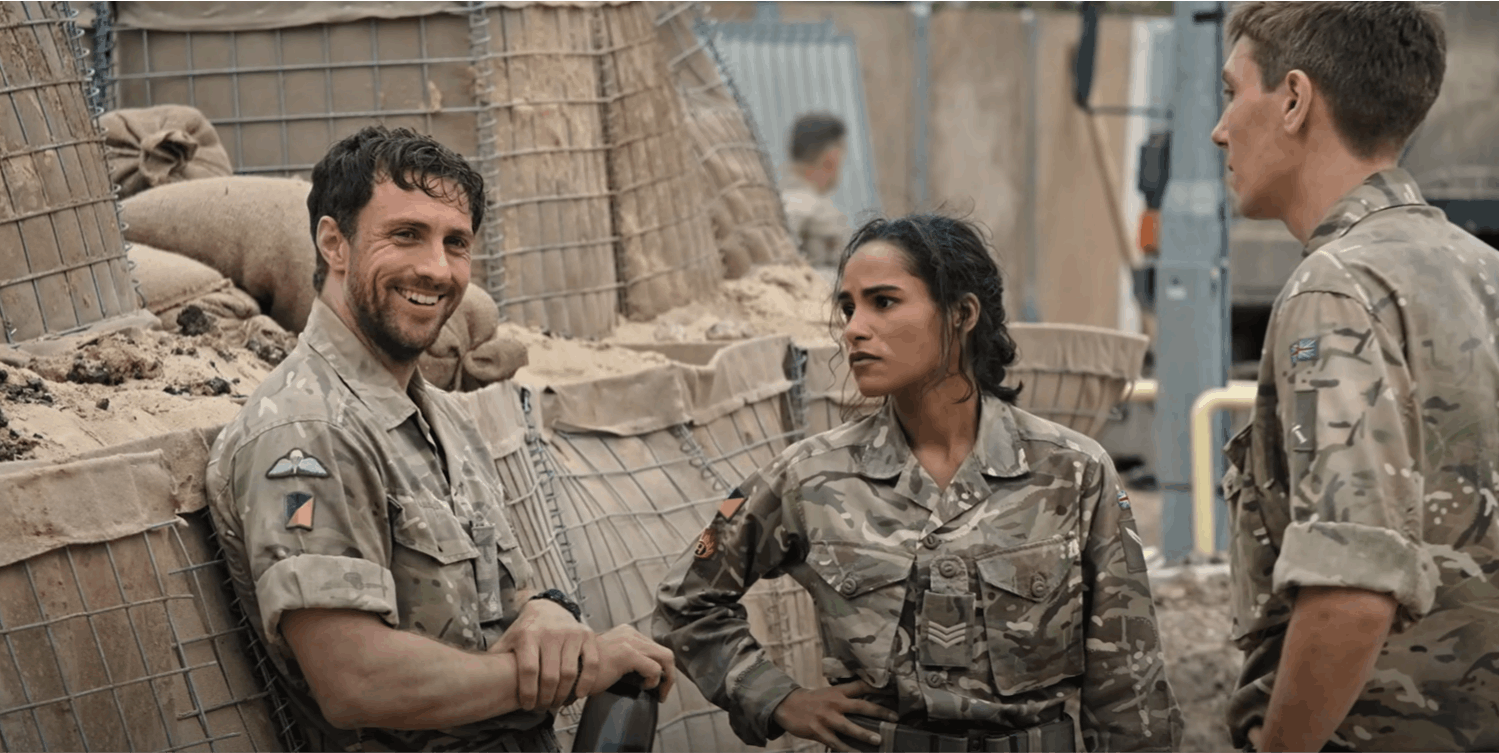
As the safety measures went on, the Army’s Royal Logistic Corps bomb-disposal team was called in to deal with the explosive. They proceeded to build a protective igloo-like structure around the bomb using special Hesco blast walls, built to survive explosions. By the following day, the bomb had been made safe, and the team excavated and took it to the region of Cliffe in Kent, where it was destroyed in a controlled explosion. While this event has certain similarities to how things go in ‘Fuze,’ it is not the only example either. In 2015 alone, very similar incidents unfolded in Bethnal Green, London, and Wembley, and as per the UK Ministry of Defence, its bomb-disposal teams deal with about 60 German WWII-era unexploded bombs every year.
Apart from being influenced by similar instances in real life, the creative team behind ‘Fuze’ also extensively relied on research to make the story feel realistic. Aaron Taylor-Johnson, who plays bomb-disposal specialist Major Will Tranter, worked with former military explosive ordnance disposal expert Nick Orr, with Mackenzie also consulting him about the script, technical equipment, and procedures. While conversing with the Sunday Times, Taylor-Johnson said, “basically everything I use, say and do in the film has been through his lens.” At the same time, he also acknowledged that the filmmakers took creative liberties for the sake of the thrill. While the larger story may be fully fictional, it’s the little details that make the film feel so authentic and thematically relevant.


You must be logged in to post a comment.